








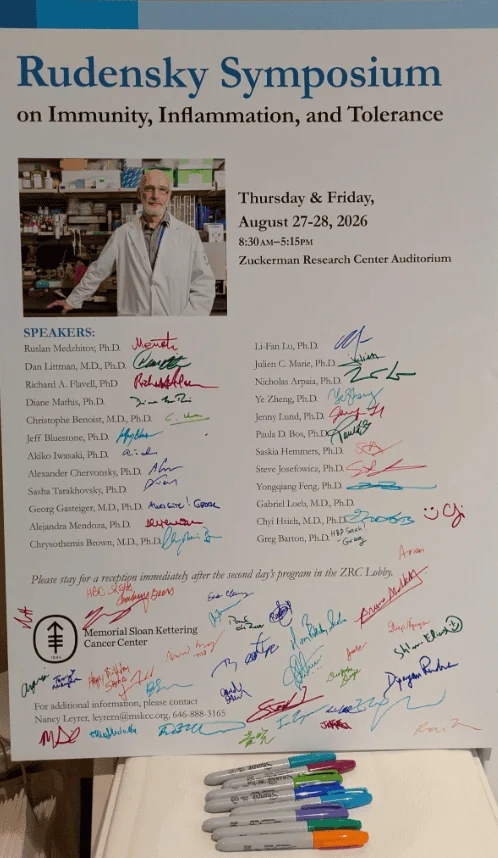
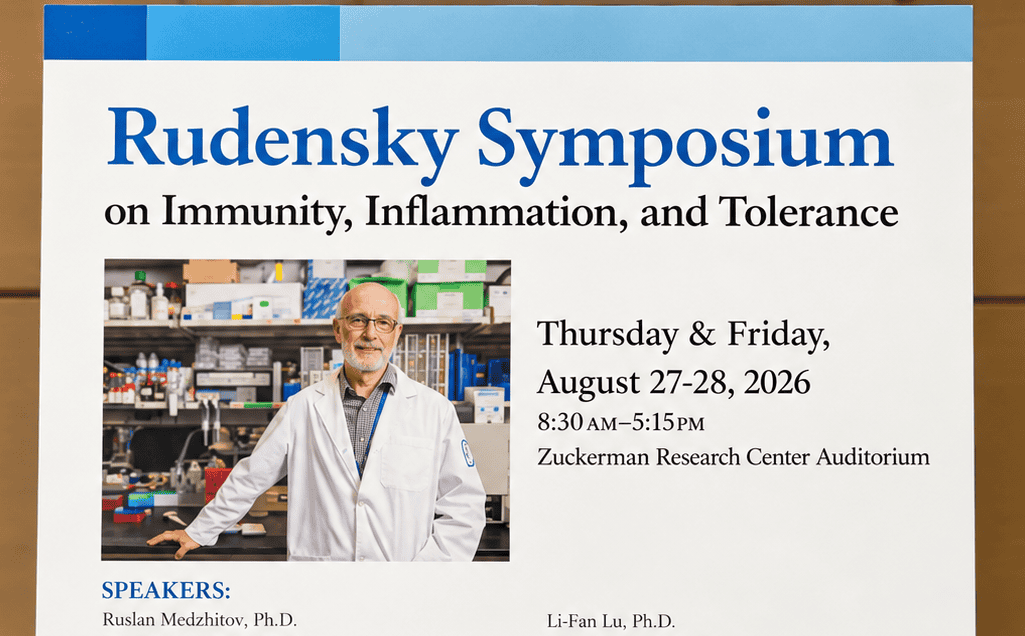
On August 27–28, 2026, the scientific community converged to celebrate more than a milestone birthday; they gathered to honor a lineage of intellectual curiosity that has fundamentally reshaped our understanding of the human immune system. The "Rudensky Symposium on Immunity, Inflammation, and Tolerance" served as both a tribute to the 70th birthday of Dr. Alexander “Sasha” Rudensky of the Memorial Sloan Kettering Cancer Center (MSKCC) and a high-level summit on the future of cancer immunology.
For two days, the symposium acted as a bridge between the foundational principles of basic immunology and the cutting-edge clinical applications defining modern cancer therapy. While the event was deeply personal, celebrating the mentorship and friendships that have spanned decades, it also functioned as a profound statement on how long-term investment in basic science pays dividends in the fight against malignancy.
The Foundation of a Scientific Legacy
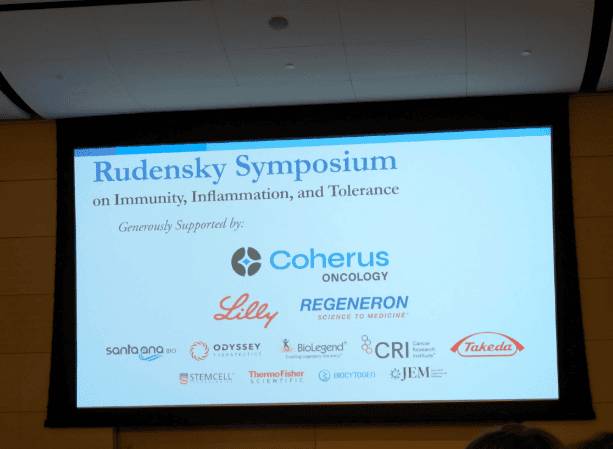
The Cancer Research Institute (CRI), a long-term partner in Dr. Rudensky’s journey, played a pivotal role in supporting the symposium. This collaboration is rooted in a shared philosophy: that one cannot effectively treat cancer without first mastering the intricate, often paradoxical, mechanics of the immune system.
For over two decades, the CRI has championed Dr. Rudensky’s work, funding more than a dozen fellows who have since fanned out to lead their own laboratories globally. This "academic family tree" was on full display at the symposium, where former trainees shared the podium with the man who helped shape their scientific intuition.
In 2015, the CRI recognized Dr. Rudensky’s seminal contributions with the prestigious William B. Coley Award. His pioneering work on regulatory T cells (Tregs)—the "peacekeepers" of the immune system that prevent autoimmunity but can be exploited by tumors to suppress immune attacks—has become a cornerstone of current cancer immunotherapy research.
Chronology of Innovation: From Basic Biology to Clinical Strategy
The symposium was structured to reflect the trajectory of modern immunology—moving from the fundamental mechanisms of tissue homeostasis to the complex, systemic environment of the tumor microenvironment.
The Homeostatic Foundation (Day 1)
The opening sessions focused on how the immune system maintains health. Dr. Ruslan Medzhitov (2003 CRI Coley Awardee) set the tone by redefining the role of macrophages. Rather than viewing them solely as infection fighters, Medzhitov presented evidence that these cells act as "tissue maintenance crews," clearing away the "garbage" of damaged proteins to keep tissues functional. This shift in perspective—viewing immune cells as essential, daily operators of tissue health—is critical for understanding how the body maintains balance.
This theme was expanded upon by Drs. Diane Mathis and Christophe Benoist (2024 CRI Coley Awardees). Their research into Tregs highlighted that these cells are far more specialized than previously thought. Mathis described how distinct populations of Tregs assist in muscle repair and scar management, while Benoist demonstrated that a Treg’s function is intrinsically linked to the specific molecular target it recognizes. These presentations underscored a vital reality: in the world of immunology, precision is everything. If the immune "brake" is applied too lightly, we face chronic inflammation and autoimmunity; if applied too heavily, we provide the perfect cover for a tumor to grow undetected.
The Frontiers of Early Detection (Day 2)
The second day shifted focus toward the "pre-cancerous" landscape. Dr. Richard A. Flavell (2012 CRI Coley Awardee) presented startling data from mouse models suggesting that the immune system begins its surveillance of potential cancers long before a tumor is physically visible. By tracking mutant intestinal stem cells, Flavell’s team observed that the immune system actively weeds out cells carrying dangerous mutations like BRAF. When these mutant cells find a way to evade this early detection—often by losing the ability to communicate with T cells—they gain a competitive advantage, leading to the formation of early, aggressive clones.
Building on this, Dr. Julien C. Marie explored the link between chronic inflammation and malignant transformation. His work demonstrated that by disrupting the TGF-β signaling pathway, immune cells like Th17 can be pushed into a state of "persistent inflammation," which directly causes DNA damage and creates a favorable environment for cancer to take root. His findings suggest that the inflammatory state is not necessarily a permanent "point of no return," but a flexible state that might be reversible with the right therapeutic intervention.
The Tumor Ecosystem: A Holistic Approach
The final sessions of the symposium addressed the complex, "wider ecosystem" of the tumor. Dr. Dan Littman (2016 CRI Coley Awardee) bridged the gap between the gut microbiome and systemic cancer therapy. His research has consistently shown that the bacterial populations in our gut are not merely bystanders; they train our T cells and dictate how effectively a patient will respond to checkpoint immunotherapy.
Following this, Dr. Paula D. Bos presented a breakthrough perspective on how Tregs influence the physical structure of the tumor. Her research revealed that Tregs manipulate macrophages and the collagen fibers surrounding a breast tumor. By temporarily modulating these cells, her team was able to "soften" the tumor’s defenses, preventing the formation of the "highways" cancer cells use to escape into the bloodstream.
Finally, Dr. Nicholas Arpaia highlighted the role of fibroblasts in creating "immune-suppressive neighborhoods" around lung tumors. In a display of interdisciplinary collaboration, he showcased work with CRI Lloyd J. Old STAR Dr. Tal Danino, utilizing engineered bacteria to deliver targeted therapies directly into the tumor. This represents the next frontier: moving away from systemic treatments that affect the whole body toward "neighborhood-specific" interventions.
Implications for Future Therapies
The symposium served as a potent reminder that the most significant leaps in medicine rarely come from linear, goal-oriented research alone. They come from the freedom to ask fundamental questions about biological identity, cellular communication, and the evolution of tissue.
The "Rudensky Effect"—as one might call the collective output of his lab and its alumni—highlights three major implications for the next decade of cancer research:
- The Shift to Pre-Cancerous Surveillance: The realization that the immune system is actively fighting "pre-cancers" suggests a future where we might use immunotherapy to prevent cancer before a mass ever forms.
- The "Neighborhood" Approach: Future therapies will likely focus on modulating the local environment of the tumor, rather than simply trying to "wake up" the entire immune system. Targeting the collagen scaffolding and the fibroblasts that build the tumor’s fortresses is a promising new direction.
- Holistic Integration: The connection between the gut microbiome, tissue repair, and tumor growth confirms that cancer cannot be treated as an isolated entity. A patient’s systemic health, from their diet to their inflammatory history, plays a role in their ability to overcome the disease.
A Human Commitment to Scientific Progress
Beyond the data, the symposium was a celebration of the human architecture of science. As attendees looked at the poster board signed by Dr. Rudensky’s "research family," it was clear that the rigor and persistence required for these discoveries are forged in the fires of mentorship and collaborative disagreement.
The Cancer Research Institute’s long-term support of this community—dating back 70 years—is not merely about funding individual projects. It is about funding the people who will spend their lives chasing the answers to these fundamental biological questions.
"The symposium brought that long-term commitment to life," noted one attendee. "We saw the ripple effect of Sasha’s work: trainees who are now the ones pushing the boundaries of what we know, and new collaborations that are connecting the dots between basic immunology and the shared, urgent goal of extending human life."
As the symposium concluded, the message was clear: while the biological questions remain complex, the path forward is paved by the same principles that defined Dr. Rudensky’s career: rigorous inquiry, a deep respect for the complexity of the immune system, and the unwavering belief that if we understand how tissues stay in balance, we will eventually unlock the secrets to why they fail—and how to restore that balance when they do.