





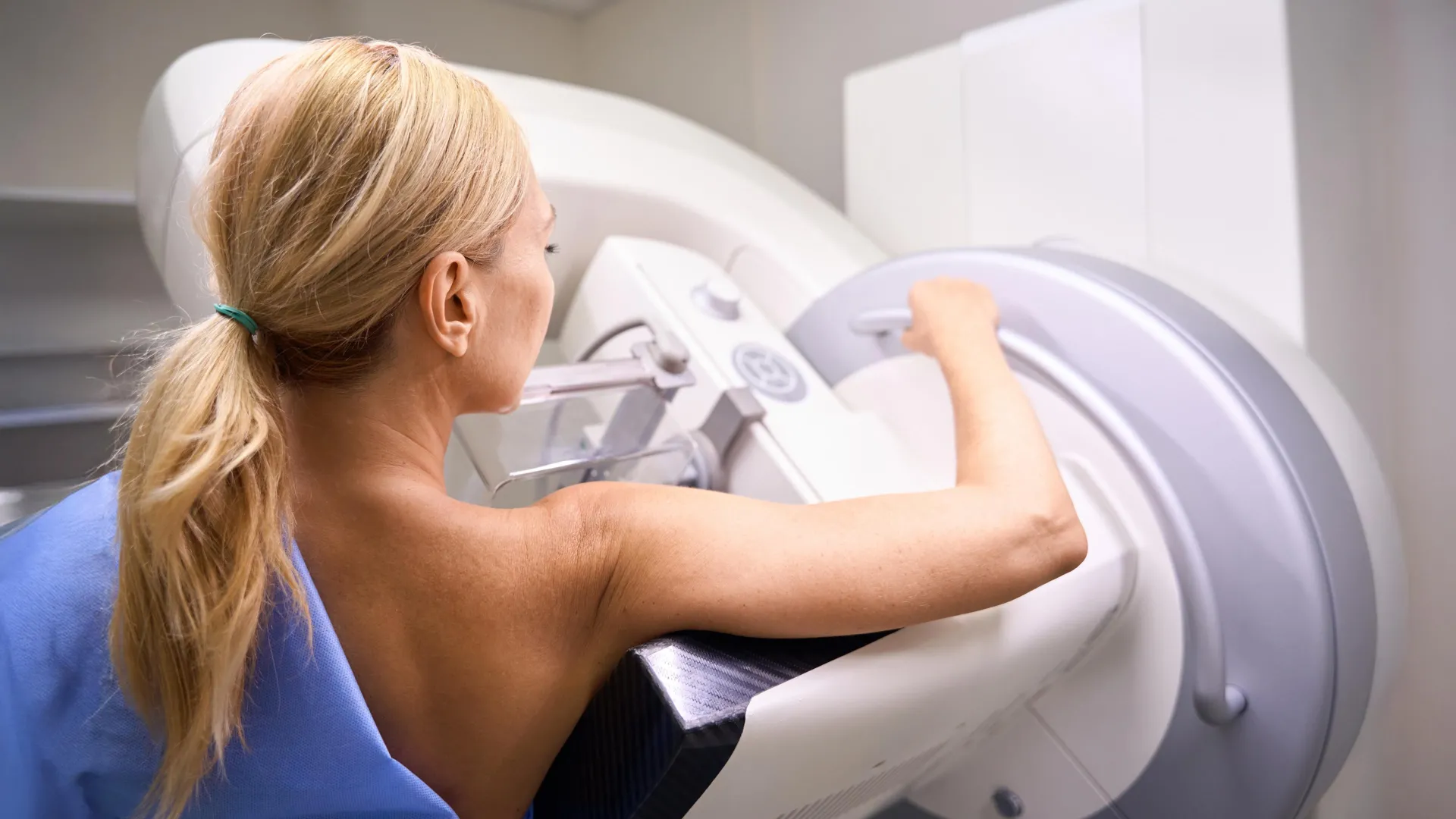
For decades, the discourse surrounding breast cancer screening has been clouded by a persistent concern: overdiagnosis. The clinical phenomenon—wherein screening identifies a breast cancer that would have remained indolent or never progressed to a life-threatening stage—has been a cornerstone of public health debates. For years, skeptics and proponents alike have cited estimates suggesting that as many as 30% to 50% of screen-detected breast cancers might represent overdiagnosis.
However, a groundbreaking new study, which re-evaluates data from all major randomized controlled trials (RCTs) on mammography, suggests that the true scale of overdiagnosis is significantly lower than previously feared. By adjusting for the complex temporal dynamics of cancer screening, researchers now estimate the rate to be below 5%, potentially reshaping how medical professionals communicate the risks and benefits of screening to the public.
The Core Facts: Defining the Overdiagnosis Dilemma
To understand the weight of this new study, one must first grasp the clinical definition of overdiagnosis. In the context of oncology, overdiagnosis occurs when a screening test—in this case, a mammogram—detects a malignant lesion that, if left undetected, would never have caused symptoms or resulted in death during the patient’s remaining lifetime.
Crucially, the definition also encompasses instances where a woman is diagnosed with breast cancer but dies from an unrelated cause shortly thereafter. In such cases, the diagnosis offers no tangible benefit to the patient; rather, it introduces the burden of treatment for a disease that would not have curtailed her lifespan.
Historically, the high estimates of 30–50% have served as a powerful argument against aggressive screening programs. They have fueled the narrative that the "harms" of screening—specifically the anxiety and physical morbidity associated with treating indolent tumors—might nearly eclipse the survival benefits. This new research challenges that narrative, suggesting that those early, high-frequency estimates were likely artifacts of incomplete data and misread temporal patterns.
A Chronological Perspective: How Screening Distorts Time
The central challenge in calculating overdiagnosis lies in the concept of "lead time" and the natural history of cancer. When a population-based screening program is introduced, a sudden, sharp increase in the incidence of breast cancer is almost always observed. This is not necessarily because more women are suddenly developing cancer, but because the screening process is catching tumors years before they would have become palpable or symptomatic.
The Phases of Screening Impact:
- The Initial Spike: Upon the launch of a screening program, there is a surge in diagnoses. These are cancers that would have been detected later.
- The "Catch-up" Period: Over time, as the reservoir of pre-symptomatic cancers is depleted, the incidence rate is expected to drop. If researchers analyze the data during the initial spike without accounting for the subsequent drop, they inevitably overestimate overdiagnosis.
- The Long-Term Equilibrium: When screening is sustained, the system reaches a steady state. The study authors emphasize that many early randomized trials were terminated or analyzed before this steady state was reached, leading to an inflation of "excess" cases.
Elsebeth Lynge, professor emerita at the Department of Public Health at the University of Copenhagen, explains: "When screening is introduced, the number of breast cancer diagnoses initially rises. Over time, this should be followed by a drop. If researchers do not take these factors into account, the initial increase can be mistaken for overdiagnosis."
Supporting Data: Re-examining the Randomized Trials
The research team, led by Sisse Helle Njor of the University of Southern Denmark and Lillebælt Hospital, sought to harmonize existing evidence. They performed a comprehensive re-analysis of the eight seminal randomized trials that formed the foundation of modern screening guidelines:
- The New York Health Insurance Plan (HIP) Study
- The Malmö Mammographic Screening Trial
- The Two-County Trial (Sweden)
- The Edinburgh Trial
- The Canadian National Breast Screening Study
- The Stockholm Trial
- The Gothenburg Trial
- The UK Age Trial
To provide a real-world reference point, the team compared these historical trial datasets with modern, long-term data from Denmark. Denmark serves as an ideal "natural laboratory" because its screening programs were rolled out regionally at different times. This staggered implementation allowed researchers to observe the exact temporal shifts in incidence—the initial rise and the subsequent expected decline—over a 17-year period.
When the researchers applied the "Danish model" of temporal analysis to the RCT data, the high estimates of overdiagnosis vanished. By accounting for the duration of follow-up and the unintended screening of control groups, the data aligned consistently with an overdiagnosis rate of less than 5%.
Official Responses: Shifting the Paradigm
The research team believes that previous high estimates were not intentionally deceptive, but rather the result of "premature" data interpretation.
"We believe some previous high estimates of overdiagnosis, which influenced screening guidelines and communication, were based on evidence before trial data had fully matured," says Matejka Rebolj, Senior Epidemiologist at Queen Mary University of London. "When interpreted in their full temporal context, randomized trial data are consistent with overdiagnosis of less than five percent, rather than with estimates nearing 50%."
The professional community is already beginning to take notice. By stripping away the statistical distortions that have plagued breast cancer screening literature, this study provides a new, more optimistic framework for clinical practice. It essentially argues that the "harms" that have long been cited to discourage women from screening may be significantly overstated.
Implications for Public Health and Women’s Health
The implications of this study for the average woman are profound. For years, women invited to breast cancer screenings have been presented with a complex, often confusing array of risks and benefits. If the risk of overdiagnosis is, in fact, minimal, the risk-benefit ratio shifts decisively in favor of early detection.
1. Informed Decision-Making
Medical providers can now provide more accurate counseling. Instead of warning women that there is a significant chance they might be treated for a "cancer that isn’t really a cancer," doctors can emphasize the reality that screening is a high-precision tool with a low margin of error regarding overdiagnosis.
2. Policy and Resource Allocation
International screening guidelines are often updated based on the perceived balance of harms and benefits. A reduction in the estimated harm of overdiagnosis may lead health authorities to lower the age of screening or encourage more consistent participation, knowing that the "cost" of unnecessary treatment is lower than previously feared.
3. Reassurance for the Patient
The psychological barrier of "over-treatment" has kept many women from attending their screenings. "Most women will not develop breast cancer," says Sisse Helle Njor, "but with this study, we can now be reassured that the benefits of detecting breast cancer early and preventing premature death will outweigh the small risk of unnecessary treatment."
Conclusion: A Clearer Path Forward
The debate over breast cancer screening has long been defined by the tension between early detection and the risk of over-treatment. By revisiting the historical randomized trials and applying modern, more rigorous temporal analysis, this study offers a much-needed correction to the medical literature.
The findings suggest that the clinical landscape is much safer and more reliable than many previous estimates led us to believe. As public health organizations digest these findings, the hope is that this new, evidence-based understanding will help streamline the communication between doctors and patients, ensuring that women feel empowered and accurately informed when making decisions about their long-term health.
With the overdiagnosis bogeyman significantly diminished, the focus of the medical community can return to its primary goal: the continued refinement of screening technologies and the pursuit of even higher survival rates for breast cancer patients worldwide.
Funding for this research was provided by the Novo Nordisk Foundation (Reference: NNF22OC0076184) and Cancer Research UK (Reference: C8162/A29083).