










April 25, 2022 — As the medical understanding of substance use disorders undergoes a radical transformation, the legal and policy frameworks governing these conditions are facing a period of critical evaluation. To bridge the widening gap between clinical neuroscience and judicial decision-making, the Petrie-Flom Center for Health Law Policy at Harvard Law School has announced a high-level panel discussion: The Science of Addiction.
This virtual event, designed to unpack the complexities of addiction from both biological and legal perspectives, seeks to move beyond traditional stigmas and explore how modern science can inform more equitable, effective policy.
Main Facts: Bridging the Gap Between Brain and Bench
The core mission of the upcoming webinar is to reconcile two often-disparate worlds: the objective, data-driven realm of neuroscience and the normative, precedent-based realm of the courtroom. As addiction continues to claim hundreds of thousands of lives annually, the panel aims to address why existing legal systems often struggle to incorporate the "brain disease model" of addiction into sentencing, rehabilitation, and child welfare cases.
The event features two prominent experts:
- Eden Evins, M.D.: A leading voice in addiction neuroscience, Dr. Evins will provide a foundational overview of the neurobiology of addiction, the prognosis of various substance use disorders, and current gold-standard treatments.
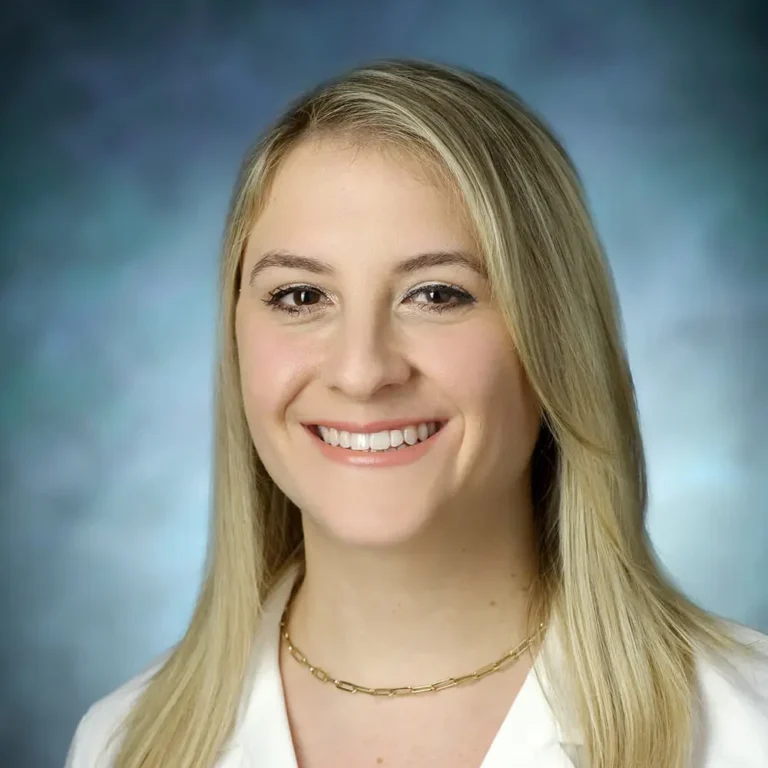
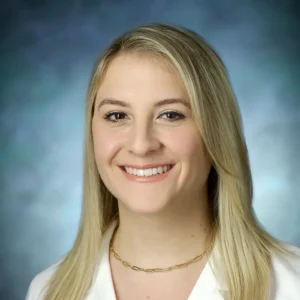
- Stephanie Tabashneck, Psy.D., J.D.: Bringing a dual-perspective as both a psychologist and a legal scholar, Dr. Tabashneck will pivot the conversation toward the judiciary, exploring how scientific evidence is—or is not—utilized when judges and juries make life-altering decisions.
The event is free and open to the public, though registration is mandatory. The Petrie-Flom Center has confirmed that the session will be recorded and captioned, ensuring that the critical insights shared will be accessible to practitioners, students, and policymakers who cannot attend the live session.
Chronology: The Evolution of a Scientific Debate
The trajectory leading to this panel reflects a broader shift in American public health policy. For decades, addiction was viewed primarily through a moral lens, emphasizing personal failing and criminal culpability. However, the late 20th and early 21st centuries saw a revolution in neuroimaging and chemical research.
- The 1990s and 2000s: The emergence of advanced fMRI and PET imaging allowed researchers to visualize the reward circuitry of the brain, demonstrating that addiction fundamentally alters neural pathways.
- 2010s: The opioid crisis acted as a catalyst, forcing the legal system to grapple with the reality that criminalization was failing to stem the tide of overdose deaths. Courts began experimenting with "Drug Courts" and mandatory rehabilitation programs, though these often lacked rigorous scientific oversight.
- 2022: The Petrie-Flom Center’s initiative represents the current state of the debate—moving from "should we treat addiction as a disease?" to "how exactly do we integrate that scientific reality into the existing machinery of the law?"
The timeline of the event itself is tightly scheduled to ensure maximum engagement. Registrants will receive access links 24 hours prior to the event, with final registration cutoff set for 11:30 a.m. on the day of the discussion, emphasizing the urgency and professional focus of the gathering.
Supporting Data: Why the Science Matters
To understand the necessity of this panel, one must look at the data surrounding the treatment gap. According to the Substance Abuse and Mental Health Services Administration (SAMHSA), millions of Americans meet the criteria for a substance use disorder, yet only a fraction receive evidence-based care.
The science that Dr. Evins is expected to present centers on the "reward system" of the brain, particularly the role of dopamine and the prefrontal cortex. When a person suffers from addiction, the "top-down" control mechanisms of the brain—responsible for impulse regulation and decision-making—are significantly weakened.
- Neuroplasticity: Research indicates that addiction is a chronic, relapsing condition characterized by changes in brain structure.
- Treatment Efficacy: Studies show that when medication-assisted treatment (MAT) is combined with behavioral therapy, the success rates for long-term sobriety increase significantly compared to incarceration-only models.
- The Judicial Gap: Current legal data suggests that judges often lack training in neurobiology, leading to inconsistent sentencing. For instance, two defendants with similar clinical profiles may receive vastly different outcomes depending on the jurisdiction, the judge’s personal philosophy, and the availability of local resources.
This data underscores the panel’s central question: If the brain is physically compromised by addiction, how can the law continue to hold individuals to the same standards of "willful intent" as a person without a neurological disorder?
Official Perspectives: The Experts Speak
The panel organizers at the Petrie-Flom Center emphasize that this is a collaborative effort. By inviting a multidisciplinary team—a medical doctor and a legal-psychological expert—they are deliberately avoiding the "silo effect" that often plagues academic discourse.
Dr. Eden Evins has long argued that addiction should be treated with the same scientific rigor as diabetes or hypertension. Her inclusion in this panel signals a focus on moving away from the "moral failing" narrative toward a clinical one.
Dr. Stephanie Tabashneck’s role as the moderator and legal expert is equally critical. Her work frequently touches upon the "Daubert standard," which dictates the admissibility of scientific expert testimony in court. The challenge, she has noted in previous scholarship, is that scientific progress moves at a pace much faster than the slow, deliberate evolution of legal precedent. Her discussion will likely focus on how legal professionals can better interpret expert testimony so that it aids, rather than confuses, the judicial process.
Implications: The Future of Law and Neuroscience
The implications of this panel extend far beyond the walls of Harvard Law School. If the legal system successfully integrates the neuroscience of addiction, we may see several paradigm shifts:
1. Sentencing Reform
If addiction is proven to be a disease that hampers decision-making, the current "tough on crime" approach regarding drug possession may be deemed incompatible with modern medicine. We could see a rise in "neuro-informed" sentencing, where rehabilitation is prioritized over punitive detention.
2. Child Welfare and Custody
Family law is arguably one of the most contentious areas regarding addiction. Understanding the neuroscience of relapse could change how courts view parental fitness, perhaps shifting the focus from total abstinence to harm reduction and sustained engagement with treatment.
3. Policy and Legislative Advocacy
The #LawAndNeuro conversation, hosted on Twitter, is intended to serve as a hub for public participation. By engaging the public directly, the organizers hope to build a grassroots demand for policy changes that reflect medical reality. This could influence everything from how insurance companies cover addiction treatment to how state legislatures allocate funds for public defenders who need access to expert neuro-consultants.
4. Professional Training
This event highlights a growing need for continuing legal education (CLE) credits focused on neuroscience. Lawyers are increasingly finding themselves in cases where brain health is a central component, and they are currently under-equipped to challenge or present evidence effectively.
Conclusion: A Call to Action
The Petrie-Flom Center’s panel is not merely an academic exercise; it is a necessary intervention in a system that is currently struggling to keep pace with the complexities of human biology. By bringing the science of addiction to the forefront of the legal conversation, Harvard Law School is setting a standard for how academic institutions can drive social change.
For those interested in participating, the virtual nature of the event provides a unique opportunity for global engagement. Whether you are a legal practitioner, a clinician, or a student of social policy, the opportunity to contribute via the #LawAndNeuro hashtag ensures that the conversation remains dynamic and inclusive.
As we look toward the future, the integration of science and law will be the defining challenge of our justice system. The question remains: Are we ready to let the evidence lead the way?
Event Details:
- Topic: The Science of Addiction
- Hosted by: The Petrie-Flom Center for Health Law Policy, Harvard Law School
- Registration: Register via Constant Contact
- Social Media: Follow @PetrieFlom and join the discussion using #LawAndNeuro