








July 14, 2026 – For decades, the recovery community has operated on the front lines of one of the most pressing public health crises in American history. From Recovery Community Organizations (RCOs) providing peer support to local coalitions fighting for systemic policy shifts, the advocacy sector is the bedrock of sustained sobriety and wellness. However, a recurring hurdle has remained: the labyrinthine process of federal budget and appropriations.
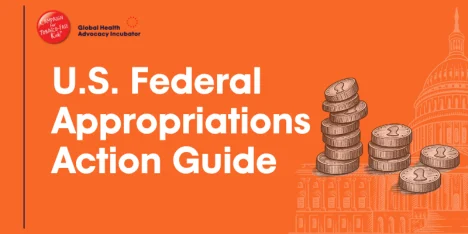
To bridge the gap between grassroots passion and high-level legislative influence, the Overdose Prevention Initiative at the Global Health Advocacy Incubator (GHAI) has launched a groundbreaking resource: the U.S. Federal Appropriations Action Guide. Released this week, the guide aims to demystify the complex world of federal funding, transforming how recovery advocates engage with the halls of power in Washington, D.C.
The Main Facts: Why Appropriations Matter
At the heart of the recovery movement is the understanding that clinical treatment is only one part of a complex ecosystem. True, long-term recovery requires sustained investment in housing, peer support services, community education, and overdose prevention infrastructure.
Federal funding is the fuel for this engine. However, the appropriations process—the legislative act of deciding how much money federal agencies like SAMHSA (Substance Abuse and Mental Health Services Administration) or the CDC receive—is notoriously opaque.
The U.S. Federal Appropriations Action Guide serves as a "field manual" for advocates. It translates complex budgetary jargon into actionable intelligence. By providing a clear roadmap of the fiscal year—including the crucial "markup" sessions and the submission of appropriations requests—the guide empowers advocates to move beyond general awareness and into targeted, high-impact advocacy.
Chronology: The Lifecycle of a Federal Dollar
Understanding the timeline is the first step toward effective advocacy. Federal funding does not happen in a vacuum; it follows a rigid, cyclical schedule that many organizations miss simply because they are unaware of the internal "clock."
1. The President’s Budget Request (February)
The process typically kicks off in early spring when the Executive Branch submits its budget proposal to Congress. This document serves as a baseline, signaling the administration’s priorities for the upcoming fiscal year.
2. The Congressional Budget Resolution (Spring)
Congress reviews the President’s request and passes a budget resolution, which sets the overall spending limits for the federal government. For recovery advocates, this is the time to begin mobilizing letter-writing campaigns and scheduling initial meetings with local representatives.
3. Appropriations Subcommittees (Late Spring/Summer)
This is the most critical window. The House and Senate Appropriations Committees break the budget into 12 subcommittees. Each subcommittee holds hearings and "marks up" bills. The GHAI guide emphasizes that this is the moment when specific language—such as funding for recovery housing or peer support training—can be inserted into the text of the bill.
4. Conference and Floor Votes (Fall)
The House and Senate must reconcile their differences in their respective bills. Often, this results in a "continuing resolution" or a "bus" (omnibus) spending package. Advocates who have built relationships throughout the summer are better positioned to influence these final, high-stakes negotiations.
Supporting Data: The Need for Sustained Investment
The urgency of this guide is underscored by the current landscape of the overdose crisis. According to the most recent data, the recovery sector remains drastically underfunded compared to the scale of the addiction epidemic.
- The Funding Gap: While billions are allocated for acute medical responses, RCOs often struggle to secure multi-year grants that allow for long-term community planning.
- The Impact of Peer Support: Research consistently shows that peer-led interventions reduce recidivism and emergency department utilization. Yet, the federal mechanism to fund these services is often fragmented across multiple departments.
- Advocacy Effectiveness: Studies on civic engagement indicate that organizations that engage in "insider advocacy"—providing data-driven testimony and specific policy language to staffers—are 40% more likely to see their priorities reflected in committee reports compared to those that rely solely on public protests.
The U.S. Federal Appropriations Action Guide provides the templates required to participate in this "insider advocacy," offering report language that advocates can provide directly to Congressional aides, who often rely on external experts to draft the nuances of spending bills.
Official Responses: Voices from the Field
"Recovery advocates know that strong recovery support services depend on sustained investment," says a spokesperson for the recovery movement. "Yet, the process has long been a ‘black box’ for many grassroots leaders."
The collaboration between the recovery community and the Global Health Advocacy Incubator is being hailed as a vital evolution in the movement. By merging the technical expertise of the GHAI with the lived experience of the recovery community, the initiative is creating a new standard for advocacy.
"The goal is to ensure that when a legislator sits down to sign a bill, they are doing so with a clear understanding of what the recovery community needs, based on the concrete, evidence-based recommendations provided by the people on the ground," notes an analyst involved in the guide’s development.
Implications: A New Era of Advocacy
The release of this guide marks a transition from a reactive posture to a proactive one. For too long, the recovery community has been forced to play defense—fighting against budget cuts or pleading for emergency allocations. With this resource, advocates can now engage in the "proactive appropriation" process, where they define the needs before the budget is even drafted.
Democratizing Power
The inclusion of plain-language templates for testimony and sign-on letters is a major step toward democratizing the advocacy process. Small-town RCOs, which often lack the budget for high-priced lobbying firms, now have the tools to present a professional, persuasive case to their representatives.
Strengthening Coalitions
The guide also encourages cross-sector collaboration. By providing a shared language and a shared calendar, it allows disparate groups—from housing advocates and healthcare providers to faith-based organizations—to coordinate their lobbying efforts. A unified voice is significantly harder for a legislator to ignore.
Long-Term Sustainability
Ultimately, the success of the recovery movement will be measured by its ability to secure institutional support. By mastering the appropriations process, the movement ensures that the services provided today will have the funding to exist tomorrow.
Call to Action: How to Engage
The U.S. Federal Appropriations Action Guide is not merely a document to be read; it is a tool to be utilized. Recovery advocates are encouraged to:
- Download the Resource: Visit the Global Health Advocacy Incubator website to access the full guide.
- Identify Your Targets: Use the guide to identify which members of your state’s delegation sit on the Appropriations Committees.
- Utilize the Templates: Do not reinvent the wheel. Use the provided testimony and report language templates to start conversations with your representatives.
- Share the Knowledge: Distribute the guide to your networks, coalition partners, and local government officials.
As the recovery community continues to grow in strength and influence, the ability to navigate the federal budget process will be the ultimate litmus test for the movement’s maturity. By turning the complexity of Washington into a manageable process, advocates are ensuring that the voices of those in recovery are not just heard, but are fundamentally integrated into the fiscal future of the United States.
The path forward is clear: sustained advocacy, data-driven requests, and a relentless focus on the funding streams that save lives. With the right tools in hand, the recovery community is better equipped than ever to shape the policies that will define the next generation of public health.