








By Jackie Keating, LCSW
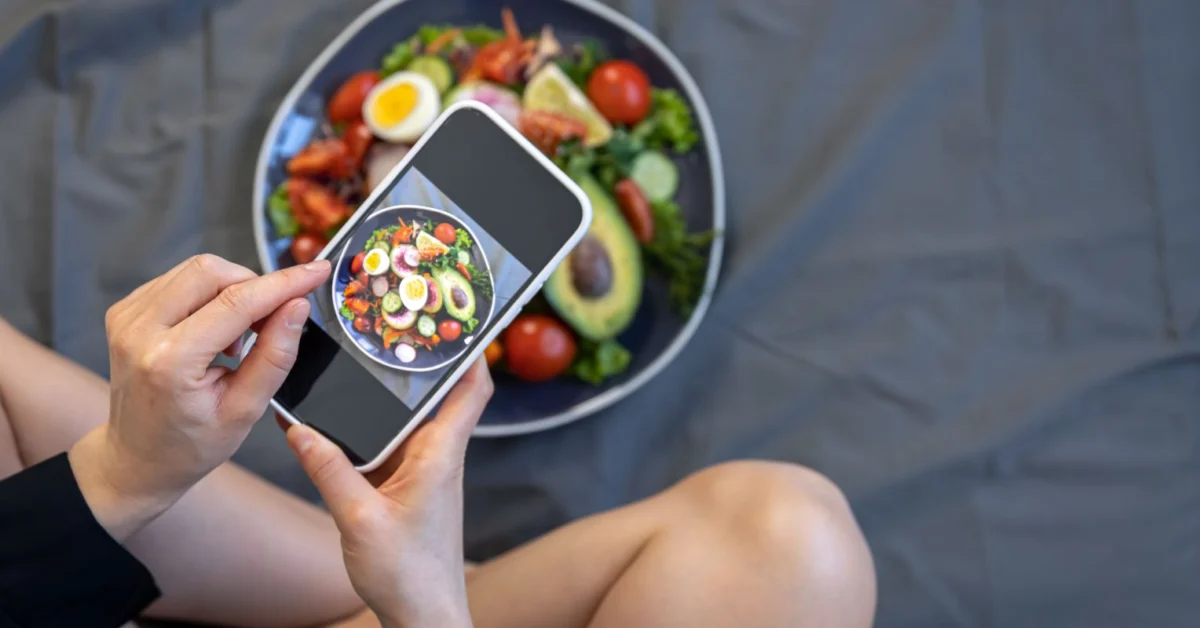
It is a familiar Sunday night ritual for millions. You are lying in bed, the glow of your smartphone screen the only light in the room. You open an app—Instagram, TikTok, or X—looking for a brief moment of distraction. Almost immediately, your feed is populated by the curated lives of strangers. An influencer shares a "What I Eat in a Day" video, showcasing a regimen devoid of carbohydrates and alarmingly low in calories. Another creator attempts to normalize substance use as a humorous "mom-needs-wine" coping mechanism. Interspersed between these posts are aggressive advertisements for fitness programs, promising that a life can be "fixed" in three simple steps.
By Monday morning, this digital narrative bleeds into physical reality. A coworker discusses a restrictive new diet; a friend mentions they need to "get ready for summer"; a celebrity endorses a new plant-based miracle regimen. The messages are omnipresent, consistent, and increasingly dangerous. While social media was designed to foster connection, it has evolved into a powerful engine for diet culture—a system of beliefs that equates thinness with health and happiness, often at the expense of psychological and physical well-being.
The Architecture of Influence: How Diet Culture Profits from Insecurity
Diet culture is a multibillion-dollar industry that thrives on the exploitation of human vulnerability. It creates a cycle where individuals are encouraged to seek external validation through physical transformation. When that transformation inevitably fails to deliver the promised "perfect" life, the resulting shame, guilt, and anxiety often drive the individual to consume more products, subscribe to more plans, and follow more influencers.
The Economics of Wellness
The "wellness" market is no longer a niche interest; it is a global juggernaut. According to data cited by Finklea (2025), the wellness sector was valued at $160 billion in 2024. Projections suggest this figure could skyrocket to $360 billion by 2034. This growth is fueled by a relentless stream of digital content—fitness trends, restrictive diet plans, and "bio-hacking" hacks—that monetize insecurity.
Digital creators often use a two-pronged approach to sustain this growth: they promote specific, often expensive, products while simultaneously demonizing entire food groups. This "all-or-nothing" mentality creates a moral hierarchy of food, where "clean" eating is equated with morality and "indulgent" eating is associated with character failure. By fat-shaming those who do not adhere to these arbitrary standards, influencers maintain a sense of superiority that keeps their audience trapped in a loop of self-correction.
The Hidden Costs of the "Perfect" Aesthetic
Beneath the polished images of influencers lies a darker, often hidden reality. Extreme restriction, chronic fasting, and compulsive exercise are frequently masked as "health and wellness." This performative lifestyle ignores the fact that health is a state unique to the individual.
The consequences are stark. Research from The REACH Institute (2025) indicates that 46% of teens aged 13–17 report feeling worse about themselves after engaging with social media. Perhaps more alarmingly, individuals who spend more than three hours a day on these platforms are twice as likely to develop eating disorders compared to their peers with lower screen time. The digital mirror is not merely reflecting reality; it is distorting it, creating an impossible standard that contributes to rising rates of depression, anxiety, and body dysmorphia.
The Intersection of Eating Disorders and Substance Use
One of the most concerning developments in modern clinical psychology is the increasing overlap between Eating Disorders (EDs) and Substance Use Disorders (SUDs). While they may present differently—one focusing on the control of food and the other on the consumption of chemicals—they share a common root: both are maladaptive coping mechanisms used to navigate emotional distress, trauma, and societal pressure.
A Shared Mechanism of Avoidance
For many, the restrictive habits of an eating disorder are used to manage feelings of helplessness or stress. Similarly, alcohol and drugs are often used as tools for emotional regulation or avoidance. The National Eating Disorders Association (NEDA, 2023) reports that approximately 50% of people struggling with an eating disorder also misuse alcohol or drugs.
This is not a coincidence. Research by Xi and Galaj (2025) highlights an "interdependent relationship" between the two. The physiological stress of starvation can exacerbate the need for chemical sedation, while the inhibitory effects of certain substances can lead to the impulsive behaviors characteristic of binge eating or purging. Social media exacerbates this by glamorizing both. On platforms like TikTok and Instagram, "drunkorexia"—a colloquial term for restricting calories to compensate for alcohol consumption—is often presented as a lifestyle hack, effectively normalizing life-threatening behaviors.
The Lethality of Co-Occurring Disorders
When eating disorders and substance use disorders converge, the results are frequently catastrophic. Anorexia nervosa already holds the highest mortality rate of any psychiatric condition; the addition of substance misuse complicates an already fragile physiological state.
Mortality and Risk Factors
Studies have shown that the presence of alcohol or drug misuse in individuals with an eating disorder can nearly quadruple their risk of mortality (Mellentin et al., 2022). The combination of extreme nutrient deficiency, electrolyte imbalances, and the toxic effects of substances puts a severe strain on the heart, liver, and brain.
Furthermore, the prevalence of suicidal ideation and attempts is significantly higher in this cohort. The combination of mood disorders, anxiety, and the loss of impulse control associated with substance use creates a "perfect storm" for crisis. As noted by SAMHSA (2025), early intervention is not just a clinical preference; it is a lifesaving necessity.
Fragmented Care: The Challenge of Clinical Integration
Despite the clear evidence that EDs and SUDs are often two sides of the same coin, the current healthcare landscape remains largely segregated. Patients are frequently forced to navigate a "whack-a-mole" system of recovery. They may be treated in an eating disorder facility that is ill-equipped to manage substance withdrawal, or they may enter a drug rehabilitation center that lacks the nutritional expertise to address severe starvation.
The Need for an Integrative Approach
The current model of care is often dictated by insurance structures and specialized facilities, leaving patients to fall through the cracks. Pierce, Joy, and David (2025) emphasize that recovery requires an integrative approach—one that treats the individual, not just the symptom.
Effective treatment must address the biological, psychological, and sociocultural factors simultaneously. This includes:
- Trauma-Informed Care: Recognizing that both EDs and SUDs often stem from unresolved trauma.
- Nutritional Rehabilitation: Providing medical support to restore physiological function before or alongside cognitive therapy.
- Sociocultural Deconstruction: Helping patients understand and push back against the diet culture messages that triggered their behaviors in the first place.
Looking Forward: Reclaiming Health in a Profit-Driven World
The struggle against diet culture is not just a personal journey; it is a broader movement for public health. As the wellness industry continues to grow, it is essential that we develop a more critical eye toward the "influence" we consume.
Clinical care must adapt to meet the reality of co-occurring disorders, prioritizing collaborative care teams over fragmented treatment silos. Moreover, society must advocate for media literacy programs that teach young people to deconstruct the harmful imagery they consume daily.
Ultimately, reclaiming health in a world that profits from our struggles requires a radical shift in perspective. It means rejecting the notion that our bodies are projects to be optimized and recognizing them as vessels that deserve nourishment and respect, regardless of the aesthetic standards imposed by a screen. We must move beyond the "three simple steps" of the influencers and toward a more nuanced, compassionate, and evidence-based understanding of what it truly means to be well.
References
- Dane, A., & Bhatia, K. (2023). The social media diet: A scoping review to investigate the association between social media, body image and eating disorders amongst young people. PLOS Global Public Health, 3(3).
- Finklea, K. (2025, February 28). The wrong influence: The link between diet culture and eating disorder. HopeHealth.
- Gordon, K. H., et al. (2023). Co-occurring substance use and eating disorders. Psychiatric Times.
- Hambleton, A., et al. (2022). Psychiatric and medical comorbidities of eating disorders. Journal of Eating Disorders, 10(1).
- Mellentin, A. I., et al. (2022). The impact of alcohol and other substance use disorders on mortality in patients with eating disorders. The American Journal of Psychiatry, 179(1).
- Pierce, S., Joy, J. M., & Wiss, D. A. (2025). Abstinence-based treatment of comorbid eating disorders and ultra-processed food addiction. Frontiers in Psychiatry, 16.
- The REACH Institute. (2025, May 10). How social media is impacting teens.
- Xi, Z.-X., & Galaj, E. (2025). Novel potential pharmacological approaches in treating eating disorders comorbid with substance use disorders. Biomedicine & Pharmacotherapy, 189.