







30 September, 2026
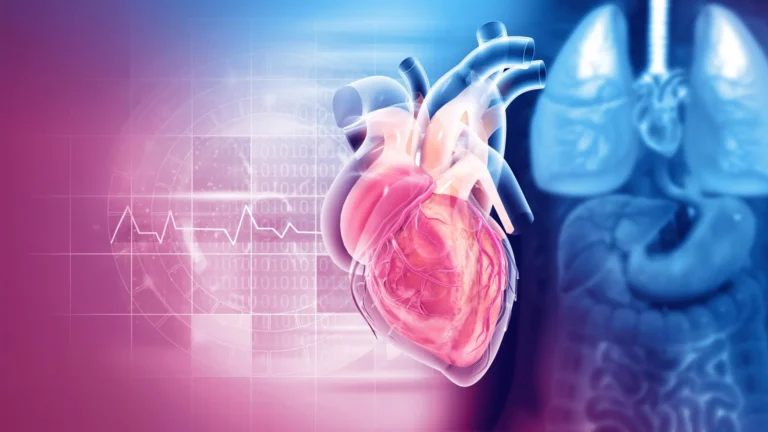
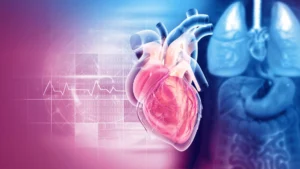
In a significant policy shift that promises to reshape preventive medicine across the continent, the European Commission has officially recommended the inclusion of respiratory function testing within standard cardiovascular health assessments. This milestone follows years of persistent, evidence-based advocacy from the European Respiratory Society (ERS) and the European Lung Foundation (ELF). By acknowledging that the heart and lungs operate as an inseparable physiological unit, the Commission is paving the way for a more holistic approach to chronic disease management, moving away from fragmented, organ-specific care.
The Core Mandate: A Unified Approach to Prevention
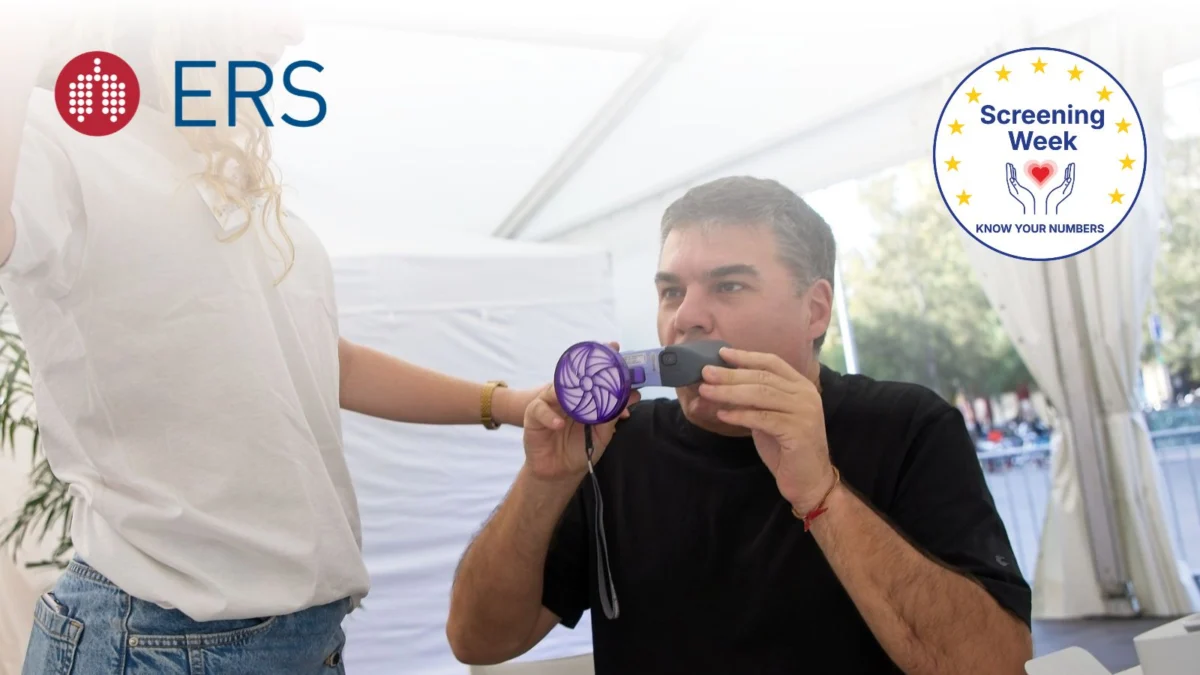
The new recommendation, directed toward the European Council, serves as a formal mandate for EU Member States to recalibrate their public health strategies. Specifically, the Commission advises that health authorities incorporate respiratory function tests—such as spirometry—into routine health assessments for citizens aged 35 to 65, as well as those under 35 who may be at risk.
This decision marks a departure from traditional screening paradigms, which have historically treated cardiovascular and pulmonary health as distinct silos. By folding respiratory screenings into cardiovascular health checks, the EU aims to alleviate the mounting socioeconomic and clinical burden of lung diseases, which often remain undiagnosed until they reach advanced, irreversible stages.
Chronology of the Advocacy Campaign
The path to this policy change was paved by a multi-year effort led by the ERS and its partners. The campaign gained momentum through a series of strategic initiatives:
- Early Advocacy: ERS leadership identified that the rising prevalence of chronic obstructive pulmonary disease (COPD) and heart failure necessitated a cross-specialty response.
- The "Know Your Numbers" Campaign: This public-facing initiative served as the primary vehicle for awareness, encouraging citizens to understand their personal health metrics.
- EU Screening Week 2026: Acting as a catalyst for political engagement, this week featured over 800 events across Europe. These events were not merely educational; they provided real-world data to policymakers, demonstrating that respiratory testing is both feasible and highly effective when integrated into routine community health checks.
- The Commission’s Recommendation: On 30 September 2026, the European Commission formally recognized the necessity of these tests, codifying the shift in its recommendation to the Council.
Why the Heart and Lungs Must Be Screened Together
The medical rationale for this integration is rooted in the "cardiopulmonary continuum." Experts argue that the heart and lungs share common physiological stressors, including tobacco use, sedentary lifestyles, and obesity.
Shared Risk Factors and Co-morbidities
Cardiovascular and pulmonary diseases rarely exist in isolation. Conditions such as COPD, atrial fibrillation, and coronary artery disease frequently overlap. According to recent clinical studies, a measurable decline in lung function is often a precursor—a "canary in the coal mine"—for future cardiovascular events. By failing to screen for both simultaneously, health systems have historically risked misdiagnosing patients or treating symptoms while the underlying cause remains obscured.
The Problem of Masked Symptoms
Breathlessness, often dismissed by patients as a natural byproduct of aging or a lack of physical fitness, is a hallmark symptom of both heart failure and lung disease. When these conditions coexist, a patient’s primary care physician may attribute breathlessness solely to a known cardiac issue, effectively masking a developing pulmonary condition. This diagnostic "blind spot" is a primary target of the new EU recommendation.
Perspectives from the Field: Expert Testimony
To understand the implications of this policy, it is essential to look at the insights of those at the intersection of cardiology and pulmonology.
Alberto Giannoni: The Need for Practical Integration
Dr. Alberto Giannoni, Assistant Professor at the Scuola Superiore Sant’Anna (SSSA) in Pisa, Italy, emphasizes that the transition must be grounded in clinical reality. "A respiratory health check should start with listening to the patient, followed by objective examination, appropriate testing, and a clear pathway to care," Dr. Giannoni states.
He highlights that the integration of these screenings is not just about adding a test; it is about changing the clinical conversation. "If we attribute every symptom to the existing diagnosis, such as heart failure, we miss an opportunity to intervene. Heart failure can affect breathing, and lung disease can place additional strain on the heart, such as through pulmonary hypertension."
Marielle van de Veerdonk: Moving Beyond Silos
Dr. Marielle van de Veerdonk, a specialist in heart failure and pulmonary hypertension, underscores the economic and clinical efficiency of this approach. "Instead of treating the heart and lungs as separate medical specialties, we should shift towards unified cardiopulmonary risk assessments," she argues.
Dr. van de Veerdonk points out that patients with complex conditions, such as pulmonary arterial hypertension, often suffer worse outcomes when their comorbidities are not managed simultaneously. "Combining these checks into a single clinical pathway maximizes patient outcomes, lowers healthcare costs, and improves life-saving preventive care," she adds.
Implications for Public Health and Healthcare Delivery
The integration of respiratory testing into European health checks has profound implications for how healthcare is delivered in the EU.
Standardizing the Patient Journey
The goal is to create a "one-stop-shop" for screening. This requires:
- Standardized Protocols: Agreed-upon sets of questions regarding symptoms and exposures (smoking, occupational hazards) for primary care providers.
- Access to Quality Assurance: Ensuring that diagnostic tools, such as high-quality spirometers, are available in primary care settings, not just tertiary hospitals.
- Defined Care Pathways: Ensuring that an abnormal test result triggers an immediate, clear referral path, preventing the "dead-end" that currently exists in many screening programs.
Addressing Health Inequities
A critical component of the Commission’s strategy is ensuring that this new standard of care reaches rural and underserved communities. The use of telemedicine and decentralized testing hubs will be essential to ensure that the socioeconomic divide in health outcomes does not widen. By bringing testing closer to the patient, the EU aims to reduce the geographical disparities currently seen in the diagnosis and management of chronic respiratory conditions.
Economic Impact
While the initial rollout of widespread respiratory testing requires an investment in equipment and training, the long-term economic impact is expected to be positive. Early detection of COPD and heart failure prevents expensive hospitalizations, reduces the need for emergency interventions, and allows patients to remain in the workforce for longer, thereby mitigating the economic burden of chronic illness on the European economy.
A Future-Proofing Strategy
As the European Council reviews the Commission’s recommendations, the message from the scientific community is clear: the era of fragmented medicine must end.
The success of the "Know Your Numbers" campaign and the enthusiasm surrounding EU Screening Week suggest that there is strong public appetite for more comprehensive health checks. By embracing a unified approach, European health systems are not just treating diseases; they are fostering a culture of prevention that addresses the patient as a whole.
For medical professionals, the task ahead involves education—not only of their peers but of their patients. As Dr. van de Veerdonk notes, "We must make them aware of the shared risk factors and place a stronger focus on timely recognition."
Ultimately, the inclusion of respiratory health in routine screenings is a vital step toward a healthier, more resilient Europe. It is a recognition that the heart and lungs, which work in tandem to sustain every second of our lives, deserve to be monitored with the same level of unity and precision.
For further information: