









For millions of Americans, the day begins not with the sun, but with the familiar, intrusive thrum of chronic pain. It is an invisible burden—a condition that exists in the nerves and tissues of the sufferer but often remains shielded from the view of the outside world. Yet, when these millions of individual experiences are synthesized, they form a powerful, undeniable chorus.
The U.S. Pain Foundation, through years of rigorous national surveys, peer-led support groups, and intimate clinical observations, has spent decades cataloging these narratives. What emerges is not merely a list of grievances, but a blueprint for systemic change. By analyzing the experiences of those living with persistent pain, we can identify critical gaps in medical training, social understanding, and healthcare policy.
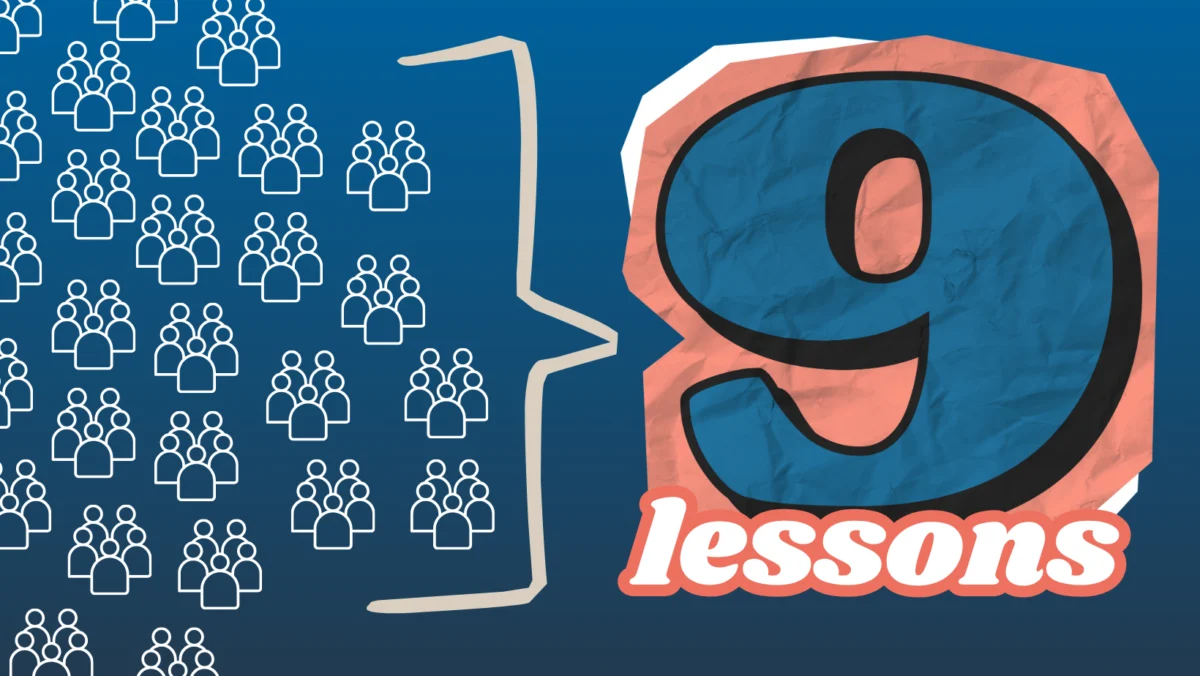
Here are nine fundamental lessons derived from the lived experiences of the chronic pain community, providing a roadmap for how we can collectively move forward.
1. Listening Before Assuming: The Foundation of Care
The most recurring theme in the history of chronic pain is the feeling of being dismissed. Patients are accustomed to the phrase, "I don’t know"—a phrase that often marks the end of a medical inquiry rather than the beginning of a collaborative journey.
Beyond the clinical setting, individuals face an onslaught of unsolicited advice. "Have you tried yoga?" or "Maybe it’s just stress?" are phrases that, while often well-intentioned, serve to alienate the sufferer. As one survey respondent noted, "I have been living this way for almost a decade. I’ve seen every specialist. It is exhausting constantly nodding along when people chime in."
The primary lesson here is simple yet profound: Listening is an intervention. For those in pain, the act of being believed is therapeutic in itself. Validation acknowledges that their struggle is real, which helps mitigate the profound psychological isolation that often accompanies physical disability.
2. The Patient as the Primary Subject-Matter Expert
Modern medicine relies heavily on objective metrics—blood panels, imaging, and standardized pain scales. However, these tools often fail to capture the nuances of daily existence. Patients, including children and adolescents, possess a deep, granular understanding of their own physiology that clinical charts frequently overlook.
According to the U.S. Pain Foundation’s 2025 national survey on youth, 19% of children and teens do not feel believed by adults, and 61% report being only "sometimes" trusted regarding their own pain levels. This lack of trust is a significant barrier to effective treatment. Whether a patient is seven or seventy, their report on their own condition must be treated as the baseline for clinical decision-making.
3. Shifting the Paradigm: From Pain Reduction to "More Life"
There is a fundamental misalignment between patient goals and clinical metrics. While providers are trained to target pain intensity, patients are often more interested in functional restoration.
"All we want is a chance for a life," is a sentiment echoed across demographics. For many, success is not a pain score of zero; it is the ability to maintain employment, parent a child, or enjoy a hobby. By framing treatment success around the preservation of identity and social contribution, the healthcare system can shift from an eradication-only model to a holistic quality-of-life model.
4. The Myth of the "One-Size-Fits-All" Cure
Chronic pain is not a monolith. It is a complex, individualized experience. Even among patients with identical diagnoses, the efficacy of treatments varies wildly. Despite this, the current healthcare infrastructure often relies on rigid, standardized protocols that leave little room for experimentation.
Research, including reports from the Pain Management Best Practices Inter-Agency Task Force, emphasizes that multidisciplinary care—combining pharmacotherapy, physical therapy, behavioral health, and integrative approaches—is the gold standard. However, the current system places the burden of coordinating this "care symphony" on the patient. Without insurance coverage for integrative services or a primary care lead to coordinate specialists, many patients are left to navigate a fractured, unaffordable landscape.
5. The Architecture of Inequality: Access to Care
The existence of a treatment is irrelevant if it is inaccessible. The U.S. Pain Foundation’s 2022 and 2025 data highlight a stark reality: structural barriers such as insurance denials, geographic distance, and high out-of-pocket costs prevent patients from receiving care.
Nearly one-quarter of respondents with a household income under $50,000 reported having no access to a pain specialist at all. For these individuals, the "barrier to care" is not medical—it is economic and systemic. When patients spend 100+ hours fighting insurance companies for coverage, the dehumanizing nature of the process often exacerbates the very physical symptoms they are trying to treat.
6. The Intertwined Nature of Mental and Physical Health
The psychological toll of chronic pain is often pathologized, leading to the damaging, "it’s all in your head" narrative. In reality, the relationship between mental health and chronic pain is bidirectional.
Data from 2025 suggests that 85% of people living with pain feel overwhelmed by the combined weight of physical symptoms and mental health struggles. Recognizing this is not about suggesting the pain is "psychosomatic"; it is about acknowledging that the physical stress of long-term pain creates legitimate psychological consequences. A truly compassionate model treats the person as a whole, addressing the emotional fatigue without invalidating the physical origin.
7. The Power of Targeted Community and Peer Support
Isolation is the enemy of healing. Because chronic pain is often hidden, individuals—particularly those in marginalized groups, such as veterans—often feel that their specific experience is unique and untranslatable.
Peer support groups act as a lifeline. When a person with chronic migraines speaks to another person with the same condition, they bypass the need to "explain" or "justify" their pain. This shared language facilitates emotional regulation and provides practical, crowd-sourced "life hacks" that clinical settings rarely provide. Providing resources tailored to specific life stages and professional backgrounds is essential to fostering this connection.
8. The Ripple Effect: Supporting the Caregiver
Chronic pain is a family affair. It impacts spouses, parents, siblings, and children, all of whom operate within a "web of impact." Despite this, caregivers are rarely provided with the resources or the training they need.
The 2025 caregiver survey revealed that 94% of respondents experience emotional strain, yet fewer than one-third feel "truly prepared" for their roles. Siblings of children with chronic pain are often overlooked, frequently taking on premature caregiving responsibilities. To support the patient, we must support the caregiver, providing them with emotional, financial, and logistical resources to prevent burnout.
9. Elevating Lived Experience in Policy and Research
The final, and perhaps most critical, lesson is that those who live the reality of pain must have a seat at the table. Currently, many medical schools provide fewer than 10 hours of pain-specific education, and most research projects are designed without consulting patient advocates.
This gap is a failure of modern medicine. When researchers and policymakers design solutions in a vacuum, they miss the blind spots that only a patient can identify. By integrating lived experience into the design of clinical trials and the formulation of provider training programs, the healthcare system can evolve from a reactive, top-down structure to a responsive, collaborative partnership.
Moving Toward a Future of Inclusion
These nine lessons represent more than just statistics; they are a clarion call for empathy and systemic reform. Listening is merely the starting point. The true objective is to translate these insights into concrete, structural change.
We envision a healthcare future where:
- Medical education evolves to treat pain as a core competency, not an elective.
- Insurance policies prioritize the patient’s quality of life over short-term, low-cost "solutions" that fail to manage the condition.
- Research becomes a partnership, with patients serving as architects of the studies that impact their own lives.
The chorus of voices living with chronic pain is growing louder. It is time for the medical, legislative, and social communities to listen—not just with the intent to reply, but with the intent to change. Every person living with chronic pain deserves more than just survival; they deserve to be heard, believed, and fully integrated into the life of their community.