









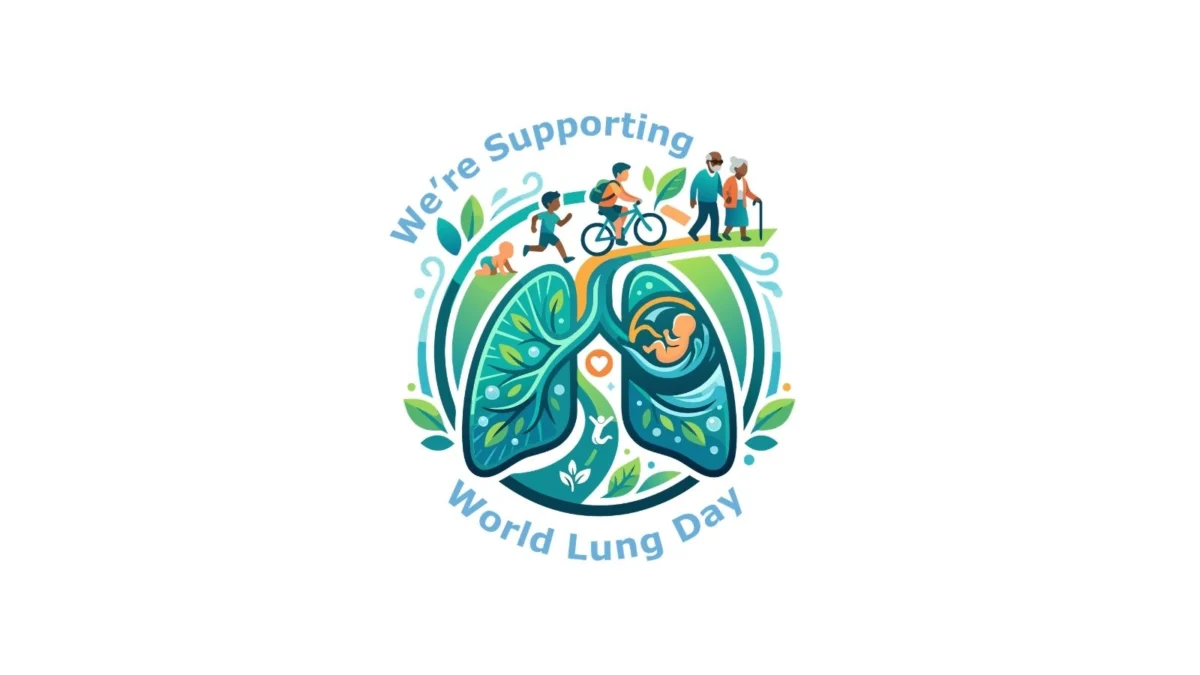
25 September, 2026 — As the global community marks World Lung Day 2026, the Forum of International Respiratory Societies (FIRS) has issued a sobering yet empowering mandate: respiratory wellness is not a static condition to be treated only in times of crisis, but a dynamic, lifelong process that begins before a person’s first breath and continues through their final years.
Under the theme “A Lifetime of Lung Health,” FIRS—an umbrella body representing nine of the world’s most prominent respiratory health organizations and over 100,000 professionals—is spearheading a global movement to shift the paradigm from reactive treatment to proactive, cradle-to-grave preservation of lung function.
The Main Facts: The Four Pillars of Respiratory Longevity
The core of this year’s initiative is the recognition that the lungs are perhaps the most vulnerable organ to environmental, behavioral, and biological stressors. FIRS has identified four critical, interconnected stages that define the health of our respiratory systems:
1. Healthy Lung Development
The narrative of lung health starts in utero. The rapid development of the lungs before birth and during the earliest stages of childhood creates a biological foundation that dictates future respiratory capacity. Protecting this development means shielding expectant mothers from air pollution, tobacco smoke, and infections, which can permanently alter the structural integrity of a child’s airways.
2. Healthy Lung Growth
As children mature into adolescents, their lungs reach their peak functional potential. This is a window of opportunity to implement preventative measures. By minimizing exposure to second-hand smoke, vaping, and poor indoor air quality in schools and homes, society can ensure that young people reach their physiological "ceiling" of lung health, providing a buffer against future illness.
3. Healthy Lungs Throughout Life
Adulthood is often a period of complacency regarding respiratory health. Yet, this is when occupational hazards, environmental pollutants, and lifestyle choices—such as smoking or sedentary behavior—exact their toll. Sustaining lung health during these decades requires robust healthcare access, early diagnostic screening for chronic conditions like COPD, and community-wide efforts to improve air quality.
4. Healthy Lung Ageing
As the global population ages, the challenge of maintaining respiratory function becomes paramount. Ageing is naturally associated with a decline in lung capacity, but this decline is accelerated by cumulative exposure to pollutants and untreated childhood or adult respiratory conditions. Healthy ageing requires a nuanced medical approach that differentiates between normal age-related changes and treatable, often overlooked, respiratory diseases.
Chronology of a Global Crisis and the Shift in Strategy
The trajectory of global respiratory health has reached a critical juncture. The following chronology outlines the evolution of the challenges we face today:
- Pre-2000s: Respiratory health was largely viewed through the lens of acute infectious disease control (such as tuberculosis and pneumonia). Chronic respiratory diseases were often relegated to "smoker’s diseases," lacking the nuanced understanding of environmental triggers.
- 2000–2015: The rise of urbanization and industrialization across emerging economies saw a sharp increase in chronic obstructive pulmonary disease (COPD) and asthma in non-smokers, highlighting the role of ambient air pollution.
- 2016–2020: The inception of World Lung Day by FIRS brought global attention to the "silent epidemic" of respiratory disease, emphasizing that air quality is a human rights issue.
- 2020–2022: The COVID-19 pandemic served as a brutal, worldwide reminder of the fragility of the human respiratory system, causing an unprecedented spike in interest regarding lung health, long-COVID, and the need for resilient health systems.
- 2023–2025: Increased focus on the "life-course approach." Scientific consensus shifted to view lung health as an cumulative "bank account"—what you deposit (good air, healthy lifestyle) and withdraw (pollution, smoking, illness) determines your health in later years.
- 2026 (Present): The launch of “A Lifetime of Lung Health” signals the transition from localized awareness to a systemic, intergenerational public health policy.
Supporting Data: The Burden of Respiratory Illness
The statistical reality of respiratory disease is stark. According to data consolidated by FIRS and allied health agencies, hundreds of millions of people worldwide suffer from chronic respiratory conditions.
- Global Prevalence: Over 500 million people live with chronic respiratory diseases, with COPD and asthma being the most prevalent.
- The Cost of Inaction: Respiratory diseases are among the leading causes of death and disability globally. The economic burden—measured in lost productivity, healthcare expenditures, and premature mortality—totals hundreds of billions of dollars annually.
- Environmental Impact: The World Health Organization (WHO) estimates that nine out of ten people breathe air containing high levels of pollutants. This accounts for an estimated 7 million premature deaths annually from air pollution-related illnesses, including strokes, heart disease, and lung cancer.
- The Tobacco Factor: Despite global anti-tobacco efforts, nicotine addiction remains a primary driver of lung disease. The emergence of e-cigarettes and vaping products has introduced new, yet-to-be-fully-understood risks to younger demographics, potentially reversing decades of progress in lung health awareness.
Official Responses: FIRS and the Call for Multi-Sectoral Cooperation
The leadership of the Forum of International Respiratory Societies emphasizes that the burden of lung disease is too heavy for healthcare systems to carry alone. In their official statement for 2026, FIRS representatives noted that "healthcare professionals are the final line of defense, not the first."
"We are calling for a fundamental shift in how governments and communities perceive respiratory health," said a FIRS spokesperson during the opening address of World Lung Day 2026. "It is not merely a clinical issue; it is an environmental, economic, and social one. When a child grows up in a neighborhood with high traffic congestion, their lungs are being shaped by that environment. We cannot expect physicians to ‘fix’ a lung that has been structurally damaged by systemic failure."
The organization is lobbying for:
- Stricter Air Quality Regulations: Aligning national air quality standards with the most recent, stringent WHO guidelines.
- Integrated Health Care: Moving away from silos where respiratory specialists only see patients when they are critically ill, and instead integrating lung health into routine pediatric and geriatric care.
- Community-Level Interventions: Encouraging the creation of "green zones," smoke-free public spaces, and mandatory filtration systems in schools and workplaces.
Implications: What Does This Mean for the Individual?
The primary implication of the 2026 theme is that individuals have more agency than they realize, provided they are supported by policy. "A Lifetime of Lung Health" moves the needle from reactive—"I have a cough, I will go to the doctor"—to proactive—"I will take steps to protect my lungs today so they function well in 30 years."
For Governments
The challenge is clear: public health policy must move beyond hospitals. Urban planning, industrial regulation, and social welfare programs are now, effectively, respiratory health programs. The economic incentive is high; the cost of preventing disease is a fraction of the cost of long-term oxygen therapy, intensive care, and lost labor hours.
For Healthcare Professionals
The medical community is being urged to embrace "respiratory literacy." This means educating patients not just on their current symptoms, but on the long-term trajectory of their lung health. It requires better, earlier screening tools to detect the early onset of decline, particularly in aging populations.
For the Individual
The message is one of advocacy and self-care. Individuals are encouraged to:
- Demand Clean Air: Participate in local community efforts to reduce emissions and improve air quality.
- Avoid Known Hazards: Commit to tobacco-free and vape-free living.
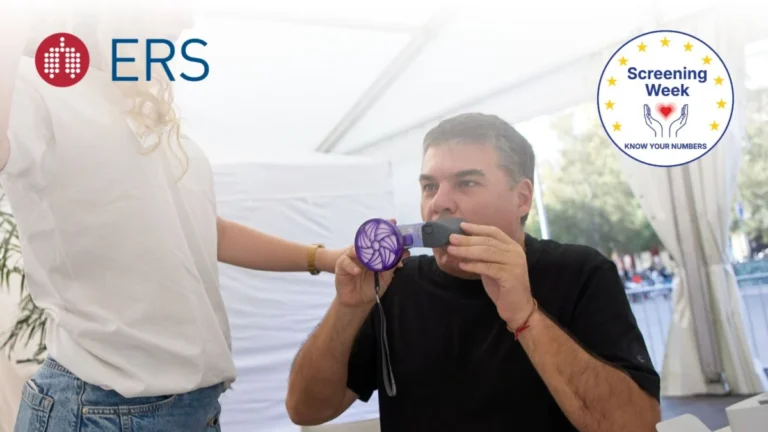
- Prioritize Screening: Understand that breathlessness is not a normal part of ageing. If you notice a decline in your ability to perform daily tasks, early intervention is critical.
- Advocate for Others: Use their voice to support policies that protect children and the elderly—the two most vulnerable groups in the population.
Conclusion: Breathing as a Shared Responsibility
As the world marks 25 September 2026, the message from the global respiratory community is clear: our lungs are our most vital link to the environment. They are the filter through which we experience the world, and their health is a testament to the health of our society.
By focusing on "A Lifetime of Lung Health," FIRS is challenging the world to stop viewing respiratory disease as an inevitable part of the human experience. Through structural change, environmental accountability, and a lifelong commitment to preventive care, we can ensure that the gift of breath is protected for every generation. The mission of World Lung Day 2026 is to ensure that when we speak of lung health, we are speaking of a lifelong journey, supported by every level of society, from the moment of birth until the final breath.