










Jacksonville, FL – In a significant leap forward for physical rehabilitation nationwide, Brooks Rehabilitation has announced its pioneering adoption of Lite Run™’s FDA-registered anti-gravity mobility technology. This strategic integration positions Brooks as the first inpatient rehabilitation hospital across the United States to offer this advanced system, fundamentally transforming how patients recover by enabling earlier, safer mobilization while simultaneously alleviating the immense physical demands on clinical staff. The move underscores Brooks Rehabilitation’s unwavering commitment to innovation and its relentless pursuit of superior patient outcomes, setting a new benchmark for rehabilitative care.
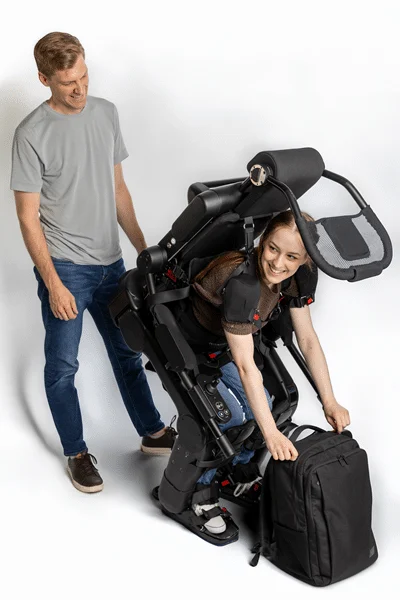
The revolutionary Lite Run system, which employs a patented wearable Exosuit and sophisticated low-pressure air technology, is engineered to precisely offload up to 150 pounds of a patient’s body weight. This controlled weight reduction not only dramatically mitigates the risk of falls but also empowers patients to maintain an upright posture, fostering active engagement in their therapy sessions. For a sector grappling with increasingly complex patient populations and persistent staffing challenges, this technology represents a critical advancement, promising enhanced recovery trajectories and a more dignified therapeutic experience.
A New Era in Rehabilitation: The Lite Run Technology
The landscape of physical rehabilitation is continuously evolving, driven by an urgent need for solutions that improve patient outcomes, enhance safety, and support the dedicated professionals on the front lines of care. Brooks Rehabilitation’s integration of Lite Run technology marks a pivotal moment in this evolution, introducing a paradigm shift in how early mobilization is approached.
Understanding the Innovation
At the heart of the Lite Run system lies a meticulously engineered combination of a wearable Exosuit and advanced low-pressure air technology. Unlike conventional gait training devices that often restrict movement to a treadmill or require significant manual assistance, Lite Run offers unparalleled freedom and flexibility. The Exosuit, custom-fitted to the patient, acts as a supportive exoskeleton, distributing the forces generated by the low-pressure air to gently lift and offload a portion of the patient’s body weight. This precise offloading can be adjusted incrementally, ranging from minimal support to a substantial 150 pounds, allowing therapists to tailor the intervention to each patient’s specific needs and progression.
The ingenuity of this system lies in its ability to create a controlled environment where patients can practice walking, balance, and other functional movements with reduced fear of falling. The anti-gravity support effectively negates the debilitating effects of gravity, which often hinder early mobilization for individuals with severe weakness, pain, or neurological impairments. By mitigating the risk of collapse or injury, Lite Run instills confidence in both patients and clinicians, paving the way for more intensive and effective therapy sessions. Furthermore, its mobility within the clinical setting allows for diverse, overground therapy scenarios, moving beyond the confines of traditional treadmills and into real-world environments crucial for functional independence. This adaptability supports more natural movement patterns, which are vital for neuroplasticity and motor relearning.
Bridging the Gap in Early Mobilization
The importance of early mobilization in the recovery process for a wide array of conditions, from post-surgical recovery to neurological rehabilitation, cannot be overstated. Prolonged immobility is a well-documented risk factor for numerous complications, including muscle atrophy, joint contractures, pressure ulcers, cardiovascular deconditioning, and even cognitive decline. Historically, the challenge has been safely and efficiently mobilizing patients who are medically fragile, severely weakened, or at high risk of falls. This often requires multiple clinicians for manual assistance, posing significant physical strain on staff and limiting the frequency and duration of therapy sessions.
Lite Run directly addresses this critical gap. By providing robust, dynamic support, the technology enables patients to get upright and move much earlier in their recovery trajectory than previously possible. This early intervention is not merely about physical activity; it has profound physiological and psychological benefits. Physiologically, it helps maintain muscle mass, improves circulation, enhances respiratory function, and accelerates wound healing. Psychologically, regaining the ability to stand and walk, even with assistance, can dramatically boost patient morale, reduce feelings of helplessness, and foster a sense of autonomy. This empowerment is a crucial, often underestimated, component of successful rehabilitation. For clinicians, it means they can focus more on therapeutic guidance and less on manual lifting and fall prevention, optimizing their expertise and preventing burnout. The ability to perform early, upright functional therapy is a cornerstone of modern rehabilitation, and Lite Run provides an unprecedented tool to achieve this safely and effectively.
The Journey to Adoption: Chronology and Evaluation
Brooks Rehabilitation’s decision to integrate Lite Run technology was not made lightly. It was the culmination of a meticulous, evidence-based evaluation process spearheaded by its renowned Center for Innovation, reflecting the institution’s commitment to adopting only the most impactful advancements.
Brooks’ Commitment to Innovation
At the core of Brooks Rehabilitation’s philosophy is an unwavering dedication to innovation, epitomized by its state-of-the-art Center for Innovation. This dedicated hub serves as a crucible for evaluating and testing cutting-edge technologies, ensuring that any new addition to Brooks’ therapeutic arsenal meets stringent criteria for effectiveness, safety, and patient benefit. The Center’s rigorous methodology involves extensive clinical trials, performance analyses, and comprehensive feedback loops from both patients and clinicians.
Mark Bowden, PhD, PT, VP for Clinical Integration and Research at Brooks Rehabilitation, articulated the depth of this commitment: “Through our Center for Innovation, Brooks evaluates and tests new and emerging technologies to determine their potential benefits for improving patient outcomes.” He further elaborated on the thoroughness of their assessment of Lite Run, stating, “After a months-long evaluation, Brooks was able to make an educated decision and determine that Lite Run filled a gap in helping specific patients safely and comfortably mobilize earlier with less staff assistance.” This statement highlights not only the scientific rigor applied but also the patient-centric lens through which all new technologies are viewed, ensuring they address real clinical needs and enhance the therapeutic journey. The "gap" identified was precisely the challenge of safely and efficiently mobilizing patients who were previously too frail or at too high a risk for conventional methods, thus unlocking new possibilities for recovery.
Strategic Deployment Across Key Facilities
Following the successful evaluation, Brooks Rehabilitation made a significant investment, purchasing three Lite Run devices. This strategic deployment reflects a thoughtful approach to maximizing the technology’s impact across its expanding network of facilities. One device each has been made immediately available for use at Brooks’ two Jacksonville, Florida, hospitals, which serve as flagship centers for advanced rehabilitation. These facilities cater to a diverse patient population with complex needs, making them ideal environments for demonstrating the technology’s versatility and effectiveness.
Looking ahead, the third Lite Run device is earmarked for the newest Brooks Rehabilitation hospital, slated to open in Phoenix, Arizona, on the prestigious Mayo Clinic campus. This expansion into a new geographical market, particularly in partnership with a world-renowned medical institution like the Mayo Clinic, underscores Brooks’ national leadership ambitions and its commitment to replicating its high standards of care across the country. The strategic placement of these devices ensures that a broad spectrum of patients, from those recovering from acute injuries to individuals managing chronic neurological conditions, will have access to this transformative technology, solidifying Brooks’ reputation as a forward-thinking leader in rehabilitative medicine. This careful rollout plan also allows for continuous data collection and refinement of clinical protocols, further embedding Lite Run into the fabric of Brooks’ comprehensive rehabilitation programs.
Supporting Data and Clinical Impact
The integration of Lite Run technology is not merely an operational upgrade; it represents a profound enhancement to clinical practice, promising quantifiable benefits for patients and significant improvements in clinician efficiency and safety. The data gathered during Brooks’ evaluation period, combined with Lite Run’s inherent design capabilities, paints a clear picture of its transformative potential.
Quantifiable Benefits for Patients
For patients grappling with severe mobility impairments, the benefits of early and safe mobilization are multifaceted and profound. The Lite Run system directly addresses the critical need for upright functional therapy in conditions such as stroke, spinal cord injury, traumatic brain injury (TBI), various neurological conditions (e.g., Parkinson’s, multiple sclerosis), and complex orthopedic injuries. By allowing patients to stand and walk earlier, the technology actively combats the detrimental effects of immobility, which include muscle atrophy, bone demineralization, cardiovascular deconditioning, and increased risk of pneumonia and deep vein thrombosis.
Patients using Lite Run have shown improved endurance, faster restoration of independence, and a reduced incidence of complications typically associated with prolonged bed rest. The ability to engage in "overground therapies without being confined to a treadmill" is particularly significant. This freedom allows for more natural movement patterns, stair training, obstacle negotiation, and other real-world activities that are crucial for successful reintegration into daily life. This is not just about walking; it’s about regaining functional movement patterns that translate directly to improved quality of life. For aging populations and individuals with complex recovery needs, early movement plays a pivotal role in maintaining physiological function, boosting psychological well-being, and, crucially, reducing hospital lengths of stay. Shorter hospital stays translate to lower healthcare costs and faster return to home environments, which are overwhelmingly preferred by patients. The enhanced safety provided by Lite Run also reduces the psychological burden on patients, allowing them to focus fully on their recovery without the constant fear of falling.
Enhancing Clinician Efficiency and Safety
The physical demands placed on rehabilitation clinicians are immense, often leading to burnout and workplace injuries. Manually assisting patients, especially those with significant weight or limited mobility, requires extraordinary strength and coordination. Lite Run offers a groundbreaking solution to this perennial challenge, fundamentally redefining the interaction between therapist and patient during mobility training.
The technology’s ability to offload up to 150 pounds of body weight dramatically reduces the physical burden on staff. This allows therapists to "divide and conquer" in safely supporting specific patients earlier in their recovery. Instead of expending energy on manual lifting and fall prevention, clinicians can redirect their focus to skilled therapeutic interventions—providing cues, guiding movement, and optimizing exercises. This not only increases clinician efficiency, enabling them to assist more patients each day, but also significantly enhances their safety and confidence. The reduced risk of musculoskeletal injuries among staff is a critical benefit, contributing to better job satisfaction and retention in a demanding field. Lite Run supports a comprehensive range of activities including walking, balance training, weight shifting, strengthening exercises, and endurance training. By providing stable and adjustable support, it empowers therapists to challenge patients appropriately, facilitating progressive loading and skill acquisition. This system helps answer the pressing question of how early therapists can help a patient move again and become active, providing a comfortable, dignified patient experience that also optimizes clinical resources.
Official Responses and Expert Perspectives
The introduction of Lite Run technology at Brooks Rehabilitation has elicited enthusiastic responses from key stakeholders, underscoring its perceived value and potential for widespread impact.
Voices from Brooks Rehabilitation
The leadership at Brooks Rehabilitation has consistently emphasized the strategic importance of integrating advanced technologies like Lite Run. Dr. Mark Bowden, VP for Clinical Integration and Research, highlighted the rigorous evaluation process, confirming that Lite Run successfully "filled a gap" in their existing capabilities. His perspective reinforces Brooks’ commitment to evidence-based practice and its proactive approach to identifying and implementing solutions that genuinely improve patient care.
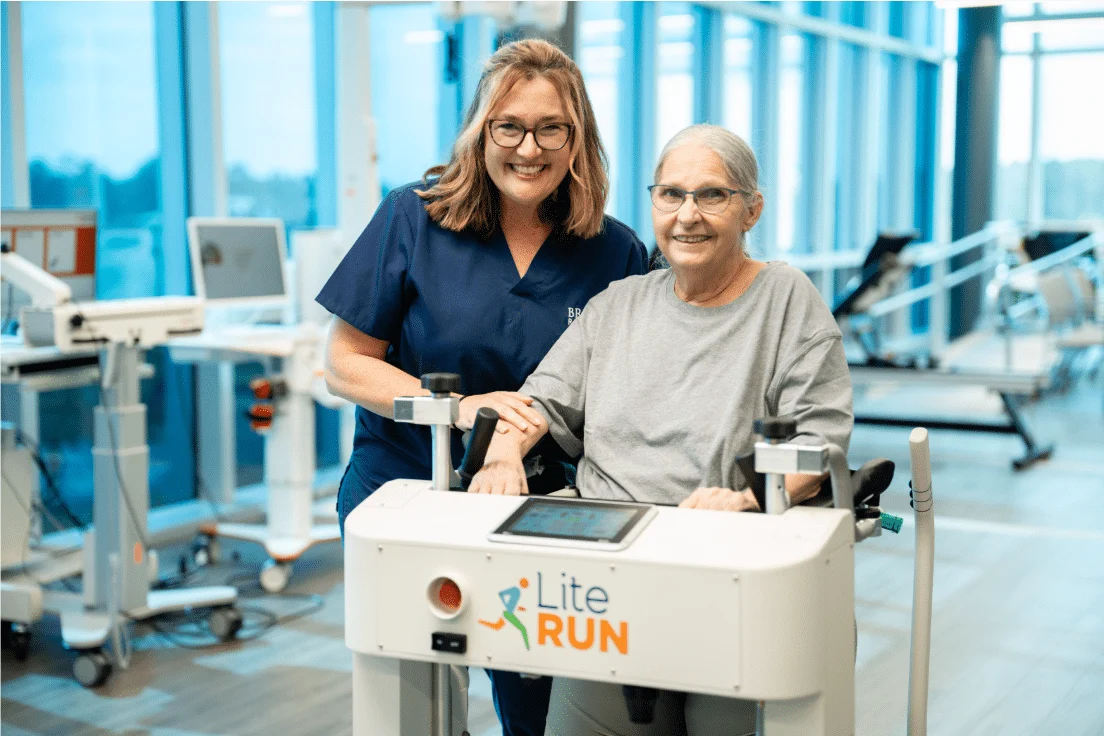
Kathryn Swanson, PT, DPT, NCS, inpatient clinical technology and programmatics coordinator at Brooks Rehabilitation, provided invaluable insight from a clinical perspective. "After a lengthy evaluation period, Brooks Rehabilitation continues to add advanced technologies for patient recovery with the Lite Run platform, which opens many possibilities for our patients and our clinicians as we expand nationwide," she remarked. Her statement not only acknowledges the thoroughness of the assessment but also looks to the future, anticipating the widespread benefits as Brooks expands its national footprint. Swanson particularly emphasized the tangible gains for therapists: "Our therapy teams gain an additional tool to safely mobilize patients earlier." From the patient’s viewpoint, she noted, "Patients appreciated the comfort and ability to use the technology in multiple, overground therapies without being confined to a treadmill." This feedback is crucial, as patient comfort and engagement are paramount for successful rehabilitation outcomes. The ability to perform natural, varied movements, rather than being restricted, fosters a more holistic and effective recovery experience.
Lite Run’s Vision for the Future
Gregg Smith, CEO of Lite Run, articulated a clear vision for how his company’s technology addresses some of the most pressing challenges facing the rehabilitation industry today. He acknowledged the mounting pressures on providers to "improve outcomes, mobilize patients earlier and support those more medically complex conditions with fewer clinical staff." This recognition of industry-wide pain points positions Lite Run as a vital solution rather than just another piece of equipment.
Smith elaborated on the core design philosophy: "Our technology was specifically designed to help therapists divide and conquer in safely supporting specific patients earlier in their recovery. Lite Run reduces the physical burden on clinicians to help more patients each day in ways not possible before." This statement powerfully conveys the dual benefit of the technology—enhancing patient recovery while simultaneously empowering and protecting clinicians. Looking ahead, Smith expressed strong confidence that as hospitals, inpatient rehabilitation facilities, and other providers continue to grapple with staffing constraints and increasingly complex patient populations, technologies that support safer, earlier mobility will not just be beneficial, but will "become a standard of care." This bold prediction highlights the transformative potential of anti-gravity systems to fundamentally reshape the future of rehabilitative medicine, moving from a niche innovation to an essential component of comprehensive patient care.
Broader Implications for Rehabilitation Healthcare
Brooks Rehabilitation’s pioneering adoption of Lite Run technology transcends the immediate benefits to its patients and staff; it carries significant implications for the broader landscape of rehabilitation healthcare, signaling a potential paradigm shift in how care is delivered and conceived.
Redefining the Standard of Care
The traditional approach to mobilizing critically ill or severely injured patients often involved cautious, incremental steps, heavily reliant on manual assistance and often delayed until significant recovery had already occurred. Brooks’ embrace of Lite Run challenges this paradigm, advocating for a new standard where early, upright, and safe mobilization is not just an aspiration but a readily achievable reality. This shift implies that delaying mobilization due to fear of falls or lack of staff resources will become increasingly unacceptable. As more institutions witness the success achieved by Brooks, the expectation for similar capabilities will grow, pushing the entire industry towards adopting advanced anti-gravity systems. This redefinition will lead to a more proactive, patient-centric model of care, where the physiological and psychological benefits of early movement are maximized from day one of rehabilitation. The impact on patient recovery trajectories could be profound, leading to faster functional gains, reduced long-term disability, and improved overall quality of life for countless individuals.
Addressing Healthcare Challenges
The healthcare sector globally faces persistent challenges, including escalating costs, chronic staffing shortages, and the increasing prevalence of complex, multi-morbid patient populations. Technologies like Lite Run offer a compelling solution to several of these dilemmas. By reducing the physical strain on clinicians, it helps mitigate burnout, improve job satisfaction, and potentially reduce injury rates among staff, thereby addressing a critical aspect of workforce retention. In an environment where the demand for skilled rehabilitation therapists far outstrips supply, any tool that amplifies their capacity and extends their careers is invaluable.
Economically, the ability to achieve earlier mobilization and faster recovery can lead to reduced hospital lengths of stay, lower readmission rates, and decreased need for long-term care, ultimately translating into substantial cost savings for healthcare systems and payers. Moreover, by preventing complications associated with immobility, Lite Run contributes to a healthier patient population, lessening the downstream burden on acute care services. This makes it an attractive investment for healthcare providers looking to optimize both clinical outcomes and operational efficiency in a fiscally constrained environment.
The Future of Patient-Centric Therapy
Beyond the clinical and economic benefits, Lite Run technology embodies the evolving philosophy of patient-centric care. It promotes active patient engagement, dignity, and autonomy throughout the rehabilitation process. Patients are no longer passive recipients of care but active participants in their recovery, empowered to move and explore their capabilities in a safe environment. This psychological shift can be incredibly powerful, fostering motivation and self-efficacy.
The role of innovation centers, like the one at Brooks Rehabilitation, in driving this progress cannot be overstated. They serve as vital testbeds for emerging technologies, bridging the gap between scientific discovery and practical clinical application. Their rigorous evaluation processes ensure that only the most effective and beneficial tools make it to patient care. The long-term vision for rehabilitation, as illuminated by this adoption, is one where care is more accessible, safer, more efficient, and profoundly more effective. It envisions a future where technology acts as an enabler, expanding human potential and allowing therapists to deliver the highest possible standard of personalized care, ensuring that every patient has the best chance at regaining independence and living a full, active life.
The decision by Brooks Rehabilitation to become the first nationwide inpatient rehabilitation hospital to fully embrace Lite Run’s anti-gravity mobility technology is more than just an investment in new equipment; it is a declaration of intent. It signifies a profound commitment to pushing the boundaries of what is possible in rehabilitation, prioritizing patient safety, accelerating recovery, and safeguarding the well-being of its dedicated clinical teams. As this innovative approach becomes integrated into the daily fabric of care at Brooks’ facilities, it is poised to inspire a ripple effect across the rehabilitation industry, setting a new standard for excellence and charting a course towards a future where advanced technology and compassionate care converge to redefine the human experience of recovery.