



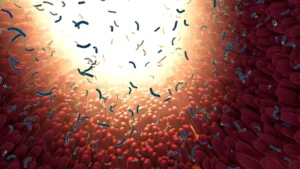


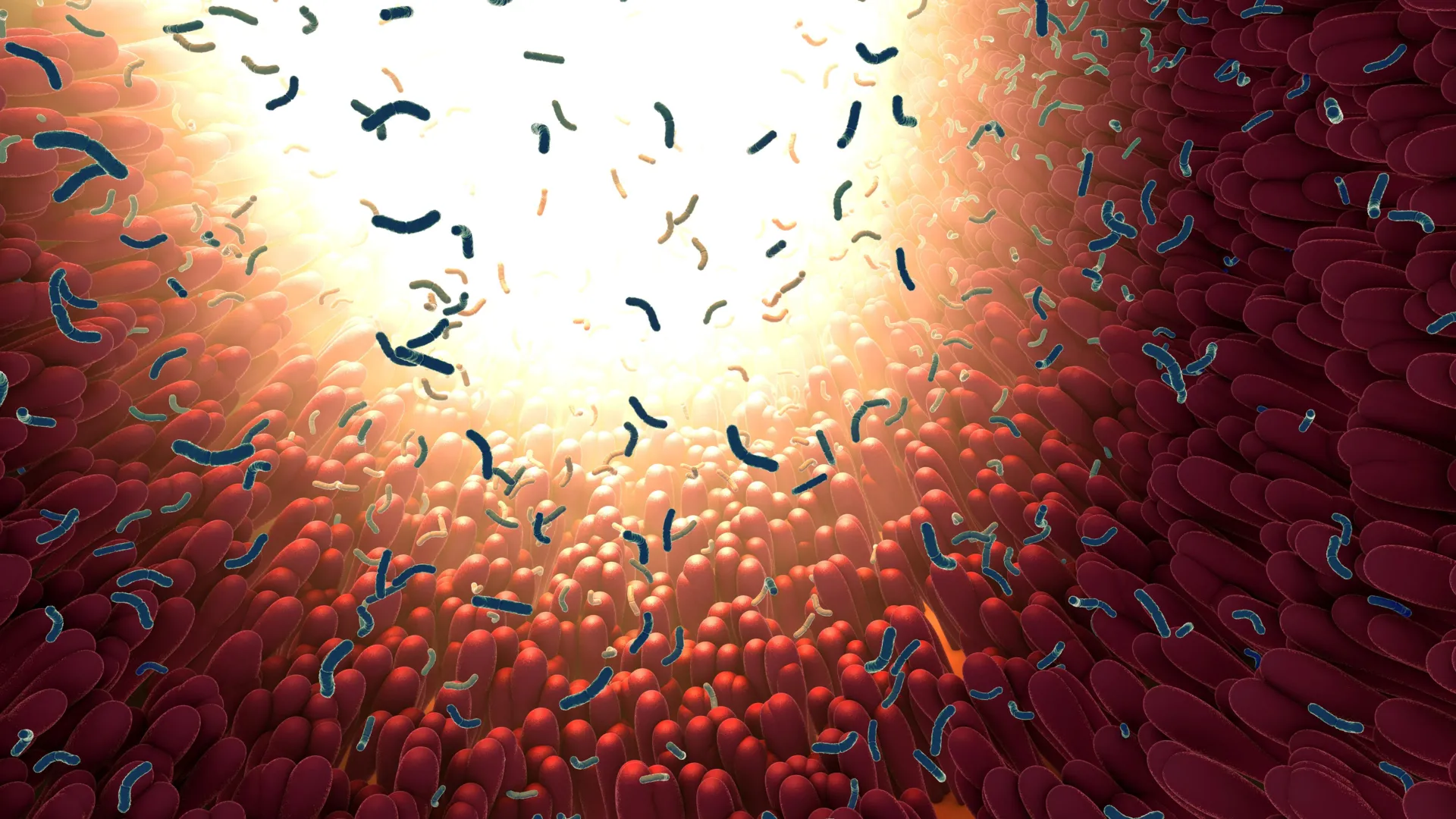
In the complex ecosystem of the human body, the intestinal microbiome—a vast, bustling community of trillions of bacteria—serves as a silent guardian. It aids in digestion, bolsters immune responses, and maintains the delicate equilibrium required for health. However, this microscopic world is fragile. While antibiotics are essential medical tools used to combat life-threatening infections, they are often blunt instruments, indiscriminately killing both harmful and beneficial bacteria.
New research published in the journal Nature suggests that this "collateral damage" is not merely a consequence of the medicine itself but can be significantly worsened by the patient’s diet. According to a landmark study, consuming high levels of sugar while undergoing antibiotic treatment may act as an accelerant for microbiome degradation, creating a biological environment that invites dangerous pathogens to flourish.
The Mechanisms of Microbiome Disruption
The human gut microbiome thrives on diversity. A rich tapestry of different bacterial species creates a resilient ecosystem that is naturally resistant to the colonization of harmful pathogens. When antibiotics are introduced, they often strip away this diversity, leaving the gut vulnerable.
For years, researchers have understood that antibiotics disrupt the microbiome. What this new study illuminates is the role of dietary sugar as an "amplifier" of this disruption. When the population of beneficial bacteria is decimated by medication, the remaining space in the gut becomes a "no man’s land." If a patient consumes high amounts of sugar, it appears to provide the necessary fuel for opportunistic, potentially dangerous bacteria—specifically Enterococcus faecium—to stage a rapid takeover.
Enterococcus faecium is notorious in clinical settings for being difficult to treat and resistant to many standard therapies. By feeding on the dietary sugar that the depleted microbiome can no longer effectively compete for, these harmful bacteria can expand at an alarming rate, further destabilizing the patient’s internal health.
Chronology of a Medical Discovery: The Blood Cancer Study
The research team, a collaborative effort involving experts from NYU Langone Health, City of Hope, and Memorial Sloan Kettering Cancer Center, focused their investigation on a uniquely vulnerable demographic: hospitalized patients undergoing treatment for blood cancers.
The Research Design
The study was meticulous in its execution, tracking 9,419 individual meals consumed by 173 hospitalized cancer patients. This cohort was ideal for study because blood cancer patients frequently receive aggressive antibiotic regimens and remain under constant, close clinical observation, allowing researchers to pair dietary intake records with daily biological sampling of their gut microbiomes.
The Findings
The data revealed a clear, statistically significant correlation: for every 100 grams of sugar consumed during the 48-hour window preceding antibiotic treatment, there was an additional 21% decline in "alpha diversity"—the metric used to quantify the variety of beneficial species in the gut.
The Confirmation in Animal Models
To verify that this was not merely a coincidence of patient behavior, the team turned to mouse experiments. Animals treated with the antibiotic biapenem were given diets containing varying levels of sucrose. By the third day of the study, the mice on the high-sugar diet exhibited a 16.3-fold increase in their Enterococcus population compared to those on low-sugar diets. By the sixth day, the bacterial burden had exploded to a 33.4-fold increase, confirming that sugar directly facilitates the rapid expansion of these harmful species following antibiotic exposure.
Supporting Data: Why Sugar Matters in Clinical Recovery
The implications of this study are particularly profound for patients undergoing stem cell transplants. These individuals are often hospitalized for weeks, receiving intense chemotherapy and prolonged courses of antibiotics.
During these weeks, the "microbial landscape" of the gut changes dramatically. The researchers noted that when the surrounding ecosystem is "destroyed" by medication, Enterococcus faecium flourishes. This is not just a biological curiosity; it is a clinical hazard. Microbiome injury is directly associated with higher overall mortality and an increased risk of severe infections in immunocompromised patients.
The study serves as a bridge between two disparate fields: nutrition and clinical pharmacology. It suggests that the "fuel" provided by sugar allows survivors of antibiotic "purges" to outcompete the remnants of a healthy microbiome. While the researchers are still investigating whether sugar acts directly as a nutrient for Enterococcus or if it weakens competing bacteria by other means, the correlation remains undeniable.
Official Responses and Expert Insights
The study’s authors emphasize that while these findings are groundbreaking, they represent the first step toward a new paradigm in patient care.
Jonas Schluter, PhD, NYU Langone Health
"As we are learning how collateral damage of antibiotics to the microbiome is linked with long-term health problems, it’s important to identify factors that limit these unintended health risks," said co-senior author Jonas Schluter. He noted that because the study utilized a massive dataset of over 9,000 meals, it provides a robust argument for dietary intervention. "Our study suggests that modifying diet during and after antibiotics, specifically by reducing sweets intake, could help with that."
Marcel van den Brink, MD, PhD, City of Hope
Dr. van den Brink highlighted the broader implications for oncology. "The microbiome is emerging as an important factor in cancer care," he stated. For patients undergoing intensive treatments like bone marrow transplantation, the gut’s health is a determinant of survival. "Studies like this help us better understand how everyday factors, including diet, may affect a delicate balance that influences how patients respond to treatment, recover, and experience side effects."
Jonathan Peled, MD, PhD, Memorial Sloan Kettering
"Especially in blood cancer patients, microbiome injury is associated with worse outcomes, including higher overall mortality and infections," said co-senior author Jonathan Peled. He identified the next logical phase for the research: "An important next step will be to design clinical trials to test whether short-term dietary changes can improve clinical outcomes in patients."
Clinical Implications: The Future of "Microbiome-Smart" Medicine
The realization that diet can act as a catalyst for antibiotic-induced injury opens new avenues for clinical practice. If a simple reduction in dietary sugar can preserve the gut’s diversity and prevent the overgrowth of dangerous pathogens, it could be a low-cost, low-risk, and highly effective intervention for millions of patients.
A New Approach to Hospital Nutrition
Currently, hospital diets are often designed to ensure caloric intake, sometimes relying on simple sugars for quick energy or palatability. This study suggests that hospitals may need to reconsider the nutritional profiles of meals provided to patients on antibiotic therapy. Reducing the glycemic load of these meals could effectively "starve out" potential pathogens while the microbiome attempts to recover.
Beyond the Hospital Walls
While the study focused on hospitalized patients, the findings have implications for the general public. Antibiotics are among the most frequently prescribed drugs worldwide. If even short-term antibiotic use at home can be mitigated by temporarily cutting out sugary snacks and sodas, it could reduce the long-term health consequences—such as chronic digestive issues or secondary infections—that many people face after a round of medication.
Necessary Cautions
The research team is careful to emphasize that more work is required. They note that the exact mechanism by which sugar enables Enterococcus expansion is still under investigation. Furthermore, while the correlation is strong, clinical trials are essential to determine if dietary changes translate into improved long-term patient outcomes, such as reduced mortality or faster recovery times.
Conclusion: A Delicate Balance
The human gut is a frontier of modern medicine, and this study provides a crucial map of how human behavior—specifically our diet—interacts with our medical treatments. By recognizing that antibiotics do not act in a vacuum, but rather in a landscape influenced by what we eat, clinicians may soon be able to provide more holistic care.
Reducing simple sugar intake during and after antibiotic treatment appears to be a common-sense strategy for protecting the "inner garden" of the gut. As researchers move toward clinical trials, the medical community waits to see if this shift in nutritional approach will become a standard recommendation in the fight against antibiotic-resistant infections and the preservation of patient health.
For now, the message is clear: when the body is fighting to recover from infection, the fuel we provide it matters just as much as the medicine we take.