









12 October 2026
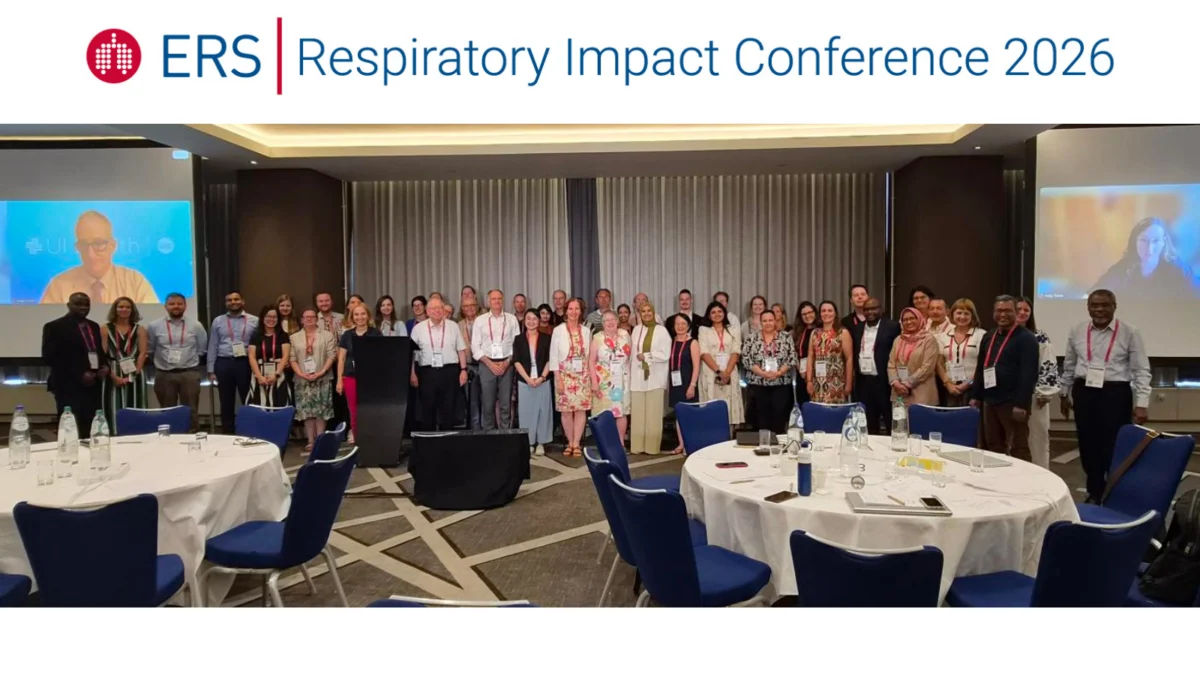
NAIROBI, Kenya — In a landmark effort to reshape the continent’s approach to respiratory medicine, the European Respiratory Society (ERS) and the Pan African Thoracic Society (PATS) joined forces in Nairobi on 10–11 October 2026. The summit, titled “The World’s First Lung Health Resolution: Mobilising a Network of Advocates in Africa,” served as a critical nexus for policymakers, clinicians, and health advocates to confront the escalating burden of respiratory disease across the African continent.
As urban air quality declines, climate volatility increases, and the prevalence of both communicable and non-communicable respiratory diseases rises, the two-day event aimed to move beyond diagnosis toward a structural, policy-driven transformation of lung health in Africa.
The Core Mandate: Addressing the Silent Crisis
Respiratory diseases—ranging from asthma and chronic obstructive pulmonary disease (COPD) to the lingering threats of tuberculosis and pneumonia—represent a major, yet often under-funded, component of the African health landscape. The Nairobi summit was convened with a singular, ambitious goal: to catalyze a pan-African network of advocates capable of influencing national health budgets and global policy frameworks.
The event underscored a stark reality: despite the high mortality and morbidity associated with lung conditions, respiratory health remains peripheral in many national health strategies. By centering the conversation on a "Lung Health Resolution," organizers sought to establish a blueprint for legislative reform, equitable access to diagnostics, and robust research infrastructure.
Chronology of the Summit: Two Days of Strategic Deliberation
Day One: Mapping the Landscape and Confronting Systemic Threats
The opening day was dedicated to a comprehensive "macro-analysis" of the environment in which African patients seek care. Experts dissected the complex interplay between climate change and respiratory health. As temperatures fluctuate and desertification accelerates, the resulting dust storms and air pollution are creating new frontiers for respiratory distress.
Key thematic sessions explored:
- Climate Change and Environmental Health: Experts analyzed how rapid urbanization and the lack of industrial regulation are exacerbating chronic lung conditions.
- Tobacco and Nicotine Control: A significant portion of the day was dedicated to the threat of emerging nicotine products. Discussions highlighted the industry’s aggressive marketing in African markets and the subsequent gap between scientific knowledge and current tobacco-control legislation.
- Sustainable Financing and Local Production: A recurring critique of current systems is the over-reliance on imported diagnostics and medication. Participants argued for the necessity of local manufacturing to ensure supply chain resilience and reduce the exorbitant costs that currently prevent patient access.
Day Two: The Clinical Reality and the Barrier of Awareness
While the first day focused on the "why" of policy, the second day focused on the "how" of clinical practice. Delegates shifted their attention to the patient journey—from the moment symptoms appear to the point of diagnosis and treatment.
The discussions identified a profound, often overlooked barrier: the linguistic gap. In many regions, specific respiratory diseases lack terminology in local languages. This linguistic deficiency complicates community-based education, leading to late diagnoses where patients only present for care when a condition has reached a life-threatening stage.
The sessions on access to care highlighted:
- The Diagnostic Desert: A lack of basic equipment—such as spirometers—and a lack of training for primary care providers mean that many patients are never accurately diagnosed.
- Supply Chain Inequities: The availability of life-saving inhalers and oxygen therapy is frequently inconsistent, hampered by logistical hurdles and inconsistent government procurement policies.
- Guidelines to Reality: While evidence-based guidelines exist, their implementation is often stalled by a lack of integration into existing primary health care frameworks.
Supporting Data and Evidence: The Scale of the Challenge
The deliberations in Nairobi were grounded in the growing body of evidence surrounding the African respiratory crisis. Although specific data collection remains a challenge, the summit highlighted three critical areas where improved data could drive change:
- The Registry Gap: One of the most significant impediments to effective policy is the lack of standardized disease registries. Without accurate, country-specific data on the prevalence of asthma, COPD, and interstitial lung diseases, governments struggle to allocate appropriate resources.
- The Enforcement Paradox: The summit noted that while many African nations have robust environmental and health policies on paper, the enforcement of these laws is notoriously weak. Tobacco control, for instance, is often undermined by clandestine industry lobbying and a lack of monitoring bodies.
- The "Epidemic" of Misdiagnosis: A significant percentage of patients with respiratory issues are misdiagnosed with infectious diseases, such as tuberculosis, due to overlapping symptoms and a lack of differential diagnostic capacity. This leads to the misuse of antibiotics and the delayed management of chronic conditions.
Official Responses and Stakeholder Perspectives
The atmosphere throughout the summit was one of urgent collaboration. Representatives from both the ERS and PATS emphasized that the era of siloed health interventions must end.
“We are not merely discussing medicine; we are discussing the right to breathe,” noted a lead delegate during the closing plenary. “The goal of this summit is to ensure that when we speak of ‘Universal Health Coverage’ in Africa, respiratory health is no longer the silent partner, but a central pillar.”
Industry and advocacy stakeholders acknowledged that the path forward requires a multi-sectoral approach. It is not enough for the medical community to publish research; they must partner with civil society to translate that research into political pressure. There was a clear consensus that patient advocacy groups need to be invited into the room where policy is drafted, ensuring that the lived experience of the patient informs the clinical and legal framework.
Implications: The Path Toward a Pan-African Strategy
The Nairobi summit concluded with a capacity-building workshop designed to transform theoretical discussions into tangible action. The implications of this gathering are profound, signaling a shift in how respiratory health will be managed across the continent for the next decade.
1. Strengthening Advocacy Networks
The immediate aftermath of the summit will see the formation of a cross-border advocacy network. By pooling resources and expertise, countries with more advanced respiratory programs will support those in the early stages of building their national health frameworks.
2. Standardizing Care Through Research
The call for stronger, more localized health research was perhaps the most enduring takeaway. By developing regional registries, African researchers aim to create a "data-driven" case for lung health that cannot be ignored by finance ministries or global donors.
3. Integrating Lung Health into Universal Health Coverage (UHC)
The summit successfully positioned respiratory health as a key performance indicator for broader UHC efforts. Moving forward, the goal is to see respiratory screening integrated into existing maternal, child, and infectious disease programs, thereby leveraging existing infrastructure to reach vulnerable populations.
4. Holding Industry Accountable
A major outcome of the summit is the collective resolve to combat industry interference in public health policy. Participants left Nairobi with a clear mandate: to monitor tobacco and industrial air-quality regulation with renewed vigor, ensuring that public health remains the priority over commercial interests.
Conclusion: A Shared Commitment
As the two-day event drew to a close, the ERS and PATS expressed their profound gratitude to the speakers, facilitators, and, most importantly, the grassroots advocates who traveled from across the continent to share their experiences.
The Nairobi summit has not only provided a platform for discourse; it has ignited a movement. As delegates returned to their respective countries, they carried with them the blueprints for a more resilient, better-equipped, and more vocal respiratory health sector. The "First Lung Health Resolution" is more than a document—it is a promise to the millions of Africans who deserve the right to clean air, early diagnosis, and equitable, high-quality care.
In the coming months, the international medical community will be watching closely to see how these commitments are transformed into national policies. For now, the message from Nairobi is clear: the silence surrounding lung health in Africa has been broken, and the work of building a healthier, breath-conscious continent has officially begun.