










In the landscape of modern medicine, few pharmaceutical advancements have been as transformative as the rise of Glucagon-like peptide-1 (GLP-1) receptor agonists. Medications such as Ozempic, Wegovy, Mounjaro, Zepbound, Victoza, and Trulicity have become household names, celebrated for their efficacy in managing type 2 diabetes and facilitating significant weight loss. However, as millions of patients incorporate these drugs into their daily lives, the medical community has begun to shift its focus from metabolic outcomes to the secondary, systemic effects of these treatments.
A groundbreaking multinational study presented at the European Academy of Dermatology and Venereology (EADV) Congress 2026 has brought to light an unexpected set of side effects: a significant correlation between GLP-1 therapy and a spectrum of nail, hair, and scalp disorders. The research, which offers the first controlled look at these dermatological concerns, suggests that the physiological impact of these medications may extend far deeper—and more visibly—than previously understood.
The Core Findings: A Closer Look at Nail Health
The primary investigation into nail health involved 575 individuals currently prescribed GLP-1 medications and a control group of 1,329 individuals who, while suffering from obesity or type 2 diabetes, had never utilized these drugs. The participants were drawn from a diverse geographic pool, including the United States, Brazil, Mexico, and France, providing a robust international perspective.
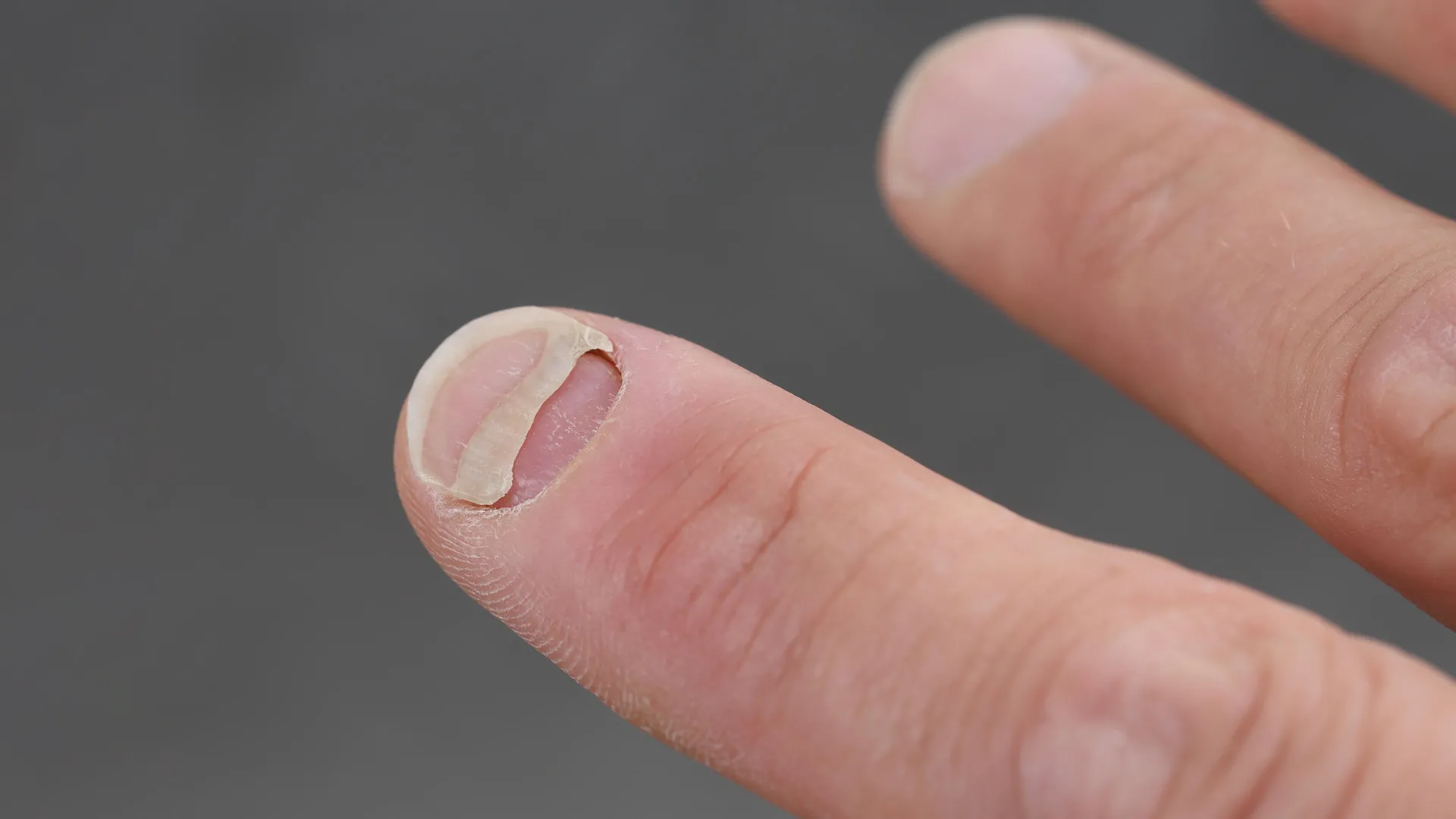
The data revealed that 66% of GLP-1 users experienced at least one nail disorder, compared to 53% of the control group. More concerning, however, was the incidence of nail detachment—a condition medically referred to as onycholysis, where the nail plate separates from the nail bed. Users of GLP-1 medications were found to be more than four times as likely to report this condition compared to their counterparts who were not on the medication.
Furthermore, nail discoloration was markedly more prevalent among the medication group, affecting 46% of users versus only 17% of the control group. These findings represent a significant departure from the anecdotal evidence that has circulated in patient forums and medical journals over the past few years, moving the conversation into the realm of formal, evidence-based inquiry.
Chronology: From Anecdote to Academic Inquiry
For years, dermatologists and primary care physicians have encountered isolated reports of patients noting changes in their nails and hair while undergoing weight-loss treatments. These reports were often dismissed as secondary to the rapid physiological changes associated with weight loss itself, such as nutritional deficiencies or the stress placed on the body during metabolic shifts.
Until the 2026 EADV Congress presentation, there was a lack of controlled research to substantiate these claims. The path to this study began with the increasing volume of patient-reported adverse reactions. Researchers realized that because these drugs modulate hormone signaling systems—systems that are deeply intertwined with cellular health and growth—it was plausible that the medications could have unintended "off-target" effects on keratin-based structures like nails and hair.
The research team, led by Dr. Charles Taïeb, aimed to bridge the gap between patient experience and clinical understanding. By designing a cross-sectional study that accounted for both the presence of the drug and the physical status of the patients, the team sought to determine if the medication was a distinct variable in the development of these dermatological issues.
Supporting Data: Hair and Scalp Complications
The scope of the investigation expanded beyond the fingernails, as the research team examined the hair and scalp health of the same 1,904 participants. The results mirrored the concerning patterns observed in the nail study.
Half of the GLP-1 users reported experiencing unusual hair loss, a figure significantly higher than the 34% reported in the control group. Furthermore, 42% of medication users reported a noticeable reduction in hair volume or density, compared to just 19% of those who were not on the medication. Perhaps most telling was the frequency of new-onset hair loss following the commencement of therapy: 26% of users reported this, versus 12% in the non-user group.
Perhaps most revealing was the discovery that hair loss rarely manifested in isolation. Most participants who reported thinning hair also presented with accompanying scalp symptoms, including itching, redness, or flaking skin. This clustering of symptoms is a critical piece of the puzzle, as it suggests the presence of an inflammatory process on the scalp rather than just the simple "telogen effluvium" (stress-induced shedding) often associated with rapid weight loss.
The Role of Inflammation vs. Weight Loss
One of the most persistent questions during the research was whether these side effects were merely a byproduct of losing weight too quickly. Rapid weight loss is known to stress the body, often leading to nutritional gaps that affect the health of skin, hair, and nails.
However, the data suggests that weight loss alone does not tell the whole story. Even when researchers restricted their analysis specifically to participants who had lost weight, the disparity in nail and hair health between the GLP-1 group and the control group remained statistically significant.
Dr. Bruno Halioua, a co-author of the study, noted, "Scalp inflammation was the rule rather than the exception." By highlighting that these changes often involve inflammation, the researchers are pointing toward a biological mechanism that is fundamentally different from simple nutritional depletion. This suggests that the GLP-1 receptor agonists might be interacting with skin and scalp tissues in ways that clinicians are currently ill-equipped to monitor.
Official Responses and Medical Implications
The medical community has reacted to these findings with a mix of scientific curiosity and clinical caution. Experts emphasize that while the study is illuminating, it is not a reason for patients to unilaterally cease their treatment plans.
"These changes are frequent, usually benign, and are not a reason to stop an effective treatment on one’s own initiative," Dr. Taïeb stated. The consensus among the researchers is that the benefits of GLP-1 medications—which include drastically reduced risks of cardiovascular events, improved blood sugar control, and the resolution of obesity-related comorbidities—far outweigh the risks of cosmetic or minor dermatological issues.
However, the study underscores a vital point: clinicians must be more proactive. The researchers suggest that healthcare providers should begin monitoring the scalp and nail health of patients starting on GLP-1 therapies. If patients report itching, redness, or changes in nail appearance, they should be encouraged to consult their physicians for a formal evaluation rather than simply attributing the symptoms to the weight-loss process itself.
Limitations and Future Directions
It is important to acknowledge the limitations of the current research. As a cross-sectional study, it provides a "snapshot" of a population at a single point in time. It does not track patients over the course of their treatment, which makes it impossible to definitively claim causality. Furthermore, the reliance on patient-reported symptoms, rather than standardized, blinded clinical examinations, introduces the potential for recall bias.
To address these limitations, the research team is already planning prospective, longitudinal studies. These future investigations will follow patients from the very beginning of their treatment, incorporating standardized dermatological examinations and biological monitoring to track exactly when and how these changes occur. The goal is to determine if these side effects are transient or if they persist for the duration of the medication cycle.
The study, which received institutional support from DUCRAY Laboratories—a leader in dermatological and hair care research—is the first step toward a more nuanced understanding of how blockbuster weight-loss drugs interact with the body’s largest organ system: the skin.
Conclusion
As the use of GLP-1 agonists continues to expand globally, the findings from the 2026 EADV Congress serve as a timely reminder that no medication is without its systemic ripples. While the "Ozempic face" and "Ozempic hair" phenomena have been largely discussed in social media and mainstream news as aesthetic concerns, this study elevates the discussion to a medical level.
By identifying clear associations between these drugs and inflammatory scalp and nail conditions, the research opens a new chapter in the monitoring of GLP-1 therapy. For patients, the takeaway is one of awareness: these symptoms are real, they are documented, and they are worth mentioning to a healthcare provider. For the medical community, the challenge is clear—continue to refine the understanding of these powerful medications to ensure that patients can achieve their metabolic health goals without compromising the integrity of their hair, skin, and nails. As researchers prepare for more rigorous, longitudinal trials, one thing remains certain: the journey of understanding these life-changing drugs is only just beginning.