







12 October, 2026
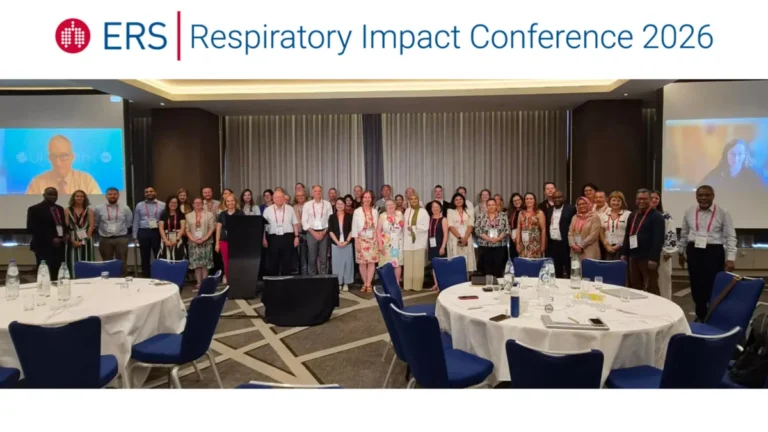
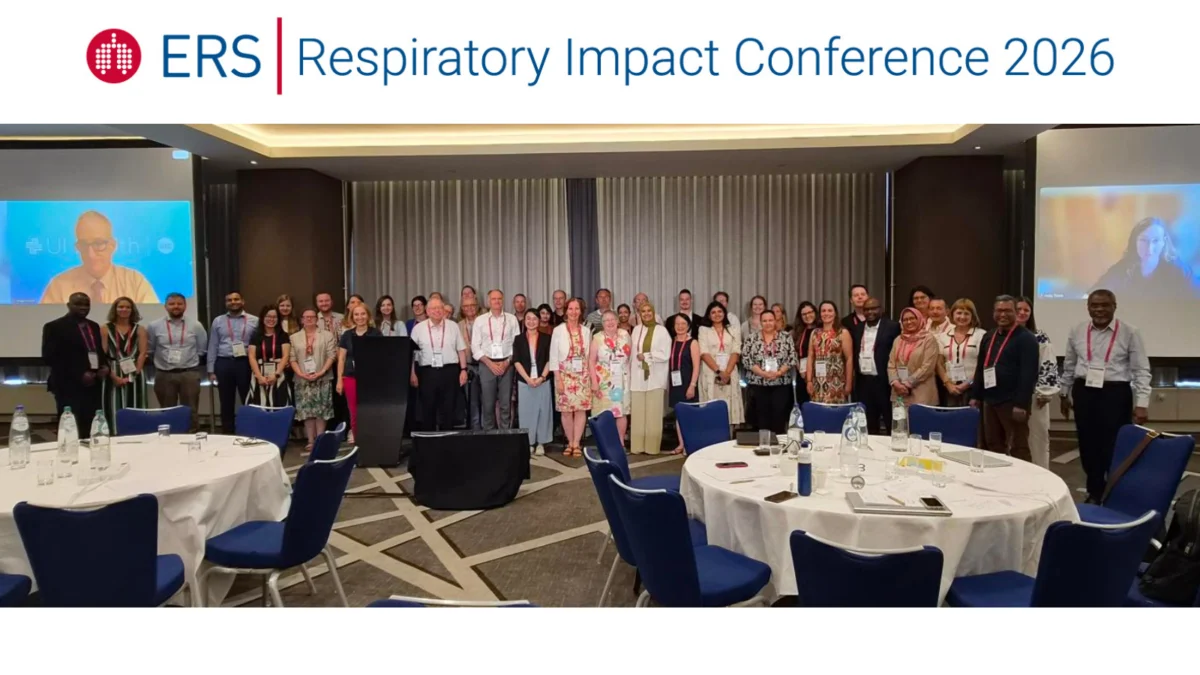
In a landmark convergence of medical expertise, policy advocacy, and grassroots activism, the city of Nairobi, Kenya, played host to a pivotal event that may well reshape the future of public health on the continent. On 10–11 October, the European Respiratory Society (ERS) and the Pan African Thoracic Society (PATS), alongside a coalition of regional partners, convened The World’s First Lung Health Resolution: Mobilising a Network of Advocates in Africa.
This two-day summit was not merely a conference; it was a rallying cry to address the staggering, and often overlooked, burden of respiratory disease in Africa. By bringing together the architects of health policy, frontline clinicians, and civil society leaders, the event aimed to translate the urgency of the "Lung Health Resolution" into tangible, ground-level action.
Main Facts: The Urgent Call to Action
The summit was predicated on a sobering reality: respiratory diseases remain a leading cause of mortality and morbidity across the African continent, yet they frequently languish in the shadow of other health priorities like HIV/AIDS, malaria, and tuberculosis. The meeting served as a direct intervention to move respiratory health from the periphery to the center of national health agendas.
The central mission of the gathering was to establish a sustainable framework for advocacy. The "Lung Health Resolution" represents a commitment to standardize care, increase the visibility of respiratory conditions, and mobilize resources to tackle both chronic and communicable lung diseases. For the stakeholders involved, the objective is clear: creating a resilient, continent-wide network capable of holding governments accountable and fostering innovative solutions to localized health challenges.
Chronology of the Summit: Two Days of Strategic Transformation
Day One: Addressing the Macro-Challenges
The first day of the symposium was dedicated to the "big picture"—the systemic issues that influence respiratory health outcomes across diverse African nations. Discussions were wide-ranging, covering the intersection of climate change and lung health, the specter of future epidemics, and the necessity of sustainable health financing.
A critical segment of the day was devoted to the "local production" mandate. Experts argued that relying on imported pharmaceuticals and diagnostic equipment leaves African healthcare systems dangerously vulnerable to global supply chain shocks. The consensus was that fostering local manufacturing of respiratory therapies and diagnostic tools is essential for long-term sovereignty in health.
Breakout sessions provided a deeper dive into the "legislative gap." While many nations possess frameworks for tobacco and nicotine control, the implementation remains inconsistent. Participants identified a recurring theme: the disconnect between international policy recommendations and the reality of local enforcement. Industry interference—particularly from the tobacco and vaping sectors—was flagged as a major hurdle that requires sophisticated counter-advocacy and stronger legal protections.
Day Two: The Clinical Frontier and Access to Care
If the first day was about policy, the second was about the patient. The conversation shifted to the clinical reality of early diagnosis and the myriad barriers that prevent patients from accessing life-saving interventions.
The delegates scrutinized the "diagnostic desert"—the lack of spirometers, imaging, and trained personnel in rural and peri-urban clinics. However, the discussion moved beyond the technical to the sociological. In a striking revelation, participants highlighted that in many regions, certain respiratory illnesses lack even a name in local languages. This linguistic void is not merely academic; it creates a profound barrier to care-seeking, as patients often cannot describe their symptoms or navigate a healthcare system that does not recognize their suffering.
The afternoon concluded with a capacity-building workshop, focusing on the practical application of clinical guidelines. The goal was to ensure that the knowledge shared in Nairobi does not remain trapped in conference rooms, but is instead exported to national ministries and local health districts across the continent.
Supporting Data and Evidence: The Landscape of Respiratory Burden
While the summit was forward-looking, it was rooted in a grim statistical reality. According to data discussed during the sessions, respiratory diseases—including asthma, chronic obstructive pulmonary disease (COPD), and post-tuberculosis lung disease—are rising rapidly in Africa, driven by rapid urbanization, air pollution, and the delayed transition from traditional cooking fuels to clean energy.
The Legislative and Economic Burden
- The Policy Gap: Research presented at the event indicated that fewer than 40% of African nations have fully implemented comprehensive tobacco control legislation in line with the WHO Framework Convention on Tobacco Control (FCTC).
- Economic Impact: The cost of inaction is staggering. Productivity loss due to untreated chronic respiratory conditions is estimated to cost African economies billions of dollars annually, a figure that is expected to climb as the continent’s population grows and ages.
- The Climate Link: With Africa being disproportionately affected by climate change, the rise in particulate matter (PM2.5) from wildfires, dust storms, and industrial pollution is creating a "perfect storm" for pediatric and adult respiratory distress.
Official Responses and Stakeholder Perspectives
The atmosphere in Nairobi was one of professional camaraderie and urgent resolve. Representatives from the ERS and PATS underscored that this meeting was only the beginning of a long-term commitment.
"We are not here to dictate, but to catalyze," said a senior official from the Pan African Thoracic Society. "The expertise exists within our borders; what we have lacked is the coordination to amplify our voices to the level of policy change. This resolution provides the blueprint for that coordination."
The ERS leadership echoed this sentiment, emphasizing that the cross-continental exchange of knowledge is vital. "By integrating respiratory health into existing frameworks—such as those for infectious disease or primary healthcare—we can achieve a ‘double dividend’: improving lung health while simultaneously strengthening the overall capacity of our healthcare systems," stated an ERS spokesperson.
Participants, including civil society advocates and patient representatives, praised the inclusivity of the event. One grassroots organizer noted, "For the first time, we feel that the regional and international bodies are actually listening to the challenges of the community level. When we talk about diagnostic equipment, we aren’t just talking about machines; we are talking about the mother in a remote village who has no way to detect her child’s asthma."
Implications: A Roadmap for the Future
The conclusion of the Nairobi summit signals a shift in the trajectory of African respiratory health. The implications for the coming decade are significant:
1. Strengthening Registries and Data
A major takeaway was the lack of reliable epidemiological data. Without accurate registries, it is impossible to allocate resources effectively. The summit concluded with a commitment to build standardized, region-specific data collection methods that will allow for evidence-based policymaking.
2. The Power of Coalitions
The creation of a "Network of Advocates" is perhaps the most enduring outcome. By formalizing links between patient groups, medical societies, and legislative bodies, the summit has created a vehicle for collective bargaining and advocacy that is far more potent than fragmented individual efforts.
3. Integrating Lung Health into Universal Health Coverage (UHC)
The final discussions emphasized that lung health must not be treated as a "vertical" program. Instead, the participants called for its integration into broader UHC initiatives. This ensures that respiratory care is available at the primary care level, reducing the need for expensive, tertiary-level interventions that are currently out of reach for the majority of the population.
4. Advocacy Against Industry Influence
The explicit mention of "industry interference" during the summit suggests a new, more combative stance against tobacco and nicotine interests. The emerging network is expected to provide legal and public relations support to nations currently fighting to enact stronger, more protective health laws.
Closing Reflections
As the delegates departed Nairobi, the consensus was clear: the "First Lung Health Resolution" is a living document. It requires constant tending, rigorous data, and a tireless commitment to the marginalized. The ERS and PATS have laid the groundwork, but the success of this initiative will be measured in the years to come, by the reduction in preventable deaths and the improvement in the quality of life for millions of Africans who deserve, quite literally, the right to breathe easier.
The momentum generated in Nairobi is expected to carry into upcoming regional health forums, ensuring that respiratory health remains firmly on the African Union’s agenda for the foreseeable future. The meeting has successfully transformed a silent health crisis into a loud, organized, and scientifically backed movement.