








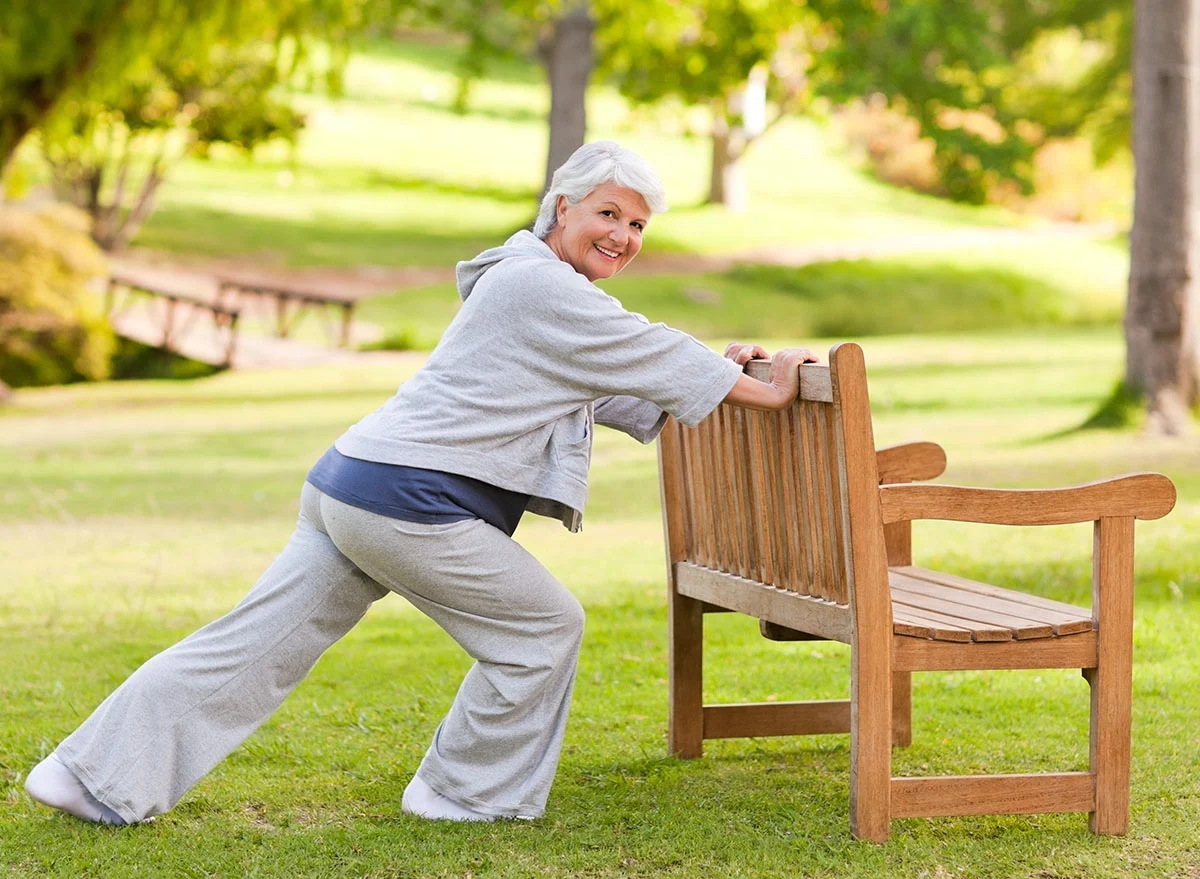
For many, the transition into the eighth decade of life is marked by a newfound focus on longevity and functional independence. While cardiovascular health and cognitive acuity are often prioritized, one of the most practical—and often overlooked—metrics of physical autonomy is the ability to rise from the floor. Whether you are kneeling to retrieve a fallen item, playing with grandchildren, or recovering from an unexpected trip or fall, the capacity to return to a standing position is a critical survival skill.
Developing the strength required to navigate these movements is not just about physical fitness; it is about psychological confidence. When the prospect of getting up becomes intimidating, individuals often begin to self-limit, avoiding activities that might put them in a position where they feel "stuck." This contraction of one’s world can lead to sedentary habits that accelerate physical decline. By training for floor transfers, you are effectively training for continued independence.
The Physiology of the "Floor Transfer"
Getting up from the floor is a complex, multi-joint movement that requires a harmonious collaboration between your lower body, core, and upper body. It is not merely a test of leg strength; it is a demonstration of coordination and balance.
Main Facts: Why This Matters
According to recent clinical insights, the ability to rise from the floor—sometimes referred to as the "floor-rise test"—is a significant predictor of all-cause mortality and long-term functional health in older adults. When you are on the floor, you are in a vulnerable state. The ability to transition through a kneeling or half-kneeling position to a full standing stance requires:
- Eccentric Control: The ability to lower yourself without collapsing.
- Power and Stability: The capacity to generate force from a low-leverage position.
- Balance: Maintaining a center of gravity while shifting weight across different planes of motion.
The Science of Trainable Strength
The muscles responsible for this movement—the quadriceps, glutes, hamstrings, and core—are highly responsive to resistance training, even well into one’s 70s and 80s. Research indicates that "functional plasticity" remains intact for most healthy seniors. By incorporating targeted exercises that mimic the mechanics of getting off the floor, you can build the necessary neural pathways and muscle fiber recruitment to perform these transitions with ease.
Chronology: A Progressive Training Framework
You do not need to attempt complex floor maneuvers to see results. By following a structured, progressive approach, you can build the requisite strength incrementally.
Phase 1: Stability and Foundation
Before focusing on the floor, we must master the chair. The Bodyweight Box Squat is the primary building block. It mirrors the act of sitting down and standing up, reinforcing the hinge-and-squat mechanics necessary for higher-level mobility.
Phase 2: Asymmetry and Balance
In real-world scenarios, we rarely stand up with perfect symmetry. We often use a "staggered" stance, placing one foot forward. The Assisted Lunge simulates this uneven transition. By using a support, you can safely load the legs without the immediate risk of losing balance.
Phase 3: Upper-Body Integration
Often, we underestimate the role of the arms. When rising from the floor, your chest and triceps provide the "push" required to transition from a prone or sitting position to a kneeling one. Incline Push-ups allow you to build this power at a manageable angle.
Phase 4: Core Integration
Finally, the Incline Plank serves as the glue. It ensures that when you are in the midst of a transition, your spine remains stable and your center of gravity remains secure.

Supporting Data and Clinical Implications
The correlation between lower-body strength and fall recovery is well-documented. A study published in The Journal of Gerontology suggests that strength training—specifically exercises that focus on multi-joint movements like squats and lunges—can reduce the risk of injury from falls by up to 30%.
When an individual loses the strength to stand up independently, they enter a state of "assisted-dependency." This transition is often the catalyst for a move toward assisted living or increased reliance on caregivers. Conversely, those who maintain the ability to get up from the floor report higher levels of self-efficacy and psychological well-being.
The Role of "Pre-habilitation"
"Pre-habilitation" is the practice of training for the stresses of life before they occur. By practicing these four movements, you are essentially creating an insurance policy for your future mobility. You are not just training for a hypothetical fall; you are training to remain a participant in your own life.
Official Perspectives: Expert Guidance on Implementation
According to experts in gerontological exercise science, the key to longevity in these movements is consistency over intensity.
The Four Essential Movements
1. Bodyweight Box Squat
This exercise removes the fear of "falling" into a squat. By using a box or sturdy chair, you ensure a consistent depth.
- Execution: Stand with feet shoulder-width apart, back to the box. Hinge at the hips, keeping your chest up, and tap your glutes to the surface before rising.
- Progression: As you get stronger, reduce the height of the box.
2. Assisted Lunge
Lunges are the ultimate test of unilateral stability.
- Execution: Stand beside a counter or sturdy railing. Step one foot back, lowering the back knee toward the floor while keeping the front shin vertical.
- Form Tip: The counter is there for balance—do not pull on it; use it as a guide.
3. Incline Push-Up
- Execution: Place your hands on a stable, elevated surface (a kitchen counter is ideal). Keep your body in a straight line from heels to head. Lower your chest toward the surface and push back.
- Implication: This builds the "pushing" strength required to transition from a seated position to all fours.
4. Incline Plank Hold
- Execution: Maintain a plank position on the same elevated surface. Engage your glutes and core to prevent your hips from sagging.
- Why it works: It forces your body to maintain a neutral spine under tension, a skill vital for any movement near the floor.
Implications for Healthy Aging: Moving Forward
The goal of this training is to normalize the movement patterns that allow for independence. As you integrate these exercises into your routine, remember that the "best" exercise is the one you do consistently.
Building a Routine
- Frequency: Aim for 2–3 sessions per week.
- Rest: Ensure 48 hours of recovery between sessions.
- Mindset: View every "sit-to-stand" movement in your daily life—getting out of the car, standing from the sofa, or rising from a park bench—as an opportunity to practice.
The Psychological Component
The fear of falling is a potent inhibitor of movement. When you train your body to handle the floor, you effectively reduce the "fear-avoidance" cycle. You begin to trust your body again. When you trust your body, you move more freely. When you move more freely, you stay stronger for longer.
Conclusion: Your Path to Independence
Independence after 70 is not a matter of luck; it is a product of deliberate preparation. By focusing on the strength of your legs, the stability of your core, and the power of your upper body, you are crafting a future that remains in your control. Start with these four movements today. Whether you are at a wall, a counter, or a chair, every repetition is a step toward a more active, capable, and confident life.
Disclaimer: Always consult with a physician or a certified physical therapist before beginning a new exercise program, especially if you have a history of balance issues, cardiovascular conditions, or joint injuries. The exercises described above are intended for educational purposes and should be performed with caution.