





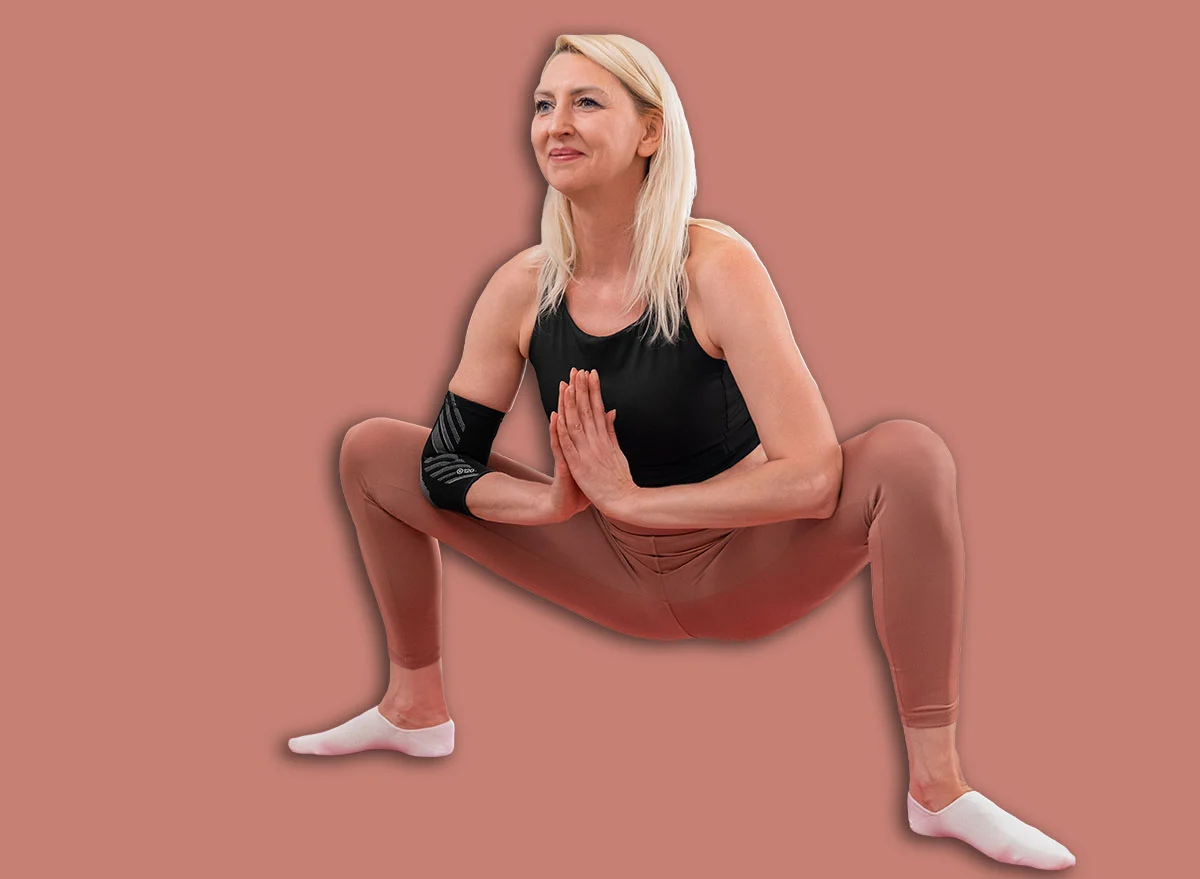
As we navigate the decades, our bodies undergo profound physiological transformations. Among the most noticeable changes for many adults over 60 is the loss of muscle mass—a process known clinically as sarcopenia—and shifts in fat distribution, particularly in the lower body. While it is natural for thighs to lose some of their youthful tone and elasticity, this is not a permanent state. With the right targeted exercise regimen, it is entirely possible to regain strength, improve stability, and restore definition to the legs.
The Science of Aging and Muscle Loss
The journey toward a more toned lower body after 60 begins with understanding the "why" behind the changes. As we age, the body’s hormonal environment shifts, and protein synthesis becomes less efficient. Without intentional resistance training, muscle fibers can atrophy, leading to decreased metabolic rate and reduced functional strength.
However, the inner thighs—or adductor muscles—serve a purpose far beyond aesthetics. They are critical components of the kinetic chain, influencing pelvic stability, hip mobility, and overall gait. Strengthening these muscles is essentially an investment in "functional longevity," ensuring that the body remains capable of navigating the world with confidence and grace.
Expert Insight: Why Adductor Training Matters
To gain deeper clarity on this shift, we spoke with Liv Banks, a Certified Personal Trainer and Group Fitness Instructor. Banks emphasizes that the goal of training the inner thighs should be viewed through a holistic lens.
"I look at inner-thigh training as more than an aesthetic exercise," Banks explains. "The adductors are part of a much bigger picture involving lower-body strength, hip control, and movement. Many exercises that strengthen the inner thighs also challenge hip mobility and balance, which become increasingly important to maintain as we age because we rely on our hips and legs for so many everyday movements."
Contrary to popular belief, one does not need a sophisticated gym membership or bulky adduction machines to see results. Banks advocates for functional, scalable movements that can be performed anywhere—from the living room to the local park.
Chronology of Progress: Building a Sustainable Routine
Transitioning into a fitness routine after 60 requires a strategic approach. It is not about how much weight you can lift on day one; it is about consistency and proper form.
- The Assessment Phase (Weeks 1–2): Focus on bodyweight-only movements. The objective here is to learn the range of motion and establish a mind-muscle connection.
- The Stabilization Phase (Weeks 3–6): Once form is consistent, begin incorporating light resistance, such as bands or small exercise balls.
- The Progressive Overload Phase (Weeks 7+): Increase the intensity by slowing down the repetitions (time under tension) or increasing the range of motion.
Four Key Exercises for Inner-Thigh Strength
Banks recommends four specific movements designed to target the adductors while respecting the unique needs of an aging body.
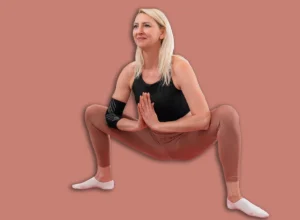
1. Sumo Squats
The sumo squat is a powerhouse movement that shifts the focus from the quadriceps to the inner thighs. By adopting a wider stance, you engage the adductor group more effectively than in a standard squat.
- The Technique: Stand with your feet wider than shoulder-width apart, toes pointed slightly outward. Lower your hips as if sitting into a chair, keeping your chest upright.
- Expert Tip: "There’s no need to force the feet or knees as far outward as possible," Banks advises. "The stance should feel comfortable for the individual’s hip mobility. You can start with bodyweight and gradually add a kettlebell or dumbbell as you get stronger."
2. Supported Partial Cossack Squats
Lateral movement is often neglected in standard exercise programs, yet it is essential for hip health. The Cossack squat challenges the body in the frontal plane.
- The Technique: Stand near a sturdy chair or countertop for support. Take a wide step to one side, keeping one leg straight and bending the other knee while pushing your hips back. Return to center and switch.
- The Benefit: This exercise promotes hip mobility and balance. If you have knee discomfort, keep the depth shallow. As your strength increases, you can rely less on the support of the chair.
3. Standing Resistance Band Hip Adduction
This exercise isolates the inner thigh muscles directly against external resistance. It is highly effective for tightening the adductor group without placing undue stress on the joints.
- The Technique: Anchor a resistance band to a sturdy post or wall. Stand with the band around your inner ankle. Pull your leg inward, across the front of your body, against the tension of the band.
- Safety First: "I recommend holding onto a wall or another sturdy support with the opposite hand," says Banks, "particularly for those still developing their balance."
4. Pilates Ring or Ball Adductor Squeezes
For those who prefer a low-impact start, the adductor squeeze is the gold standard. It requires minimal space and can be performed seated or lying down.
- The Technique: Place a small Pilates ball or yoga block between your knees while seated or lying on your back. Squeeze the object with your inner thighs, hold for a count of five, and release.
- Accessibility: Banks notes that this is one of the most accessible ways to target the inner thighs at home, as it removes the balance component, allowing the trainee to focus entirely on muscle activation.
Supporting Data: The Impact on Daily Living
The implications of maintaining strong adductors go far beyond the visual benefits. Research consistently shows that lower-body strength is the primary predictor of "healthy aging." By focusing on the inner thighs, you are indirectly supporting:
- Pelvic Floor Health: Strong adductors are biomechanically linked to pelvic floor muscles.
- Balance and Fall Prevention: By strengthening the stabilizers of the hip, the risk of falls—a major concern for those over 60—is significantly reduced.
- Joint Longevity: When the muscles surrounding the hip joint are strong, they absorb the forces of daily activity, effectively "offloading" the knee and hip joints and potentially reducing the symptoms of osteoarthritis.
Official Responses and Clinical Perspectives
Medical professionals and physical therapists often echo Banks’ sentiment regarding "functional training." The move away from isolated gym machines toward movement-based exercises is a growing trend in geriatric health. By performing movements that mimic real-life activities—such as getting out of a chair or stepping over an obstacle—seniors are not just "working out"; they are training for life.
"When you train for function, the aesthetics follow," Banks notes. "When you strengthen your legs, you aren’t just changing how they look in a pair of shorts; you are changing how you interact with your environment."
Implementation Strategies for Success
To integrate these exercises into your lifestyle, consider the following "Best Practices":
- Consistency over Intensity: Aim for three sessions per week. Short, consistent bouts of activity are more beneficial than one exhaustive session.
- Warm-up is Non-negotiable: Spend five minutes walking or performing light dynamic stretches before beginning these exercises to ensure the muscles are primed for movement.
- Listen to Your Body: Discomfort is not the same as pain. If a movement causes sharp pain, stop immediately and adjust the range of motion.
- Hydration and Nutrition: Ensure you are consuming adequate protein to support muscle repair. Muscle mass cannot be rebuilt without the necessary building blocks (amino acids).
Conclusion
The journey to reclaiming your thigh strength after 60 is an empowering process that blends science, consistency, and expert guidance. By focusing on the adductors through functional movements like sumo squats and lateral shifts, you are doing more than just toning your legs—you are securing your independence and mobility for years to come.
As Banks suggests, start small, remain patient with your progress, and remember that every repetition is a step toward a stronger, more capable version of yourself. Whether you are at home or in the park, the equipment you need is already at your disposal: your own body, your dedication, and the commitment to keep moving.