









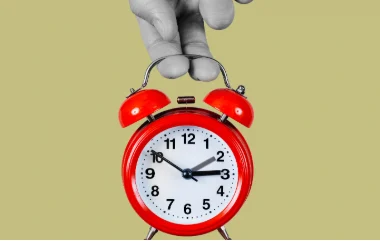
As the calendar turns toward November, millions of Americans prepare for the familiar, yet increasingly contentious, ritual of "falling back." On Sunday, Nov. 1, clocks across the United States will tick backward by one hour, signaling the official conclusion of daylight saving time (DST) and the return to standard time. While the extra hour of slumber is often greeted with a collective sigh of relief, a growing chorus of citizens, policymakers, and health experts are questioning the utility of this biannual disruption.
With public sentiment shifting toward the total elimination of the clock-change cycle, the U.S. Congress is currently weighing competing legislative proposals that could permanently alter how the nation tracks time. At the center of this debate is a fundamental conflict between social preference and biological necessity.
The Chronology of a Disputed Tradition
The history of time adjustment in the United States is one of flux. While the concept of "daylight saving" was originally championed during the industrial age to extend evening light and conserve energy, the modern era has seen a massive shift in how that light impacts our daily lives.
The United States has previously attempted to adopt permanent daylight saving time—most notably during the energy crisis of the 1970s. In 1974, Congress enacted a trial of year-round DST to curb fuel consumption. However, the experiment was met with immediate public backlash. Parents expressed significant safety concerns regarding children waiting for school buses in pitch-black morning conditions, and public sentiment quickly soured. By 1975, the country reverted to the seasonal clock-switching schedule that persists today.
Now, decades later, the pendulum of public opinion has swung back. Recent polling from Gallup indicates that nearly half of the American population would prefer to see the practice of switching clocks discontinued entirely. This public pressure has forced legislators to re-examine the feasibility of locking the clock, leading to the introduction of two primary bills currently stalled in the halls of Congress.
The Legislative Battle: Two Visions for the Future
The debate in Washington, D.C., has crystallized around two distinct pieces of legislation, each offering a fundamentally different philosophy on how Americans should perceive the day.
The Sunshine Protection Act (H.R. 139)
The Sunshine Protection Act advocates for making daylight saving time permanent nationwide. Proponents argue that "locking in" the later sunset would provide more opportunities for evening recreation, boost the retail and tourism economies, and reduce the frequency of evening crimes. By ensuring the sun stays up later in the evening throughout the winter months, supporters believe the country can enjoy a more vibrant, active lifestyle.
The Sunshine for Our Kids Act (H.R. 9638)
Conversely, the Sunshine for Our Kids Act proposes the adoption of permanent standard time. This legislation is heavily backed by the sleep medicine and chronobiology communities. Advocates of this bill argue that human physiology is not designed for the artificial extension of daylight into the evening. By prioritizing morning sunlight, this approach aligns with the natural synchronization of the human body, potentially leading to better sleep hygiene, improved mood, and increased public safety.
Biological Realities: The Science of the Circadian Rhythm
To understand the friction between these two bills, one must look at the internal clock that governs human health: the circadian rhythm. This biological system acts as an internal pacemaker, regulating everything from hormone release to body temperature and, most importantly, the sleep-wake cycle.
The circadian rhythm is highly sensitive to light exposure. Morning light, in particular, acts as a "zeitgeber"—a German term for "time-giver"—that resets our internal clock every day. When we are exposed to bright, natural light in the morning, it signals to the brain that the day has begun, which aids in alertness and helps initiate the production of melatonin at the appropriate time in the evening.
When the clock is shifted forward or backward, we create "social jetlag." Even a one-hour shift can take the human body several days, or sometimes weeks, to fully recalibrate. This misalignment can lead to increased irritability, reduced cognitive function, and even a temporary spike in traffic accidents and cardiovascular events, which have been statistically linked to the immediate days following the start and end of DST.
Implications for Public Health and Safety
The scientific community, including organizations such as the American Academy of Sleep Medicine (AASM), has taken a firm stance: permanent standard time is the healthier option.
Sleep and Cognitive Performance
Permanent standard time ensures that light arrives at the most crucial time of the day—the morning. By maximizing exposure to early light, individuals are more likely to experience improved sleep quality. Chronic sleep deprivation, a known public health crisis in the U.S., is exacerbated by shifting schedules that force people to wake up before their biological clocks are ready.
Safety Concerns
The argument for permanent daylight saving time often overlooks the dangers of dark mornings. If the U.S. were to remain in permanent DST, the sunrise during the winter months in many regions would not occur until well after 8:00 a.m. or even 9:00 a.m. This creates significant risks for commuters and students, who would be navigating traffic and bus stops in total darkness. Historically, this has been the primary factor that caused previous efforts for permanent DST to fail.
Economic and Societal Impacts
While the retail industry often supports longer evening light for shopping and dining, health experts argue that the hidden costs of poor sleep—reduced productivity, increased healthcare spending, and workplace accidents—far outweigh the temporary gains of extra evening sunlight. A society that is better rested is, by definition, more productive and safer.
Managing the Transition: Tips for the "Fall Back"
While Congress debates the future, the immediate reality for the American public is the upcoming time change. Adjusting to the shift requires intentional effort to minimize the disruption to your circadian rhythm. Experts suggest the following strategies to ease the transition:
- Gradual Adjustment: In the days leading up to the switch, shift your bedtime and wake time by 15–20 minutes earlier or later, depending on the direction of the change. This incremental approach helps the body adapt without a jarring shock.
- Prioritize Morning Light: Upon waking, immediately open the curtains or step outside. Natural light is the most effective tool for "resetting" your biological clock.
- Maintain Consistency: Keep a consistent sleep schedule even through the weekend. The temptation to "sleep in" can disrupt the transition, making it harder to wake up on Monday morning.
- Optimize Sleep Environment: Ensure your bedroom is cool, dark, and quiet. As the seasons change, the external environment changes; updating your sleep environment to block out unwanted light or noise is essential for maintaining sleep quality.
- Seek Professional Guidance: If you find that the seasonal change consistently impacts your ability to function, you may be dealing with more than just a time-change issue. The AASM recommends consulting with a board-certified sleep specialist at an accredited sleep center to identify underlying sleep disorders that may be exacerbated by environmental factors.
The Path Forward: A Call for Evidence-Based Policy
The struggle to decide the future of the American clock is, at its core, a struggle between convenience and biology. While the appeal of long summer evenings is culturally ingrained, the scientific evidence increasingly points toward the stability of standard time as the superior choice for long-term public health.
As the 119th Congress continues its deliberations, the voices of medical professionals are growing louder. The consensus is clear: the current system of switching is antiquated and detrimental to the biological needs of the population. Whether the legislative process ultimately favors the Sunshine Protection Act or the Sunshine for Our Kids Act, one thing remains certain: the debate over how we measure our days is far from over.
For now, as the clocks fall back on November 1, Americans are reminded once again of the fragility of their internal rhythms. In a world that is increasingly fast-paced and hyper-connected, perhaps the most radical thing we can do is align our clocks with the sun, ensuring that our public policies respect the fundamental biological realities of the human experience. As we watch the sun dip below the horizon an hour earlier, we are left to wonder: will this be the last time we have to make the adjustment? The answer lies not just in the hands of our legislators, but in the growing public demand for a system that puts health and well-being at the forefront of the national agenda.