










5 October, 2026
In the landscape of global health security, few pathogens command as much quiet dread among virologists as the Nipah virus. With a mortality rate that can reach an alarming 75% and the potential for human-to-human transmission, it remains a "priority pathogen" on the World Health Organization’s (WHO) Blueprint list. On 1 September 2026, a massive, multi-year European effort—the HENIPROTECT project—officially commenced, signaling a paradigm shift in how the world prepares for emerging respiratory threats.
The initiative, funded by the European Union, brings together 18 cross-disciplinary partners from eight countries. Over the next six years, this consortium, which includes the European Respiratory Society and the European Lung Foundation, aims to achieve a medical milestone: the development of the world’s first inhaled antibody treatment for Nipah virus infection.
Main Facts: A New Frontier in Pandemic Defense
The HENIPROTECT project is more than just a drug development pipeline; it is an integrated strategy for health resilience. At its core, the project focuses on creating an antibody cocktail specifically engineered to neutralize the Nipah virus upon entry into the human body.
The Mechanism of Innovation
Unlike traditional intravenous treatments, which can be logistically challenging to administer in the remote or rural settings where Nipah outbreaks typically occur, HENIPROTECT’s primary innovation is its delivery method. By utilizing an inhaled format, the medication is delivered directly to the nasal cavity and lungs—the primary sites of viral entry and replication. This approach serves a dual purpose: it protects the patient from the systemic dissemination of the virus to vital organs, and it potentially reduces the viral load in the respiratory tract, thereby curbing the risk of human-to-human transmission.
The Scope of the Consortium
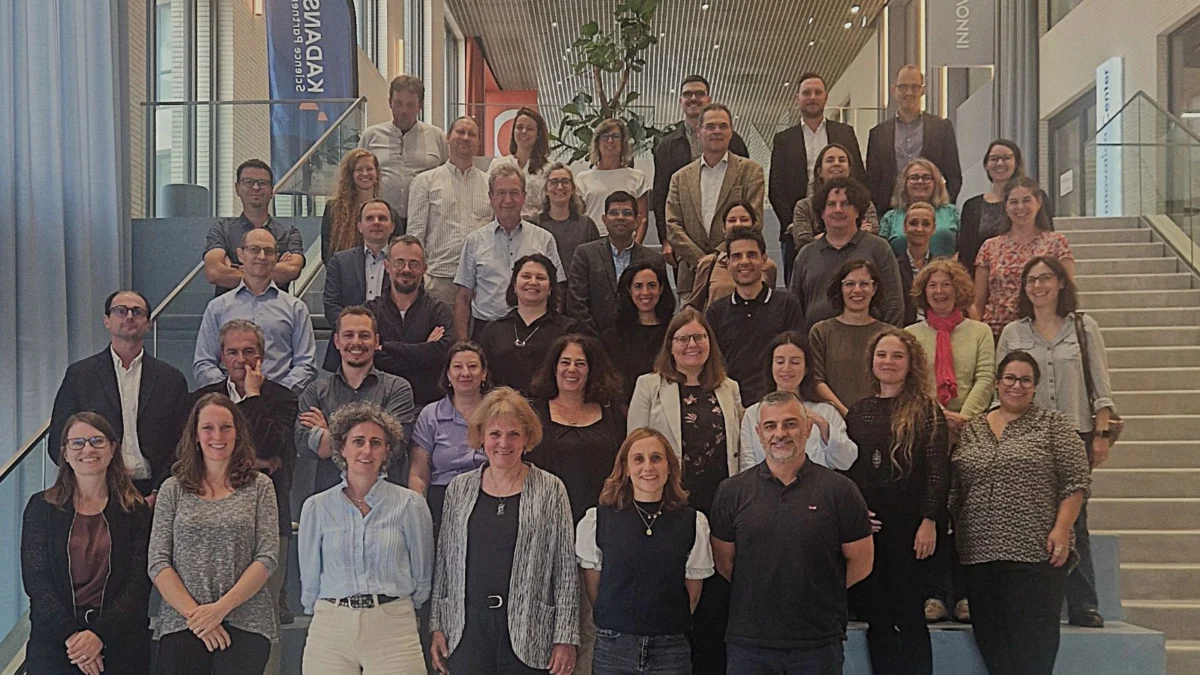
The project is a testament to the power of international collaboration. By pooling expertise from 18 organizations across eight nations, HENIPROTECT combines clinical research, manufacturing excellence, and public health policy. This collaborative model is designed to overcome the "valley of death" often seen in drug development, where promising candidates fail to transition from laboratory research to human clinical trials.
Chronology: The Roadmap to 2032
The launch of HENIPROTECT on 1 September 2026 marks the beginning of a rigorous, six-year timeline designed to navigate the complexities of pharmacological development and regulatory approval.
- September 2026: Official project launch. Initial focus is placed on the identification and validation of the most potent antibody candidates within the cocktail.
- 2027–2028: Pre-clinical optimization. The team will assess the "developability" of the antibodies, ensuring they are stable for storage, transport, and administration. Simultaneously, researchers will begin work on a "toolkit" designed to adapt the treatment to evolving viral variants.
- 2029: Targeted Good Manufacturing Practice (GMP) facility setup. This phase is critical to ensure that the treatment can be produced at scale under the highest international standards.
- 2030–2031: Early-stage clinical trials. The project will transition to human testing, starting with healthy volunteers to assess safety and pharmacokinetics.
- 2032: Evaluation and Scaling. The project concludes with an assessment of global access strategies, aiming to ensure that the treatment is available not just in affluent nations, but in the regions most impacted by Nipah outbreaks.
Supporting Data: Why Nipah Demands Global Action
To understand the urgency of HENIPROTECT, one must understand the nature of the virus it seeks to defeat.
The Pathogen Profile
Nipah virus (NiV) is a zoonotic pathogen. Its primary reservoirs are fruit bats (genus Pteropus), which are widely distributed across South-East Asia and parts of Australia. These animals act as "silent" carriers, often showing no clinical signs of disease while shedding the virus in their saliva, urine, and excreta.
When the virus jumps the species barrier—often through contaminated fruit or contact with infected livestock—the results for humans are devastating. Symptoms typically manifest as an acute respiratory infection, fever, headaches, and muscle aches. In the most severe cases, the virus triggers rapid-onset encephalitis, leading to coma or death. With a case-fatality rate estimated between 40% and 75%, Nipah is significantly more lethal than many other pandemic-prone viruses.
The WHO Priority List
The World Health Organization includes Nipah on its list of priority pathogens—a roster of diseases that have the potential to cause a global health emergency but for which there are currently no effective vaccines or standardized treatments. The inclusion is driven by three factors:

- High Pathogenicity: The clinical outcomes are frequently fatal.
- Epidemic Potential: Documented cases of human-to-human transmission prove that the virus is not restricted to animal-to-human contact.
- Lack of Medical Countermeasures: Currently, there is no licensed prophylaxis. Treatment is largely supportive, focusing on managing symptoms and providing intensive care, which is rarely available in the rural agricultural areas where outbreaks typically emerge.
Official Responses: Aligning with EU Health Priorities
The project is funded by the European Union under Grant Agreement 101286662. This funding reflects a broader EU commitment to reinforcing health security and pandemic preparedness in the wake of the COVID-19 pandemic.
While the project is independent, it aligns perfectly with the European Commission’s goal to invest in "medical countermeasures." By focusing on the Henipavirus genus—which also includes the highly pathogenic Hendra virus—HENIPROTECT is building a technological platform. The hope is that by perfecting an inhaled antibody treatment for Nipah, scientists will establish a blueprint that can be rapidly repurposed for other emerging respiratory pathogens.
"This is not just about one virus," noted a spokesperson associated with the initiative. "It is about creating a flexible, high-speed response mechanism. We are building the infrastructure so that when the next threat emerges, we aren’t starting from scratch."
Implications: A Legacy for Future Pandemics
The success of HENIPROTECT would represent a landmark achievement in modern medicine, but its true value may lie in its long-term implications for global health.
Democratizing Access
A key pillar of the project is the development of a "manufacturing strategy" designed to facilitate global access. The consortium is tasked with addressing the supply chain challenges that often prevent life-saving medicines from reaching low- and middle-income countries. By designing a protocol that can be scaled internationally, the project aims to ensure that if a Nipah outbreak occurs, the solution is not locked behind geographical or economic barriers.
The "Blueprint" Approach
Perhaps the most significant legacy of HENIPROTECT will be the "toolkit" it develops to counter future viral variants. Viruses, by their nature, mutate. By creating a modular platform for antibody development, the consortium is essentially building a "plug-and-play" system. If the Nipah virus evolves, the researchers aim to have a mechanism in place to update the antibody cocktail rapidly, rather than beginning the entire research cycle anew.
Advancing Respiratory Medicine
The involvement of the European Respiratory Society and the European Lung Foundation underscores the clinical significance of the inhaled delivery method. Beyond Nipah, the ability to deliver targeted therapies directly into the lungs has massive potential for treating other respiratory diseases. By refining this technology, HENIPROTECT is contributing to a broader understanding of pulmonary drug delivery, which could eventually influence the treatment of everything from influenza to drug-resistant bacterial pneumonia.
A Call for Continued Vigilance
Despite the optimism surrounding the launch of this project, the researchers involved are clear-eyed about the challenges ahead. The nature of zoonotic diseases means that the risk is constant, and the time between a spillover event and an epidemic can be terrifyingly short. HENIPROTECT serves as a critical buffer, but it also highlights the need for sustained, long-term funding for infectious disease research.
As the project enters its first full year of operation, the global health community will be watching closely. In the fight against the next potential pandemic, HENIPROTECT is more than a research project—it is a proactive shield, constructed to ensure that the world is no longer caught off guard by the silent threats lurking in the bat colonies of the world.
Disclaimer: Funded by the European Union (Grant Agreement 101286662). Views and opinions expressed are those of the author(s) only and do not necessarily reflect those of the European Union or the European Commission. Neither the European Union nor the granting authority can be held responsible for them.