






15 October, 2026
The global respiratory research community is turning its eyes toward Estoril, Portugal, as the European Respiratory Society (ERS) officially opens the call for abstracts for its highly anticipated Lung Science Conference (LSC) 2027. Celebrating its 25th anniversary, this landmark event—scheduled for 18–20 March, 2027—promises to serve as a pivotal nexus for scientific discovery, innovation, and professional development. With a hybrid format allowing for both in-person attendance in the coastal beauty of Estoril and global online participation, the LSC 2027 is poised to attract the brightest minds in pulmonary science.
Main Facts: A Milestone for Respiratory Innovation
The ERS Lung Science Conference has long been regarded as the "gold standard" for experimental respiratory research. As the conference marks a quarter-century of existence, the 2027 edition aims to push the boundaries of what is possible in the field.
The core focus of the LSC 2027 remains the dissemination of high-impact research. By opening the submission portal, the ERS is inviting researchers—ranging from doctoral candidates and post-doctoral fellows to seasoned principal investigators—to present their latest findings. The conference is uniquely structured to facilitate intense academic exchange, emphasizing novel methodologies, translational medicine, and interdisciplinary collaboration.
For those submitting their work, the stakes are high. Accepted abstracts will be showcased through various platforms, including oral presentations, the prestigious Young Investigators’ session, and dedicated poster sessions designed to foster deep engagement between presenters and their peers. Furthermore, the conference provides a gateway to the ERS’s extensive network, ensuring that the work presented reaches the most influential figures in respiratory medicine.
Chronology: The Road to Estoril 2027
The journey toward the 25th LSC has been one of consistent strategic growth. Since its inception, the conference has evolved from a small assembly of specialists into a global powerhouse of clinical and basic research.
- Early 2026: ERS leadership, led by the programme coordinators, initiated the theme development phase, focusing on the future of lung health and the integration of new digital tools in respiratory research.
- 15 October, 2026: The official launch of the call for abstracts. This marks the commencement of the competitive selection process, where the quality of research is the primary metric for inclusion.
- Winter 2026/2027: The scientific committee begins the rigorous review process. During this time, applicants for the LSC Bursary and the Mentorship Programme are evaluated based on their abstract caliber and career stage.
- March 2027: The event itself, held over three days in Estoril. The program includes intensive workshops, networking mixers, and the specialized "Early Career Delegates" session.
- Post-Conference: A period of follow-up where collaborations formed during the LSC are expected to bear fruit in the form of joint publications, grant applications, and long-term mentorship bonds.
Supporting Data: Why the LSC Remains Essential
The impact of the LSC is measured not just in attendance numbers, but in the long-term career trajectory of its participants. Data from previous years indicates that a significant percentage of LSC presenters go on to publish their work in high-impact journals such as the European Respiratory Journal.
The inclusion of the LSC Mentorship Programme is a direct response to the needs of the scientific community. The program serves as a bridge, connecting the next generation of researchers with leaders who have navigated the complexities of clinical and academic life. By matching abstract-presenting authors with senior mentors, the ERS creates a structured environment for knowledge transfer.
Furthermore, the focus on "complementary expertise" is a deliberate design choice. The conference organizers have curated the sessions to ensure that biologists, clinicians, and data scientists are placed in the same room. This cross-pollination of ideas is essential in an era where lung disease research increasingly requires a multi-omics approach, blending bench-side findings with real-world clinical data.
Official Perspectives: Expert Insights on the "Opportunity of a Lifetime"
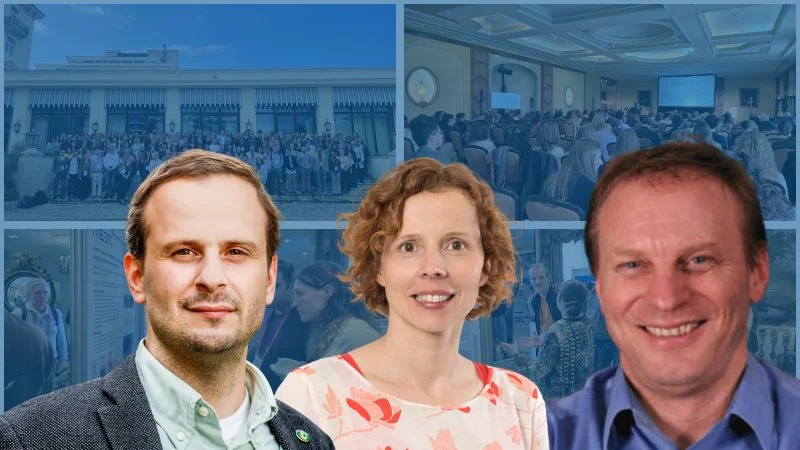
To gain a deeper understanding of what the 25th anniversary represents, we turn to the architects of the LSC 2027 programme.
Prof. Ian Adcock: The Power of Collaborative Networks
For Prof. Ian Adcock, the LSC is more than a conference; it is a catalyst for professional transformation. "The Lung Science Conference can be the opportunity of a lifetime," he notes. "You will learn how to apply your knowledge and technologies to other aspects you may not have considered, or don’t have the capacity to use within your own institute. Forging these new friendships and collaborations is critical."
Prof. Adcock emphasizes that the value of the conference lies in its ability to break down the silos that often limit scientific progress. "For early career scientists, the LSC is also ideal for meeting other very driven young researchers who are not necessarily doing exactly the same thing as you, but something complementary. It’s this forging of interactions that is going to be critical for you as you develop your career in respiratory medicine."
Prof. Renata Jurkowska: Empowering the Next Generation
Prof. Renata Jurkowska highlights the deliberate, inclusive nature of the conference. "The Lung Science Conference has always been about empowering early career researchers," she explains. "We feature a lot of opportunities for them—including opportunities to present your science in three dedicated poster sessions, the young investigators’ session, and eight oral talks."
According to Prof. Jurkowska, the conference is designed to leave a lasting impression. "It’s also about the networking and connection, so we encourage delegates to form new connections throughout the meeting. The LSC is a great opportunity to showcase your research, to excite the research community with your work, and to give you visibility in the respiratory field. Once you come to the LSC, you’re going to keep coming back."
Dr. Theodore Kapellos: Pragmatic Career Development
Representing the voice of early-career professionals, Dr. Theodore Kapellos underscores the practical advantages of participating. "Submitting an abstract is the most obvious way to get involved, but the benefits extend far beyond the presentation itself," Dr. Kapellos says.
He points specifically to the sessions designed to tackle the "hidden curriculum" of academia. "The early career session this year is really focused on matters that are important for those in the early stages of their career—such as time and project management, project management tools, prioritization, and work-life balance. This is another time that senior researchers sit down with early-career scientists, who have the chance to ask questions and receive feedback from more senior colleagues."
Implications: The Future of Respiratory Research
The opening of abstract submissions for the 25th LSC sends a clear message to the international research community: the future of lung health relies on the integration of emerging talent with established expertise.
The Shift Toward Translational Excellence
The 2027 conference is expected to place a heavy emphasis on translational science—the "bench-to-bedside" transition. With the rapid advancement of artificial intelligence in image analysis and the emergence of new therapeutic targets in chronic obstructive pulmonary disease (COPD) and interstitial lung disease, the LSC provides the necessary environment to stress-test these findings.
A Model for Sustainable Mentorship
The LSC Mentorship Programme stands as a global model for how professional societies should invest in their members. By automatically considering LSC bursary winners for mentorship, the ERS ensures that financial barriers do not preclude the brightest, most promising researchers from accessing high-level career guidance.
Global Connectivity in a Hybrid World
Finally, the commitment to a hybrid format recognizes the global nature of modern science. By allowing remote participation, the LSC ensures that researchers from all corners of the globe—including those in resource-limited settings—can engage with the latest advancements. This democratized access is vital for ensuring that the global burden of lung disease is addressed with a diversity of perspectives and cultural contexts.
How to Get Involved
The call for abstracts is now open, and the window for submission is a critical period for any researcher looking to make their mark on the international stage.
- Submission Criteria: Abstracts should highlight original research that contributes to the understanding, diagnosis, or treatment of respiratory diseases.
- The LSC Bursary: Researchers in the early stages of their careers are strongly encouraged to apply for a bursary. Not only does this provide financial assistance, but it also triggers an automatic review for the highly sought-after LSC Mentorship Programme.
- Networking: Beyond the sessions, the LSC offers various social and professional forums where attendees can build the foundations for long-term international collaborations.
As the respiratory community prepares for the 25th anniversary of the Lung Science Conference, the message is clear: the future is being built today, and it begins with the submission of your research.
To learn more about the submission guidelines, the scientific program, or to view the full details regarding the LSC Mentorship Programme, please visit the official ERS website.