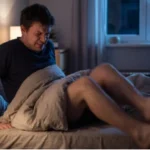







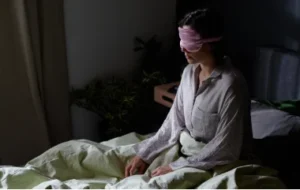


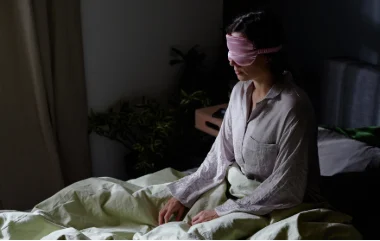
It begins with a subtle shift in the bedroom’s atmosphere—the rhythmic breathing of a loved one is suddenly interrupted by incoherent muttering or the abrupt sound of movement. Perhaps you find them sitting bolt upright, eyes wide yet vacant, or you encounter them wandering the hallways in the dead of night. For those witnessing these phenomena, the experience is often jarring, confusing, and, for the uninitiated, deeply alarming.
These nocturnal occurrences are not manifestations of dreams or supernatural intrusions; they are clinical phenomena known as Non-Rapid Eye Movement (NREM) Disorders of Arousal. This umbrella term encompasses three distinct but related sleep disturbances: sleepwalking (somnambulism), confusional arousals, and sleep terrors. While they share common physiological roots, understanding the nuance of each is essential for families and individuals seeking peace of mind and, when necessary, professional medical intervention.
Main Facts: The Physiology of the "Partial Wake"
At their core, NREM arousal disorders are essentially "glitches" in the brain’s transition between sleep stages. During a healthy sleep cycle, the brain moves through various stages of NREM sleep—ranging from light to deep, slow-wave sleep—before transitioning into REM (Rapid Eye Movement) sleep.
NREM disorders of arousal occur when the brain attempts to shift from deep, slow-wave sleep to a lighter stage or wakefulness but becomes "stuck" in a hybrid state. In this state, the brain’s motor centers may be activated, allowing the person to move or speak, while the cortical centers responsible for memory, complex decision-making, and conscious awareness remain largely dormant.
The Defining Characteristics
Regardless of the specific disorder, these episodes generally share three key features:
- Timing: They occur almost exclusively during the first third or first half of the night, when deep, slow-wave sleep is most prevalent.
- Reduced Awareness: The individual is not fully conscious. Their reactions to the environment are often slow, sluggish, or inappropriate.
- Amnesia: Most individuals have little to no memory of the event the following morning, as the brain did not record the experience into long-term memory.
Chronology: The Anatomy of an Episode
To the casual observer, an episode of an arousal disorder can feel erratic, but clinicians note a distinct internal chronology.
The Onset
The process begins abruptly. The sleeper is typically in Stage 3 (deep) sleep when a sudden stimulus—perhaps a noise, a full bladder, or an underlying physiological trigger—initiates an arousal. Because the transition is incomplete, the person does not wake up refreshed; instead, they enter a state of "sleep-wake confusion."
The Manifestation
- Phase 1: Confusion. The person may sit up, groan, or look around the room with a glazed expression. They are technically "aroused" but not "awake."
- Phase 2: The Primary Behavior. Depending on the disorder, the episode then diverges. A confusional arousal remains static, with the person staying in bed. A sleep terror manifests as a sudden autonomic spike (screaming, rapid heartbeat). Sleepwalking involves the initiation of movement, where the person physically exits the bed to navigate their surroundings.
- Phase 3: The Resolution. The episode ends as quickly as it began. The person either drifts back into a natural sleep cycle or is gently guided back to bed. They rarely remember the event, and if they do, the memory is usually fragmented or illogical.
Supporting Data: Understanding the Three Pillars
While they overlap, differentiating between these disorders is vital for diagnostic accuracy.
1. Confusional Arousals: The "Sleep Drunkenness"
These are often the mildest form of NREM disorders. The individual may sit up in bed, look disoriented, or speak in nonsensical phrases. The defining factor here is confinement to the bed. They appear awake, but their cognitive faculties are heavily impaired. They are not acting out a dream; they are simply unable to orient themselves to the reality of the room.
2. Sleepwalking (Somnambulism)
Sleepwalking involves complex motor activity performed while the individual is still in a deep sleep state. This ranges from simple behaviors—such as rearranging bedding or walking to a door—to highly complex tasks like cooking, driving, or dressing. The danger here lies in the individual’s lack of awareness regarding their surroundings. They may stumble, fall, or walk into dangerous objects, as their spatial reasoning is essentially offline.
3. Sleep Terrors (Night Terrors)
Often the most distressing for parents or partners, sleep terrors involve a sudden, violent arousal characterized by intense fear. Unlike a nightmare, which occurs during REM sleep and involves a vivid narrative, a sleep terror is a physiological explosion. The person may scream, thrash, sweat, and exhibit a racing heart. Because the person is not fully awake, they are often inconsolable, and attempting to physically restrain them can sometimes escalate their perceived fear.
Official Responses and Risk Factors: Why Does This Happen?
Medical experts, including the American Academy of Sleep Medicine, highlight that while these disorders are most prevalent in children, they can persist into adulthood. The prevalence in children is largely attributed to an immature central nervous system that is still learning to regulate the transition between sleep stages.
Common Triggers
When these disorders emerge in adults or persist unexpectedly, clinicians investigate several key triggers:
- Sleep Deprivation: The most common culprit. A chronically sleep-deprived brain is more likely to experience "rebound" deep sleep, which creates a higher risk of failed transitions.
- Fever and Illness: High body temperatures can disrupt sleep architecture, making arousal episodes more frequent.
- Medications and Substances: Certain sedative-hypnotics, antidepressants, and even alcohol consumption can fragment sleep cycles.
- Stress and Anxiety: High psychological pressure often correlates with fragmented sleep, which serves as a catalyst for NREM disorders.
- Underlying Sleep Conditions: Conditions like Obstructive Sleep Apnea (OSA) or Restless Legs Syndrome (RLS) can cause micro-arousals that trigger a full-blown NREM event.
Implications: Safety and Clinical Intervention
The primary concern regarding NREM arousal disorders is safety. While the disorders themselves are not usually "dangerous" in a psychiatric sense, the environment in which they occur can be.
When to Seek Professional Help
It is time to consult a sleep specialist if:
- Injury occurs: Either to the sleeper or a bed partner.
- Frequency: Episodes occur several times a week or are increasing in intensity.
- Age of Onset: If sleepwalking begins or persists into adulthood, it may indicate a deeper underlying neurological issue or a severe reaction to medication.
- Behavioral Complexity: If the person engages in dangerous activities like leaving the house or handling appliances.
The Diagnostic Process
A doctor will typically begin by ruling out other conditions. This may involve a sleep study (polysomnography) to observe brain waves and physiological markers during an episode. They will also collect a detailed sleep history, ideally from a family member who has witnessed the behavior.
Treatment Pathways
Treatment is not always necessary for children, as they often "outgrow" these behaviors. For adults, the focus is on:
- Sleep Hygiene: Ensuring a consistent, sufficient sleep schedule.
- Safety Precautions: Installing door alarms, removing tripping hazards, or securing windows.
- Stress Management: Addressing anxiety that may be disrupting sleep architecture.
- Medication: In rare, severe cases, doctors may prescribe medication to suppress the specific sleep stages where these episodes occur.
Conclusion: The Path Forward
Witnessing a sleep terror or finding a loved one wandering in the night is a startling experience, but it is important to remember that these are physiological events, not behavioral choices. Most episodes are benign and self-limiting.
By observing the specific nature of the episode—is the person in bed? Are they terrified? Are they moving with purpose?—you provide the essential data needed for a physician to offer guidance. Whether through simple environmental safety measures or clinical intervention, most individuals can manage these disorders and return to a restful, undisturbed night’s sleep. If you are concerned, do not hesitate to document the events and start a conversation with a sleep professional; your peace of mind is as vital as the sleep you seek to protect.