





The landscape of psychiatric care is undergoing a profound transformation. For decades, the management of bipolar disorder relied almost exclusively on a "triad of care": mood-stabilizing medications (such as lithium or valproate), psychotherapy (notably Cognitive Behavioral Therapy), and rigorous lifestyle management. While these cornerstones remain effective for a significant portion of the population, a substantial subset of patients continues to struggle with treatment-resistant symptoms, debilitating side effects, and the persistent threat of mood "cycling."
Today, a new wave of innovation—ranging from magnetic brain stimulation to psychedelic-assisted protocols—is offering fresh avenues for those who have found traditional methods insufficient. These emerging therapies aim to provide what traditional antidepressants often cannot: rapid relief from bipolar depression without the high risk of triggering a manic switch.
Main Facts: The Shift Beyond Conventional Pharmacotherapy
Bipolar disorder is a complex neurobiological condition characterized by extreme shifts in mood, energy, and activity levels. Unlike major depressive disorder (MDD), treating bipolar depression requires a delicate balancing act; many standard antidepressants can inadvertently "overshoot" the target, propelling a patient into hypomania or full-blown mania.
Emerging treatments are defined as innovative therapies that are currently being integrated into clinical practice, often "off-label," or are undergoing rigorous clinical trials. These include:
- Neuromodulation: Techniques like Transcranial Magnetic Stimulation (TMS) and Vagus Nerve Stimulation (VNS) that use physical energy to alter brain activity.
- Rapid-Acting Antidepressants: Substances like ketamine and its derivative, esketamine, which target the glutamate system rather than serotonin or norepinephrine.
- Psychedelics: Investigational use of psilocybin to "reset" neural pathways.
- Circadian Interventions: Using light and dark therapy to regulate the body’s internal clock.
The primary driver behind these innovations is the high rate of "treatment resistance." Statistics suggest that a significant percentage of individuals with bipolar disorder do not achieve full remission with first-line medications, leading to a desperate need for alternative interventions that can stabilize the brain’s mood-regulating circuitry.
Chronology: From Electroconvulsive Therapy to Molecular Modernism
The evolution of bipolar treatment has moved from global, invasive interventions toward localized, targeted therapies.
- The Mid-20th Century: The discovery of lithium in 1949 and the refinement of Electroconvulsive Therapy (ECT) provided the first real hope. While ECT remains the "gold standard" for severe, life-threatening depression, its side effects—such as memory loss—created a demand for more refined brain stimulation.
- The 1990s and Early 2000s: Transcranial Magnetic Stimulation (TMS) emerged as a non-invasive alternative to ECT. Initially cleared for unipolar depression, researchers began exploring its efficacy for the depressive phase of bipolar disorder.
- 2005–2010: The FDA cleared Vagus Nerve Stimulation (VNS) for treatment-resistant depression, marking the beginning of "implantable" psychiatric devices.
- 2019: The FDA approval of Esketamine (Spravato) for treatment-resistant unipolar depression sent shockwaves through the psychiatric community, prompting widespread off-label use for bipolar depression due to its rapid effect on suicidal ideation.
- 2024–2025: Recent meta-analyses and clinical guidelines, including the 2025 International Society for Bipolar Disorders (ISBD) recommendations, have formally recognized the role of bright light therapy and highlighted the potential of TMS in standardized bipolar care.
Supporting Data: Analyzing the Efficacy of Emerging Protocols
1. Neuromodulation: TMS and VNS
Transcranial Magnetic Stimulation (TMS) uses electromagnetic coils to deliver pulses to the dorsolateral prefrontal cortex—an area often underactive in depressed patients. A 2025 systematic review and meta-analysis confirmed that TMS significantly reduced symptoms in adults with bipolar depression. While it is not yet FDA-approved specifically for bipolar disorder, the data suggests it is easier to tolerate than ECT, with side effects limited mostly to mild headaches or scalp discomfort.
Vagus Nerve Stimulation (VNS) involves a surgically implanted device that stimulates the vagus nerve. In a landmark five-year observational study published in the International Journal of Bipolar Disorders, 63% of participants who added VNS to their usual treatment responded favorably, compared to only 39% in the control group. However, because VNS requires surgery and lacks specific FDA approval for bipolar disorder, insurance coverage remains a significant barrier.
2. The Ketamine Revolution
Ketamine acts on N-methyl-D-aspartate (NMDA) receptors, providing a rapid antidepressant effect that can begin within hours. For individuals in a state of acute suicidal crisis, this speed is life-saving. A study of 75 patients with unipolar and bipolar depression found that approximately half reached remission after just three intravenous (IV) infusions over 11 days. Despite this, the risk of "dissociation" and blood pressure spikes requires that these treatments be administered in strictly controlled clinical settings.
3. Psilocybin and the Psychedelic Frontier
Psilocybin, the active compound in "magic mushrooms," is currently a "Breakthrough Therapy" according to the FDA. A small but pivotal study in JAMA Psychiatry followed 14 individuals with bipolar 2 depression who received a single 25mg dose. The results showed a significant lift in depression without inducing mania. However, researchers warn that people with bipolar 1 (characterized by more severe mania) remain at higher risk for psychedelic-induced psychosis and are generally excluded from current trials.
4. Chronotherapy: Light and Dark
The ISBD’s 2025 clinical recommendations now support bright light therapy as a safe add-on for bipolar depression. The data suggests that starting with 15 minutes of exposure in the midday (rather than early morning) can mitigate the risk of a manic switch. Conversely, "Dark Therapy"—using amber-tinted glasses to block blue light in the evening—has shown promise in reducing manic symptoms by stabilizing the production of melatonin.
Official Responses and Regulatory Status
The regulatory landscape for these therapies is complex. While the FDA has granted "Breakthrough" status to several of these interventions, official approval for bipolar disorder specifically is often lagging behind unipolar depression.
- The FDA Position: Currently, esketamine (Spravato) is FDA-approved for MDD but remains "off-label" for bipolar disorder. Similarly, TMS devices are cleared for MDD but not specifically for bipolar depression. This "off-label" status means that while doctors can legally prescribe these treatments, they are rarely covered by private insurance or Medicare for bipolar patients.
- The ISBD Guidelines: The International Society for Bipolar Disorders has become more proactive in vetting these treatments. Their 2025 recommendations emphasize that while light therapy is ready for clinical use, treatments like psilocybin and VNS require more "robust, randomized controlled trials" before they can be considered first-line options.
- The Black Box Warnings: The FDA maintains a "Black Box" warning on esketamine due to risks of sedation, dissociation, and potential for abuse. Experts like Dr. David Frederick of McLean Hospital emphasize that these risks necessitate a "closed-loop" clinical environment where patients are monitored for hours post-treatment.
Implications: The Future of Personalized Bipolar Care
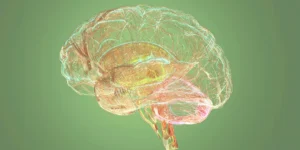
The emergence of these therapies signals a move toward "Precision Psychiatry." Rather than relying on a trial-and-error approach with oral medications that may take months to work, psychiatrists are beginning to tailor treatments to the specific neural circuitry of the patient.
Economic and Access Challenges
The most significant implication of these emerging therapies is the widening gap in healthcare equity. TMS courses can cost thousands of dollars, and VNS surgery is prohibitively expensive without insurance. As long as these treatments remain "emerging" or "off-label," they may only be accessible to those with significant financial resources, leaving the most vulnerable populations reliant on older, potentially less effective medications.
The Risk of the "Quick Fix"
There is a growing concern among medical professionals regarding the "commercialization" of ketamine and psychedelics. The rise of at-home ketamine services and "pop-up" clinics may bypass the comprehensive psychiatric evaluation necessary to ensure a patient isn’t at risk for mania. Experts stress that these treatments are not "cures" but tools that must be integrated into a long-term, holistic management plan.
Conclusion
For the millions of people living with bipolar disorder, the message of 2025 is one of cautious optimism. The transition from global medications to targeted brain stimulation and rapid-acting molecular therapies offers a path to stability that was previously unimaginable. However, the golden rule of bipolar management remains: innovation must never come at the expense of safety. Close psychiatric supervision, stable mood-stabilizing foundations, and a patient-centered approach are essential as we navigate this new frontier of mental health.