









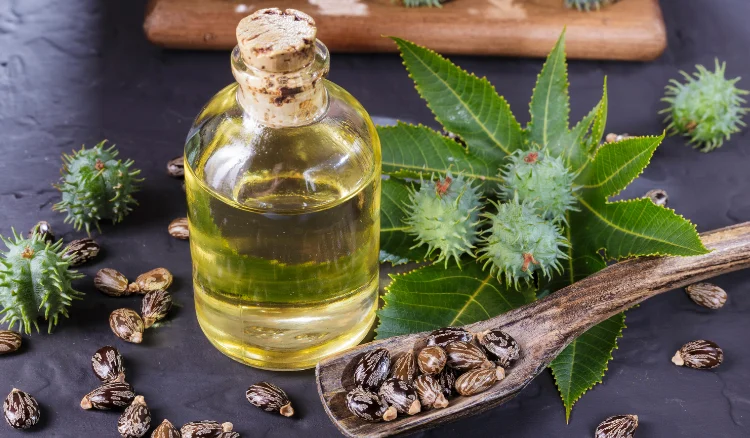
In the digital age, wellness trends often emerge as ephemeral flashes, gaining viral momentum on platforms like TikTok and Instagram before fading into obscurity. However, a recent resurgence surrounding castor oil—applied to the navel, dropped into eyes, and massaged into joints—represents a different phenomenon. This is not a fleeting “hack” born of modern algorithms, but a homecoming to one of the most storied botanical staples in the history of traditional medicine.
At The Ayurvedic Institute, this trend is viewed through a lens of profound respect. The castor plant, known in Sanskrit as Eranda, has been a cornerstone of Ayurvedic practice for thousands of years. Its broad, expansive leaves, likened in ancient texts to the open hand of a celestial musician, serve as a potent symbol of the healing gesture of giving. As modern society grows increasingly disillusioned with synthetic interventions, the rediscovery of this ancient oil marks a significant shift toward nature-based, time-tested wisdom.
The Main Facts: The Chemistry of Balance
To understand why castor oil has captured the collective imagination, one must first understand its unique energetic profile. In Ayurveda, substances are categorized by their gunas (qualities), rasa (taste), virya (energy), and vipaka (post-digestive effect).
Castor oil is a rarity in the natural world because it possesses the unique ability to balance all three doshas—Vata, Pitta, and Kapha. Its physical qualities are heavy, oily, sharp, and subtle. Its taste profile is sweet, pungent, and astringent. Perhaps most interestingly, its energy is heating when ingested but remarkably cooling when applied topically. Its post-digestive effect is sweet, providing a grounding influence that persists long after consumption.
This rare combination of properties allows it to function as a Swiss Army knife of therapeutic applications. While Western wellness content often treats castor oil as a "one-size-fits-all" solution, Ayurvedic practitioners emphasize that it is a potent medicine. To use it effectively, one must recognize that individual constitution—or prakriti—dictates the outcome.
Chronology: From Ancient Texts to Global Modernity
The history of castor oil is inextricably linked to the evolution of Ayurveda itself.
- Ancient Origins: The Charaka Samhita and other foundational Vedic texts categorize Eranda as a primary medicinal plant. It was historically employed for its purgative properties, its ability to alleviate joint pain, and its role in liver detoxification.
- Classical Application: For millennia, practitioners have utilized the oil as a vehicle—or anupana—to carry other medicinal herbs deep into the tissues of the body.
- The 20th Century Transition: Figures like Dr. Vasant Lad brought these traditional teachings to the West, demystifying the complex protocols of Ayurveda for a global audience through clinical practice and pedagogical writing.
- The 21st Century Digital Surge: Within the last 24 months, the "castor oil pack" and "navel oiling" have exploded in popularity. Social media users are reporting anecdotal successes in everything from skin clarity to digestive regularity, signaling a broader movement of "returning to the roots" of holistic health.
Supporting Data: Tailored Protocols by Dosha
The efficacy of castor oil is not universal; it is highly dependent on how it is applied based on one’s dominant dosha.
For Vata Types (Movement and Air)
Vata imbalances often manifest as dryness, cracking joints, and sluggish digestion. When the colon becomes dry, Vata types may experience chronic constipation.
- The Protocol: A blend of castor oil and sesame oil (a warming, grounding oil) serves as a superior moisturizer for dry, rough skin. For joint pain, a warm castor oil compress provides deep, penetrating relief that softens hardened tissue without the harshness of chemical topical analgesics.
For Pitta Types (Fire and Transformation)
Pitta imbalances present as heat—inflamed skin, burning eyes, or an overworked liver.
- The Protocol: Dr. Vasant Lad famously recommends one drop of pure, high-quality castor oil in each eye before sleep. Because the eyes are the primary seat of alochaka pitta, this simple practice serves to soothe internal heat. For sun protection, a mixture of half castor oil and half neem oil provides a natural, cooling barrier for sensitive, inflammation-prone skin.
For Kapha Types (Earth and Water)
Kapha imbalances often result in accumulation—mucus, weight gain, and organ congestion.
- The Protocol: The practice of oiling the navel (nabhi) is highly effective here. The navel is the junction of prana (life force) and apana vayu. Applying warm castor oil in circular strokes while resting in morning sunlight stimulates the liver and spleen, helping the body purge stagnant Kapha. For cystic tissue or calluses, warm castor oil packs applied for 20–30 minutes can assist in breaking down accumulations.
Official Responses and Clinical Perspectives
The medical community and Ayurvedic practitioners offer a nuanced perspective on this trend. While the external benefits are widely lauded, there is a clear divide regarding internal usage.
"The power of castor oil lies in its potency," notes the faculty at The Ayurvedic Institute. "Because it is a powerful purgative, internal use should never be a guessing game."
Qualified practitioners warn against self-prescribing castor oil for internal issues. While it is used for digestive support, the dosage, the carrier agent, and the timing are critical variables. Improper use can lead to gastrointestinal distress rather than the intended detoxification. Furthermore, internal castor oil is strictly contraindicated for pregnant women, those with ulcerative gastrointestinal conditions, or individuals suffering from acute inflammatory bowel diseases.
Implications: The Deeper Invitation
The current fascination with castor oil is symptomatic of a deeper human craving: a desire for efficacy that is both natural and ancestral. We are living in an era where synthetic solutions are increasingly viewed with suspicion, and the return to the earth is not just a trend—it is a necessary recalibration of our health paradigms.
However, the implication of this resurgence is a call for greater education. If we are to adopt the practices of our ancestors, we must adopt the wisdom of our ancestors as well. This means moving away from the "quick fix" mentality of modern social media and toward a personalized, constitutional understanding of the body.
Frequently Asked Questions (FAQ)
Is castor oil safe for daily use?
Externally, yes. It is well-tolerated and can be a staple in your daily self-care. Internally, no—daily use is a powerful medical intervention that requires professional oversight.
What is the significance of the navel?
In Ayurveda, the navel is the nabhi, the energetic center of the body. Applying oil here is not merely a topical treatment; it is intended to stimulate the flow of prana through the energy channels connected to the abdominal organs.
Can it help with skin and hair?
Castor oil is highly emollient. When mixed with lighter carrier oils like coconut or sesame, it acts as a deep conditioner for the hair and a nourishing barrier for inflamed skin.
How does it improve digestion?
Castor oil is a classic purgative. It works by stimulating the movement of the colon and assisting the body in the removal of ama (metabolic waste). However, it is a tool to be used under the guidance of a practitioner to ensure it matches the individual’s digestive capacity.
Conclusion
As we look toward the future of wellness, the castor oil phenomenon serves as a bridge between the ancient and the modern. It invites us to stop treating our bodies as machines that need fixing and start viewing them as ecosystems that need nurturing. Whether you are seeking relief for dry skin or looking to deepen your understanding of Ayurvedic cleansing, the path forward is one of informed, intentional practice.
For those ready to move beyond the viral posts and into the depth of this tradition, the journey begins with study, respect for the plant, and a commitment to understanding your own unique constitution. The wisdom of the Eranda is waiting—but as with all true medicine, the most important step is knowing how to approach it.