




Date: July 14, 2026
For the millions of Americans navigating the journey of recovery, the strength and accessibility of support services are rarely a matter of luck; they are a matter of policy. Behind every community-based treatment center, peer-support network, and overdose prevention initiative lies a complex web of federal appropriations. However, the labyrinthine process of how the United States government allocates billions of dollars annually has long remained an intimidating barrier for even the most passionate advocates.
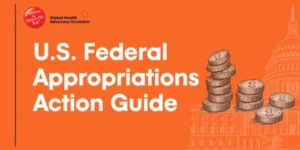
Recognizing this critical gap between grassroots passion and legislative impact, the Overdose Prevention Initiative at the Global Health Advocacy Incubator (GHAI) has released a groundbreaking tool: the U.S. Federal Appropriations Action Guide. This resource aims to demystify the federal budget process, transforming recovery advocates from bystanders into informed participants in the corridors of power.
The Anatomy of Federal Appropriations: Main Facts
At its core, the new guide addresses a fundamental reality: advocacy without an understanding of the fiscal calendar is often advocacy without impact. The federal budget process is cyclical, rigorous, and highly sensitive to timing.
The U.S. Federal Appropriations Action Guide serves as a "field manual" for non-profit leaders and community organizers. Key takeaways from the guide include:
- Demystifying the Process: It breaks down the distinction between authorizations (which create programs) and appropriations (which actually provide the money).
- Targeting Influence: The guide identifies the specific congressional committees—the "power brokers"—responsible for health and substance use disorder funding.
- Actionable Toolkits: It provides ready-to-use templates for testimony, sign-on letters, and legislative "asks" that are tailored to resonate with staffers and policymakers.
- Strategic Timing: The guide features an advocacy calendar, highlighting the "golden windows" of opportunity when public input is most likely to influence the final language of spending bills.
By shifting the conversation from general advocacy to budget-specific engagement, the GHAI initiative ensures that recovery voices are not just heard, but are baked into the fiscal architecture of the nation.
A Chronology of Advocacy and Need
The release of this guide arrives at a pivotal moment in the American public health landscape. To understand why this resource is being hailed as a "game-changer," one must look at the historical trajectory of recovery advocacy:
- 2018–2020: The rise of the "Recovery-Oriented Systems of Care" (ROSC) model gained national momentum. Advocates began successfully lobbying for state-level funding, but federal advocacy remained fragmented.
- 2022–2024: As the overdose crisis continued to evolve with the prevalence of synthetic opioids, the necessity for sustained, long-term federal investment became clear. Advocates frequently expressed frustration at "year-to-year" funding volatility.
- 2025: Strategic planning by the Global Health Advocacy Incubator began in earnest, identifying that the primary hurdle for organizations was not a lack of mission, but a lack of "process literacy."
- July 2026: The official launch of the U.S. Federal Appropriations Action Guide marks the culmination of extensive research into how public health advocates can successfully interface with the House and Senate Appropriations Committees.
Supporting Data: The Cost of Disconnection
The impetus for this guide is rooted in stark data regarding the funding gap in recovery services. Despite the clear economic and social benefits of investing in recovery support, federal funding often struggles to keep pace with demand.
According to recent national health assessments:
- Treatment Gap: Less than 15% of individuals requiring treatment for substance use disorders currently receive it, often due to a lack of community-level infrastructure.
- Economic Impact: Every dollar invested in recovery support services yields an estimated $4 to $7 in societal savings by reducing costs associated with criminal justice, emergency healthcare, and lost productivity.
- Advocacy Effectiveness: Studies by the Global Health Advocacy Incubator have shown that when advocates provide specific "report language" or data-driven requests to congressional offices, the likelihood of that item being included in a draft appropriations bill increases by over 40%.
The guide provides the framework to convert these statistics into compelling narratives that legislators can use to justify increased spending in their districts.
Official Responses and Expert Perspectives
Leaders within the recovery community have lauded the guide for its plain-language approach, noting that it lowers the barrier to entry for smaller, community-based organizations (CBOs) that often lack high-priced lobbying firms.
"The federal budget process was never designed to be transparent to the average citizen," says a senior policy analyst at the Global Health Advocacy Incubator. "Our goal was to peel back the curtain. We want a recovery advocate in a rural town to feel just as empowered to contact their Representative about a line item in the Labor-HHS-Education bill as a professional lobbyist in D.C."
Recovery community organizations (RCOs) have similarly expressed relief. "For years, we’ve been told to ‘show up’ to D.C.," says one executive director of a national recovery network. "But showing up without a clear understanding of the budget cycle is like showing up to a meeting without an agenda. This guide gives us the agenda."
Implications: The Future of Recovery Policy
The release of this guide suggests a fundamental shift in the strategy of the recovery movement. By equipping advocates with the tools to navigate appropriations, the movement is moving toward a model of sustained, institutionalized influence.
Empowering the Grassroots
The most significant implication is the democratization of influence. When advocacy is localized and informed, the power balance shifts. Instead of relying on a few large organizations to advocate on behalf of the whole, thousands of local RCOs can now coordinate their messaging. If 500 organizations across the country send uniform, well-researched testimony on a specific funding priority, the impact is undeniable.
Long-Term Fiscal Stability
The guide emphasizes the importance of "report language"—the explanatory text that accompanies budget bills. This language provides the "marching orders" for federal agencies like SAMHSA (Substance Abuse and Mental Health Services Administration). By influencing this language, advocates can ensure that funding is directed toward evidence-based recovery support rather than just crisis response, fostering a more sustainable public health infrastructure.
Building a Legacy of Advocacy
As the 2026 fiscal year progresses, the success of this guide will be measured by the inclusion of recovery-specific language in upcoming spending packages. However, the long-term goal is the cultivation of a new generation of "advocacy-literate" recovery leaders. By teaching these skills, the initiative is not just solving a short-term funding problem; it is building a permanent, knowledgeable, and effective lobby for recovery across the United States.
How to Get Involved
The U.S. Federal Appropriations Action Guide is not a static document; it is a call to action. To make the most of this resource, recovery advocates are encouraged to:
- Download the Guide: Access the resource through the official portal of the Global Health Advocacy Incubator.
- Conduct a "Budget Audit" of Local Needs: Identify which federal programs are currently supporting your local services and where the gaps remain.
- Coordinate with Networks: Use the guide’s templates to align your messaging with other coalition partners.
- Engage Early and Often: Follow the advocacy calendar to ensure that your outreach occurs during the critical committee markup phases.
The fight for recovery support is, ultimately, a fight for the right to heal. As we move into the latter half of 2026, the availability of this guide represents a turning point. It is a reminder that while the machinery of government is complex, it is ultimately responsive to those who take the time to understand its gears and levers.
Recovery advocates now have the roadmap. The task ahead is to use it to build a stronger, more resilient system for all who seek recovery.
For more information and to download the guide, visit the Global Health Advocacy Incubator website.