






Updated: October 15, 2026
In an era defined by "tech neck," sedentary office environments, and the omnipresent stress of modern life, neck discomfort has transitioned from a sporadic ailment to a near-universal human experience. Whether caused by prolonged screen time, poor posture, or the psychosomatic manifestations of daily stress, stiff cervical muscles have become a hallmark of the 21st-century professional.
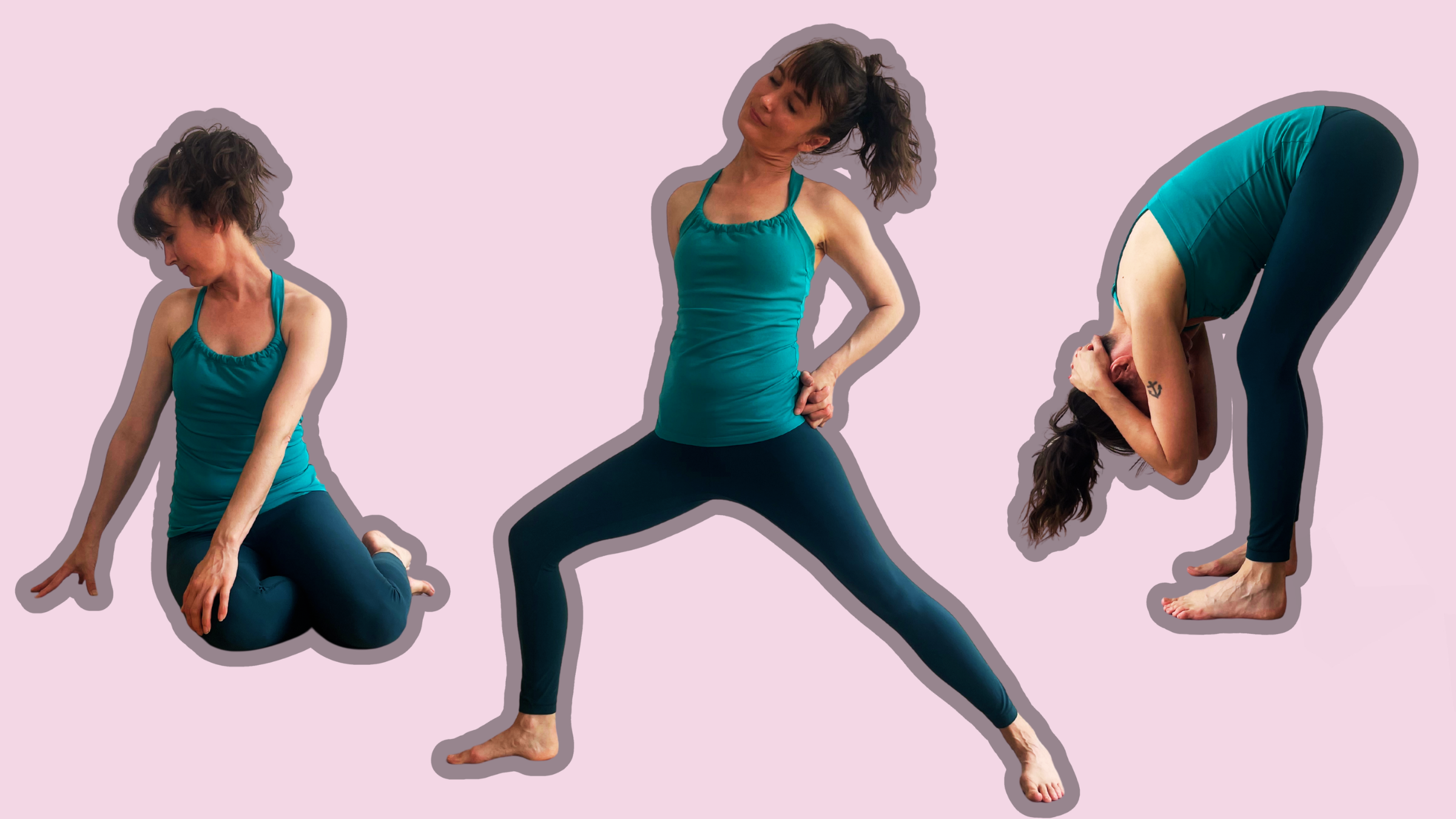
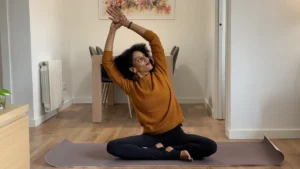
To combat this, longtime yoga instructor Amber Burke, formerly of the University of New Mexico-Taos, has curated a specialized, 15-minute sequence designed to move beyond localized stretching and address the systemic nature of tension. By focusing on the interconnected kinetic chain of the body, Burke’s approach offers a sustainable path toward relief.
The Anatomy of Modern Discomfort: Why Your Neck Isn’t the Only Problem
The premise of Burke’s practice is rooted in a fundamental physiological truth: the neck does not exist in isolation. When an individual feels a "knot" in their trapezius or a sharp ache at the base of their skull, the culprit is often a complex web of compensatory tension originating in the shoulders, thoracic spine, and even the hips.
Scientific research supports this holistic view. Studies have shown that muscular tension in the upper extremities and the spinal column creates a ripple effect, often resulting in secondary cervical strain. By addressing these peripheral areas—the mid-back, the chest, and the hips—practitioners can often unlock the neck more effectively than by stretching the neck directly. "Strategic movement," Burke explains, "is about distributing the load of our daily habits across the entire body, rather than allowing that burden to settle solely in the cervical vertebrae."
A Chronology of Care: The 15-Minute Protocol
Burke’s sequence is designed as a modular tool, suitable for a mid-day laptop break or an evening wind-down ritual. The practice emphasizes "mindful mobilization"—moving with intention rather than forcing a range of motion.
Phase 1: Reclined Decompression
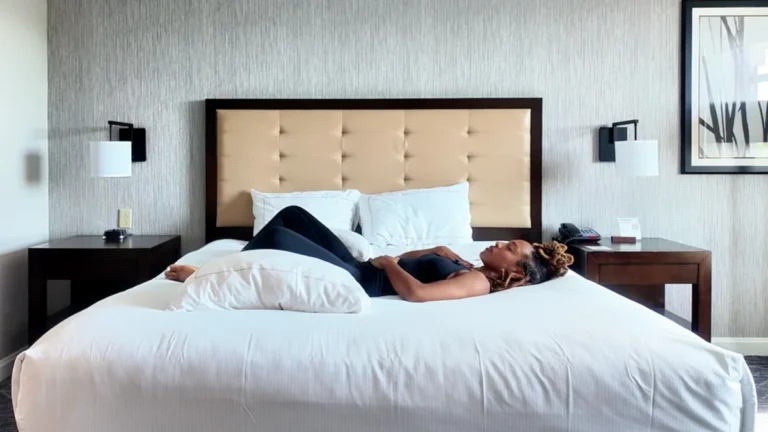
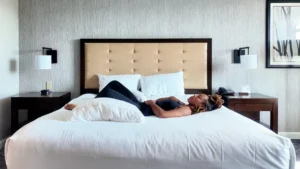
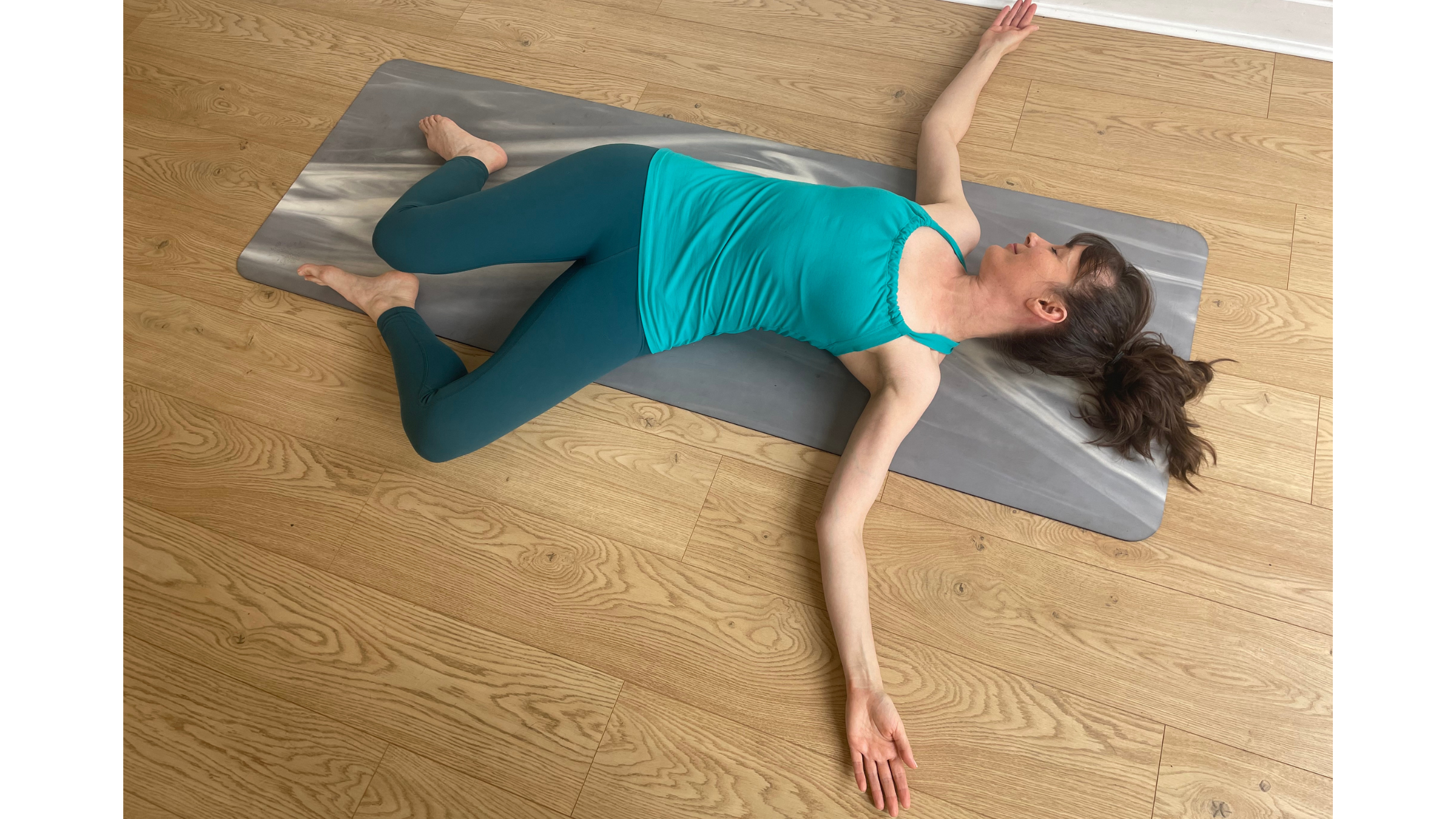
The sequence begins with the Windshield Wiper Variation. By lying supine with knees bent and swaying them side-to-side while turning the head in opposition, the practitioner initiates a gentle, rotational release of the entire spine. Pressing the back of the head into the mat creates a subtle, stabilizing feedback loop that encourages the neck to relax into a neutral, supported position.
Phase 2: Spinal Articulation
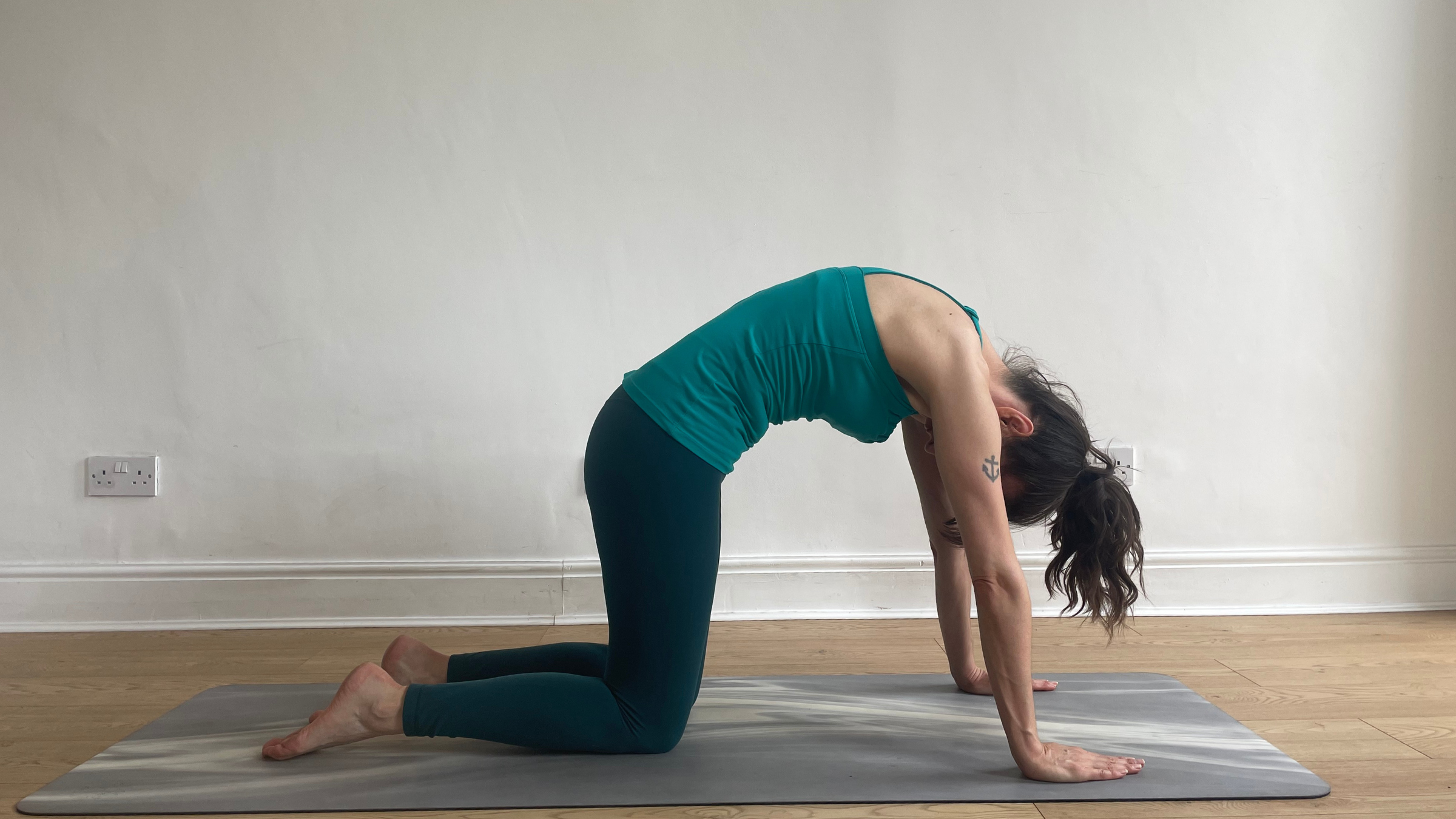
Transitioning to Cat-Cow, the focus shifts to the vertebrae. By alternating between arching the back (Cow) and rounding the spine (Cat), practitioners actively engage the anterior and posterior neck muscles. Inhaling to lift the chin lengthens the throat, while exhaling to tuck the chin stretches the suboccipital muscles—the exact area where most computer-induced tension resides.
Phase 3: Targeted Release
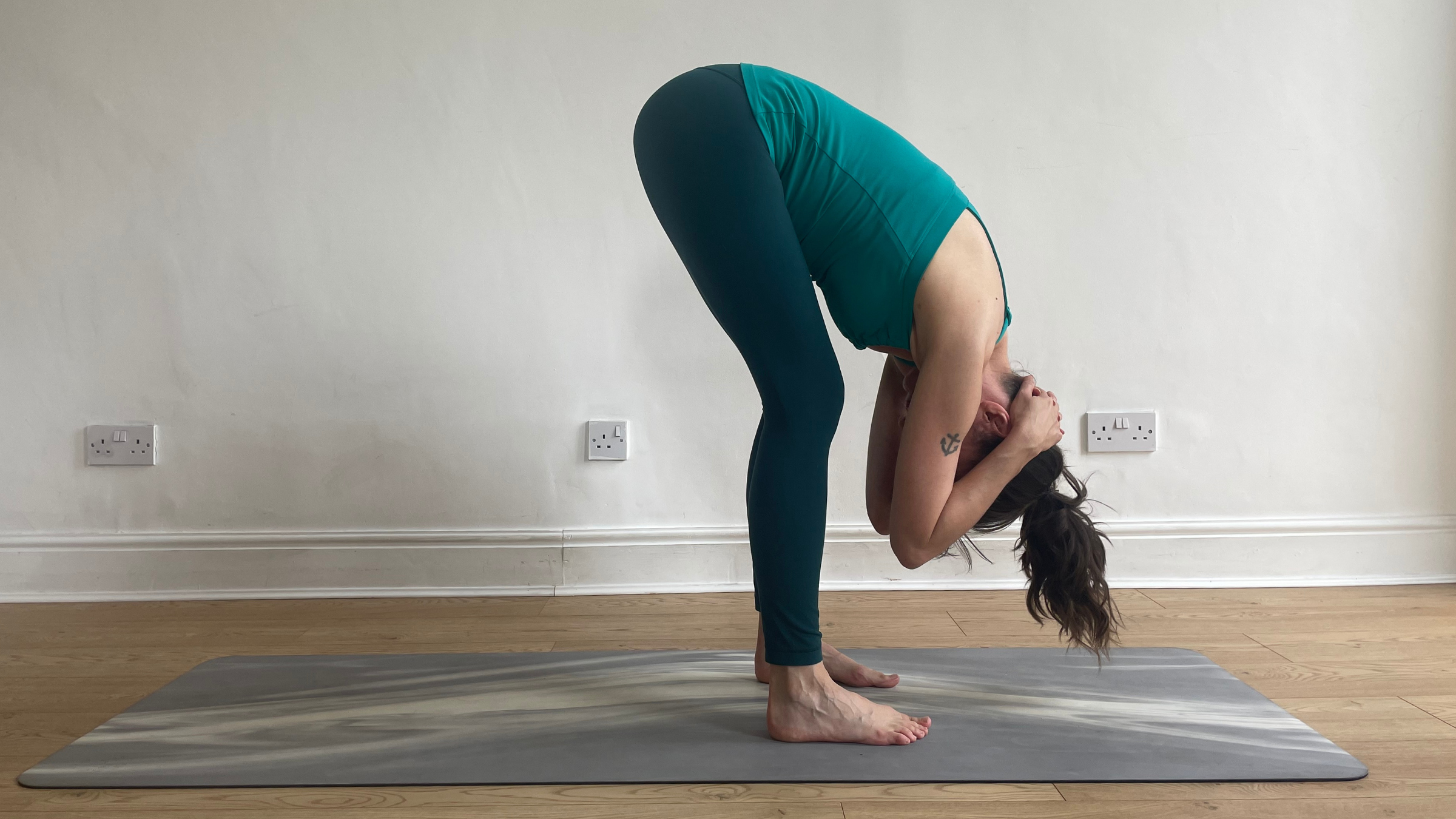
The Standing Forward Fold serves as a gravity-assisted release. By interlacing fingers behind the skull, the practitioner uses the weight of the arms—not force—to gently elongate the cervical spine. Moving the head in "yes" and "no" motions allows for micro-adjustments in the fascia, helping to iron out stubborn knots at the base of the skull.
Phase 4: Dynamic Strengthening
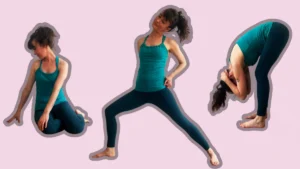
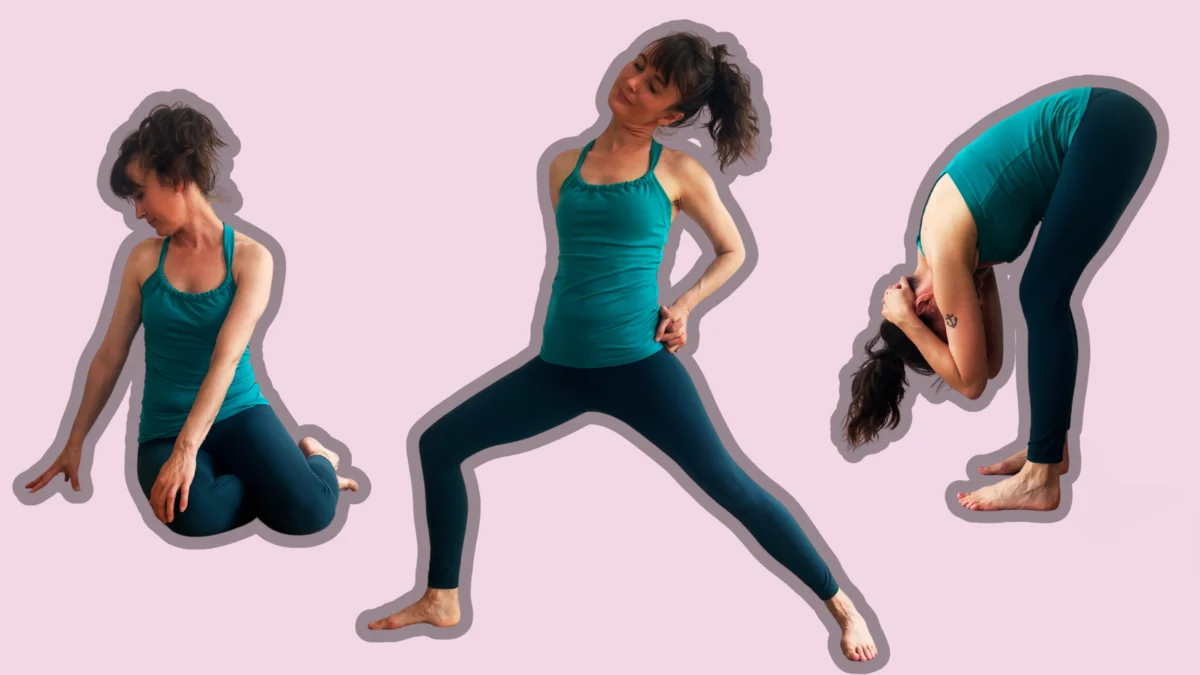
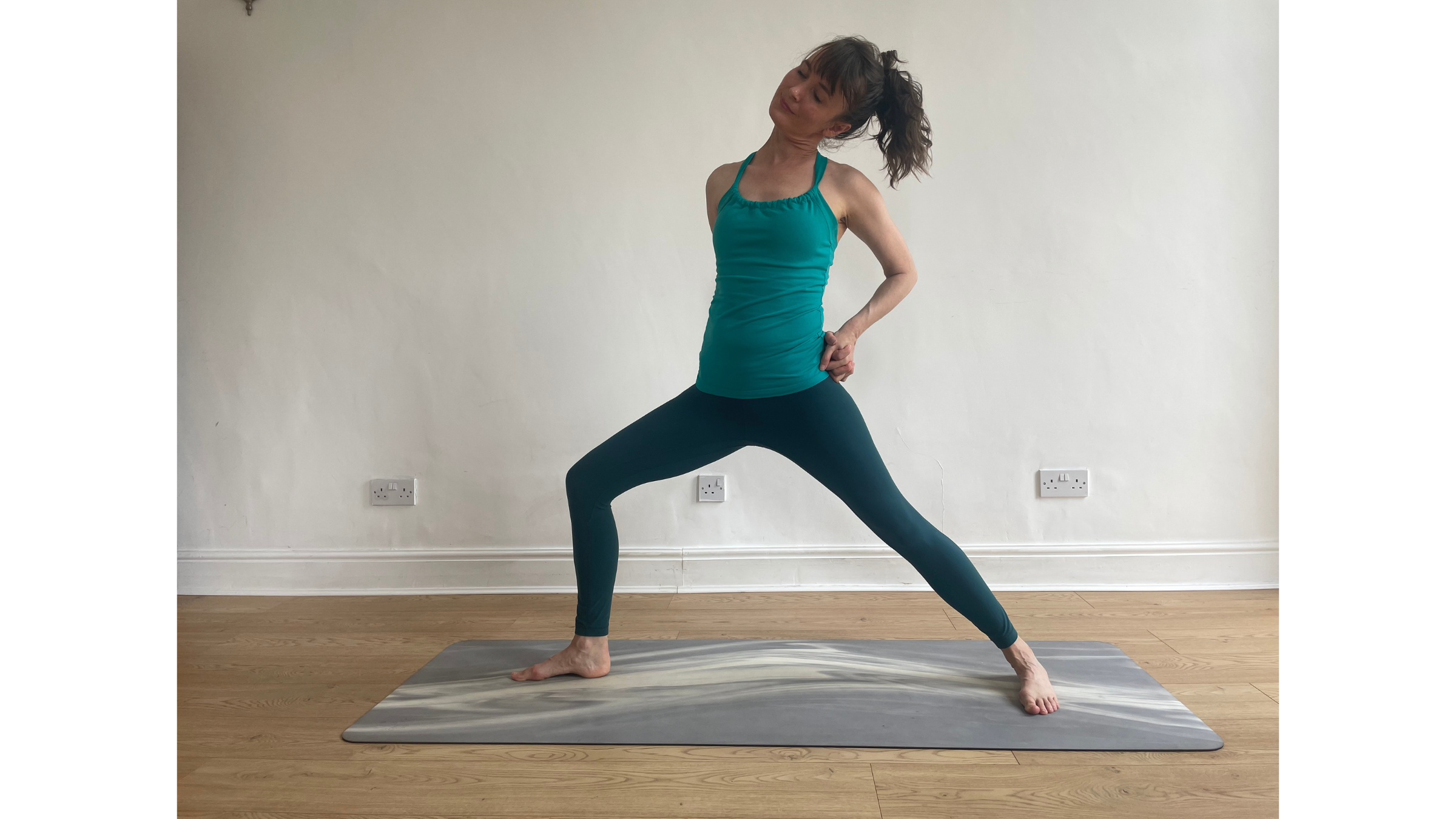
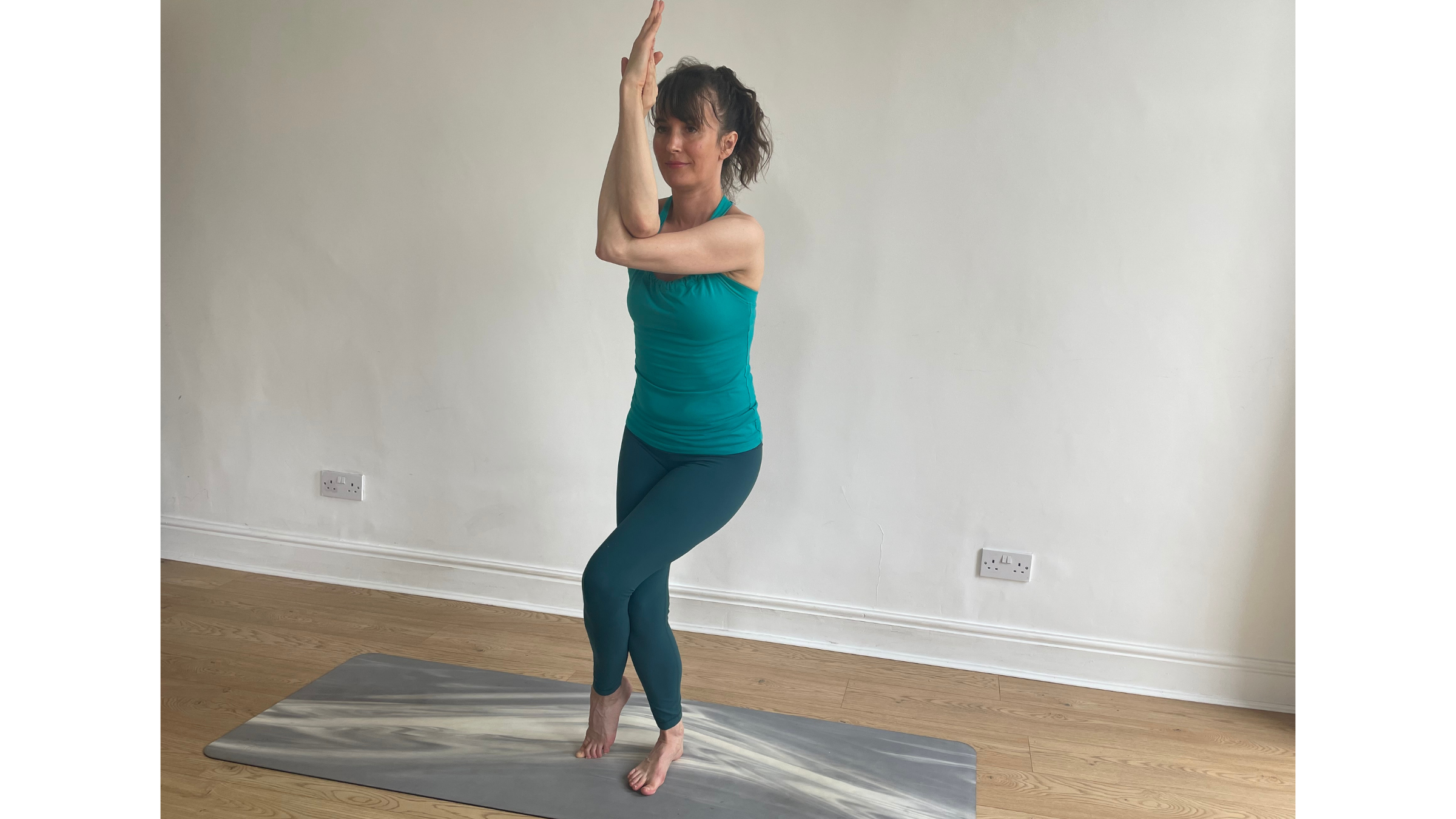
In the Warrior 2 Variation, the focus moves to the shoulders and the lateral neck. By binding the hands behind the back and tilting the ear toward the shoulder, one creates a deep stretch along the scalenes and the upper trapezius. This is followed by the Eagle Pose, which addresses the upper back. By wrapping the arms and lifting the elbows, the practitioner stretches the rhomboids, which often pull on the neck when chronically tight.
Phase 5: Rotational Stability
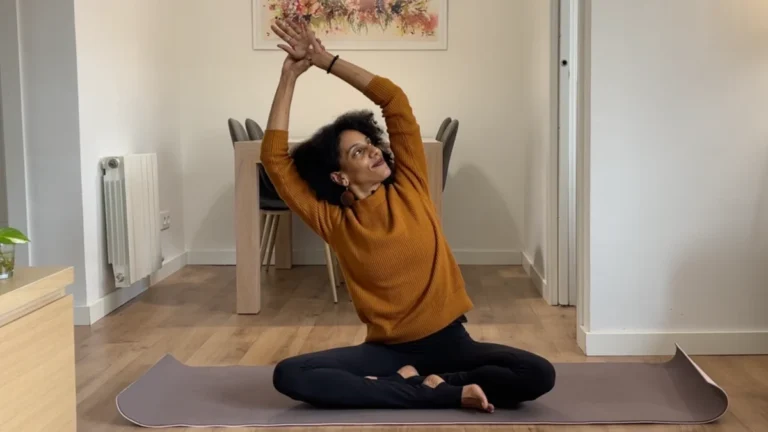
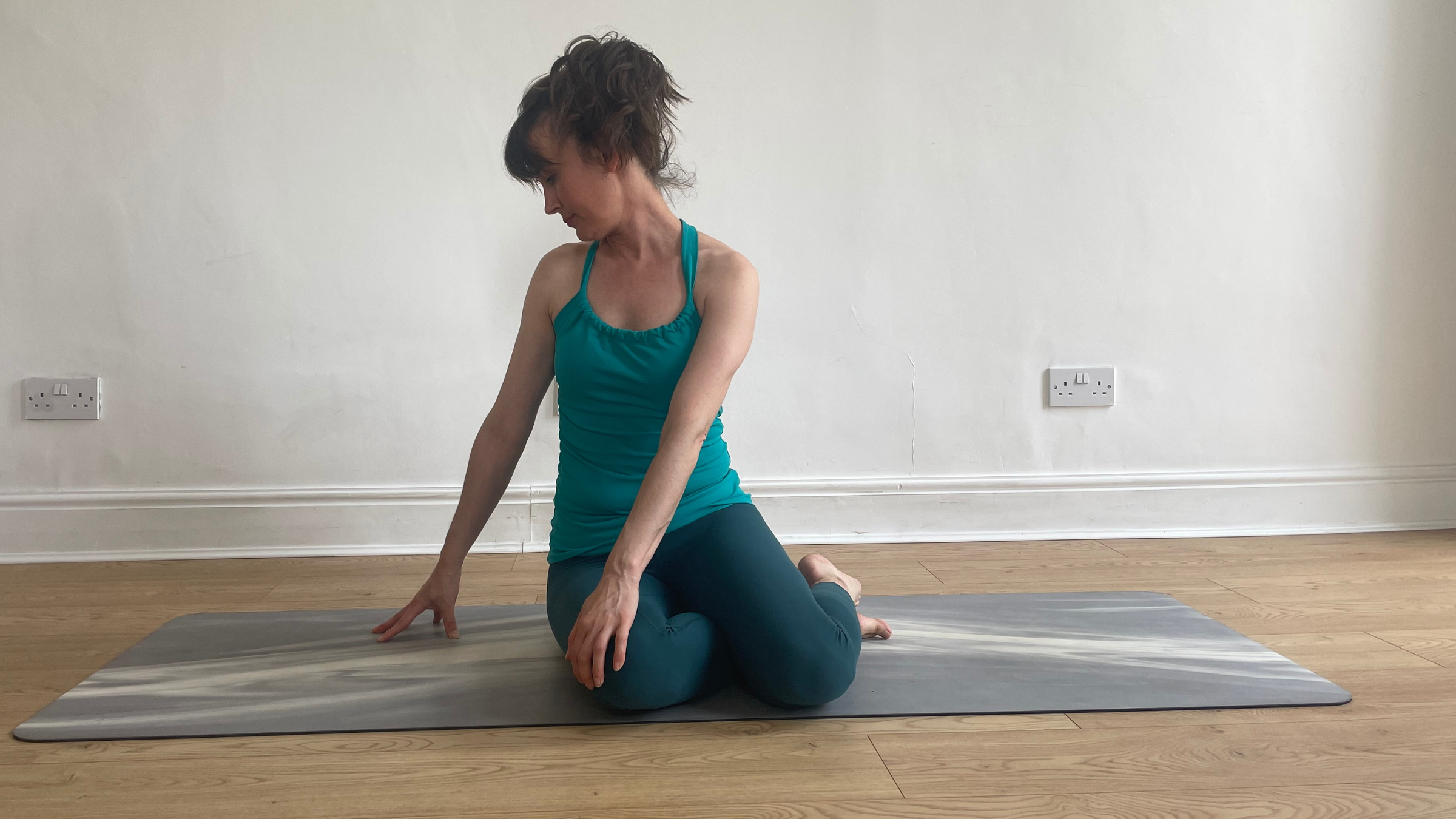
Bharadvaja’s Twist provides a seated, grounded rotation. By twisting the torso while tilting the head, the practitioner works on the deep cervical stabilizers. This movement is particularly effective for those who spend hours in a single, fixed position at a desk, as it reintroduces rotation to a spine that has become rigid.
Phase 6: Posterior Chain Activation
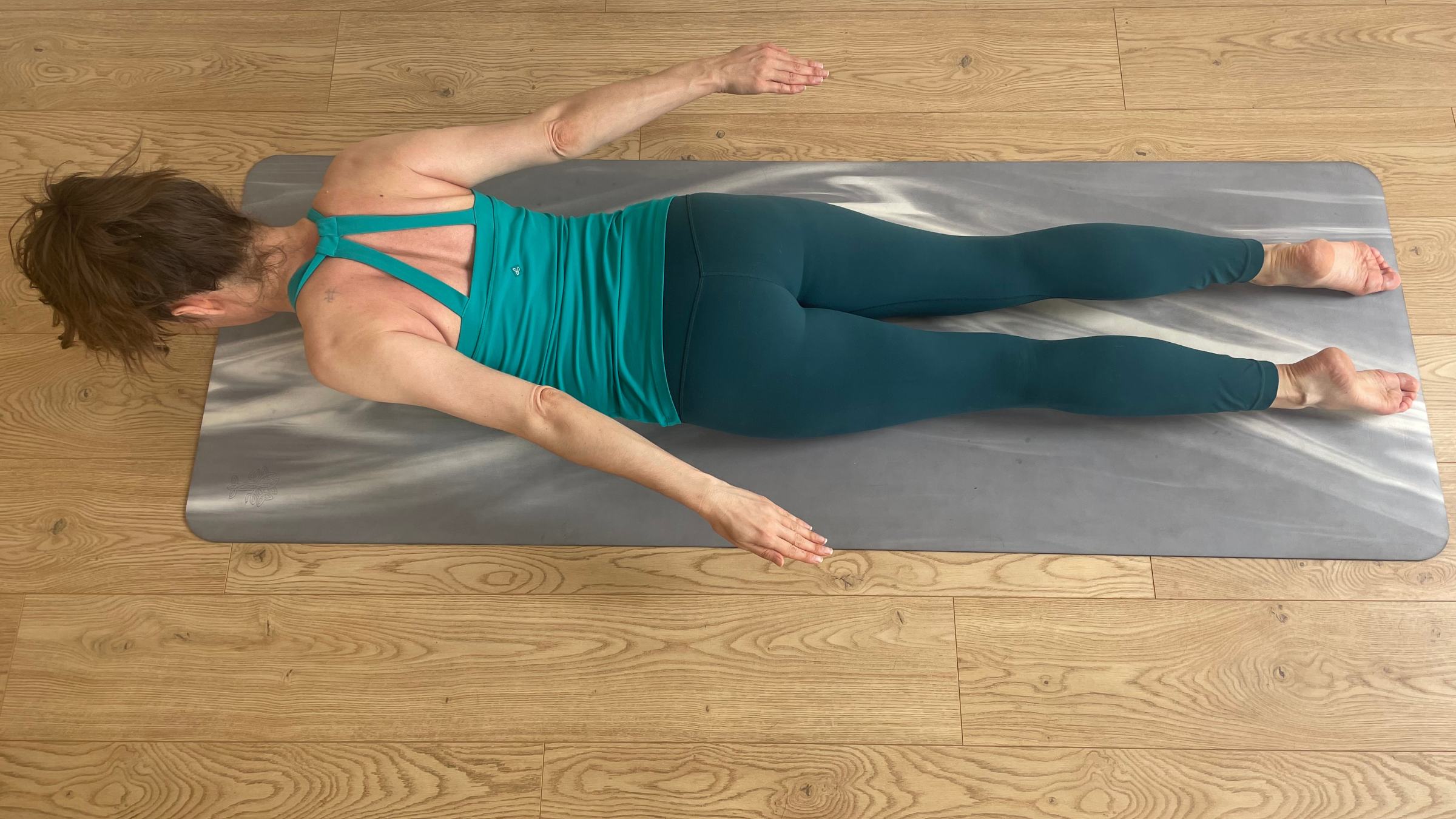
The Locust Pose acts as a counter-stretch to the slumped posture of a desk worker. By lifting the chest and arms while keeping the neck long, the practitioner strengthens the muscles between the shoulder blades. This "crease" between the scapulae is essential; when these muscles are strong, they prevent the shoulders from rounding forward, thereby taking the constant strain off the neck.
Phase 7: Integration and Restoration
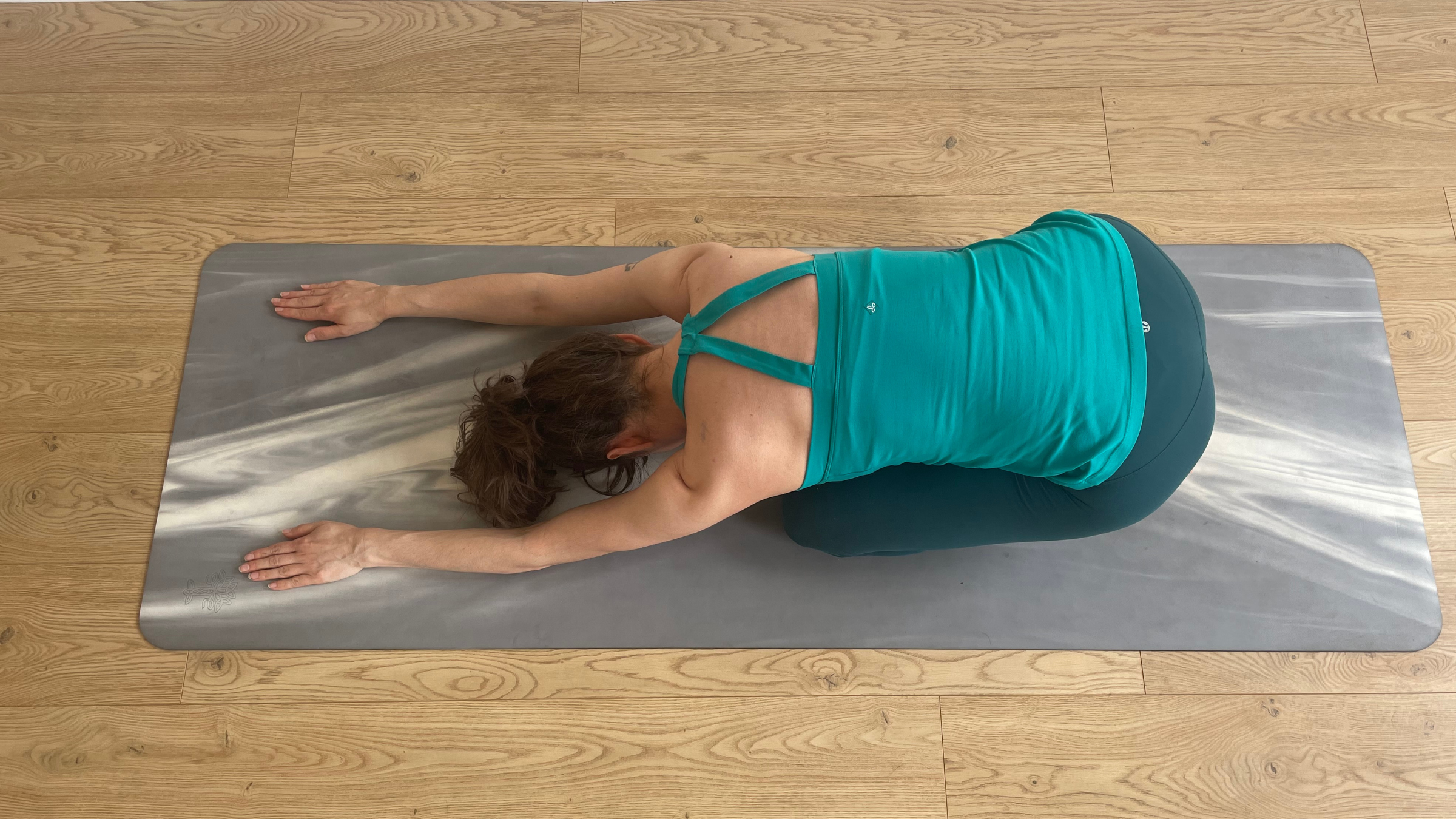
The final movements, Child’s Pose and Savasana, are designed to signal the nervous system that the "work" of the practice is done. Child’s Pose allows the neck to release completely under the weight of gravity, while Savasana provides a period of stillness to integrate the physical shifts made during the session.
Supporting Data: The Impact of Sustainable Practice
The efficacy of Burke’s methodology lies in the concept of "sustainability." For years, the yoga community has debated the benefits of deep, intense stretching versus restorative, functional movement. Recent data suggests that for chronic neck discomfort, the latter is superior.
"When we force a stretch," Burke notes, "the body’s natural defense mechanism is to contract, essentially fighting the stretch to prevent injury." Her sequence prioritizes sensory awareness over depth. By using props like straps, blocks, or folded blankets, practitioners can achieve the benefits of the pose without triggering a "stretch reflex" that might otherwise exacerbate tension.
Expert Perspectives: The Role of the Teacher
Amber Burke’s pedagogy is built upon years of training future instructors at the University of New Mexico-Taos. Her philosophy, which prioritizes the long-term health of the student over the aesthetic perfection of a pose, has resonated within the yoga community.
"Many practitioners approach yoga as an athletic endeavor," says one pedagogical expert. "Burke, however, treats yoga as a diagnostic tool. By teaching students to listen to the subtle sensations in their neck, she empowers them to become their own physical therapists."
Implications for Future Health
The implications of adopting such a sequence extend beyond immediate pain relief. Consistent implementation of these movements can lead to:
- Improved Postural Awareness: Developing a "kinesthetic memory" of what a neutral neck feels like helps individuals correct their posture mid-workday.
- Stress Modulation: Because the neck is a primary site for the "fight or flight" response, releasing cervical tension can effectively lower systemic cortisol levels.
- Prevention of Chronic Injury: By maintaining mobility in the thoracic spine and shoulders, practitioners reduce the risk of developing cervical radiculopathy or chronic tension headaches.
Conclusion: A Shift in Mindset
Ultimately, this 15-minute protocol is less about "fixing" a broken neck and more about cultivating a sustainable relationship with one’s own body. As Burke suggests, the goal is not to achieve a pain-free state overnight, but to ensure that tension does not accumulate to a point of dysfunction.
In an increasingly digitized world, the ability to step away, ground oneself, and systematically release the accumulated weight of the day is a radical act of self-care. By incorporating these nine poses into a weekly routine, individuals can reclaim their physical ease and move through their daily lives with greater freedom and fluidity. Whether at a desk, in a studio, or at home, the path to a more comfortable neck starts with the conscious, intentional movement of the entire body.