







Published: October 15, 2026
In an era defined by hyper-connectivity and the relentless hum of modern life, the boundary between "awake" and "asleep" has become increasingly porous. For many, the transition from the stressors of the workday to the restorative embrace of sleep is not a smooth descent, but a jagged cliff. Enter the rising wellness movement of "bed yoga"—a practice that seeks to bridge the gap between mental exhaustion and physical rejuvenation.
Radiance Basden, a certified yoga instructor and vocal advocate for mental resilience, argues that the most effective tool for combatting insomnia and chronic stress may already be waiting for us under the covers. By integrating gentle, somatic movement into the final ten minutes of the day, practitioners are discovering that they can physically "switch off" the body’s alarm systems.
The Physiology of the Bedtime Pivot
At its core, bed yoga is an exercise in nervous system regulation. When we engage in these movements, we are not looking to build strength or cardiovascular endurance; we are intentionally triggering the parasympathetic nervous system—the "rest and digest" branch of our autonomic nervous system.
Scientific consensus supports the efficacy of this approach. According to recent studies in neurobiology, transitioning from a state of high-alert (sympathetic arousal) to deep relaxation requires a sensory shift. By focusing on slow, rhythmic movements in a familiar, safe environment like a bed, the body lowers its production of cortisol—the primary stress hormone—and increases the secretion of sleep-regulating hormones like melatonin. For those struggling with "racing thoughts" at night, these movements serve as a somatic anchor, drawing attention away from cognitive loops and back into the physical self.
Chronology of a Restorative Practice
A structured 10-minute routine is the hallmark of Basden’s philosophy. This sequence is designed to be progressive, moving the body from neutral stability into deeper, more intentional releases.
1. Constructive Rest: The Foundation
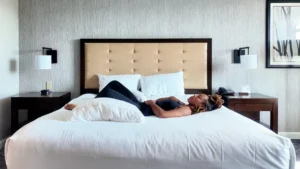
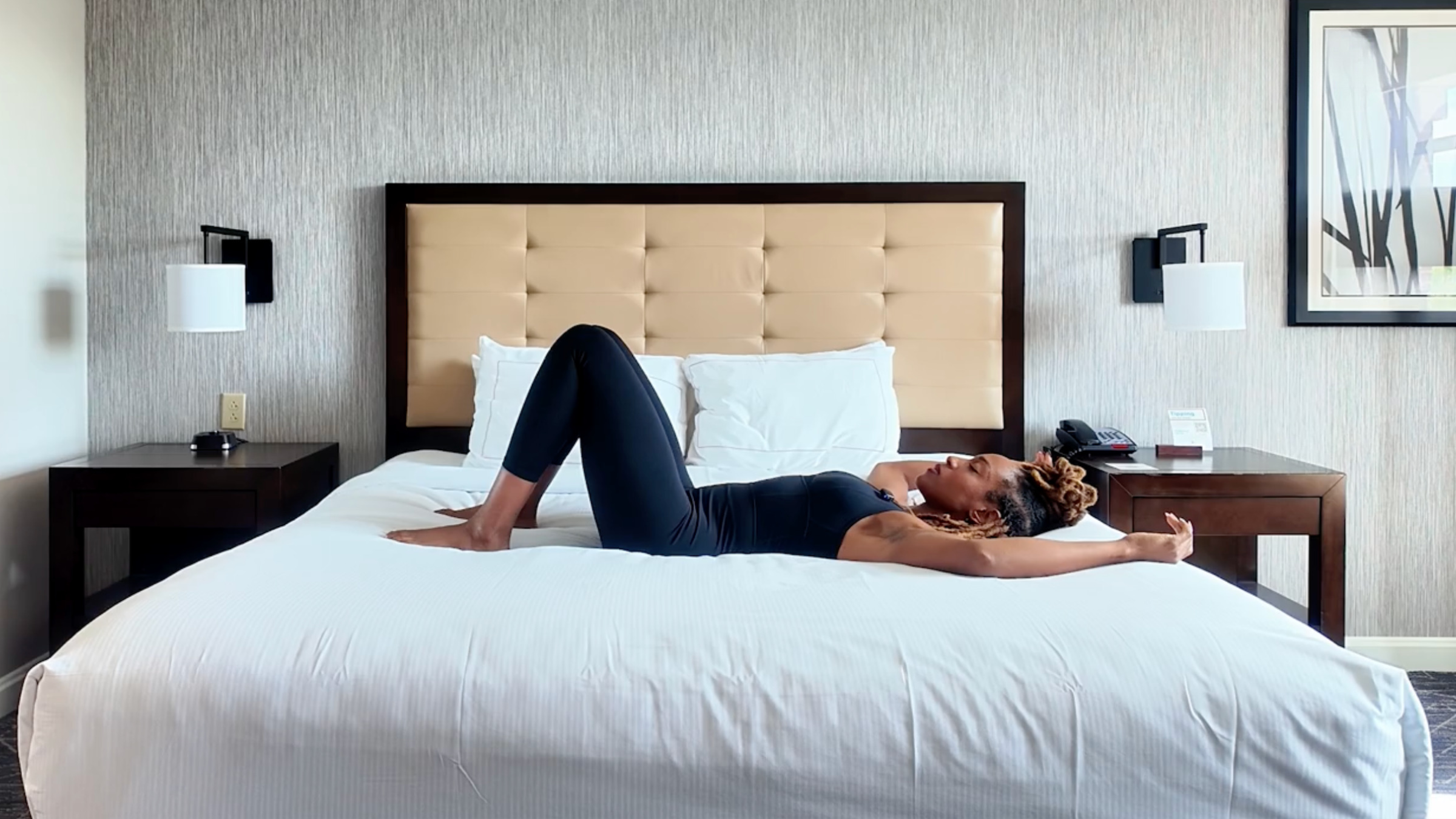
The practice begins with Constructive Rest, a posture designed to neutralize the spine. By lying on the back with knees bent and feet resting on the mattress, the practitioner allows the lumbar spine to release the tension accumulated throughout the day. Basden suggests placing the arms in a "goalpost" shape to open the chest and encourage diaphragmatic breathing. Spending three full cycles of breath here acts as a "reset button" for the nervous system.
2. Windshield Wipers and Spinal Decompression
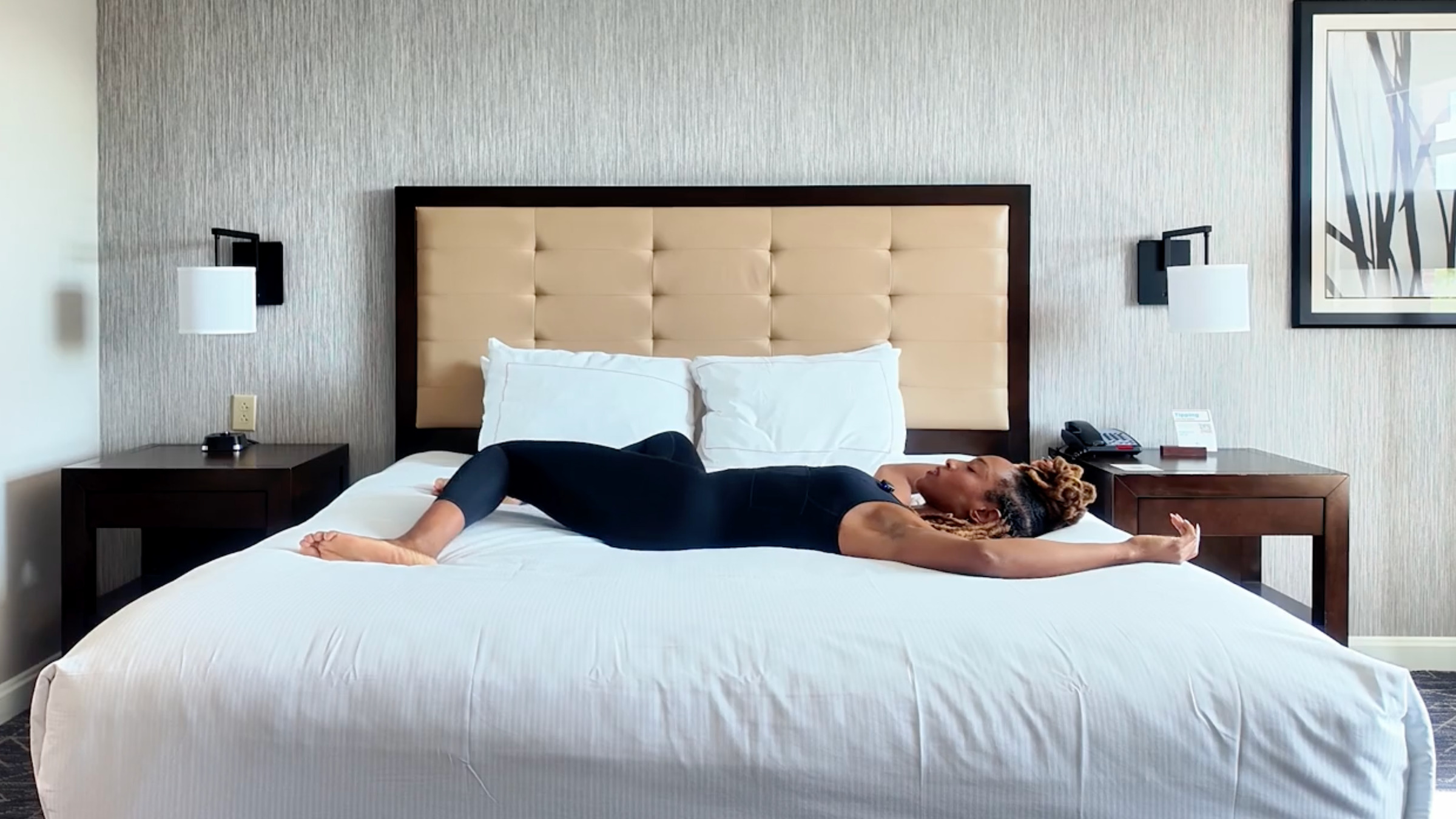
Following the initial stillness, the "Windshield Wiper" movement introduces gentle rotation. By slowly dropping the knees from side to side, the practitioner massages the hips and sacrum. This rhythmic, pendulum-like motion is inherently soothing to the brain, mimicking the rocking motions often used to calm the nervous system in infancy.
3. Knees-to-Chest: The Somatic Hug
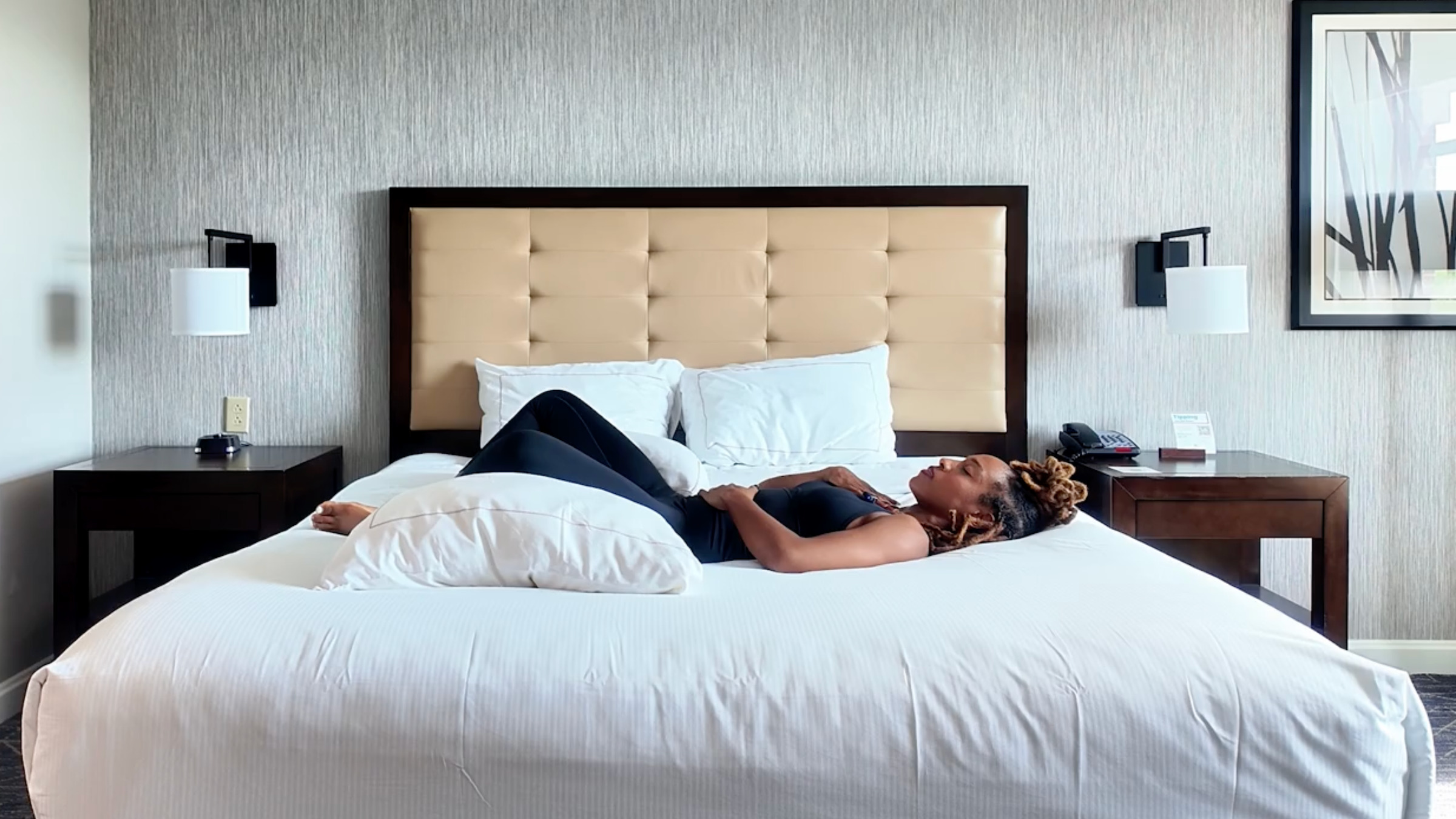
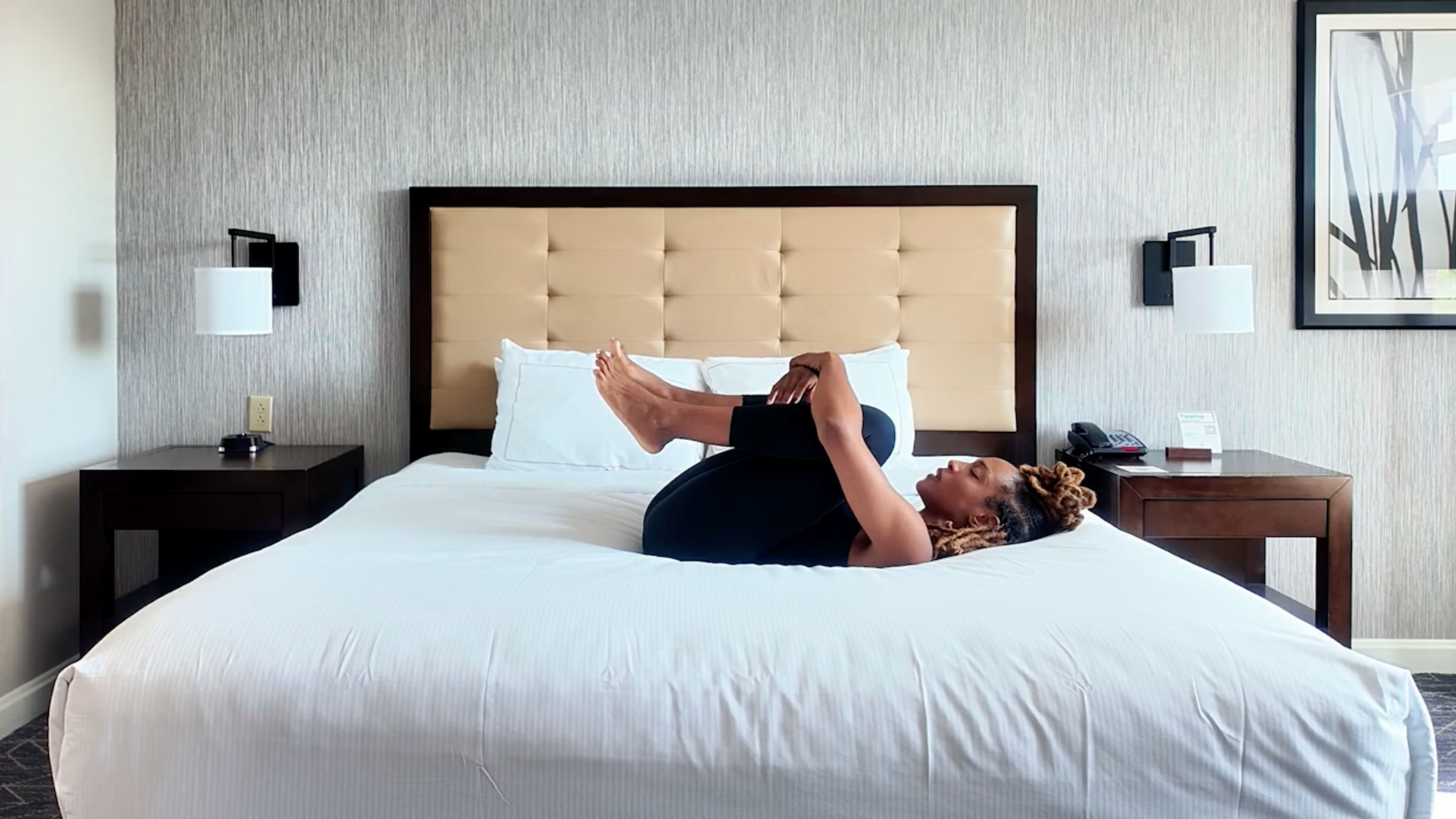
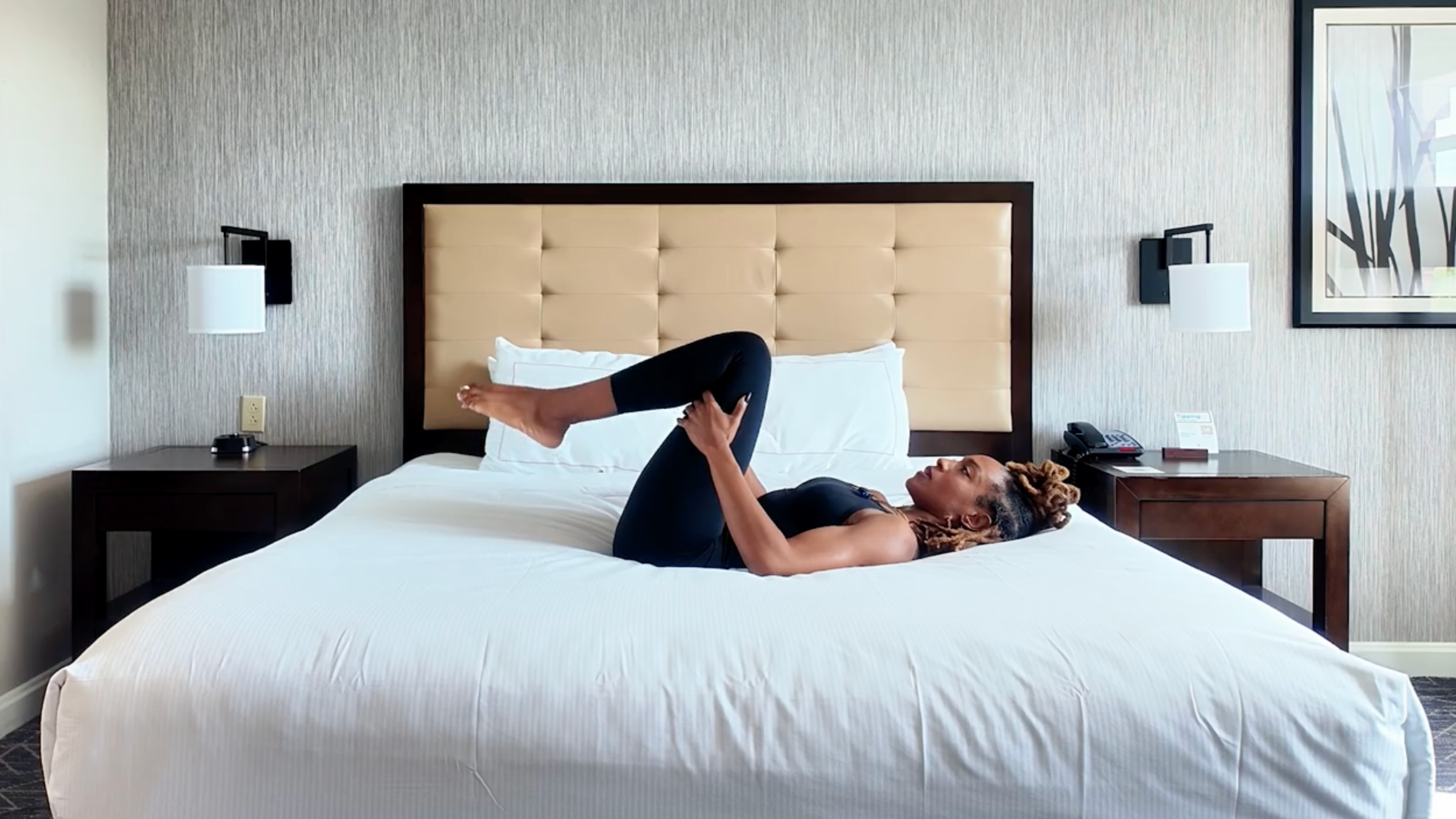
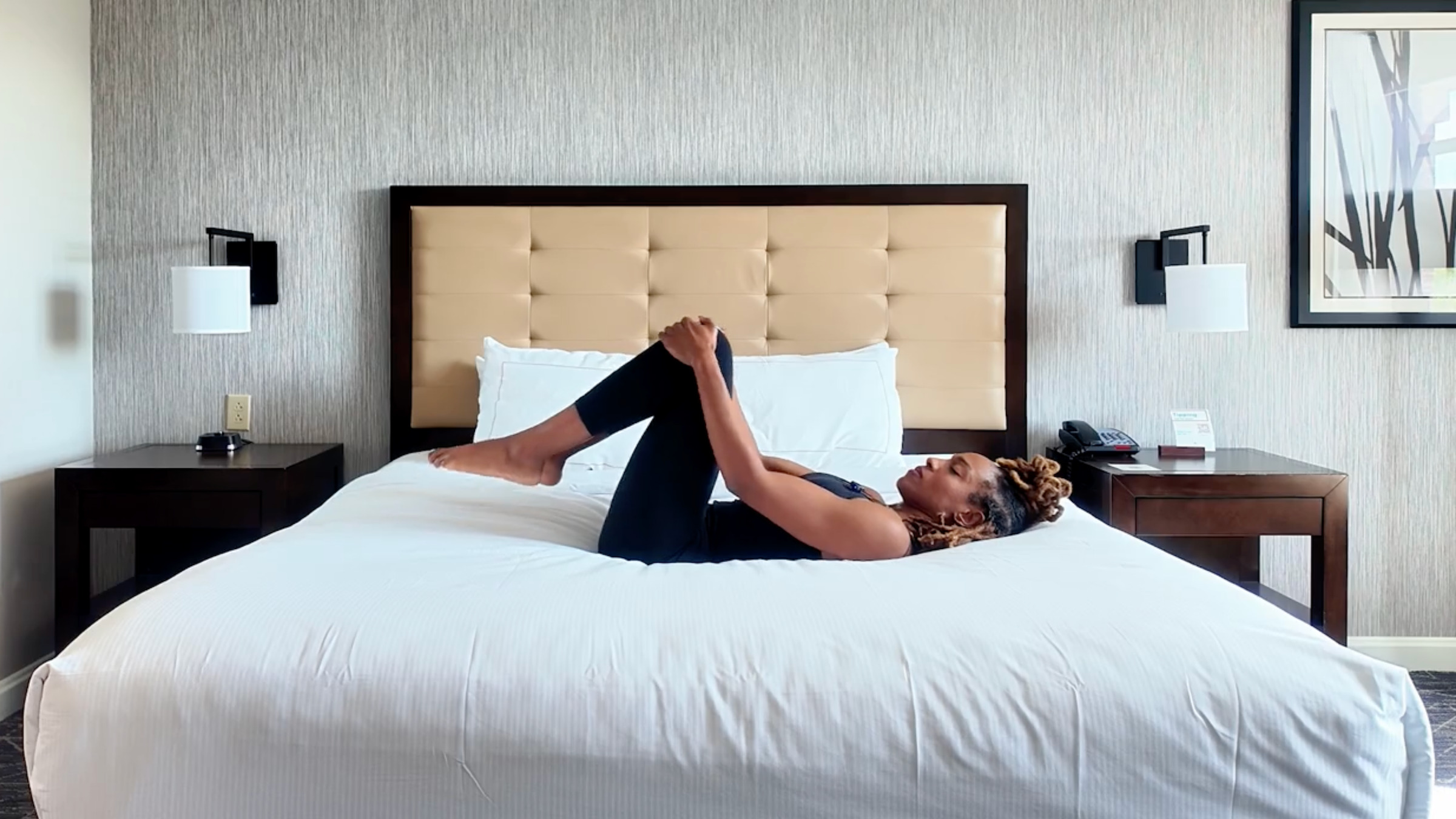
The "Knees to Chest" pose provides a sense of physical containment. By wrapping the arms around the legs and adding subtle, intuitive movement—such as rocking or ankle circles—the practitioner encourages a sense of safety. This compression is vital, as it gently stimulates the vagus nerve, which plays a critical role in slowing the heart rate.
4. Reclining Twists: Addressing Residual Tension
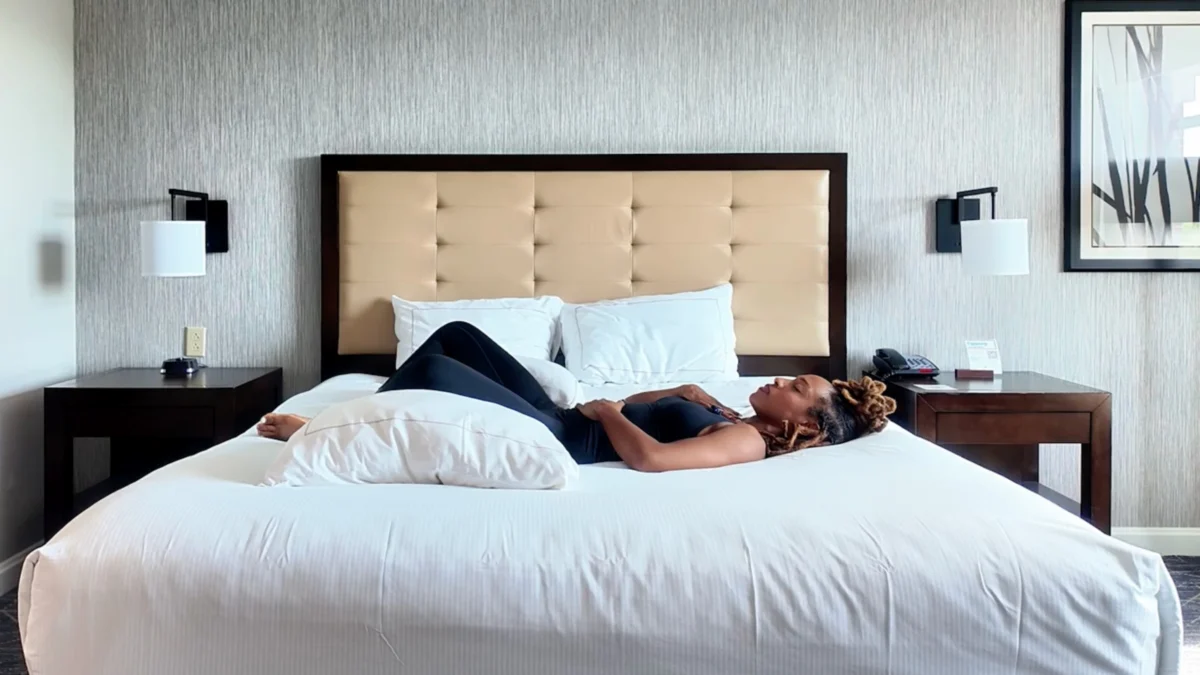
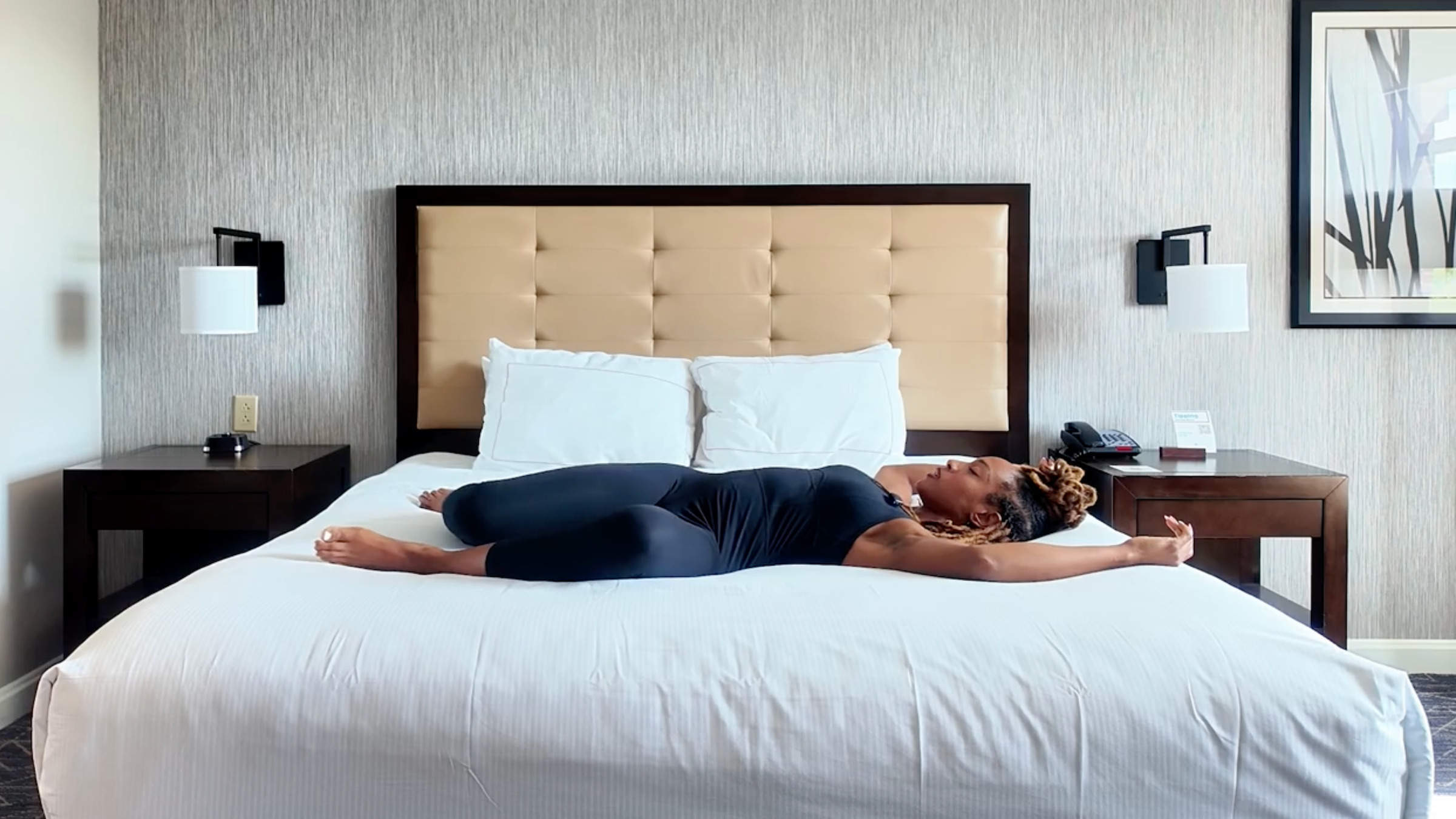
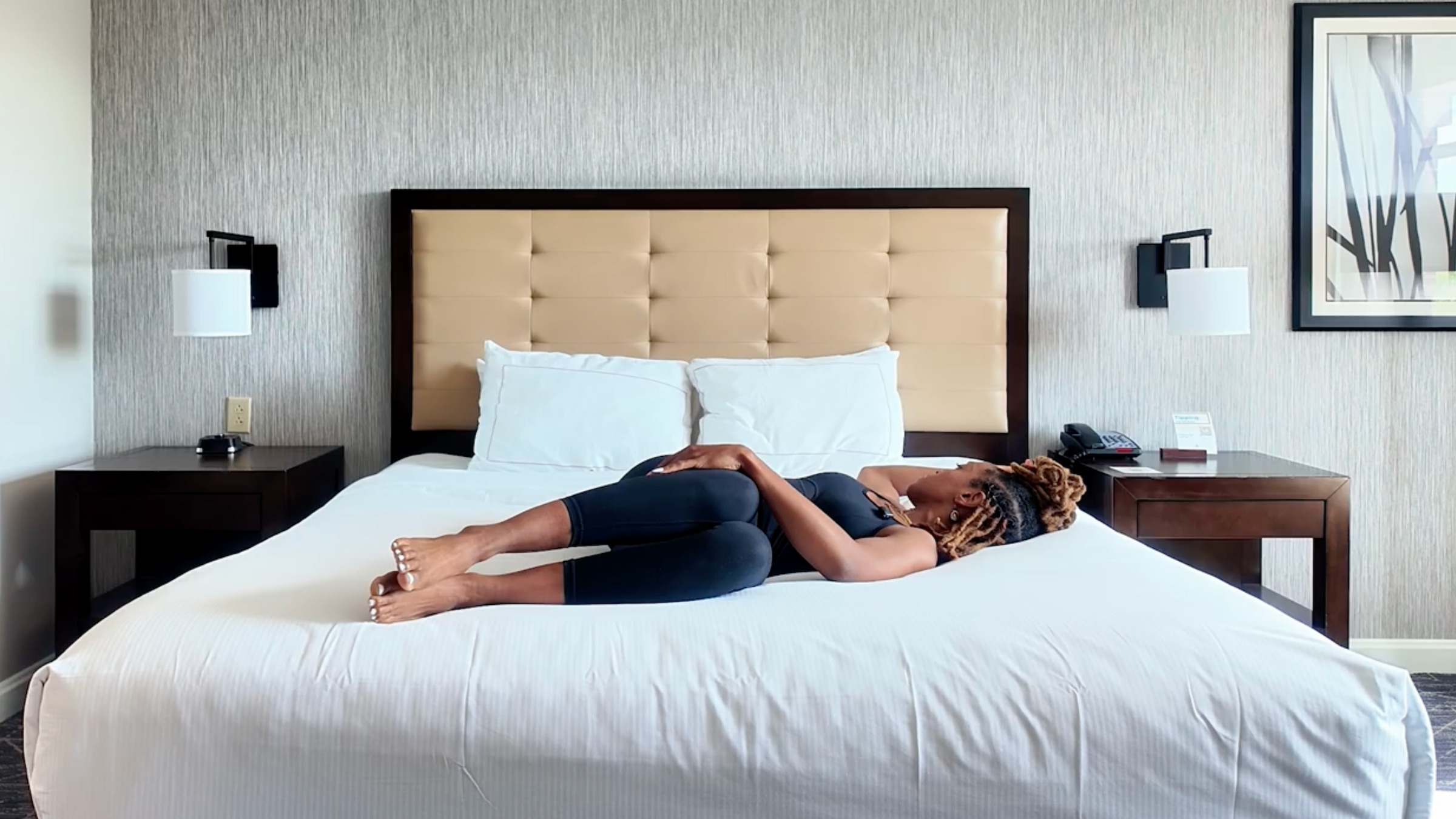
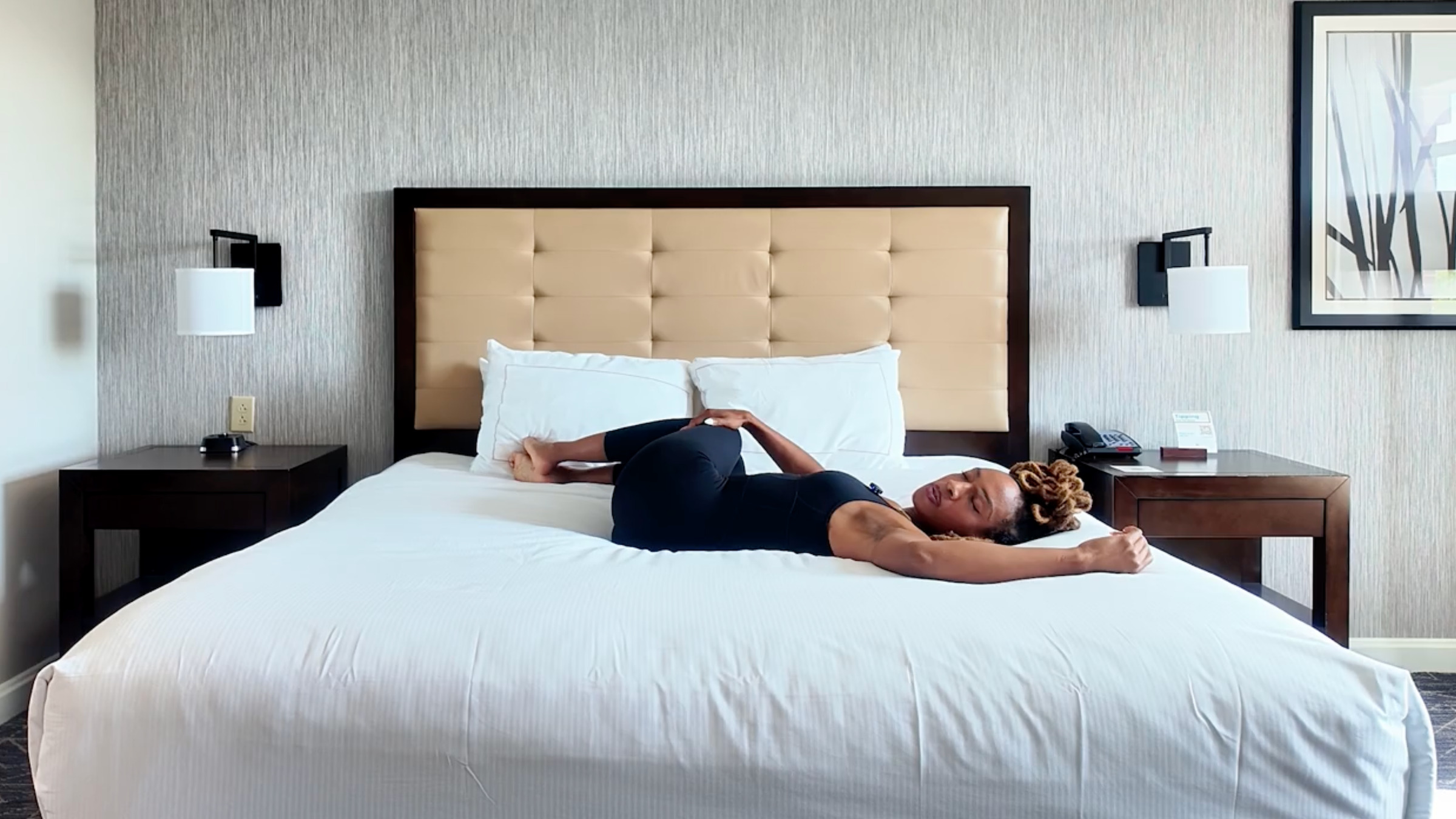
The Reclining Twist is arguably the most effective pose for releasing the spinal stiffness associated with sedentary work. By allowing the legs to fall to one side while the gaze shifts to the opposite, the practitioner creates a gentle spinal traction that releases tightness in the lower back and shoulders.
5. Knee Circles and Dynamic Waterfall
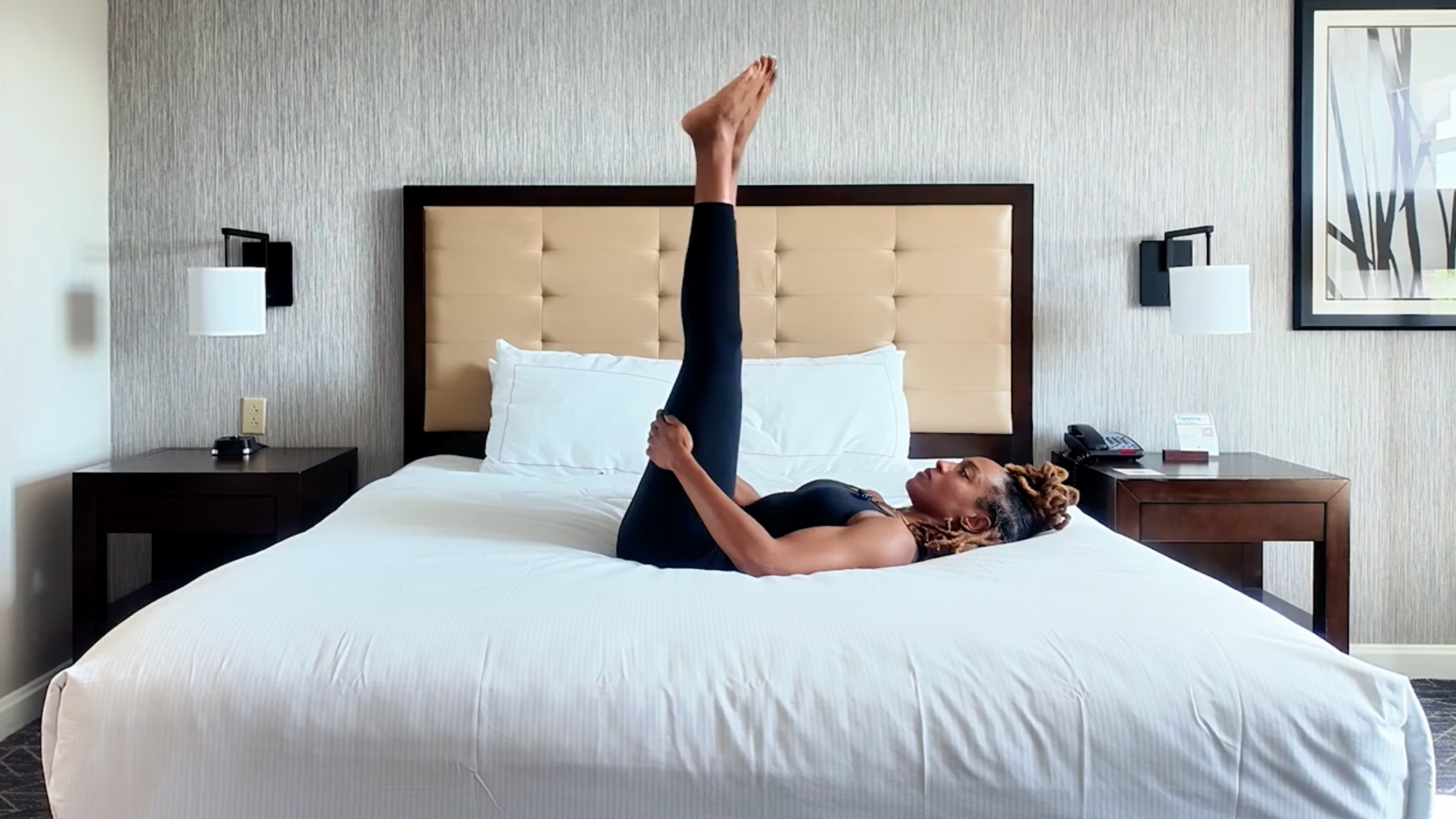
As the routine deepens, "Knee Circles" help lubricate the hip joints. This transitions into the "Dynamic Waterfall" pose. By elevating the legs—either unsupported or resting against a wall—the practitioner facilitates venous return, helping to reduce fluid buildup in the lower extremities after a long day of standing or sitting. Moving the legs in a "V" shape and then back to center adds a gentle stretch to the inner thighs and pelvic floor.
6. Happy Baby and Final Surrender
The "Happy Baby" pose provides a deep stretch to the groin and hips, which are common repositories for stored stress. Finally, the practice concludes with "Reclining Bound Angle Pose." By placing the soles of the feet together and utilizing pillows for support under the knees, the body enters a state of total support. This final resting pose can be held for three to five minutes, acting as a gateway to deep, REM-cycle sleep.
Supporting Data and Wellness Implications
The implications of adopting a consistent pre-sleep movement ritual are significant. Clinical data suggests that "bed-based" wellness practices can effectively treat symptoms of "sleep onset latency"—the time it takes for an individual to fall asleep.
Dr. Elena Vance, a specialist in sleep hygiene, notes: "The problem with most people’s bedtime routine is that it is purely cognitive—we watch television, scroll through phones, or read news, all of which keep the brain engaged. Bed yoga provides a physical intervention that interrupts the cognitive feedback loop. It is not just about the stretch; it is about the intentionality of the transition."
Furthermore, the "prop-centric" nature of this practice—using pillows, blankets, and the mattress itself—makes it highly accessible. Unlike traditional studio yoga, which can feel intimidating or inaccessible to those with chronic pain or limited mobility, bed yoga meets the practitioner where they are: in their most vulnerable and private space.
Official Perspectives on Integrative Sleep Health
Professional bodies, including the National Sleep Foundation, have increasingly moved toward advocating for "winding down" routines that do not involve digital devices. Radiance Basden’s methodology aligns with this shift.
"We often treat sleep as a finish line," says Basden. "We race through the day and expect our bodies to just ‘shut off’ the moment our head hits the pillow. But the body doesn’t work like a light switch; it works like a dimmer. Bed yoga is the act of turning that dimmer down, inch by inch, until we are ready for the dark."
The broader wellness community has responded with enthusiasm. Many instructors are now incorporating "bed-based" modules into their curricula, noting that students who practice even five minutes of movement before sleep report higher subjective ratings of "sleep quality" and "waking alertness" the following day.
Future Implications: The Bedroom as a Sanctuary
As we look toward the future of health, the home environment is poised to become a central hub for personal maintenance. The rise of bed yoga suggests a cultural pivot: moving away from the "fitness-as-performance" model and toward "fitness-as-restoration."
When the bedroom is reclaimed as a space for mindful movement rather than just a place to collapse at the end of the night, the psychological relationship with sleep changes. It becomes a sacred, protected time. For those struggling with the pressures of the modern world, this 10-minute ritual offers a radical, yet profoundly simple solution: the permission to slow down, the space to breathe, and the comfort to let go.
In conclusion, Radiance Basden’s approach is a testament to the power of simplicity. By blending the ancient wisdom of yoga with the modern necessity of sleep hygiene, she provides a roadmap for anyone looking to navigate the complexities of life with a little more grace—and a lot more rest. As the nights grow longer and the world continues to accelerate, the most revolutionary thing one can do may be to simply get into bed, breathe, and begin to let go.