





For decades, the public perception of Alzheimer’s disease has been narrowly focused on the erosion of memory—a slow, tragic fading of the past. Yet, for the millions of families acting as primary caregivers, the lived reality of the disease is often far more chaotic, volatile, and isolating. It is not merely the loss of names or places; it is the onset of psychosis, agitation, and profound behavioral shifts that challenge the very foundation of the patient-caregiver relationship.
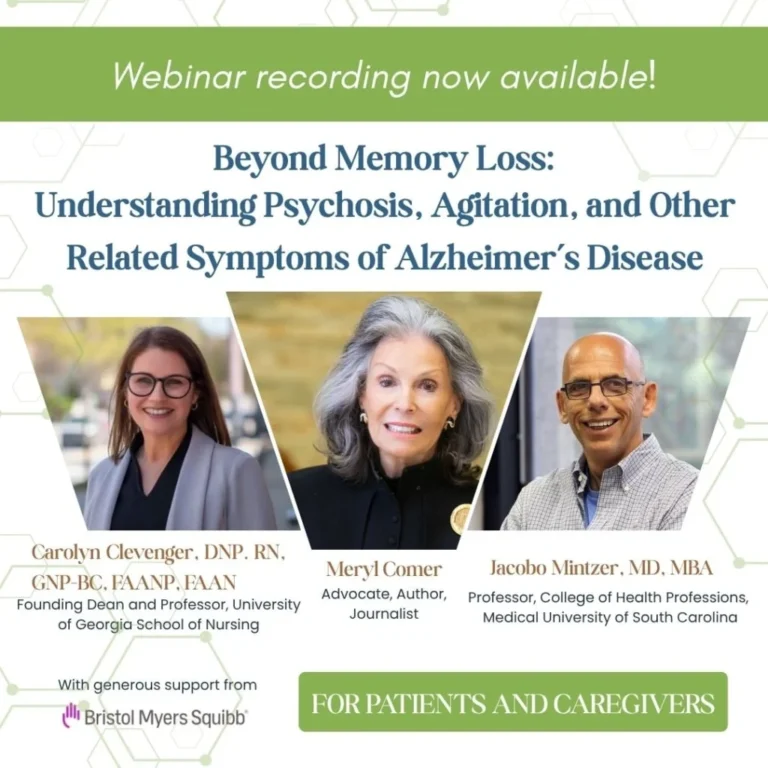
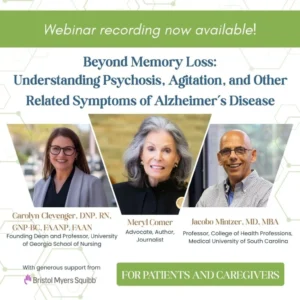
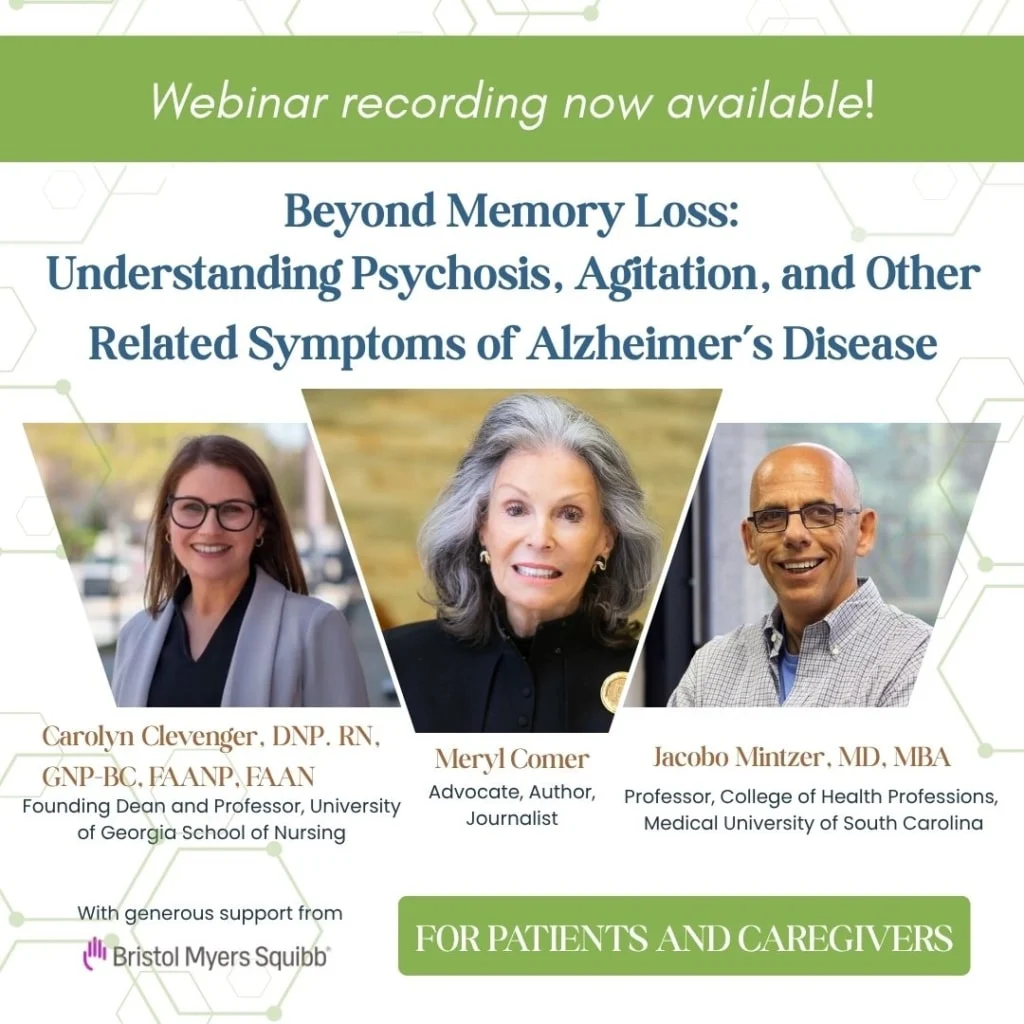
Recognizing an urgent need to bridge the gap between clinical understanding and home-based care, the Alliance for Aging Research recently hosted a pivotal webinar titled “Beyond Memory Loss: Understanding Psychosis, Agitation, and Other Symptoms in Alzheimer’s Disease.” Supported by Bristol Myers Squibb, the initiative aims to dismantle the stigma surrounding these symptoms and provide actionable, compassionate guidance for those navigating the most difficult aspects of dementia.
Main Facts: Redefining the Alzheimer’s Experience
The central thesis of the Alliance’s initiative is a paradigm shift: Neuropsychiatric symptoms (NPS) are not "willful" behavioral problems or signs of a "difficult" personality. They are, in fact, clinical manifestations of the underlying pathology of Alzheimer’s disease.
NPS encompass a broad spectrum of challenges, including:
- Psychosis: Hallucinations or delusions that cause patients to see, hear, or believe things that are not grounded in reality.
- Agitation and Aggression: Physical or verbal outbursts that can be distressing for both the patient and the caregiver.
- Apathy: A profound lack of motivation or emotional engagement.
- Sleep Disturbances: Disruption of circadian rhythms leading to "sundowning" or nighttime wandering.
- Anxiety and Depression: The psychological burden of the disease process itself.
The webinar, which was three months in development, drew an immediate and massive response. More than 3,000 participants attended the live broadcast, and to date, the recording has garnered nearly 30,000 views, signaling a deep, largely unmet hunger for education on these specific topics.
Chronology: From Concept to Community Impact
The success of the webinar was the culmination of an intensive collaborative effort. The Alliance identified that while information on memory loss was abundant, resources addressing the "hidden" symptoms of dementia were fragmented and often inaccessible to the average family.
Phase 1: Identification of Need
The Alliance for Aging Research recognized that families were reaching a breaking point. Caregivers were reporting that while they knew how to manage medication schedules, they felt entirely unprepared for episodes of violence, irrational accusations, or the terror of a loved one experiencing a hallucination.
Phase 2: Expert Assembly
To address this, the Alliance convened a panel of experts: Meryl Comer, a renowned advocate and caregiver; Dr. Carolyn Clevenger, a leader in gerontological nursing; and Dr. Jacobo Mintzer, an expert in geriatric psychiatry. Their combined expertise provided a holistic view of the disease, merging clinical science with the visceral, day-to-day reality of caregiving.
Phase 3: The Broadcast and Aftermath
The webinar was held to provide direct education on assessment, management, and treatment. The response was immediate. In the hours and days following the event, the Alliance’s communication channels were flooded with messages from caregivers who felt, for the first time, that their struggles were validated. This outpouring confirmed that the webinar was not just an educational session; it was a lifeline.
Supporting Data: The Scope of the Challenge
The prevalence of NPS in Alzheimer’s patients is startlingly high. Clinical studies indicate that up to 90% of individuals with dementia will experience at least one neuropsychiatric symptom during the course of their illness. Despite this prevalence, these symptoms are frequently undertreated or mismanaged.
- The Isolation Factor: NPS are identified as a leading cause of caregiver burnout and the primary reason for early placement in long-term care facilities.
- The Misconception Gap: A significant portion of the general public—and even some healthcare providers—erroneously view these behaviors as intentional. When a patient wanders, they are often seen as "disobedient" rather than as someone expressing an unmet need for physical movement or a reaction to internal confusion.
- Engagement Metrics: The fact that 30,000 individuals have sought out the recording of this webinar demonstrates that the current medical system is failing to provide adequate, digestible information on these symptoms at the point of diagnosis.
Official Responses and Clinical Perspectives
The panel of experts brought a refreshing, human-centric approach to the clinical diagnosis of Alzheimer’s.
Meryl Comer provided a powerful, raw testimony regarding her life as a caregiver. She described the harrowing experience of “living inside her husband’s version of reality.” Her testimony highlighted the emotional toll of trying to remain the anchor for a partner who is lost in a world of hallucinations.
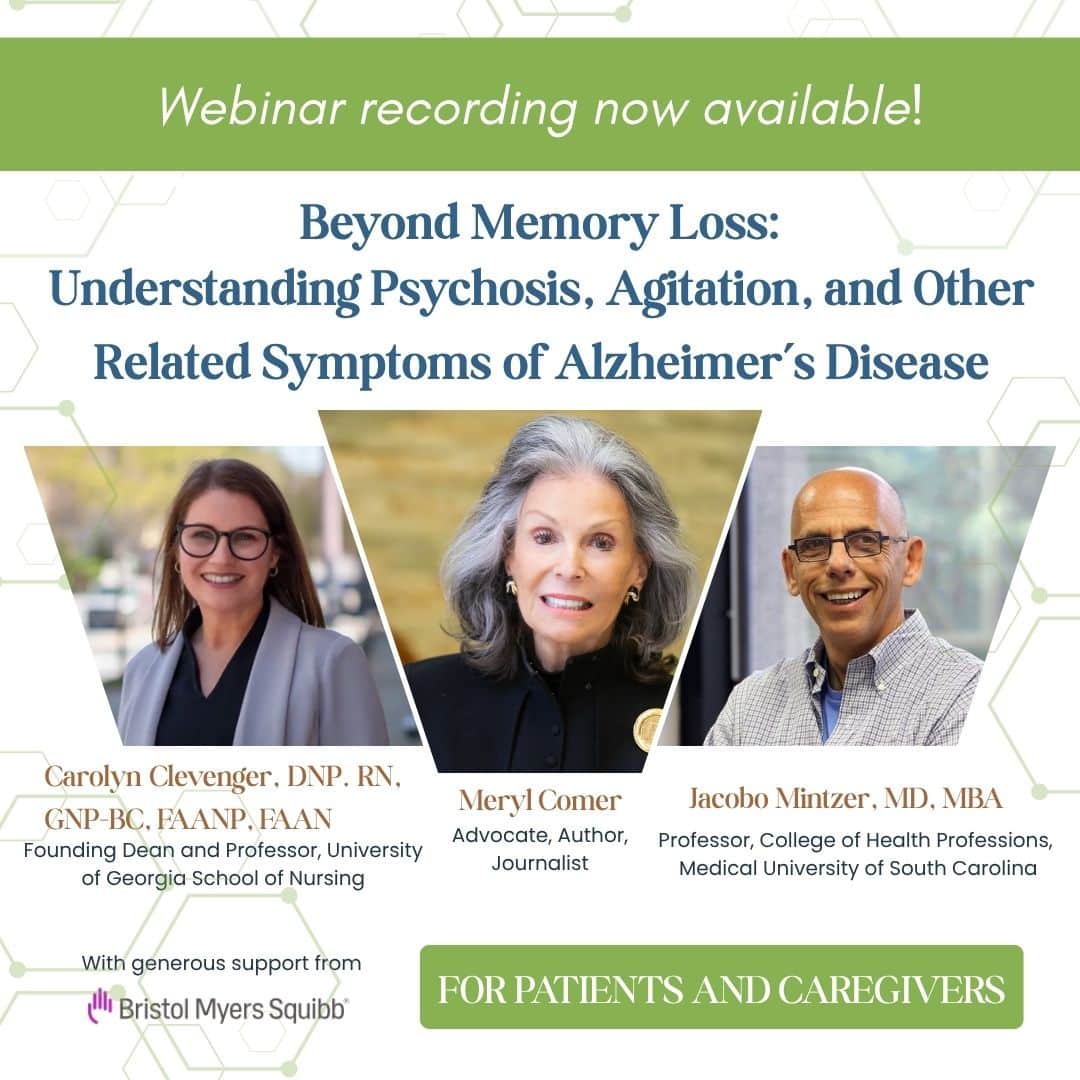
Dr. Carolyn Clevenger and Dr. Jacobo Mintzer emphasized the shift from "control" to "understanding." They argued that if a patient begins to wander, the response should not be to lock them in a room, but to analyze the underlying need—perhaps they are restless, or perhaps they are searching for a sense of purpose. They suggested using therapeutic interventions, such as music therapy or guided activities, to redirect distress rather than relying solely on pharmacological sedation.
The consensus among the experts was clear: Caregivers must be empowered to act as advocates. They encouraged families to keep asking questions, to push for comprehensive assessments, and to refuse to accept that "nothing can be done" about behavioral outbursts.
Implications for the Future of Dementia Care
The Alliance’s initiative carries significant implications for the future of Alzheimer’s care, moving beyond the laboratory and into the living room.
1. Destigmatizing the Symptom
By framing psychosis and agitation as physiological symptoms rather than moral or behavioral failures, the medical community can reduce the shame that many families feel. When a caregiver understands that their loved one’s anger is a symptom of a damaged brain, they are better equipped to remain calm and responsive rather than reactive.
2. A Shift in Clinical Practice
The webinar underscores the need for clinicians to prioritize the "whole patient" model. Medical education must evolve to ensure that doctors are trained not just to diagnose memory loss, but to guide families through the management of the behavioral complexities that define the middle and late stages of the disease.
3. The Validation of the Caregiver
Perhaps the most poignant moment of the session came at the conclusion, when Dr. Clevenger delivered a simple, necessary message: "What you’re doing is hard, and you’re doing it well."
For a demographic that is often invisible, overworked, and physically and emotionally drained, this validation is a vital component of public health. The implications for policy and support services are clear: we must provide more than just medical prescriptions. We must provide emotional support, respite care, and clear, actionable education to ensure that caregivers do not suffer in silence.
Conclusion
The Alzheimer’s crisis is shifting. As the population ages, the focus must broaden from simply finding a cure for memory loss to improving the quality of life for those living with the daily, often terrifying, manifestations of the disease. The Alliance for Aging Research, through their advocacy and education, has set a new standard for how we talk about, manage, and respond to the neuropsychiatric symptoms of Alzheimer’s.
For those who feel lost in the version of reality created by this disease, the message from the experts is one of hope and resilience. By understanding the symptoms, seeking help, and recognizing the immense value of the caregiver’s work, we can transform the journey of Alzheimer’s from one of isolation into one of supported, informed care.
To learn more and view the full recording of “Beyond Memory Loss,” visit the official Alliance for Aging Research portal.
About the Author: Katrin Werner-Perez serves as the Director of Health Programs at the Alliance for Aging Research, where she continues to spearhead initiatives aimed at improving the lives of older adults and their caregivers through evidence-based education and policy reform.