







For over a century, the nutritional backbone of the modern world has rested on a simple, standardized promise: a calorie is a calorie. Whether it comes from a handful of almonds or a processed snack bar, the energy content is calculated using the Atwater system, a method that assigns fixed values to grams of fat, protein, and carbohydrates. However, a groundbreaking new development from researchers at Arizona State University (ASU) suggests that this century-old practice may be fundamentally flawed.
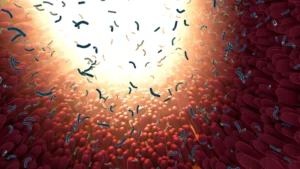
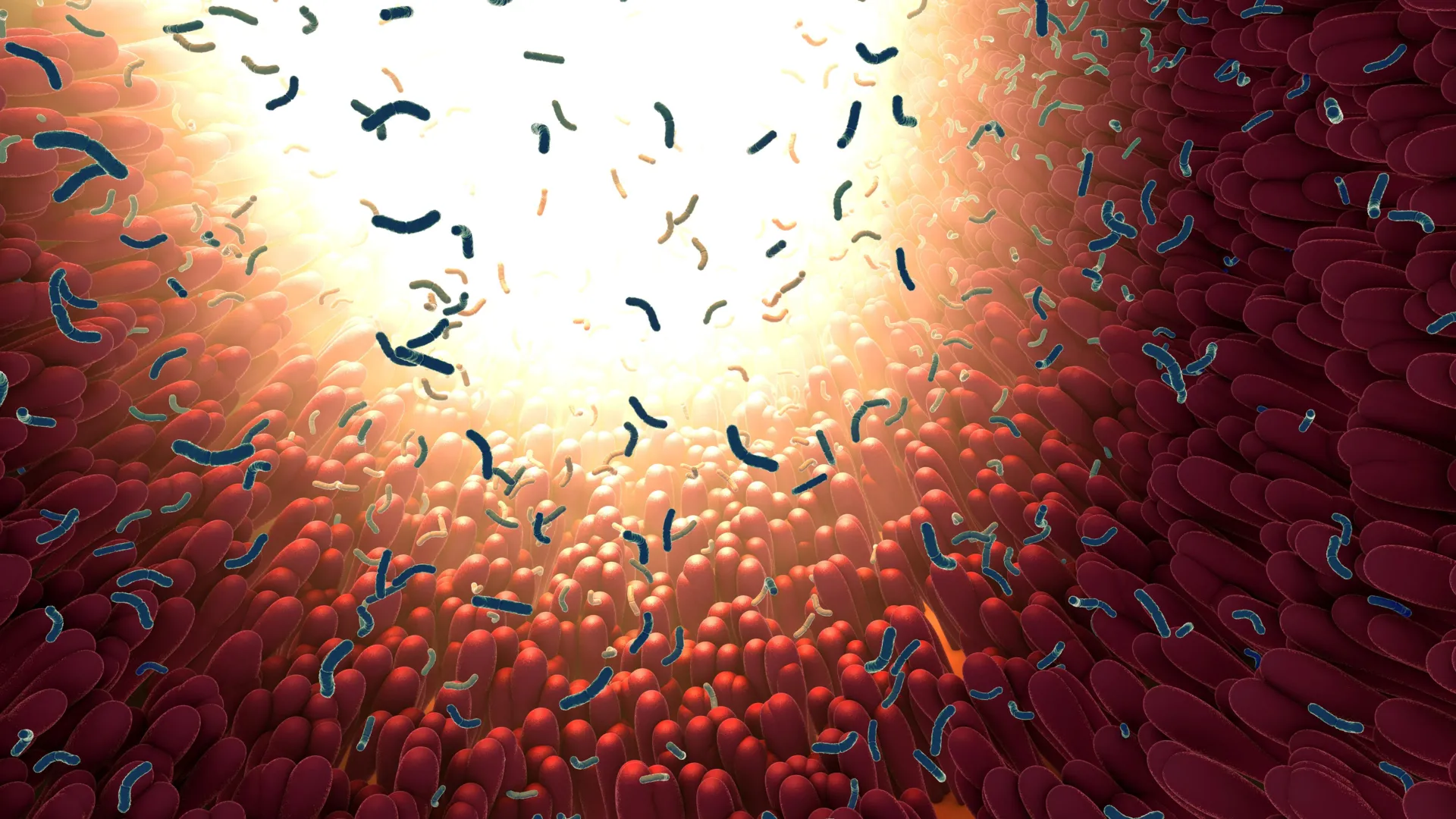
By peering into the complex, invisible ecosystem of the human gut, scientists have revealed that the number on a food package is merely an estimation of potential energy, not a true measure of what your body actually absorbs. The secret to this discrepancy lies in the trillions of microorganisms residing in the digestive tract—a "hidden organ" that acts as a gatekeeper for energy metabolism.
The DAMM Model: A New Mathematical Frontier
Researchers at ASU’s Biodesign Institute have unveiled a sophisticated mathematical framework known as DAMM (Digestion, Absorption, and Microbial Metabolism). Unlike the traditional Atwater system, which treats the human body as a static machine, DAMM recognizes that digestion is a collaborative effort between human physiology and a vast, diverse microbial community.
The model tracks the movement of food through the entire digestive tract, calculating how much energy is absorbed directly in the upper gastrointestinal (GI) tract and how much is processed by gut microbes in the colon. It further estimates which byproducts of this microbial labor are absorbed into the bloodstream and which are discarded as waste.
"Digestion is not just a human process—it is a collaboration between our bodies and trillions of microbes living in the gut," says Professor Rosa Krajmalnik-Brown, director of the ASU Biodesign Center for Health Through Microbiomes. "DAMM gives us a powerful new way to quantify how those microbial partners contribute to human health and energy balance, and also points at the importance of properly feeding our gut microbes."
A Century of Calorie Counting: Where the Atwater System Fails
To understand why DAMM is such a significant departure from tradition, one must look at the limitations of the Atwater parameters. Developed in the late 19th century, the Atwater system was a milestone in public health, allowing for the first standardized way to track nutrition. However, it operates under the assumption that food is a static fuel source.
The system fails to account for the "microbial tax" or "microbial bonus" that occurs in the lower gut. Specifically, it ignores the role of fiber and resistant starches. When humans consume fiber, it often passes through the small intestine largely undigested. In a traditional calorie model, this might be viewed as "non-caloric" or waste. In reality, the gut microbiome ferments these fibers, breaking them down into short-chain fatty acids (SCFAs) that the body then absorbs as a secondary, significant energy source.
By ignoring these biological complexities, traditional labeling can lead to inaccurate energy assessments, potentially obscuring why certain diets—despite having similar caloric counts—result in vastly different metabolic outcomes.
Chronology of Discovery: From Clinical Trials to Computational Models
The development of the DAMM model did not happen in a vacuum. It was the culmination of years of research, fueled by a landmark controlled diet study that examined the relationship between the gut microbiome and human energy balance.
Phase 1: The Clinical Investigation
In a clinical trial, researchers assigned healthy adults to two distinct dietary patterns:
- The Microbiome-Enhancer Diet: High in fiber and resistant starch, focusing on less-processed, larger-particle-size foods.
- The Western Diet: Low in fiber and resistant starch, characterized by highly processed, smaller-particle-size foods.
The results were startling. Despite both diets being strictly monitored, participants on the Western diet absorbed approximately 116 more calories per day than those on the fiber-rich diet. Notably, the high-fiber group reported no increase in hunger, suggesting that the body was satisfied by the metabolic byproducts produced by their gut bacteria rather than the sheer volume of calories consumed in the upper GI tract.
Phase 2: Building the DAMM Framework
Following the trial, the ASU team, led by Professor Bruce Rittmann and first author Taylor Davis, collaborated with the AdventHealth Translational Research Institute to synthesize these findings into the DAMM model. By comparing the model’s predictions against the actual data from the clinical study, the researchers found that DAMM provided a far more accurate reflection of human energy absorption than the conventional Atwater approach.
Supporting Data: The 15% Energy Contribution
One of the most revealing statistics provided by the DAMM model is the breakdown of energy absorption. The model estimates that while approximately 85% of usable energy is derived from the upper GI tract, a critical 15% is managed by the lower GI tract.
The data suggests that gut bacteria provide, on average, roughly 140 calories per day through the production of SCFAs. While this may seem like a small percentage of a daily diet, it represents a metabolic lever that can be adjusted through diet.
The Fiber Paradox
The model also helps clarify a physiological contradiction: if fiber-rich diets fuel increased microbial activity (and thus more SCFA production), why do they result in lower net caloric absorption?
The answer lies in the "timing" and "location" of absorption. The DAMM model demonstrates that while microbial activity creates energy, it does so in a way that is less efficient for weight gain than the rapid absorption of refined carbohydrates in the upper GI tract. The model effectively separates the "energy extracted before the colon" from the "energy produced by microbes," providing a granular view of how food composition alters metabolic outcomes.
Official Perspectives: The Experts Weigh In
The research team represents a multidisciplinary approach to environmental and human health. Professor Bruce Rittmann, a Regents Professor of environmental engineering, emphasizes the quantitative accuracy of the new framework.
"What is truly unique about the DAMM model is that it quantitatively links human metabolism to the metabolism of the microorganisms in the colon," says Rittmann. "It matches the results from the clinical study and provides fundamental insight into how the microbial community works in partnership with the human host."
Taylor Davis, the graduate research assistant who served as the first author, views the model not as a static calculator, but as a living framework. "The DAMM model is more than just a tool for characterizing diet; it’s a framework designed to evolve," Davis notes. "As we discover more on how diet, metabolism, and the microbes interact, the new insights can be incorporated into the model."
Implications: The Future of Personalized Nutrition
The publication of these findings in PLOS One marks a turning point in nutritional science. If we accept that the gut microbiome is an active participant in our energy balance, the standard "one-size-fits-all" food label begins to look obsolete.
1. Tackling Metabolic Disorders
The researchers believe their work is vital for understanding obesity, diabetes, and other metabolic syndromes. By identifying how individual microbial signatures process food, healthcare professionals could one day move beyond generalized dietary advice.
2. Tailored Dietary Prescriptions
While the DAMM model is currently a research tool rather than a clinical diagnostic, the trajectory points toward a future of "precision nutrition." Doctors might eventually prescribe diets that optimize a patient’s unique microbiome to manage energy balance, rather than simply counting calories.
3. Redefining Food Policy
If food labels were to eventually incorporate the "microbial potential" of foods, it would fundamentally change the way the food industry designs products. Fiber and resistant starch would move from being "optional additives" to central pillars of nutritional engineering, recognized for their role in modulating human energy absorption.
Conclusion: A Living Science
As the scientific community continues to explore the gut-brain-metabolism axis, the DAMM model stands as a testament to the fact that we are only beginning to understand the complexity of human digestion. We are not solitary organisms; we are walking, talking ecosystems. By recognizing the role of our microbial partners, we are finally moving toward a more nuanced, accurate, and personalized understanding of what it means to be nourished. The calorie may still be a unit of measurement, but in the world of the microbiome, the story of energy is far more complex—and far more interesting—than a number on a package.