








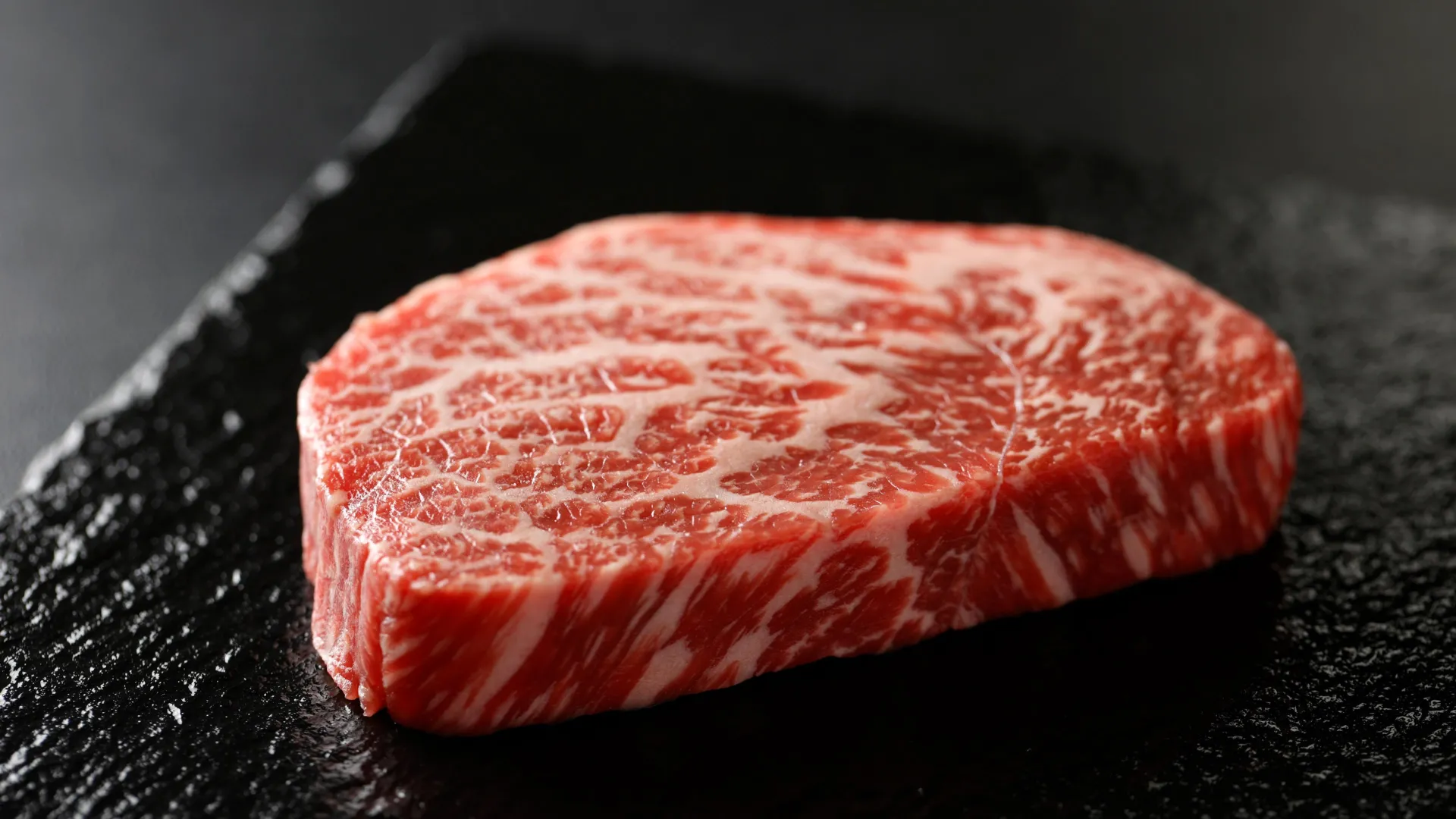
A growing body of nutritional science has long suggested an link between high red meat consumption and an elevated risk of type 2 diabetes (T2D). However, the precise biological mechanisms behind this correlation have remained elusive. Now, a compelling new study presented at the Annual Meeting of the European Association for the Study of Diabetes (EASD) in Milan suggests the culprit might be a naturally occurring sugar found in red meat known as N-glycolylneuraminic acid (Neu5Gc).
The research indicates that individuals who consume the highest levels of this sugar face a 63% greater risk of developing type 2 diabetes compared to those with the lowest intake. This finding offers a provocative, albeit preliminary, explanation for how dietary choices trigger chronic, low-grade inflammation that may eventually lead to metabolic dysfunction.
Main Facts: The "Xeno-Autoantigen" Hypothesis
The core of the study revolves around the unique biological relationship between humans and Neu5Gc. While most mammals produce this sugar naturally, humans lost the ability to synthesize it millions of years ago due to an evolutionary mutation in the CMAH gene.
Despite this genetic absence, humans are frequently exposed to Neu5Gc through their diet, particularly when consuming beef, lamb, and other red meats. Once ingested, the body absorbs the sugar and incorporates it into human tissues. Because the immune system recognizes Neu5Gc as a foreign substance—a "xeno-autoantigen"—it begins to produce antibodies against it.
This leads to a persistent, long-term immune response known as xenosialitis. Scientists have previously linked this chronic inflammatory state to cardiovascular disease and cancer; the researchers behind the new study now posit that this same mechanism could be the missing link in the development of type 2 diabetes, as it may damage insulin-producing cells or interfere with the body’s ability to respond to insulin.
Chronology and Study Design: Tracking 90,000 Lives
To test this hypothesis, an international team of researchers, led by Dr. Leopold Fezeu of the Université Sorbonne Paris Nord, turned to data from the NutriNet-Santé study. This large-scale, prospective French observational study is designed to track the long-term impact of nutrition and lifestyle on health outcomes across a diverse adult population.
The Methodology
The research team analyzed health data from 89,953 adults who were free of both diabetes and cancer at the outset of the study. The cohort, with an average age of 42, consisted of approximately 79% women.
The investigation unfolded in several phases:
- Dietary Assessment: Participants completed three 24-hour dietary records, allowing researchers to build a comprehensive snapshot of their eating habits.
- Neu5Gc Quantification: Using a validated food database, the team calculated the probable intake of Neu5Gc based on the specific foods reported, including various red meats (beef, lamb, pork, goat, and game), processed meats, and dairy products.
- Risk Stratification: Participants were categorized into five quintiles based on their consumption of meat-derived Neu5Gc.
- Longitudinal Tracking: Over a median follow-up period of 7.2 years, the team recorded 966 new cases of type 2 diabetes, comparing incidence rates across the five intake groups.
Supporting Data: The Link Between Meat and Metabolic Risk
The results of the study provided a clear, statistically significant correlation. When compared to the group with the lowest consumption of Neu5Gc, those in the highest intake quintile showed a 63% increased risk of T2D. Those in the second-highest quintile also saw a marked increase, with a 41% higher risk.
Key Data Points
- Adjustment for Confounders: The association remained statistically significant even after researchers adjusted for established diabetes risk factors, including physical activity, smoking, overall dietary quality, and existing medical conditions.
- The BMI Factor: While the association weakened when body mass index (BMI) was included in the analysis—suggesting that weight gain plays a partial role—it remained significant. This indicates that the risk associated with Neu5Gc is not solely a product of obesity, but likely involves independent metabolic pathways.
- The Dose-Response Curve: The researchers observed that the risk of diabetes increased in a progressive manner as exposure to the sugar increased, particularly at the highest levels. This suggests a potential "threshold effect," where the immune system may only mount a truly damaging response after a certain accumulation of the foreign sugar in tissues.
- The Dairy Exception: Interestingly, while dairy products also contain Neu5Gc, the study found no significant association between dairy-derived sugar and T2D. Researchers attribute this to the much lower concentrations of the sugar in milk compared to red meat, suggesting that the "dose" is a critical factor.
Official Responses and Scientific Interpretations
Dr. Leopold Fezeu, the lead author of the study, emphasized that while these findings are significant, they require careful interpretation. "Our findings support chronic inflammation as a specific mechanism linking red meat consumption with T2D, partly beyond the amount of red meat a person eats and partly independent of body fat," Dr. Fezeu stated.
However, the team acknowledged a crucial limitation: when the analysis was adjusted to account for the total quantity of red meat consumed, the direct statistical link to the sugar itself weakened. "We cannot determine whether Neu5Gc itself is solely responsible or if it acts as a marker for other components of red meat," Dr. Fezeu noted. "There may be differences between sources, or other components of red meat may contribute to the observed risks."
The scientific community has reacted with cautious interest. Experts not involved in the study noted that while the xenosialitis theory is biologically plausible, the study remains observational. This means it can suggest an association, but it cannot definitively prove causation. Future research will need to measure anti-Neu5Gc antibodies directly in blood samples to confirm that the immune response is indeed the bridge between diet and disease.
Implications: A New Path for Dietary Guidelines?
The implications of this research are potentially transformative for public health, particularly in Western nations where red meat consumption is deeply entrenched in the dietary culture.
Potential Future Directions:
- Protein Substitution: If future studies confirm that the sugar is a primary driver of inflammation, it could lead to new dietary guidelines that prioritize poultry or plant-based proteins over beef and lamb.
- Direct Biomarker Testing: Researchers are already planning to look at direct measures of anti-Neu5Gc antibodies. If these antibodies are found to be high in patients who go on to develop diabetes, it would provide a much stronger causal link.
- Interaction Studies: The research team is now moving to explore how Neu5Gc interacts with other compounds in red meat, such as heme iron. It is possible that the combination of these elements creates a "synergistic effect" that is more damaging than any single component alone.
Important Limitations
The researchers are the first to urge caution. Because the study relied on food records rather than direct biological measurements of the sugar in the participants’ tissues, there is room for error. Furthermore, as an observational study, it is subject to "unmeasured confounding," meaning other lifestyle factors—such as socioeconomic status or stress levels—could influence the data.
Conclusion
While the findings from the EASD meeting are preliminary, they represent a significant step forward in understanding the complex relationship between food and chronic disease. By highlighting the potential role of xeno-autoantigens in metabolic health, this study shifts the focus from simply "counting calories" to understanding the deep biological interactions between our immune systems and our environment. As the scientific community awaits further validation, the message remains clear: the path to metabolic health may require a closer look at the molecular components of our diet, moving beyond the surface-level metrics of fats and sugars to the fundamental chemistry of the foods we consume.