









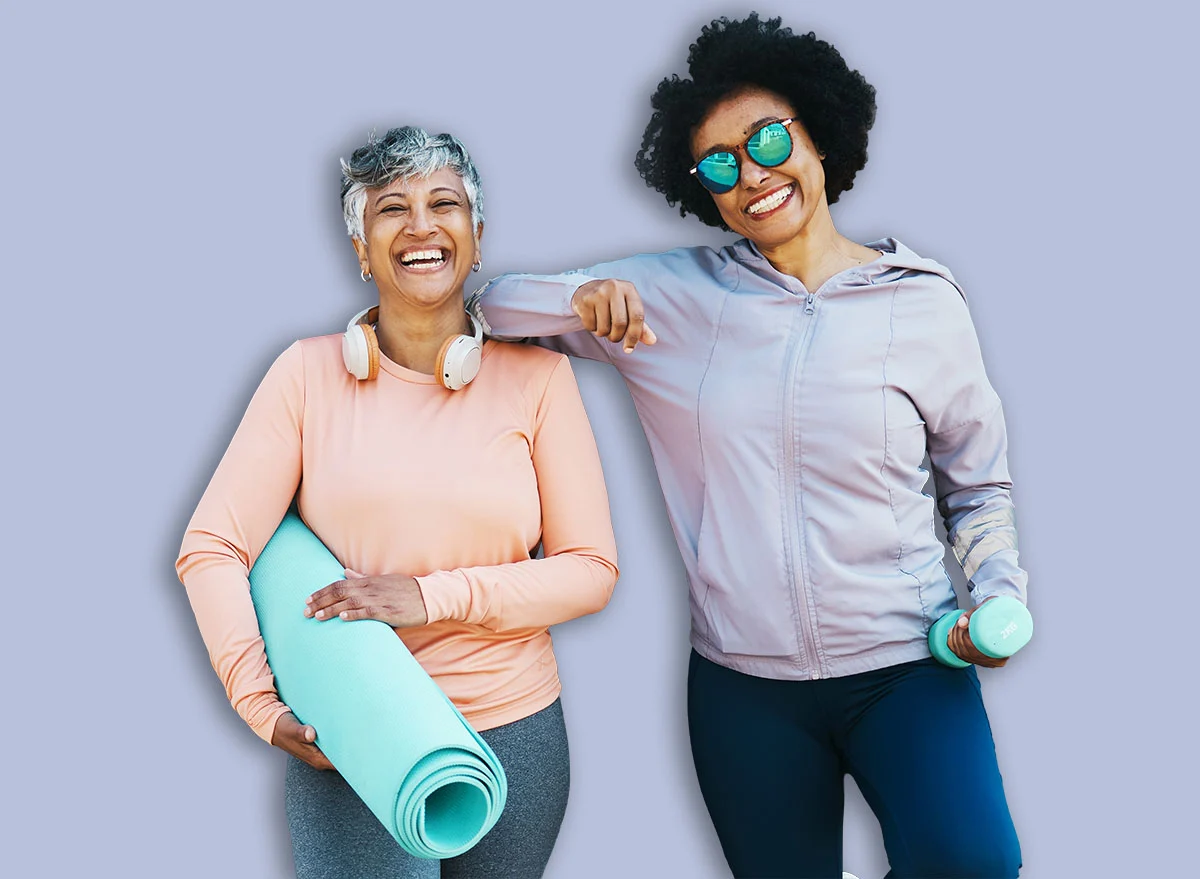
As we navigate the golden years, the body’s internal landscape undergoes a subtle, often silent transformation. While many attribute the stiffening of joints and the gradual loss of range of motion to the inevitable "shortening" of muscles, the reality is far more nuanced. For those over 65, the secret to maintaining independence, preventing injury, and enhancing quality of life lies in a specialized approach to movement.
Whether your goal is to maintain a competitive edge on the pickleball court, refine your golf swing, or simply navigate the daily rigors of reaching, lifting, and bending with ease, preserving your flexibility is not just a luxury—it is a functional necessity.
The Science of Stiffness: Beyond the Muscles
The common narrative regarding aging is that muscles simply shrink and lose elasticity. However, Doug Bertram, M.S., L.Ac., MTCM, founder of the orthopedic wellness brand Structural Elements® and author of Extreme Center, suggests we look deeper.
"Most flexibility loss after 65 isn’t about muscles getting short," Bertram explains. "It’s about fascia—the connective tissue that wraps every muscle, bone, and organ—becoming dehydrated and stuck from years of the same postures. The goal is to put slow, sustained, gentle tension through those tissues so they can rehydrate and glide again."
This fascial health is the cornerstone of functional longevity. When fascia loses its hydration, it creates "adhesions" or "knots" that restrict movement, leading to the stiffness often mistaken for age-related decline. By implementing a routine of sustained, gentle movement, you aren’t just stretching; you are essentially "lubricating" your internal framework.
Pre-Movement Protocols: Safety First
Before diving into a stretching routine, it is imperative to acknowledge that the body at 65+ requires a different level of care.
Medical Clearance
If you have a history of osteoporosis, joint replacements, or recent surgical interventions, consult with your primary care physician or a physical therapist before beginning any new regimen. Certain movements, particularly deep forward bends or high-intensity rotations, may need to be modified or avoided entirely to prevent stress on compromised joints.
The Warm-Up Factor
Never attempt to stretch "cold" muscles. Just as a dry sponge is brittle and prone to tearing, cold fascia is less responsive. A simple five-minute brisk walk or a warm shower can significantly increase blood flow and fluid movement in the tissues, preparing the body for a deeper, safer stretch.
The "Pain" Threshold
Bertram offers a golden rule for all movement: "Ease into each stretch gradually and hold steadily. Each stretch should feel comfortable; any pinching, sharp, or electric sensations mean ‘back off.’" Flexibility is a long-term project, not a race.
The 5 Essential Movements for Longevity
To help restore fluidity and range of motion, Bertram recommends the following five exercises. These are designed to be performed with intention and control.
1. Cat-Cow: The Spine’s Reset Button
The spine is the central hub of human movement. Over time, the vertebrae can become stiff, limiting the fluidity of our gait and posture.
- The Benefit: This move restores motion segment by segment, waking up the fascia along both the front and back of the trunk.
- How to perform: Start on your hands and knees in a tabletop position. As you inhale, drop your belly toward the floor and lift your chin and chest (Cow). As you exhale, draw your belly toward your spine and round your back toward the ceiling, tucking your chin (Cat). Move slowly, syncing your breath with the motion.
2. Open Book Rotation: Reclaiming Transverse Motion
Rotation is often the first range of motion lost as we age. It is a critical movement required for essential tasks, such as checking your blind spot while driving or reaching into the back seat of a car.
- The Benefit: By focusing on thoracic rotation, you alleviate pressure on the lower back, which often compensates for a stiff upper spine.
- How to perform: Lie on your side with your knees bent at a 90-degree angle. Extend both arms out in front of you, palms touching. Slowly open your top arm toward the ceiling and across your body, following your hand with your eyes until it rests on the floor on the opposite side. Hold for several breaths, then return to the start.
3. Doorway Chest Stretch: Counteracting the "Tech-Neck"
Modern life is defined by forward-leaning postures—whether we are driving, cooking, or looking at a smartphone. This constant forward pull causes the chest muscles to tighten and the shoulders to round.
- The Benefit: This stretch counters the "rounded" posture, opens the rib cage for easier breathing, and realigns the shoulders.
- How to perform: Stand in an open doorway. Place your forearms on the door frame with your elbows at shoulder height. Step one foot forward gently until you feel a comfortable stretch across your chest and the front of your shoulders. Hold, breathe, and relax into the space.
4. Standing Hip Flexor Stretch: Restoring the Stride
When we sit for long periods, the hip flexors—the muscles connecting the torso to the legs—shorten. This tightness is a primary culprit in lower back pain and can drastically shorten one’s walking stride.
- The Benefit: Opening the hip flexors facilitates a more natural, fluid walk and improves overall standing posture.
- How to perform: Stand tall. Take a moderate step back with your right foot. Keep your back heel slightly lifted and bend your front knee. Gently tuck your pelvis under (imagine trying to pull your belt buckle toward your chin) until you feel a stretch in the front of your right hip.
5. Wall Calf Stretch: The Balance Guardian
Ankle mobility is perhaps the most underrated aspect of fall prevention. If your ankles are stiff, your gait becomes shuffling and unstable, which increases the risk of tripping.
- The Benefit: Restoring ankle motion is one of the most effective strategies for maintaining balance and agility in older adults.
- How to perform: Stand facing a wall, placing your hands against it for support. Step one foot back, keeping the heel firmly planted on the ground and the leg straight. Lean forward into the wall until you feel a deep stretch in the calf of the back leg.
Implications for Daily Living: The "Independence" Dividend
The implications of adopting these movements extend far beyond the physical sensation of "feeling loose." For the demographic over 65, the preservation of mobility is the primary determinant of "functional age."
Psychological Benefits
The ability to move without pain has a profound impact on mental health. When physical discomfort is removed from the equation, individuals are more likely to participate in social activities, community events, and exercise programs. The "fear of falling"—a significant psychological barrier for many seniors—is often reduced when an individual feels physically capable and balanced.
Long-Term Health Outcomes
Data consistently shows that individuals who maintain flexibility are less likely to suffer from chronic musculoskeletal pain. By reducing the reliance on pain management medications and minimizing the risk of acute injuries like muscle strains or falls, this routine acts as a form of preventative medicine.
The Role of Consistency
The key, according to Bertram, is not the intensity of the stretch, but the regularity. "The fascia doesn’t change overnight," he notes. "It takes time to rehydrate and reform its structure."
By dedicating 10 to 15 minutes each day to these five movements, you are essentially investing in your future self. You are creating a body that is not just "stuck" in the postures of the past, but one that is pliable, resilient, and ready for whatever the day may bring—whether that’s a competitive match on the court or a simple, joyful walk in the park.
As we move through our later years, flexibility is our greatest ally. By focusing on the health of our connective tissues, we ensure that our bodies remain as capable and vibrant as our spirits.