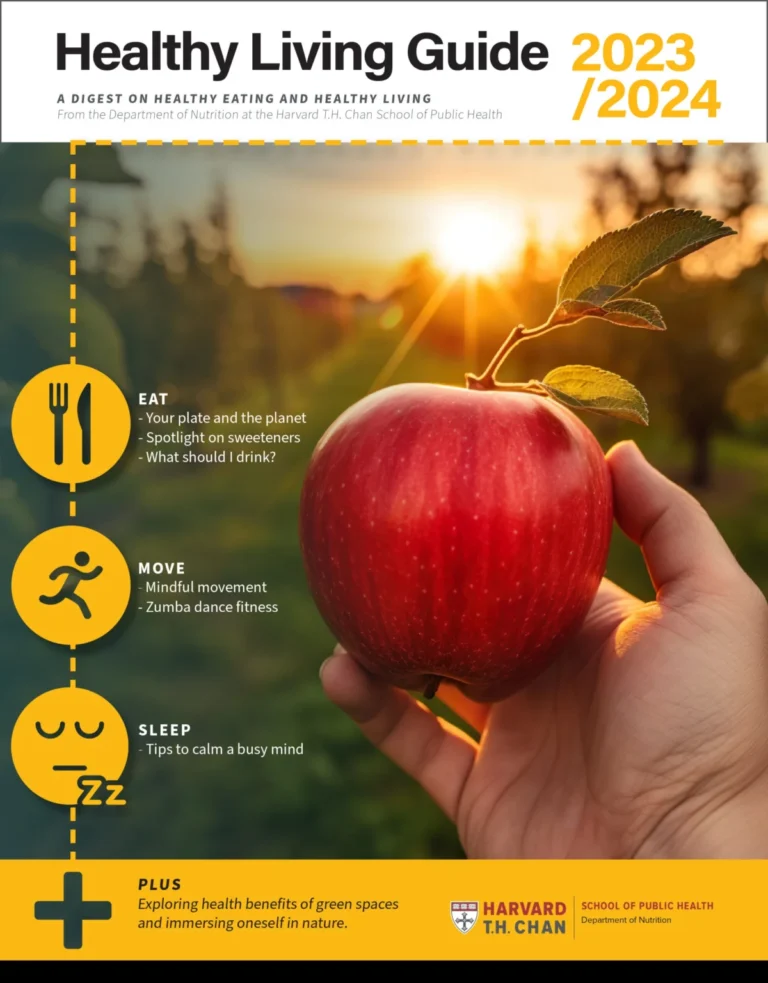












In a significant development for global public health, the World Health Organization (WHO) recently released updated guidelines concerning the role of carbohydrates and fats in the human diet. While the international health body’s recommendations align with modern nutritional science in many areas, a specific directive regarding "total fat intake" has ignited a heated debate among leading nutrition scientists. Experts from the Harvard T.H. Chan School of Public Health have issued a strong critique, arguing that the WHO’s cap on total fat is not only outdated but contradicts decades of robust clinical research.
Main Facts: The New WHO Directive
The WHO’s updated guidelines are intended to provide a universal framework for healthy eating for individuals aged two and older. These recommendations build upon existing guidance regarding sodium intake, added sugars, and non-sugar sweeteners.
At the center of the controversy is the WHO’s recommendation that total fat intake should be restricted to 30% or less of an individual’s total daily caloric intake. This threshold has long been a staple of mid-20th-century nutritional dogma, but it is now being challenged as a "one-size-fits-all" solution that fails to account for the qualitative differences between various types of fats.
Harvard researchers acknowledge that the WHO’s guidance on the types of fat—specifically the emphasis on replacing saturated and trans fats with unsaturated fats derived from plant sources—is well-supported and scientifically sound. However, they argue that placing a rigid cap on total fat intake is an arbitrary target that ignores the metabolic reality of how the human body processes different macronutrients.
Chronology of the Debate
The conflict over dietary fat has evolved significantly over the last half-century.
- The 1970s–1990s: The "Low-Fat Era" dominated global dietary advice, driven by the belief that all fats—regardless of source—were primary contributors to heart disease and obesity.
- The 2000s–2010s: Large-scale, long-term cohort studies began to emerge, suggesting that the quality of fat is far more important than the quantity. The landmark PREDIMED trials served as a turning point, demonstrating that a Mediterranean diet—high in healthy fats like olive oil and nuts—offered superior protection against cardiovascular disease compared to low-fat alternatives.
- July 2023: The WHO releases its comprehensive updated guidelines. While it incorporates modern nuances regarding carbohydrate quality, it maintains the 30% limit on total fat.
- Post-July 2023: Harvard T.H. Chan School of Public Health experts formally challenge the scientific basis of the 30% fat limit, calling for a shift in how global health organizations define "healthy" diets.
Supporting Data: Why the 30% Limit is Under Fire
The core of the disagreement lies in the methodology used by the WHO to justify its cap on total fat. Dr. Walter Willett, Professor of Epidemiology and Nutrition at Harvard, contends that the recommendation relies on a single meta-analysis that is "deeply flawed."
Methodological Concerns
Harvard researchers identified several critical weaknesses in the meta-analyses supporting the WHO guidelines:
- Selective Inclusion: The WHO report failed to synthesize a comprehensive collection of randomized controlled trials (RCTs). Instead, it relied on selective studies where weight change was not the primary outcome.
- Population Heterogeneity: Many participants in the studies cited by the WHO were already suffering from chronic conditions, including cancer, diabetes, or cardiovascular disease. Using data from a "sick" population to set universal dietary standards for the general public is, according to Harvard experts, a fundamental scientific error.
- The "Intervention Bias": In many of the studies reviewed, the low-fat intervention groups received intensive monitoring, guidance, and counseling, while the control groups received none. It is well-documented in nutritional science that the act of being monitored—regardless of the specific diet—leads to modest weight loss. This "Hawthorne effect" likely skewed the results, creating a false impression that the low-fat diet itself was responsible for the weight loss.
The PREDIMED Evidence
The Harvard team points to the PREDIMED (Prevención con Dieta Mediterránea) trials as the gold standard for fat research. These trials assigned participants to diets with fat intakes reaching 39–42% of total calories—significantly higher than the WHO’s 30% recommendation. Despite this high fat content, participants exhibited a markedly lower risk of type 2 diabetes and cardiovascular events. The success of these diets is attributed to the inclusion of healthy, unsaturated fats, which facilitate satiety and metabolic health.
Official Responses and Scientific Dissent
The Harvard T.H. Chan School of Public Health’s stance is clear: while the WHO is an essential pillar of global health, its total fat recommendation is a relic that should be disregarded.
Dr. Willett emphasizes that the difference in weight between low-fat and high-fat groups in the studies used by the WHO was often negligible—roughly two pounds. "Hardly sufficient," he argues, "to be setting global dietary recommendations."
The concern is not just about the inaccuracy of the data, but the potential for unintended harm. By setting a low cap on fat, individuals may be incentivized to replace those calories with refined carbohydrates and sugars to meet their energy needs. This substitution is a well-documented driver of increased triglycerides and blood pressure, two major risk factors for heart disease.
Implications for Public Health
The fallout from this debate has significant implications for how nations set their own dietary guidelines.
Shift Toward Nutrient Density
The consensus among modern nutritional scientists is shifting toward "nutrient density" rather than "macronutrient counting." The focus should move away from arbitrary percentages and toward the food source. A diet high in fat from avocados, nuts, seeds, and olive oil is fundamentally different from a diet high in processed fats or, conversely, a diet high in refined carbohydrates.
The Risks of "Policy Inertia"
When global organizations like the WHO issue guidelines, these recommendations often become the foundation for national health policy, school lunch programs, and hospital menus. If the underlying data is flawed, the policy becomes "locked in," making it difficult to pivot even as new evidence emerges. The Harvard critique serves as a necessary intervention, pushing for a more flexible, evidence-based approach that prioritizes the type of fat consumed.
Looking Ahead
The future of nutritional guidance must be inclusive of diverse, culturally relevant dietary patterns. The Mediterranean diet, for example, has been globally recognized for its health benefits, yet it defies the WHO’s current 30% fat threshold. As the international community continues to grapple with the obesity epidemic and the rise of chronic metabolic disease, experts argue that we must abandon rigid, outdated restrictions.
The call to action from Harvard is a reminder that science is not static. While the WHO’s guidelines on carbohydrates and specific fat types represent progress, the "total fat" limit stands as a cautionary tale of what happens when outdated meta-analyses are allowed to dictate the health of the global population. As individuals and policymakers look toward the future, the evidence suggests that the focus should remain on high-quality, whole-food sources of nutrition, leaving the restrictive counting of fat behind.
Summary of Recommendations for Consumers
Based on the current expert consensus from the Harvard T.H. Chan School of Public Health:
- Prioritize Unsaturated Fats: Favor plant-based sources like extra virgin olive oil, nuts, seeds, and fatty fish.
- Minimize Trans and Saturated Fats: Limit intake of processed foods, hydrogenated oils, and excessive amounts of red or processed meats.
- Focus on Whole Foods: A diet rich in vegetables, fruits, whole grains, and healthy fats is more effective for long-term health than a diet focused solely on reducing total fat grams.
- Ignore the 30% Cap: Do not fear healthy fats. Caloric intake should be managed through overall food quality, not by artificially limiting beneficial fats that support heart and metabolic health.