




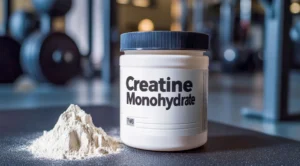



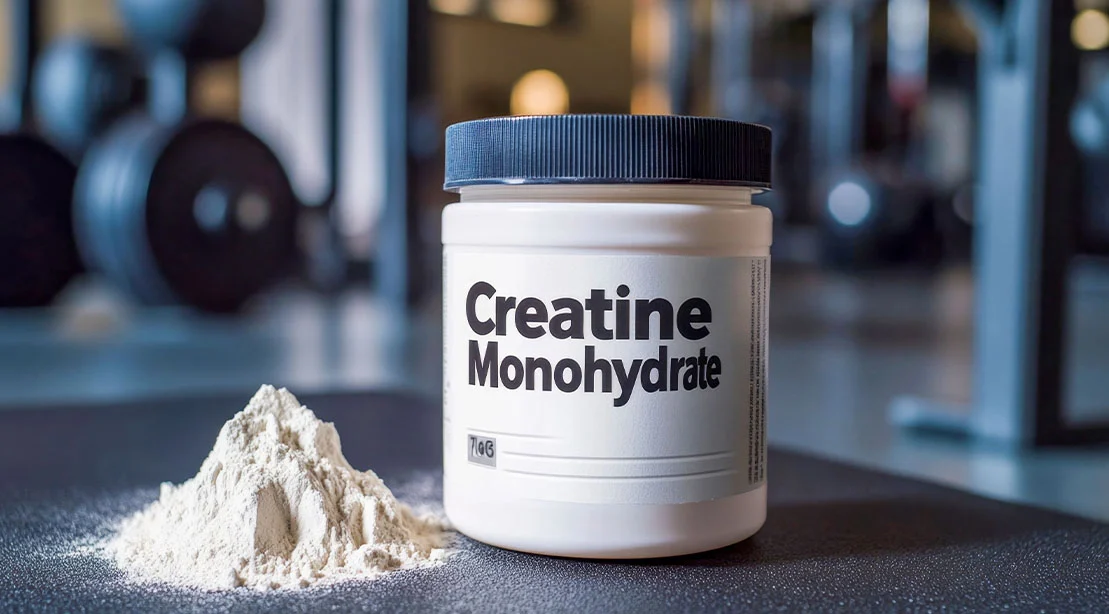
Creatine monohydrate is the undisputed elder statesman of the sports supplement world. It has survived decades of fitness fads, metabolic myths, and the relentless churn of the "next big thing" in the industry. It remains cheap, rigorously studied, and, when paired with the fundamental principles of resistance training, undeniably effective.
However, the internet’s appetite for "fitness shortcuts" is insatiable. Recently, a wave of sensationalist headlines has suggested that creatine might be the "magic bullet" we have been waiting for—a way to build lean muscle mass without ever stepping foot inside a gym. The claim has sent ripples through the fitness community, prompting many to revisit the immortal words of bodybuilding legend Ronnie Coleman: "Everybody wants to be a bodybuilder, but nobody wants to lift no heavy-ass weights."
Is there a world where a scoop of white powder replaces the grit of the squat rack? To find out, we must dissect a recent study published in the Journal of the International Society of Sports Nutrition (ISSN), which has become the center of this debate.
Main Facts: The Texas A&M Study
In August, researchers from Texas A&M University published a study that has since ignited significant discourse. The trial, conducted over 12 weeks, involved 73 sedentary adults between the ages of 45 and 65. Of the original cohort, 64 participants successfully completed the study, providing a reasonably sized data set for analysis.
Participants were divided into groups based on their own lifestyle choices: some committed to a structured exercise and diet program, while others remained sedentary. Within these groups, individuals were randomized to receive either ten grams of creatine monohydrate daily or a placebo.
The headline-grabbing result? The non-exercisers who took creatine gained approximately 2.4 pounds of "lean tissue," as measured by DXA (dual-energy X-ray absorptiometry) scans. In contrast, those in the placebo group who did not exercise showed no such gain. On the surface, this appears to be the "holy grail" of supplement science: muscle growth without movement. But as is often the case in exercise physiology, the reality is far more nuanced.
Chronology of the Research and Discovery
The journey of this study from laboratory to public discourse follows a familiar path of academic rigor meeting public misinterpretation.
- The Design Phase: Researchers sought to observe the effects of creatine supplementation in a middle-aged, sedentary population—a demographic often overlooked in favor of younger, athletic cohorts.
- The Intervention (12 Weeks): The subjects followed a strict protocol. The "active" group combined resistance and aerobic training three times weekly, supplemented by a calorie-restricted diet. The sedentary group maintained their baseline activity levels.
- The Publication: The study was published in the Journal of the International Society of Sports Nutrition in August. The ISSN is a reputable organization, and the study’s authors, including senior researchers with established track records, lent the trial a veneer of high-level credibility.
- The "Headline Effect": As the findings moved from the Journal to social media platforms, the nuance of "lean tissue" was lost. By the time the story reached the mainstream, it had morphed from "creatine may assist in body composition changes" to "skip the gym and get ripped."
Supporting Data: Why "Lean Tissue" Isn’t Always "Muscle"
The most critical point of contention in this study is the definition of "lean tissue." DXA scans are the gold standard for body composition analysis, but they are not infallible. They measure density, which allows them to differentiate between fat, bone, and "lean soft tissue."
However, "lean soft tissue" includes everything that isn’t fat or bone. Crucially, it includes total body water. Creatine is a well-known osmolite; it pulls water into muscle cells. This cellular hydration is a primary mechanism by which creatine enhances performance, but it also increases the weight of the muscle tissue on a scan.
Because the researchers did not account for total body water fluctuations, it is impossible to determine what percentage of that 2.4-pound gain was new muscle protein synthesis versus simple, localized water retention. In the context of an untrained individual starting a high dose of creatine (10 grams daily is significantly higher than the standard 3–5 gram maintenance dose), a substantial portion of that gain is almost certainly water.
Official Responses and Scientific Caveats
The scientific community, particularly those familiar with the ISSN, has urged caution. Even the authors of the study have characterized some of their findings—such as improvements in memory tests and blood markers—as "exploratory." In scientific terminology, "exploratory" is a polite way of saying, "We saw something interesting, but the data is preliminary and requires replication in larger, more controlled environments."
The Limitations of the Methodology:
- Small Sample Size: The non-exercise comparison group consisted of only 13 creatine users and 13 placebo users. While statistically significant enough to warrant notice, it is a small sample that makes it difficult to extrapolate to the broader population.
- Self-Selection Bias: The study randomized the supplementation, but it did not randomize the exercise. Participants self-selected into the training program. This creates a fundamental difference between the groups that cannot be corrected for by statistics alone.
- Conflict of Interest: Transparency is the hallmark of good science. The study was funded by a foundation gift, and a creatine manufacturer supplied the supplements and funded a laboratory assay. Furthermore, the senior researcher disclosed a position on that company’s scientific advisory board. While this does not automatically invalidate the data, it mandates a higher level of scrutiny.
Implications: The Verdict for the Modern Athlete
So, where does this leave the fitness enthusiast? Does the dream of "effortless muscle" remain alive?
1. Don’t Abandon the Squat Rack
The study actually reinforced that the best results come from the "traditional arrangement." The participants who combined resistance and aerobic training with creatine supplementation saw the most robust gains—nearly three pounds of lean tissue—alongside significant improvements in functional performance markers. The data, if anything, suggests that creatine acts as a force multiplier for those who are already putting in the work.
2. The Nuance of Dosage
Most lifters are accustomed to a 3–5 gram daily dose. This study used 10 grams daily. While the higher dose may have contributed to the rapid appearance of "lean tissue" via water retention, it is not necessarily a recommendation for the average consumer. Furthermore, individuals with pre-existing kidney conditions or other metabolic issues should always consult a clinician before dramatically altering their supplement intake.
3. Broadening the Scope
The most promising aspect of this research isn’t that it replaces lifting, but that it confirms creatine’s potential utility beyond the bodybuilding stage. The improvements in blood lipids, blood-sugar markers, and cognitive function are the real "hidden gems" of this paper. If creatine can assist in metabolic health for middle-aged sedentary populations, that is a far more impactful discovery than the ability to gain a few pounds of water weight.
Final Thoughts
We have spent decades building a massive, evidence-based fortress around the efficacy of creatine monohydrate. It is one of the few supplements on the market that actually does what it claims to do. It does not need to be marketed as "magic dust" to be valuable.
The study from Texas A&M is a fascinating piece of exploratory research, but it is not a reason to cancel your gym membership. If you want to change your body composition, optimize your health, and improve your longevity, the formula remains unchanged: prioritize resistance training, manage your nutrition, and use supplements to bridge the gaps—not to replace the foundation.
As for the dream of building a bodybuilder’s physique while sitting on the couch? That remains a fantasy. The weights are still heavy, and they are still waiting for you to lift them.