




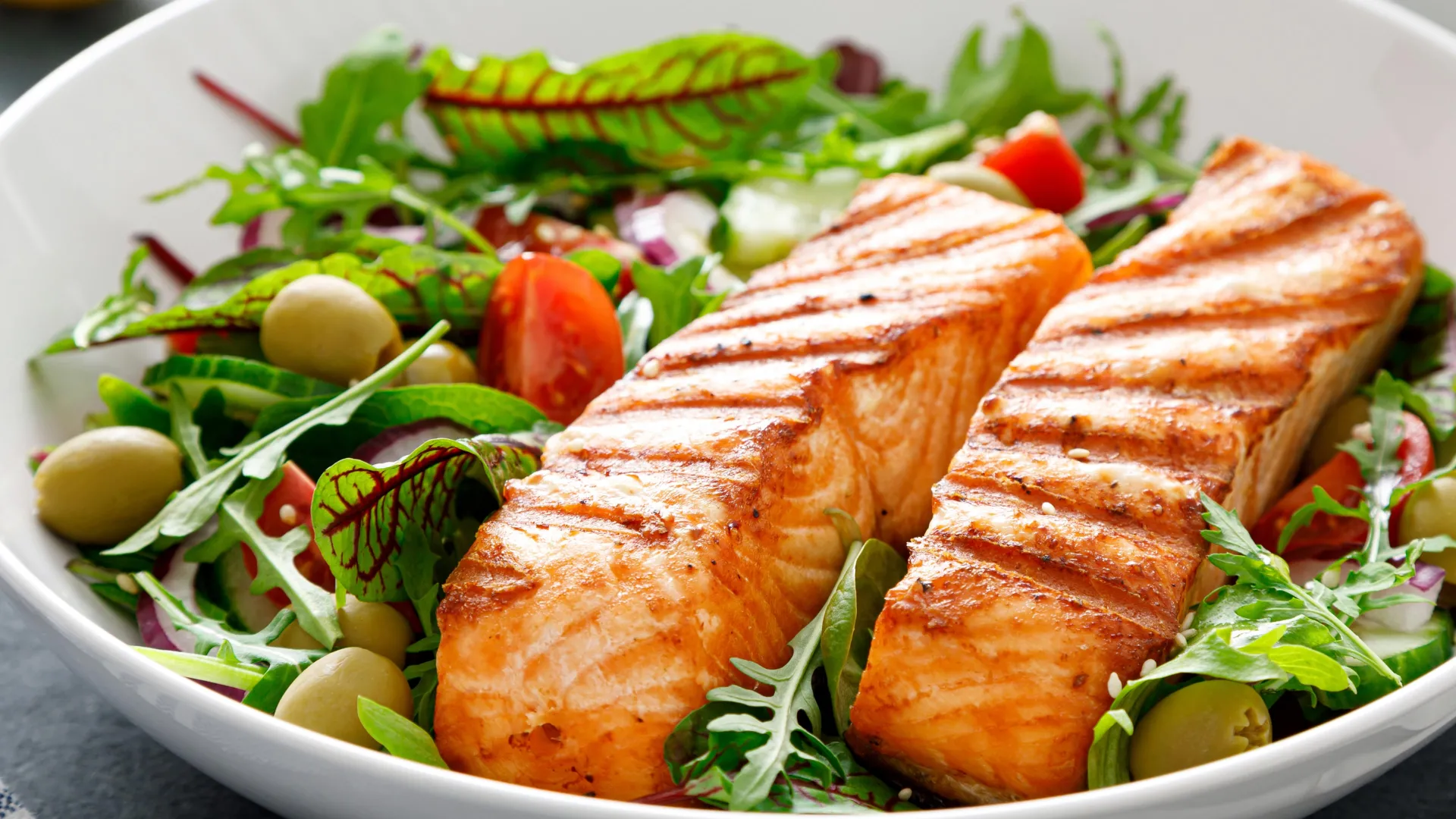
For decades, the "Mediterranean diet"—a tapestry of olive oil, fresh produce, legumes, and lean proteins—has been lauded by cardiologists and nutritionists as the gold standard for human health. It is a regimen consistently associated with lower rates of cardiovascular disease, reduced risks of type 2 diabetes, and the preservation of cognitive function into old age. Yet, despite its well-documented clinical benefits, the "how" has remained elusive. Why does a bowl of lentil soup drizzled in olive oil translate to a protected heart or a sharper brain?
New research from the USC Leonard Davis School of Gerontology suggests the answer lies not just in the gut, but within the very engines of our cells. A groundbreaking study reveals that the Mediterranean diet may act as a metabolic signal, triggering the production of "microproteins" within our mitochondria—the tiny power plants that fuel human life. These proteins, known as humanin and SHMOOSE, appear to act as molecular messengers, potentially bridging the gap between our dietary choices and the fundamental biology of aging.
The Mitochondrial Connection: Unveiling the Mechanism
At the center of this discovery are mitochondria, the organelles responsible for generating the energy necessary for cellular survival. While their role in energy production is well-established, scientists are increasingly recognizing that mitochondria do much more: they serve as command centers for metabolism, stress responses, and the aging process itself.
Unlike most proteins, which are synthesized according to blueprints held in the cell’s nucleus, mitochondrial microproteins are produced from genetic instructions located within the mitochondria themselves. For years, the small segments of mitochondrial DNA responsible for these proteins—known as open reading frames—were dismissed by many scientists as "junk DNA."
Recent research, however, has proven otherwise. These segments encode biologically active, small proteins that possess profound influence over human health. The USC study, led by Instructional Associate Professor of Gerontology Roberto Vicinanza, identified that individuals who strictly adhered to a Mediterranean diet exhibited significantly higher concentrations of two specific microproteins: humanin and SHMOOSE.
Chronology of Discovery: From "Junk" to Guardian
The scientific journey to this discovery spans more than two decades, led largely by the lab of USC Leonard Davis School Dean and Distinguished Professor Pinchas Cohen.
- 2003: Dr. Cohen and his team identify "humanin," a microprotein that would eventually be linked to improved insulin sensitivity, cardiovascular health, and the protection of cognitive abilities.
- The Mid-2010s: Further investigation reveals that mitochondrial DNA is not just a source of energy but a source of genetic information for a class of peptides that regulate aging.
- Recent Years: The discovery of SHMOOSE (Small Human Mitochondrial ORF Over SErine tRNA) opens new doors. Researchers find that a genetic variant of SHMOOSE is linked to an increased risk of Alzheimer’s disease, while the normal version helps shield neurons from amyloid—the toxic protein that accumulates in the brains of Alzheimer’s patients.
- The Present Study: Under the guidance of Dr. Vicinanza and Dean Cohen, researchers correlate these specific microproteins with the dietary habits of older adults, successfully mapping the Mediterranean diet’s influence onto mitochondrial biology.
Supporting Data: Mapping Diet to Biology
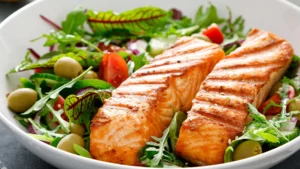
To determine how food impacts these microscopic protectors, the USC research team analyzed blood samples from a cohort of older adults with varying degrees of adherence to the Mediterranean diet. The data revealed a striking correlation: those whose diets were richest in olive oil, fish, beans, and lentils—and lowest in refined carbohydrates like white bread and sugary snacks—showed the highest levels of humanin and SHMOOSE.
Beyond these protein levels, the researchers observed a decrease in markers of oxidative stress. Oxidative stress occurs when harmful molecules, known as reactive oxygen species, overwhelm the body’s natural defenses, causing damage to DNA and cellular proteins. This damage is a primary driver of chronic illness and the systemic decay we call aging.
The study further identified a fascinating "protein-to-food" relationship:
- Humanin Levels: Strongly associated with higher consumption of olive oil, fish, and legumes.
- SHMOOSE Levels: Tied specifically to higher olive oil intake and the restriction of refined sugars and processed grains.
- Nox2 Enzyme Activity: Participants with higher humanin levels exhibited lower activity of the enzyme Nox2. Since Nox2 is responsible for generating reactive oxygen species that damage blood vessels, this suggests that humanin acts as a biological "brake" on the processes that lead to heart disease.
Official Responses and Expert Perspective
The researchers view this as a potential paradigm shift in the field of gerontology. Dean Pinchas Cohen notes that these microproteins are "emerging as key regulators of aging biology."
"These findings suggest that specific components of the Mediterranean diet may directly influence mitochondrial biology," Cohen stated. "Humanin and SHMOOSE could serve as biomarkers for adherence to the Mediterranean diet and have clinical significance."
For Dr. Roberto Vicinanza, the study is a bridge between the wisdom of the past and the technology of the future. "These microproteins may act as molecular messengers that translate what we eat into how our cells function and age," he explained. "It’s a new biological pathway that helps explain why the Mediterranean diet is so powerful."
Vicinanza’s interest is not merely clinical; he has dedicated significant effort to promoting the Mediterranean diet as a pillar of both public health and environmental sustainability. Through his collaboration with the Municipality of Pollica, Italy—a UNESCO-recognized community for the diet—he has helped institutionalize the "International Day of the Mediterranean Diet," celebrated annually on November 16th.
"We’re connecting centuries-old dietary traditions with cutting-edge molecular biology," Vicinanza said. "It supports the idea that healthy eating patterns with little to no ultra-processed foods reflect how humans have eaten over long periods and may create conditions to which mitochondria—ancient cellular organelles—are likely adapted."
Implications: The Future of Precision Nutrition
While the results are compelling, the research team is careful to emphasize that this study is observational. It establishes a powerful correlation but does not yet confirm that the diet causes the increase in microproteins, nor that these specific proteins are solely responsible for preventing disease. Other lifestyle factors, such as physical activity levels and socioeconomic status, remain variables that require further investigation.
However, the implications for the future of medicine are profound. We are moving toward an era of "precision nutrition," where dietary recommendations are not "one-size-fits-all" but are tailored to an individual’s unique biological state. If future longitudinal studies confirm that these microproteins are the key mechanisms by which the Mediterranean diet confers its benefits, humanin and SHMOOSE could become standard biomarkers for doctors.
Instead of generic dietary advice, a physician might one day monitor a patient’s microprotein levels to determine how well their cells are responding to their current nutrition plan. If levels are low, targeted dietary interventions could be prescribed to "upregulate" these protective molecules.
Moving Toward Causality
The next phase of this research is critical: moving from observation to causality. Researchers plan to conduct controlled trials to see if specific dietary changes—such as increasing olive oil or decreasing refined carbohydrates—can directly induce a rise in humanin and SHMOOSE levels. They will then look to see if those rises correlate with tangible improvements in cognitive function and cardiovascular performance.
As we continue to decode the "language" of the mitochondria, the humble Mediterranean diet appears more sophisticated than ever. It is no longer just a collection of ingredients; it is a complex biochemical signal that tells our cells to repair, protect, and thrive. By harnessing these pathways, we may eventually unlock the ability to influence the aging process at its most fundamental, molecular level, transforming the way we think about the relationship between the fork and the cell.
The study was funded by the USC Daryl and Irwin Simon Nutrition for Alzheimer’s Disease Prevention Research Fund, the Hanson-Thorell Family Research Award, the National Institutes of Health, and the PRIN 2022 grant.