









Published: October 25, 2026
In the fast-paced landscape of the 21st century, the act of breathing—an involuntary biological function that occurs approximately 20,000 times a day—has become a neglected cornerstone of human health. While modern medicine has long understood the mechanics of the respiratory system, the deeper, more subtle relationship between the breath, the psyche, and movement remains a frontier for many practitioners.
As part of Yoga Journal’s ongoing Archives series, we revisit a seminal exploration of breath-work originally published in November–December 1992. Decades later, the observations made in this piece regarding chronic breath-holding and shallow respiration remain not only relevant but urgent in an era defined by digital hyper-connectivity and pervasive physiological stress.
The Symphony of the Breath: Main Facts
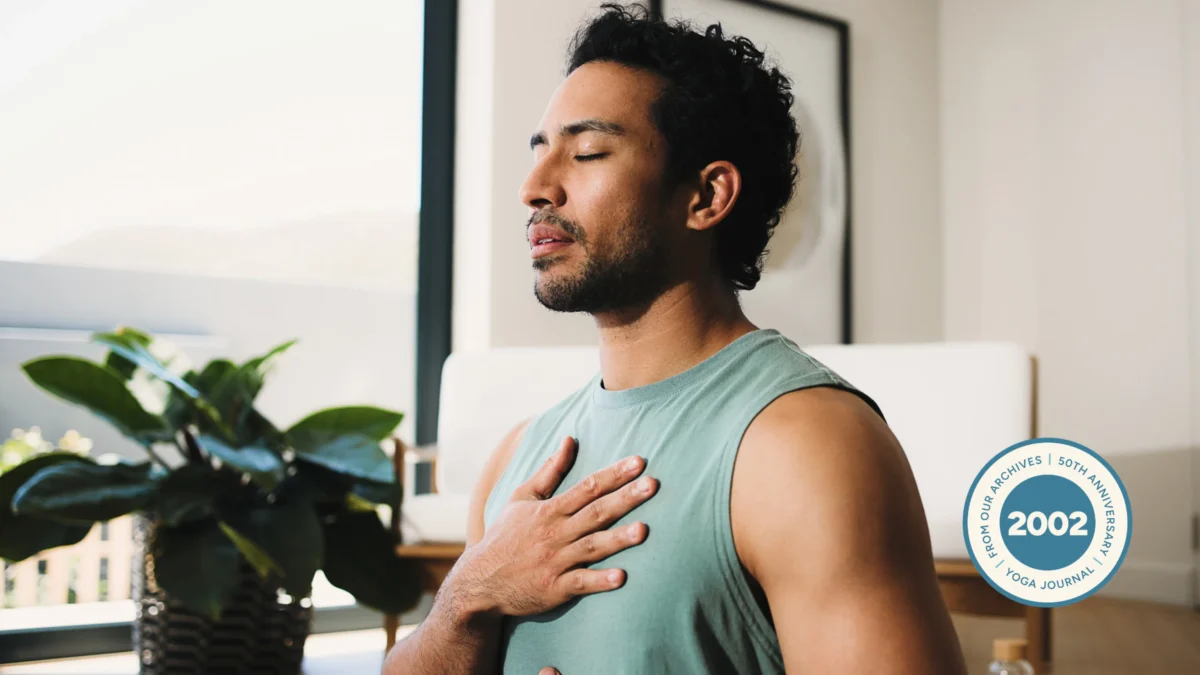
At its core, breathing is far more than a simple exchange of oxygen and carbon dioxide. It is an extraordinary symphony of physiological movements. With every inhalation and exhalation, the body undergoes a complex series of internal adjustments: the diaphragm descends, internal organs are gently massaged, joints oscillate, and muscle tissues alternate between states of tension and release.
Beyond the physical, the breath acts as a bridge between the subconscious mind and the external world. It carries the weight of emotional content, latent stress, and creative potential. When humans move in harmony with this internal "oceanic tide," the body functions with optimal efficiency. Conversely, when we move against our breath—or ignore it entirely—we disconnect from our own physiological center, leading to a fragmented sense of self.
A Chronology of Breath Awareness
The history of conscious breathing in the West is a tapestry of ancient wisdom meeting modern clinical observation:
- 1975: Yoga Journal begins its mission to document the intersection of ancient Eastern movement practices and Western wellness.
- 1992: The original article on "restricting the breath" is published, highlighting the work of pioneers like Ilse Middendorf. At this time, the concept of "breath-work" was largely relegated to fringe yoga circles.
- Early 2000s–2010s: Increased clinical interest in the autonomic nervous system (ANS) begins to validate the yoga practitioner’s long-standing belief that the breath is a "remote control" for the nervous system.
- 2020–2026: The global rise in chronic stress and burnout has brought breath-work into the mainstream, with digital apps and corporate wellness programs now featuring guided respiration as a primary tool for anxiety management.
Supporting Data: The Cost of Shallow Respiration
While the central nervous system (CNS) regulates our breathing automatically, the quality of that breathing is profoundly influenced by our environment and psychological state.
Observations from yoga educators and physical therapists consistently highlight a troubling trend: the prevalence of "chronic breath-holding." This is rarely a conscious decision. Rather, it is a defensive reaction to stress—a "freeze" response that, when repeated over years, becomes a default biological pattern.
Clinical Implications of Poor Breathing:
- Nervous System Dysregulation: Shallow, apical (chest-based) breathing keeps the body in a state of sympathetic nervous system dominance (fight-or-flight), preventing the parasympathetic nervous system (rest-and-digest) from restoring homeostasis.
- Musculoskeletal Tension: Constant shallow breathing contributes to the tightening of the accessory breathing muscles in the neck and shoulders, leading to chronic tension headaches and neck pain.
- Psychological Fragmentation: When the breath is restricted, the practitioner loses access to the "essential breath"—that conscious, deep flow that connects the individual to their core.
Perspectives on the "Essential Breath"
There is a distinct spectrum of breathing, as noted by renowned breath-worker Ilse Middendorf. At one end lies the unconscious, involuntary breath—the bare minimum required for survival. At the other extreme lies the highly regulated, willpower-driven breath often found in traditional pranayama exercises.
The "essential breath" exists in the middle. It is a conscious, organic flow that arises from the depth of the body. Many modern yoga schools miss this by focusing exclusively on rigid structures—such as "inhale for ten counts while raising the arms." While these structures provide a temporary sense of order, they often prioritize form over the lived experience of the breath.
Furthermore, some disciplines treat the breath as an "add-on" to be mastered only after physical asanas are perfected. Experts argue this is akin to learning to sail without understanding the wind. Without the breath as the primary driver, movement becomes a feat of willpower, leading the practitioner to focus on how the pose looks rather than how the body feels.
Implications: Moving Toward Daily Vigilance
The ultimate goal of any practice is to bridge the gap between the yoga mat and the complexities of daily life. If we only breathe with intention while in a controlled environment, we fail to address the underlying physiological habits that govern our daily interactions.
The Five-Step Integration Program
To reclaim the essential breath, practitioners are encouraged to apply the following exercises in their everyday lives:
1. Watching: The Data Collection Phase
Begin by identifying situations that trigger breath restriction. Are you holding your breath during tense emails? Are you mirroring the shallow breathing of a colleague who is anxious? Awareness is the first step toward intervention.
2. Moving: The Integration Phase
Select a low-stakes activity, such as tidying your desk or walking to the kitchen. During this task, consciously allow the belly to soften. Observe how the movement changes when the breath is not being "held" as a mechanism of effort.
3. Eating: The Digestive Connection
The act of eating is often rushed, leading to shallow breathing and poor digestion. By breathing slowly while chewing, you engage the vagus nerve, which promotes healthy digestion. Observe whether this simple change leaves you feeling more satisfied and less fatigued post-meal.
4. Talking: The Communication Test
Voice is an extension of the breath. Try reading aloud at a pace dictated by your natural breath capacity. Once comfortable, bring this awareness to telephone conversations. The "graduation exam" is to maintain this awareness during an interpersonal conflict. A person who can maintain a rhythmic, open breath during an argument is significantly more likely to reach a calm, rational resolution.
5. Daily Vigilance: The Cueing System
Use external triggers—a ringing phone, a specific color, or a notification—as a reminder to scan your body. If you catch yourself holding your breath, do not engage in self-criticism. Simply note the tension, release the diaphragm, and return to a natural rhythm.
Conclusion: The Path Forward
In our modern, high-pressure society, the ability to breathe freely is a radical act of self-care. It is an acknowledgment that we are not merely machines governed by a rigid, external set of instructions, but biological entities capable of self-regulation.
By transitioning from unconscious, shallow breathing to the "essential breath," we move from a state of reactive existence to one of active, conscious participation. As we continue to navigate the demands of 2026 and beyond, the most sophisticated tool we possess for health, clarity, and emotional stability remains the one we were born with: the simple, rhythmic, and profound act of breathing.
Through persistent practice, we don’t just "do" yoga—we embody a state of being where our outer actions are finally in accord with our deepest inner experience.