






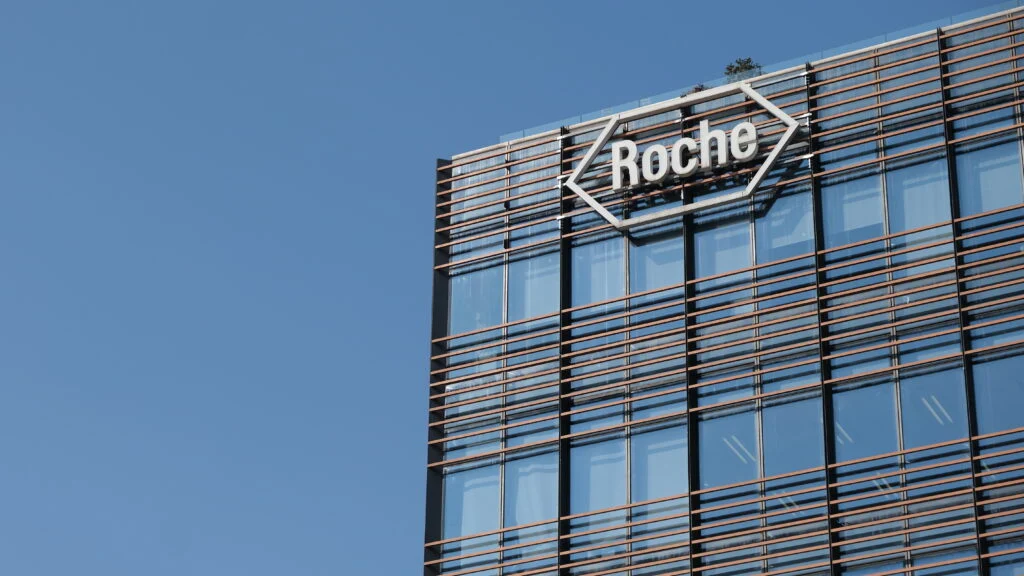
The European Society for Medical Oncology (ESMO) annual meeting has long served as the global stage for the most significant breakthroughs in oncology, and this year’s iteration was no exception. As the conference drew to a close, one of the most compelling narratives to emerge from the convention center was the performance of Roche’s divarasib, a next-generation KRAS G12C inhibitor. Data presented at the event suggest that Roche may have successfully raised the bar in the treatment of second-line advanced non-small cell lung cancer (NSCLC), potentially displacing the current standard-of-care incumbents from Amgen and Bristol Myers Squibb.
This development marks a critical shift in the competitive landscape of targeted cancer therapies. For years, the KRAS mutation—once considered "undruggable"—has been the primary target for major pharmaceutical players. With the latest data release, Roche has signaled that the race to dominate this lucrative and clinically vital space is far from over.
The Science of the Breakthrough: Understanding Divarasib
The KRAS G12C mutation is a common driver in lung cancer, occurring in approximately 13% of NSCLC cases. For decades, oncologists struggled to find a way to lock this specific protein into an inactive state. The arrival of the first generation of inhibitors, such as Amgen’s Lumakras (sotorasib) and Bristol Myers Squibb’s Krazati (adagrasib), changed the prognosis for many patients. However, these drugs were plagued by issues of durability and resistance.
Divarasib operates on a similar principle but with improved pharmacodynamic properties. By binding more covalently and selectively to the KRAS G12C protein, the drug demonstrates a higher potency in suppressing tumor growth. The data shared at ESMO suggest that this increased binding efficiency translates directly into clinical efficacy, providing a more robust response for patients who have already exhausted their initial lines of treatment.
Chronology of the ESMO Findings
The presentation of the divarasib data was the culmination of a multi-year clinical development program that has been closely monitored by Wall Street analysts and oncologists alike.

- Early Phase I/II Data: Initial trials for divarasib were designed primarily to assess safety and determine the optimal dosage. Early reports indicated a promising safety profile, with manageable toxicity levels that differentiated it from earlier, more aggressive inhibitors.
- The ESMO Reveal: During the final days of the conference, the study investigators unveiled the primary outcomes from the second-line NSCLC cohort. The data focused on objective response rates (ORR) and, crucially, progression-free survival (PFS)—the gold standard for measuring how long a drug can keep a patient’s cancer from growing.
- Post-Presentation Analysis: Following the disclosure, the biotech sector saw a flurry of activity as investors recalibrated their expectations for Roche’s oncology portfolio. The consensus among the medical community was that Roche had managed to capture the "goldilocks" balance of high efficacy and acceptable tolerability.
Comparative Data: Outpacing the Incumbents
The significance of the Roche data cannot be overstated when viewed in the context of the current market leaders. Amgen’s Lumakras was the first to hit the market, a milestone that earned it significant first-mover advantage. However, the data presented at ESMO indicate that divarasib achieved a higher rate of tumor shrinkage and, more importantly, a longer duration of response compared to historical benchmarks for both Lumakras and Krazati.
Objective Response Rates (ORR)
In the second-line setting, where patients are often dealing with disease that has become resistant to traditional chemotherapy or immunotherapy, divarasib demonstrated a consistent ability to shrink tumors. While direct "head-to-head" trials against Amgen or BMS products are not yet complete, the cross-trial comparison presented by Roche researchers suggests a distinct advantage in patient outcomes.
Durability and Progression-Free Survival (PFS)
The most striking metric shared during the presentation was the PFS curve. In oncology, the "tail of the curve" is what matters most; keeping patients in remission for as long as possible is the ultimate goal. Divarasib’s data suggested that patients remained on therapy longer before their disease progressed, implying a more durable inhibition of the KRAS pathway.
Official Responses and Expert Commentary
Following the data drop, the atmosphere at the ESMO convention center was electric. Researchers and industry experts were quick to weigh in on what these findings mean for the future of clinical practice.
"The data presented on divarasib represent a meaningful step forward in our ability to treat patients with KRAS G12C-mutated lung cancer," noted one lead investigator during the press briefing. "While we must be cautious when comparing results across different clinical trials, the consistency of the response here is encouraging for a patient population that desperately needs better options."

From the corporate side, Roche has maintained a posture of cautious optimism. The company’s leadership emphasized that the focus remains on ensuring the drug reaches patients who need it most. They noted that the next steps involve discussions with regulatory bodies, such as the FDA and EMA, to determine the pathway for broader approval and inclusion in clinical guidelines.
Strategic Implications for the Biopharma Sector
The success of divarasib at ESMO carries significant implications for the broader biotechnology industry.
Market Dynamics and Competition
For Amgen and Bristol Myers Squibb, the Roche data act as a clear signal to accelerate their own pipeline development. The oncology market is notoriously unforgiving; the moment a superior molecule enters the scene, the commercial value of existing treatments can face downward pressure. Analysts are now closely watching to see how the incumbents respond—whether through combination therapy trials or by shifting their focus to different mutation variants.
The "Undruggable" No More
The overarching takeaway from the ESMO conference is that the KRAS pathway has officially been "cracked." What was once a dead-end for researchers is now a crowded field of high-stakes innovation. This shift has broader implications for drug development, as it proves that targeted therapy can be successfully applied to proteins previously thought to be inaccessible.
Future Outlook
As we look beyond ESMO, the spotlight will turn toward upcoming clinical data from other competitors working on KRAS inhibitors. The next 18 to 24 months will be crucial as these drugs move from trial settings into real-world clinical practice. For Roche, the challenge will be to secure a competitive pricing structure and to demonstrate that divarasib’s clinical benefits translate into a better quality of life for patients.

Conclusion: A New Standard?
The ESMO meeting served as a definitive reminder of the rapid pace of oncology research. Roche’s divarasib has successfully cleared a major hurdle, providing compelling evidence that it can outperform the established KRAS G12C inhibitors. For the thousands of patients battling NSCLC, this represents more than just a data point on a slide—it represents the potential for more effective, longer-lasting treatment options.
As the industry digests these findings, the focus will inevitably shift toward the logistical and regulatory hurdles that lie ahead. However, for now, the message from ESMO is clear: the bar for KRAS inhibition has been set higher, and the oncology community is eager to see how the rest of the sector will rise to meet it.
For those who wish to delve deeper into the analysis of this year’s ESMO findings, we invite you to join our upcoming virtual event, "ESMO 2026: The STAT Recap," taking place this Thursday at 10 a.m. Eastern. Register here to participate in the conversation as we break down the clinical, financial, and strategic impact of the week’s news.