





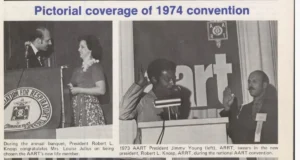



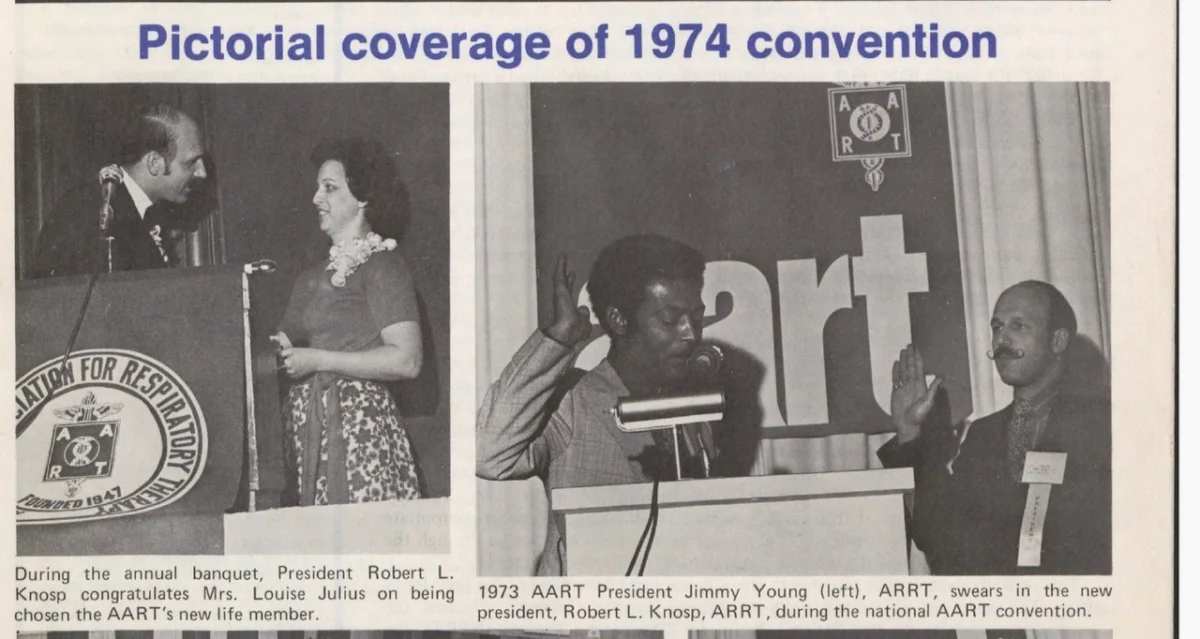
The American Association for Respiratory Care (AARC) stands as the pillar of the respiratory profession, and at its summit sits the Jimmy A. Young Award. Named in honor of the late AARC president—a visionary who dedicated his life to the advancement of clinical excellence and patient care—this accolade represents the highest form of recognition within the field. It is not merely a marker of technical proficiency, but a testament to sustained, transformative contributions that have fundamentally reshaped the landscape of respiratory therapy.
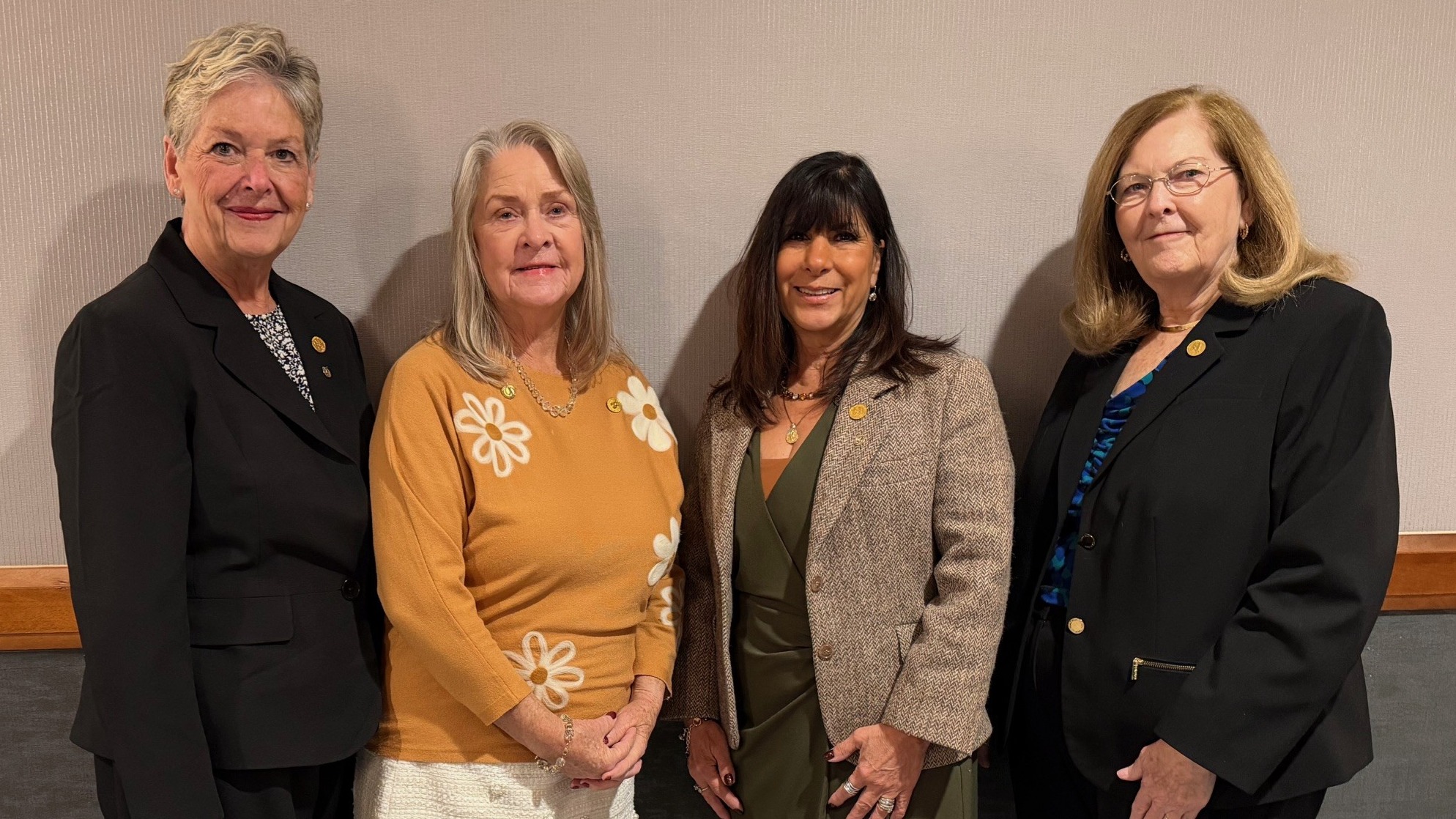
In a landmark retrospective feature, Lisa Weisenberger, the AARC’s Director of Content and Communications, facilitated a rare and profound dialogue between four of the five women who have received this prestigious honor: Dianne Lewis, MS, RRT, FAARC (2025); Trudy Watson, BS, RRT, FAARC (2018); Margaret Traband, MEd, RRT, FAARC (2011); and Teresa Volsko, MBA, MHHS, LSSBB, RRT, FAARC (2020). (The fifth recipient, Louise Julius, was honored in 1988 alongside her husband, John.)
This article explores the narratives of these pioneers, examining how they navigated the complexities of a high-stakes medical field, broke through systemic glass ceilings, and set the gold standard for the next generation of respiratory therapists.
A Legacy of Service: The Foundation of Excellence
The careers of these award recipients are defined not by a pursuit of accolades, but by a relentless commitment to the patient experience and the professionalization of the trade. For each, the path to the Jimmy A. Young Award was paved with years of "in-the-trenches" advocacy.
The Evolution of Standards
Dianne Lewis, the most recent recipient, traces her journey back to the formative years of the House of Delegates. Her work on the Clinical Practice Guidelines Steering Committee remains a cornerstone of modern respiratory practice. "My group wrote and published the first clinical practice guideline for the association," Lewis recalled. This milestone was not just an administrative success; it was a clinical revolution that helped standardize the quality of care provided to patients nationwide, ensuring that regardless of geography, a patient could expect a consistent, evidence-based standard of respiratory support.
Local Roots, Global Impact
Margaret Traband, who has been a fixture of the AARC since 1972, emphasizes that the most enduring professional advancements are often born at the local level. "We began with our state societies," Traband noted. Her perspective offers a vital lesson for contemporary practitioners: "You don’t do it looking for what else you need to check off a list to get an award. You’re just moving ahead where you think you can do the most good." This philosophy of "servant leadership" underscores the reality that the most significant policy shifts in the AARC have historically originated from individuals focusing on the needs of their immediate professional community.
Chronology: From Pioneers to Modern Leaders
To understand the weight of these achievements, one must look at the timeline of the profession. When the AARC (then the AART) was in its infancy, the field was vastly different.
- 1970s: The era of "Journal Clubs" and the birth of clinical specialization. Pioneers like Traband were instrumental in defining the role of the RT as a scholarly partner to the physician, rather than just an equipment technician.
- 1988: Louise Julius becomes the first woman to receive the Jimmy A. Young Award, marking a symbolic entry point for female leadership in a male-dominated organizational hierarchy.
- 2010s–2020s: A period of significant cultural shift. The receipt of the award by Traband (2011), Watson (2018), Volsko (2020), and Lewis (2025) reflects a maturation of the profession, where female leaders are increasingly recognized for their executive and intellectual contributions.
The trajectory from the 1970s to the present day shows a move away from the "sole survivor" model of leadership—where only one woman could occupy a seat of power—to a model of collective elevation.
Breaking the Glass Ceiling: A Cultural Paradigm Shift
Historically, the respiratory therapy workforce has been comprised of a high percentage of women; however, the executive levels of the profession remained stubbornly male-dominated for decades. The conversation between the four honorees shed light on the structural barriers they faced and the strategies they employed to dismantle them.
The "Single Seat" Mentality
Teresa Volsko offered a harrowing glimpse into the professional environment of the late 1970s and 80s. "In 1979, if you were invited to the table, you didn’t dare bring another woman up with you because there was only one or two seats," she explained. This scarcity mindset forced early female leaders to compete for recognition, often at the cost of broader professional solidarity.
The Shift Toward Collective Mentorship
Today, the dynamic has fundamentally shifted. As Volsko noted, the culture has evolved from one of competition to one of intentional mentorship. "Now we have the power to change that landscape from being competitive to really lifting each other up," she said. This transition has been critical in ensuring that the next generation of RTs does not feel the same pressure to navigate the field in isolation. By creating networks of support, these leaders have insured that the "glass ceiling" is being replaced by a glass floor—a foundation for others to build upon.
Strategic Advice for the Next Generation of RTs
The collective wisdom of these four leaders provides a clear roadmap for success. Their advice is practical, rooted in decades of experience, and focused on sustainable career growth.
1. Master the Art of Networking
Trudy Watson emphasized that visibility is a currency in healthcare. "Get involved so your name is known and you are trusted within your own organization," she advised. She encouraged young therapists to branch out beyond their hospital walls, engaging with entities like the American Lung Association. By diversifying their professional footprint, RTs increase their influence and become indispensable to their organizations.
2. Be Over-Prepared: The Value of Intellectual Rigor
In a field where a split-second decision can save a life, preparation is non-negotiable. Traband recalled the rigorous study habits of the 1970s. "Being over-prepared is status quo for most of us," she noted. "You have to be well-versed, so you don’t come off half-prepared." This emphasis on continuous learning ensures that the respiratory therapist remains a respected, evidence-based voice in the multidisciplinary care team.
3. Lead from the Bedside
Perhaps the most empowering piece of advice came from Volsko: "Don’t let the fact that you have the title of a clinical respiratory therapist stop you from doing great things. Lead where you are." This democratizes the concept of leadership, reminding practitioners that influence is not limited to those in the C-suite or those with "Director" in their title. A therapist who advocates for a better protocol at the bedside is just as much a leader as the individual presiding over a board meeting.
Implications: The Future of the Profession
As the healthcare sector grapples with the dual pressures of post-pandemic burnout and a critical need for qualified personnel, the reflections of these award recipients take on a new urgency.
Filling the Pipeline
Dianne Lewis noted that while the job market for RTs is currently robust—with significant growth projected over the next decade—the profession faces an existential challenge: recruitment. Watson identified the bottleneck clearly: "finding the students to fill the seats in the classroom." The future of the field depends on the ability of the current generation to inspire a new cohort to join the ranks of respiratory care.
Combating Burnout
The emotional toll of the pandemic has left many clinicians feeling disillusioned. Traband’s advice on this matter was poignant and deeply human. She urged therapists to reconnect with the "why" of their work. "The further away you get from the bedside, the less positive reinforcement happens," she noted. "Take the time to reflect at the end of the day. Know that you’ve alleviated breathlessness and calmed patients. Steep in that moment." This focus on the psychological preservation of the clinician is essential for the long-term health of the profession.
Conclusion: The Enduring Legacy of the Jimmy A. Young Award
The Jimmy A. Young Award is far more than a physical trophy or a line item on a CV. It is a symbol of a lifetime of advocacy, the courage to speak truth to power, and the wisdom to mentor those who will eventually take one’s place.
As Dianne Lewis, Trudy Watson, Margaret Traband, and Teresa Volsko continue to pave the way, they remind us that the future of respiratory care is not just about technology or equipment—it is about the people who wield them with empathy, intelligence, and unwavering dedication. By embracing the principles of networking, preparation, and bedside leadership, the next generation of respiratory therapists will not only honor the legacy of Jimmy A. Young but will define the next chapter of patient care excellence.
As the healthcare landscape continues to evolve, the lessons provided by these four women serve as an anchor, ensuring that the heart of respiratory therapy remains firmly rooted in the service of others.