







Introduction: Navigating Health in a Post-Pandemic Era
As the global landscape continues to shift in the wake of the COVID-19 pandemic, the fundamental pillars of human health have never been more scrutinized or more vital. The past few years have presented unprecedented challenges—ranging from food insecurity and economic instability to the profound psychological toll of social isolation. Yet, amidst this uncertainty, a critical truth remains: the choices we make daily serve as our most potent defense against chronic disease and the most reliable pathway to a longer, more vibrant life.
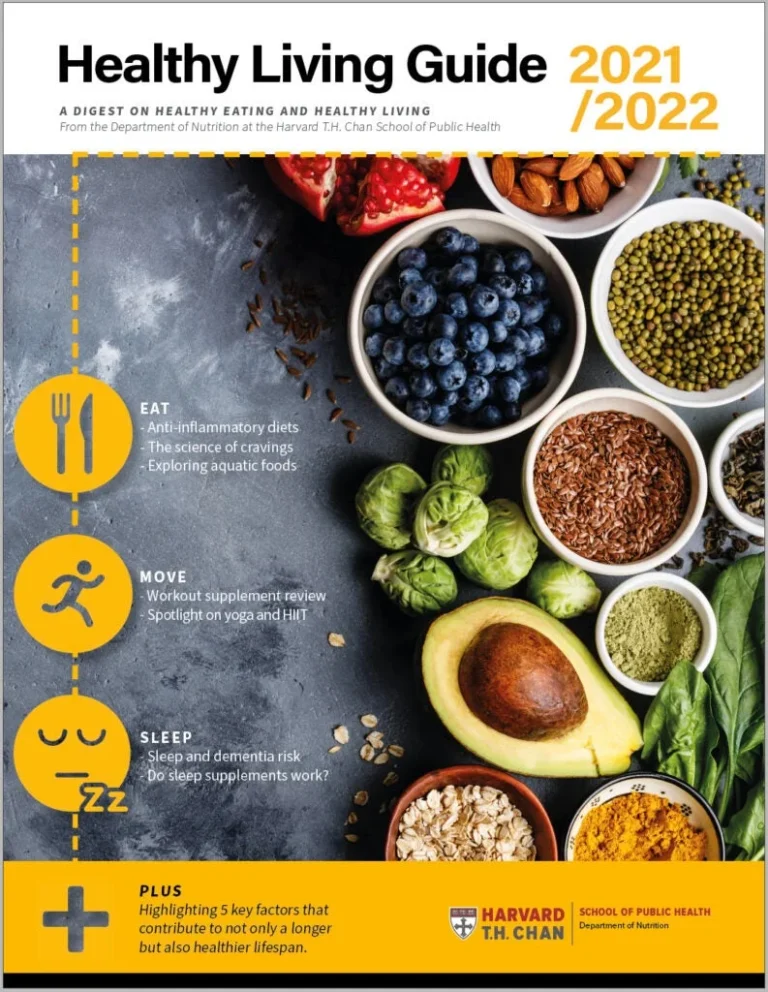
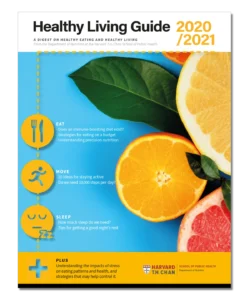
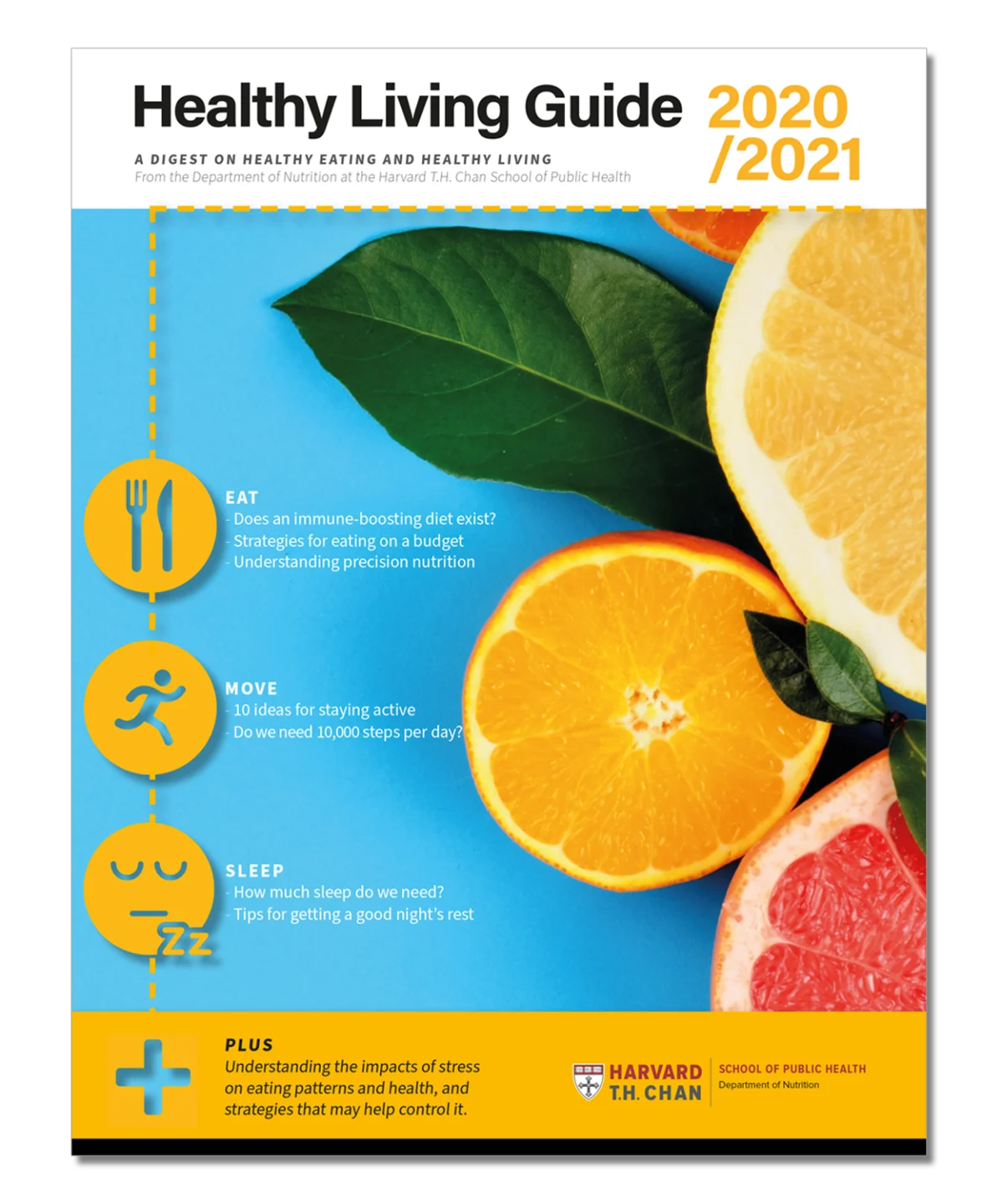
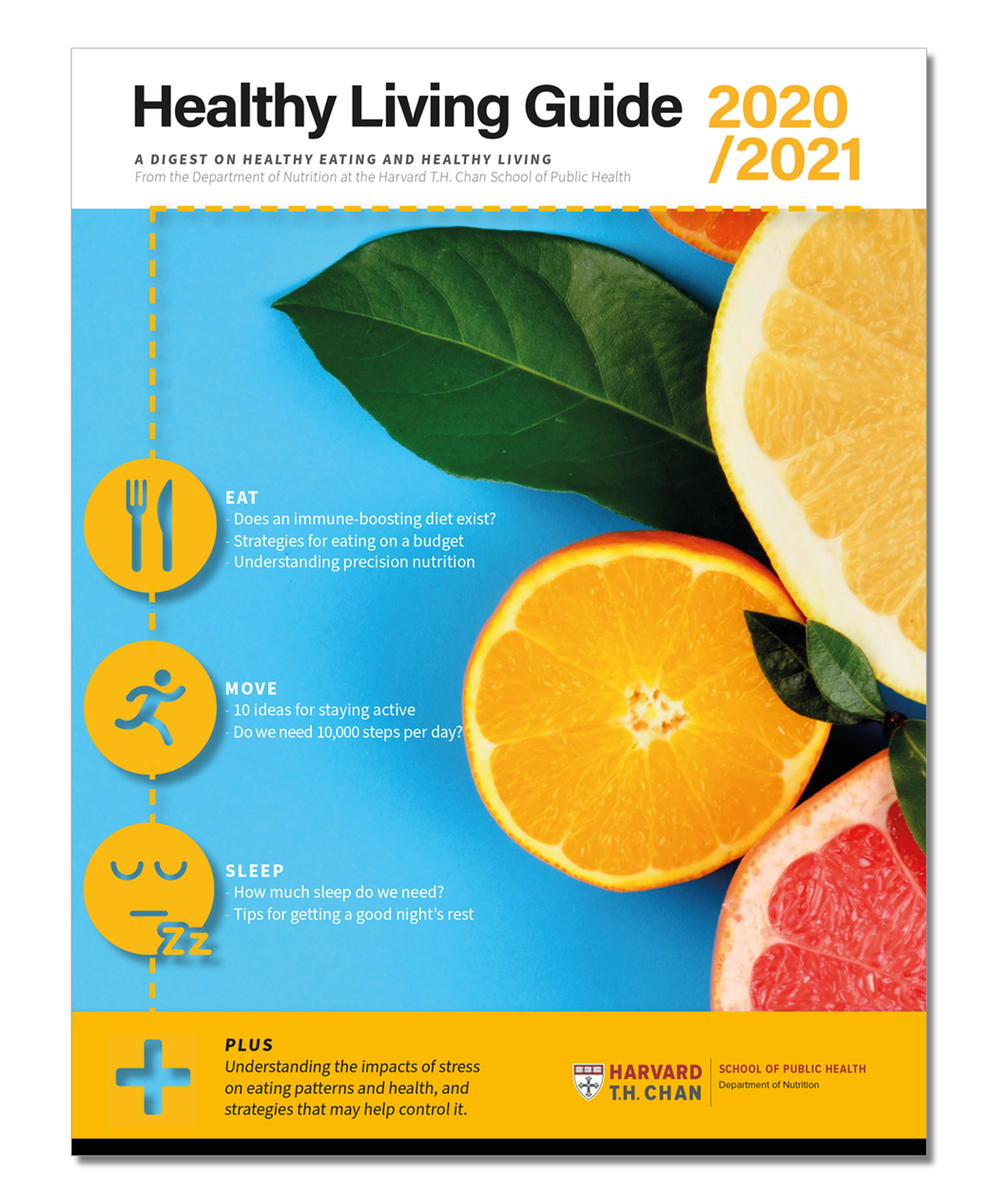
To assist the public in navigating these complexities, experts have distilled the vast body of nutritional and physiological science into a singular, actionable resource: the Healthy Living Guide. This guide does not merely suggest "eating better"; it provides a structured framework for long-term wellness, grounded in robust, evidence-based research.
Main Facts: The Five Pillars of a Longer Life
Scientific research conducted by leading health institutions has identified five specific lifestyle habits that act as the cornerstone of longevity. When consistently practiced, these habits are associated with a significant reduction in the risk of mortality and an increase in the number of years spent free from debilitating chronic conditions.
- A Nutrient-Dense Diet: Prioritizing whole, plant-based foods, healthy fats, and lean proteins while minimizing processed sugars and refined grains.
- Consistent Physical Activity: Engaging in regular exercise to maintain cardiovascular health, muscle mass, and metabolic function.
- Weight Management: Maintaining a healthy body mass index (BMI) to reduce systemic inflammation and stress on vital organs.
- Moderate Alcohol Consumption: Limiting intake to prevent liver damage, neurological decline, and increased cancer risk.
- Tobacco Cessation: Eliminating smoking entirely to protect respiratory health and prevent cardiovascular disease.
These habits are not merely recommendations; they are behavioral interventions that research shows can add more than a decade of life expectancy to the average individual. Perhaps more importantly, these practices shift the "healthspan"—the period of life spent in good health—effectively delaying or preventing the onset of life-altering ailments such as type 2 diabetes, cardiovascular disease, and various forms of cancer.
Chronology: The Evolution of Public Health Guidance
The journey toward a unified health guide has been marked by a transition from reactive medicine to proactive, lifestyle-based prevention.
- Pre-2020: The scientific consensus had already established that lifestyle factors contribute to approximately 80% of chronic disease cases. Longitudinal studies tracking thousands of participants over decades began to surface, proving that even mid-life adjustments to diet and exercise could reverse or mitigate disease progression.
- 2020 (The Turning Point): With the onset of the global pandemic, the fragility of public health was laid bare. Researchers observed that individuals with pre-existing conditions—many of which were lifestyle-related—suffered more severe outcomes from viral infections. This necessitated a shift in communication: public health entities began to emphasize that immune system resilience is built through long-term habits, not overnight fixes.
- 2021 and Beyond: The publication of the Healthy Living Guide served as a synthesis of this new reality. Recognizing that the public was suffering from "information overload," experts condensed complex nutritional studies into printable, actionable tip sheets and gamified challenges, such as the "Healthy Living Bingo," to encourage engagement during periods of lockdown and social distancing.
Supporting Data: Why Lifestyle Interventions Matter
The data supporting these five habits is both extensive and compelling. Studies published by the Harvard T.H. Chan School of Public Health have indicated that individuals who adhere to these five habits see a massive reduction in mortality rates.
The Impact on Chronic Disease
Research focusing on middle-aged adults has yielded some of the most encouraging statistics to date. Those who maintained a healthy weight, exercised regularly, and followed a high-quality diet were found to live significantly more years free of major chronic diseases compared to their sedentary, less nutritionally conscious peers. Specifically:
- Cardiovascular Health: Regular exercise and low sodium intake have been shown to reduce blood pressure and arterial stiffness, effectively lowering the risk of stroke by nearly 30%.
- Diabetes Prevention: A diet rich in fiber and low in glycemic-index foods helps stabilize blood glucose, preventing the metabolic dysfunction that leads to type 2 diabetes.
- Cancer Risk: By maintaining a healthy weight and avoiding tobacco, individuals reduce the chronic inflammation that creates an environment where cancer cells are more likely to proliferate.
The Longevity Dividend
The "longevity dividend" is a concept used by researchers to describe the years gained by adopting these behaviors. On average, the data suggests that a 50-year-old who adopts all five healthy habits can expect to live roughly 10 to 14 years longer than a 50-year-old who adopts none. This is not just a statistical anomaly; it is a profound shift in the human experience, offering over a decade of extra time for personal growth, family, and community involvement.
Official Responses and Expert Perspectives
Public health experts emphasize that while the goal is long-term health, the approach must be compassionate. Dr. Walter Willett and other leading researchers have noted that during times of crisis, the "all-or-nothing" approach to health often backfires.
"We understand that sticking to healthy habits is easier said than done," a lead researcher noted during the launch of the Healthy Living Guide. "The goal isn’t perfection; the goal is consistency and resilience. In times of uncertainty, focusing on what you can control—your next meal, your daily walk, your sleep hygiene—provides a sense of agency that is mentally as well as physically restorative."
The guide was specifically designed to be accessible. By providing printable checklists and bingo cards, the creators sought to remove the barrier of entry, allowing individuals to track progress in a low-pressure environment. The focus is on lifestyle rather than dieting, encouraging a sustainable approach that can be maintained over a lifetime.
Implications: The Road Ahead
The implications of these findings are far-reaching. If society were to widely adopt these five key habits, the economic burden of chronic disease—which currently consumes trillions of dollars in healthcare spending globally—would be slashed.
Addressing Health Inequity
It is crucial to acknowledge that healthy living is not solely an individual choice; it is also a matter of access. The pandemic highlighted that food deserts, economic instability, and lack of safe spaces for exercise are systemic barriers. Future health initiatives must go beyond publishing guides; they must advocate for policies that make healthy food affordable and exercise safe for all demographics.
The Psychological Component
The Healthy Living Guide also addresses the "hidden" aspect of wellness: emotional health. The guide encourages users to view hobbies, mindfulness, and social connection as essential nutrients. In an era where digital fatigue is high, the act of preparing a healthy meal from scratch or taking a walk without a smartphone can be a meditative practice that lowers cortisol levels, thereby strengthening the immune system.
Conclusion: Taking Action Today
The path to a healthier life does not require a complete overhaul of your existence tomorrow. It begins with small, incremental shifts. Whether it is replacing a sugary beverage with water, adding a serving of leafy greens to your dinner, or committing to a 20-minute daily walk, every action counts.
As we look toward the future, the lessons learned from the past few years are clear: our health is our greatest asset. By leveraging the science of nutrition, the power of movement, and the stability of a healthy lifestyle, we can ensure that we are not just living longer, but living better.
Resources for Further Engagement:
- Download the printable Healthy Living Guide (PDF)
- Engage with the Healthy Living Bingo Challenge
- For continuous updates on nutritional science and lifestyle wellness, consult the resources provided by the Harvard T.H. Chan School of Public Health.