


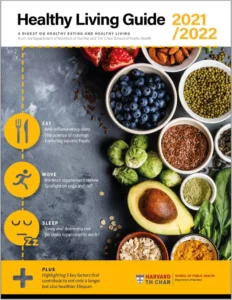

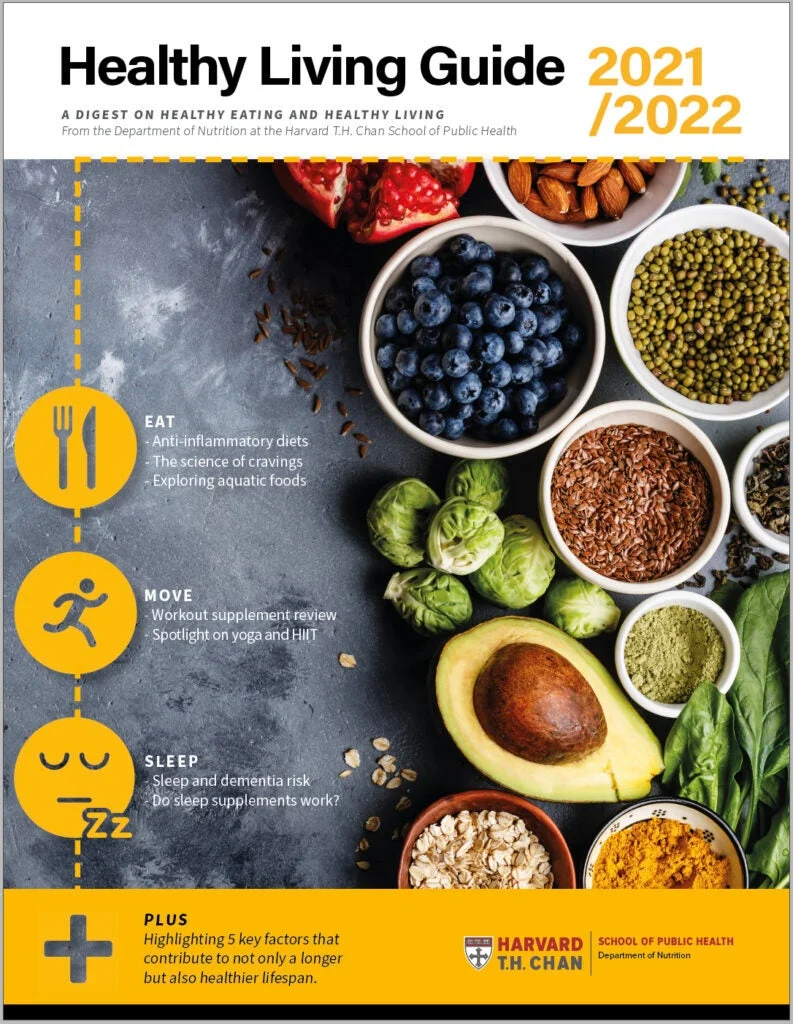
As the global community moves further into the third decade of the 21st century, the definition of "normal" remains in a state of perpetual flux. The COVID-19 pandemic acted as a seismic shift, fundamentally altering how we live, work, and—perhaps most pivotally—how we nourish our bodies. Harvard’s Nutrition Source has recently released its latest Healthy Living Guide, a vital resource designed to help individuals regain their footing in an era characterized by shifting habits, persistent health disparities, and the ongoing necessity of proactive self-care.
The Main Facts: Defining the Current Health Landscape
The core objective of the latest Healthy Living Guide is to synthesize complex nutritional research into actionable, everyday advice. As we transition away from the immediate chaos of the 2020 lockdowns, we find ourselves in a "new normal" that blends pre-pandemic routines with the coping mechanisms developed during months of isolation.
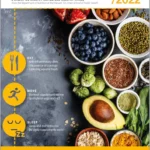
The guide emphasizes three pillars of wellness: balanced nutrition, consistent physical activity, and adequate restorative sleep. While these may sound like foundational concepts, the publication argues that the pandemic has made these pillars more fragile than ever. With the return of external social pressures and the lingering effects of sedentary habits formed during work-from-home mandates, the guide serves as a necessary roadmap for recalibrating one’s lifestyle to support long-term metabolic and mental health.
Chronology of Behavioral Shifts: From Crisis to Adaptation
To understand where we are going, we must analyze the trajectory of the last two years. The data provides a fascinating look at the "behavioral pendulum" that swung from extreme restriction to a measured, albeit uneven, return to normalcy.
2020: The Year of Abrupt Change
When the world went into lockdown, consumer behavior underwent a rapid, forced transformation. The 2020 landscape was defined by the "pantry-loading" phenomenon, a significant increase in home cooking due to the closure of dining establishments, and a spike in stress-related snacking. Many individuals found themselves navigating newfound food insecurity, as supply chain disruptions and economic instability made accessing fresh, affordable produce difficult.
2021: The Correction
By 2021, the initial shock had worn off, leading to a "corrective" phase. According to the International Food Information Council’s 2021 Food & Health Survey, the erratic eating patterns of 2020 began to stabilize. The percentage of Americans reporting that they were "snacking more" dropped from 32% to 18%. Similarly, reports of "eating more in general" fell from 20% to 11%.
However, this transition brought its own set of challenges. As society reopened, the frequency of home cooking—which had surged as a necessity in 2020—began to decline, dropping from 60% in 2020 to 47% in 2021. This suggests a potential return to processed, convenient, and less nutritionally dense foods as schedules became busier and the novelty of home-based activities faded.
Supporting Data: Understanding the Trends
The data provided by public health researchers highlights a crucial disconnect between intent and reality. While individuals are aware of the importance of healthy living, external factors continue to dictate dietary success.
The Disparity Gap
One of the most sobering aspects of the research is the persistent inequality in food security. While some demographics were able to prioritize health, others faced deepening challenges. The pandemic did not affect all communities equally; lower-income households continue to struggle with access to fresh, nutritious food, a reality that the Healthy Living Guide aims to address by offering cost-effective, practical advice.
The Vaccination Imperative
Public health officials maintain that personal health cannot be separated from global health. The guide stresses that until the global community achieves widespread vaccination—particularly in low- and lower-middle-income countries—the world remains susceptible to new variants. This creates a cycle of uncertainty that complicates long-term health planning. The connection between global health and personal immunity is stronger than ever, reinforcing the need for systemic health equity alongside individual wellness.
Official Responses and Expert Recommendations
Leading nutritionists and medical experts at Harvard have curated this year’s guide to address the specific anxieties of the current moment. Their recommendations are not prescriptive in a rigid sense; rather, they are designed to be integrated into the individual’s unique lifestyle.
Integrating the Three Pillars
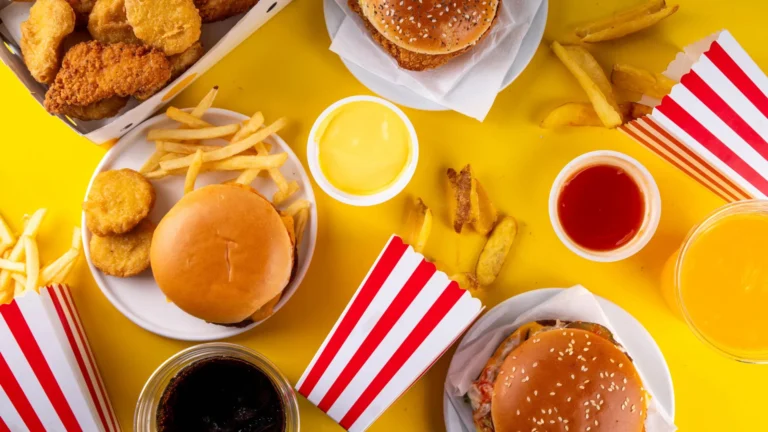
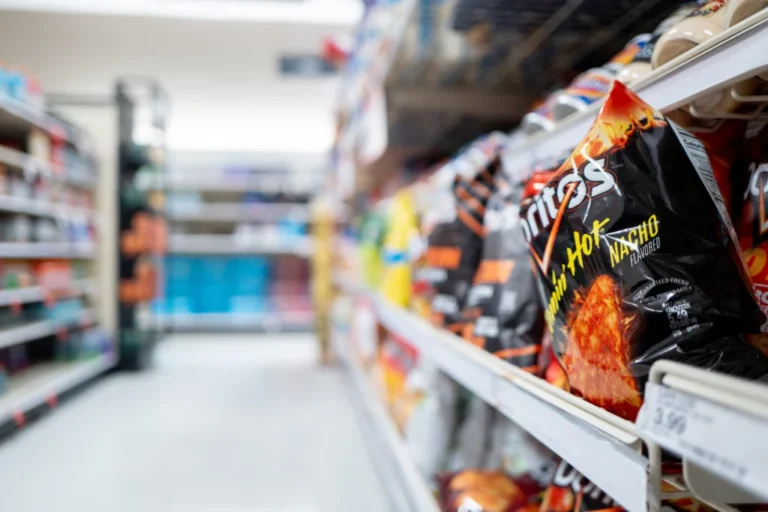
- Eating Well: The guide advocates for a return to whole, plant-forward diets. It warns against the "convenience trap" that often follows a return to pre-pandemic work schedules. Experts suggest batch-cooking and meal planning as primary defenses against the encroachment of ultra-processed food.
- Being Active: The challenge of 2022 is maintaining the activity levels that were perhaps sparked by a sudden influx of free time in 2020. The guide suggests "habit stacking"—linking physical activity to existing daily routines, such as walking meetings or standing desks, to ensure that fitness isn’t abandoned as the world gets busier.
- Getting Enough Sleep: Sleep is frequently the first casualty of a high-stress, post-pandemic world. The guide highlights research showing that sleep deprivation significantly impairs the immune system, making it harder for the body to fight off the very pathogens that continue to circulate.
The Role of Education
Beyond the nutritional data, the Healthy Living Guide includes interactive elements, such as knowledge tests designed to challenge readers’ assumptions about their own habits. This pedagogical approach is intended to foster a sense of personal agency, reminding readers that health is a lifelong process of learning and unlearning.
Implications for the Future: A Long-Term Vision
The implications of this data suggest that we are at a crossroads. We can either allow our health habits to slide back to pre-2020 levels of inactivity and poor nutrition, or we can use the lessons learned during the pandemic to forge a more resilient lifestyle.
The Burden of Responsibility
While the burden of health is often placed on the individual, the Healthy Living Guide acknowledges that the environment in which we live is the primary determinant of our choices. The decline in home cooking is a symptom of a fast-paced society that demands more from its citizens than ever before. Addressing this requires not only personal effort but also a shift in how we prioritize time and resources.
Sustainability as a Lifestyle
The Healthy Living Guide is not merely a document for 2022; it is a framework for the future. By focusing on the fundamentals—nutrition, movement, and sleep—individuals can build a "buffer" against the stress of future disruptions. The message is clear: whether we face another lockdown or a period of total normalcy, the biology of the human body remains the same, and its needs remain non-negotiable.
How to Utilize the Guide
To maximize the benefits of the resources provided by the Harvard Nutrition Source, readers are encouraged to download the printable PDF version of the Healthy Living Guide. This format is specifically designed for practical application, featuring:
- Printable Tip Sheets: Quick-reference guides that can be placed in the kitchen or office.
- Summaries of Recent Research: A curated selection of the most impactful studies from the past year, translated into layman’s terms.
- Interactive Links: Access to the full suite of online articles, allowing for deep dives into specific topics like intermittent fasting, the benefits of specific micronutrients, and mental health strategies.
By making these resources accessible, the guide seeks to bridge the gap between complex medical research and the average person’s daily life.
Conclusion: A Call to Action
As we navigate the ongoing shifts of the pandemic era, the importance of maintaining one’s health has never been more vital. The data shows that while we are adapting, we are also prone to falling back into old, less-than-optimal habits. This year’s guide serves as a timely reminder that health is not a destination, but a practice.
Whether you are looking to improve your diet, increase your physical activity, or simply find better ways to rest, the Healthy Living Guide offers the evidence-based support needed to make informed choices. As we look forward to the remainder of the year, we invite you to take the first step by downloading the guide, testing your knowledge, and committing to a lifestyle that supports your long-term well-being.
In a world that continues to change, your health remains the most valuable asset you possess. Take control of it today by utilizing the tools provided by the experts at the Harvard Nutrition Source.
For more information, research summaries, and to download the full 2021-2022 Healthy Living Guide, please visit the official Harvard Nutrition Source website.