









For decades, the global health narrative surrounding low-calorie sweeteners has been defined by a singular promise: the ability to satisfy a craving for sugar without the metabolic burden of traditional caloric intake. Marketed as "metabolically neutral" alternatives, these additives have become ubiquitous in the modern diet, appearing in everything from diet sodas and protein shakes to children’s cereals and essential medications.
However, a groundbreaking study from the University of Cambridge, published in the journal Molecular Systems Biology, is challenging this fundamental assumption. Researchers have discovered that many common sweeteners are not merely passive travelers through the digestive tract. Instead, they appear to directly interfere with the growth of gut bacteria—an effect that intensifies significantly when these sweeteners interact with everyday substances, including common prescription drugs.
The Microbiome: A Delicate Biological Ecosystem
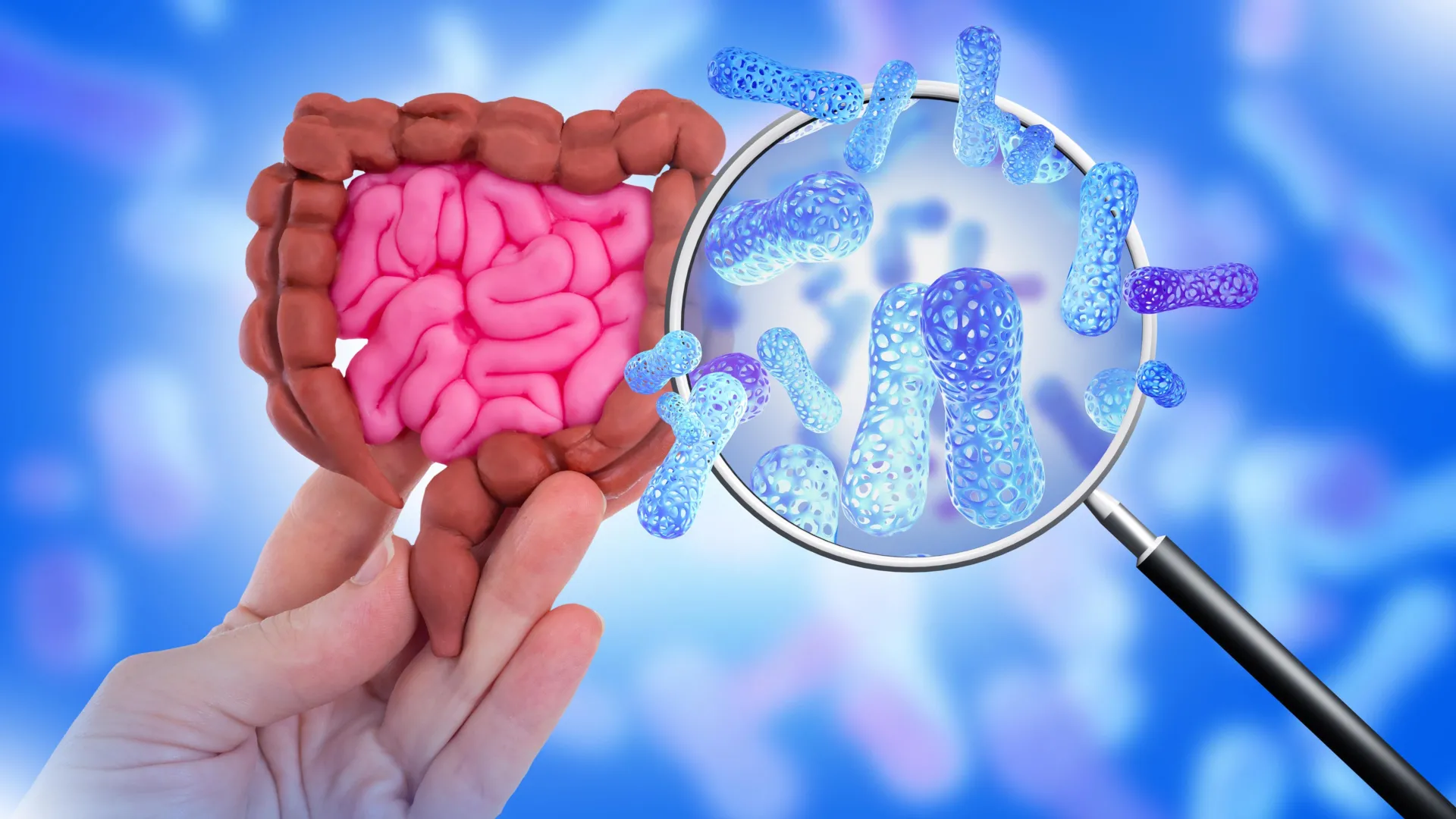
To understand the significance of these findings, one must first appreciate the complexity of the human gut microbiome. This vast, intricate collection of trillions of microorganisms—including bacteria, fungi, and viruses—serves as a silent engine for human health. These microscopic residents are responsible for breaking down complex fibers, synthesizing essential vitamins, regulating the immune system, and acting as a primary defense against pathogens.
When this ecosystem is in balance, the host thrives. When it is disrupted—a state known as dysbiosis—it is increasingly linked to chronic conditions ranging from obesity and type 2 diabetes to inflammatory bowel diseases and even certain cancers. Until now, the scientific community has struggled to determine whether the link between artificial sweeteners and these diseases is a direct causal relationship or merely a correlation. The Cambridge study provides a new, mechanism-based piece of that puzzle.
The Cambridge Investigation: A Multi-Layered Approach
Led by Professor Kiran Patil and Dr. Sonja Blasche from the Medical Research Council (MRC) Toxicology Unit, the research team sought to move beyond the limitations of previous studies. Historically, investigations into sweeteners have relied on animal models or broad population-based observational studies. While these provided hints that the microbiome was involved, they lacked the precision to isolate whether the sweeteners were acting directly on the bacteria or through secondary metabolic pathways.
Chronology of the Research
- Isolation Phase: The team cultivated 25 distinct species of gut bacteria, representing a range of beneficial, neutral, and potentially pathogenic organisms. Each was grown in a controlled environment to establish a baseline.
- Screening Phase: Researchers exposed these cultures to 39 different commercially available sweeteners, both natural and artificial. They monitored the growth rates to determine if the presence of these substances altered the microbial life cycle.
- Combination Phase: Recognizing that humans rarely consume sweeteners in a vacuum, the team introduced "co-factors"—common substances like caffeine, vanillin, and eight widely used prescription drugs—to observe how these combinations modulated the bacteria’s response.
- Complex System Modeling: Finally, the researchers created an artificial "gut community" using all 25 bacterial species to observe how individual interactions translated into collective, community-wide shifts in diversity and functionality.
Supporting Data: When Sweeteners Meet Medicine
The findings were both widespread and startling. Approximately 75% of the 39 sweeteners tested inhibited the growth of at least one species of gut bacteria. In many instances, the growth was slowed; in others, it was halted entirely.
Perhaps more concerning was the discovery of "synergistic interference." The team identified more than 100 instances where the presence of a second substance—such as a medication or food additive—fundamentally changed the behavior of the sweetener. In 34 cases, the combination amplified the harmful effects on the bacteria, effectively turning a mild additive into a potent microbial suppressor.
The Case of Isosteviol and Duloxetine
The most alarming interaction involved isosteviol, a common sweetener, and duloxetine, an antidepressant prescribed to over 4.2 million Americans in 2023 alone. When combined, these two substances acted in tandem to severely suppress Roseburia intestinalis and Parabacteroides merdae.
These two bacteria are not just bystanders; they are essential players in maintaining the integrity of the gut lining and regulating blood sugar levels. Beyond the inhibition of these specific species, the researchers noted that the combination led to a decrease in overall microbial diversity. In a laboratory-simulated gut, this loss of diversity caused the microbial community to behave more aggressively, exhibiting increased toxicity toward host cells and triggering inflammatory signaling pathways.
Official Responses and Scientific Perspective
The researchers have been careful to contextualize these findings, acknowledging that the laboratory environment does not perfectly replicate the human digestive tract.
"Most of what we know about the potential impact of sweeteners on our health comes from animal research or from population studies," Professor Patil noted. "While these studies have indicated involvement of the microbiome in mediating the effect of sweeteners, it’s difficult to know how sweeteners act in the body—is it through direct interactions with our gut bacteria?"
Dr. Sonja Blasche added that the study highlights a major blind spot in current food safety protocols: the lack of focus on substance combinations. "Sweeteners are often marketed as metabolically neutral, but our study challenges this idea. We found that they can directly affect gut bacteria, particularly when mixed with other compounds such as medication and food additives. These common combinations could have unintended effects on our gut microbiome."
The scientific community has received the study as a clarion call for more rigorous, longitudinal human research. The findings suggest that the "cocktail effect"—the idea that the sum of what we ingest is more important than the individual components—is a vital frontier in nutritional science.
Broader Implications for Public Health
The implications of this research are far-reaching. If these laboratory results are confirmed in human clinical trials, it could necessitate a complete overhaul of how we view food safety and drug interactions.
1. Reassessing "Metabolically Neutral" Labels
For years, regulatory bodies have approved sweeteners based on their lack of acute toxicity. However, the Cambridge study suggests that "chronic, low-level disruption" of the microbiome may not have been adequately accounted for. If a sweetener alters the gut flora, it may indirectly influence metabolic health in ways that standard toxicology tests—which focus on direct organ damage—are not designed to catch.
2. The Interaction Paradox
The research also raises significant questions for the pharmaceutical industry. If common medications interact with dietary ingredients, it could explain why some patients experience unpredictable side effects or varying drug efficacy. Pharmacologists may need to begin considering dietary patterns as a variable in drug-drug interaction studies.
3. Personalizing Nutrition and Medicine
The study underscores the inherent individuality of the gut microbiome. Since each person’s microbiome is unique, the same sweetener-medication combination might produce vastly different effects in different people. This supports the growing push toward personalized nutrition, where dietary recommendations are tailored to an individual’s microbial profile.
Conclusion: A New Horizon for Gut Health Research
The University of Cambridge study does not definitively declare artificial sweeteners "unsafe," nor does it suggest that patients should immediately cease taking their prescribed medications. Instead, it provides a crucial, missing piece of the puzzle: we are not just what we eat, but how what we eat interacts with the chemistry of our bodies and the microscopic inhabitants of our digestive tracts.
As we move forward, the focus must shift from the study of isolated ingredients to the study of complex, real-world consumption patterns. The "metabolically neutral" myth has been effectively dismantled, replaced by a more nuanced, complex reality. The challenge now lies in determining the long-term clinical consequences of these microbial interactions and ensuring that the public is informed about the hidden dynamics within their daily diets.
For now, the study serves as a powerful reminder that our internal ecosystem is far more reactive—and perhaps more vulnerable—than we once believed. Future research funded by the EU’s Horizon 2020 program and the UK Medical Research Council will likely focus on these human-scale consequences, setting the stage for a new, more integrated approach to health, nutrition, and medicine.