











Published October 29, 2026
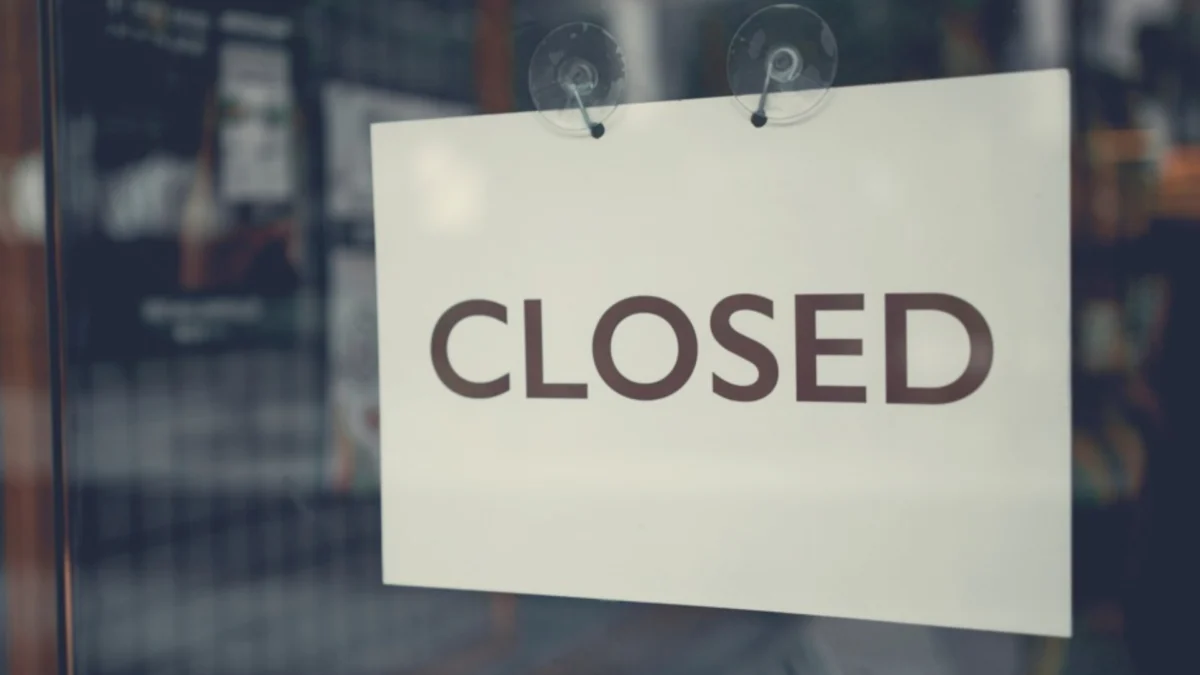
In the span of a single month, the international boutique fitness landscape experienced a seismic shift that left hundreds of instructors unpaid and thousands of students feeling abandoned. From the sun-drenched streets of Los Angeles to the historic neighborhoods of London and the chic districts of Paris, the sudden, unannounced shuttering of prominent yoga chains has exposed a fragile business model and a systemic lack of protections for both the practitioners who provide the service and the members who fund it.
What began as a localized struggle for a few studios has blossomed into a global conversation about the ethics of the wellness industry. As the dust settles, the yoga community is left to grapple with a harsh reality: in the current economic climate, the "zen" facade of the industry is no match for the brutal cold of corporate insolvency.
A Cascade of Closures: The Chronology of Disarray
The collapse began in Paris, where the well-regarded YUJ yoga and wellness chain abruptly ceased operations on August 13. The liquidation of the brand was swift and silent. Teachers, who had dedicated years to the studio, received notice not through formal channels, but via WhatsApp. The studio’s website was updated with a stark, minimalist message: "Merci et au revoir." Behind that sign-off lay a letter from founder Hélène Duval, expressing personal regret but ultimately directing devastated members and staff to a court-appointed liquidator, leaving them with little hope for immediate restitution.
Less than a month later, on September 9, the contagion hit North America. Instructors arriving at Y7 studios in Los Angeles, New York, and Austin were met with locked doors and silent phones. For Aanch Khaneja, a Y7 teacher in Los Angeles, the morning was a surreal encounter with the unexpected. "I showed up to teach, and there was simply a gate between me and my livelihood," she recounted. The situation was mirrored across the country, as students—many of whom had traveled to the studio for their daily practice—arrived to find themselves locked out.
The chaos reached its peak two weeks later in London on September 23, when Triyoga, a cornerstone of the UK’s yoga scene for a quarter-century, shuttered its doors. The closure was sudden, leaving a handwritten note on the door as the only explanation for loyal patrons. Broadcaster and writer Katie Puckrik, a regular at the studio, arrived for a class only to find the center dark. "There was a note on the door simply saying the center was closed," Puckrik says. Beside her, another student stood in shock, having just purchased a full year’s membership hours before the doors were locked.
By the Numbers: The Human and Financial Toll
The scale of the fallout is staggering. According to internal reports and media coverage, the human cost of these closures includes:
- Y7 (U.S.): Over 200 staff members remain unpaid for their final weeks of work.
- Triyoga (U.K.): Approximately 100 teachers were left without their final paychecks, as reported by The Guardian.
- YUJ (France): Roughly 50 teachers were left in professional limbo following the liquidation, according to Le Parisien.
The financial impact on students is equally difficult to quantify but represents a significant breach of consumer trust. Thousands of individuals who paid upfront for annual memberships or class packages find themselves in a legal vacuum. With the companies either in liquidation or completely unresponsive, there is currently no clear path to reimbursement.
Examining the Legal Landscape: Rights and Remedies
"A sudden closure isn’t, in and of itself, necessarily an illegal act," explains Jennifer Mohamed, a New Jersey-based business attorney and yoga instructor. "It just feels icky."
Mohamed notes that the legality of these shutdowns depends entirely on the jurisdictional nuances and the financial health of the entities involved. In the United States, if a company files for formal bankruptcy, there is a established, albeit slow, hierarchy for debt repayment: secured lenders, followed by employees’ outstanding wages, and finally, consumer creditors. However, when a company simply "shuts down" without a formal bankruptcy filing, there is no court-supervised mechanism to ensure that the most vulnerable parties—the staff and the students—are made whole.
For teachers, the classification of their employment status—W-2 employee versus 1099 independent contractor—is the single most significant factor in their ability to recover lost wages. Employees generally benefit from state labor department protections and potential access to unemployment benefits. Independent contractors, however, face a much steeper uphill battle, often relying on breach-of-contract litigation, which can be prohibitively expensive.
The Silence of Ownership: Why Communication Failed
A defining characteristic of these closures has been the profound lack of transparent communication from ownership. Vincent Miceli of VM Fitness, the group that had taken over Y7 operations just seven weeks before the collapse, has remained largely silent, ignoring repeated requests for comment. Similarly, the digital infrastructure for Common Bond—the operator behind Triyoga—simply vanished, leaving staff and students without even an email address to send their inquiries to.
In contrast, experts point to the "graceful exit" of the Little Yoga Studio in Boulder, Colorado, as a model for how these situations should be handled. In 2025, founder Kelly Elle Kenworthy provided two weeks’ notice to her community. While she could not provide refunds, she was transparent about the financial reality, allowing the studio’s final earnings to be used to ensure that all teachers received their final paychecks. This level of integrity, while not legally required, maintained the dignity of the community and the reputation of the founder.
Practical Steps for Students and Teachers
For those caught in the wake of a studio closure, legal experts like Mohamed suggest a series of defensive maneuvers to mitigate loss.
Guidance for Students
- Prioritize Credit Cards: If a studio goes silent, immediate action is required. Contact your credit card issuer to dispute the charges for services not rendered. Note that there are strict deadlines for these claims; do not wait.
- Document Everything: Retain a copy of your membership agreement. If you do not have one, check your email history or the studio’s app. This document is essential for any future breach-of-contract claims.
- Investigate Local Laws: Some states, like New York, have "Health Club Services Acts" that theoretically protect members of physical fitness facilities. While these laws are rarely enforced against boutique yoga studios, they provide a potential lever for consumer advocacy groups.
Guidance for Teachers
- Verify Status: Know whether you are an employee or an independent contractor. If you are an employee, file a wage claim with your state’s labor department immediately.
- Keep Independent Records: Never rely on a company’s scheduling app for your payroll history. Keep a private log of every hour taught and every expense incurred.
- Diversify Your Practice: The instability of the current boutique fitness model is a warning sign. Many instructors are now shifting toward hybrid models—combining private lessons, outdoor classes, and independent platforms—to decouple their income from a single corporate entity.
The Emotional Aftermath and the Path Forward
Beyond the balance sheets, there is a profound sense of grief within the yoga community. For many, the studio was not merely a gym; it was a "third place"—a sanctuary for mental health and a hub for social connection.
"It feels like someone died," says Derek Chisamore, a former Y7 member. "I lost the routine that I had for years without a sense of closure. I did not even get to say goodbye."
However, resilience is emerging from the ruins. In London, the community has seen a grassroots response: independent studios like Mission and Home Wellness are honoring the remaining memberships of displaced Triyoga students. In Paris, the former YUJ location has reopened under new management that is actively reviewing transfer requests for stranded members.
In Los Angeles, former Y7 instructors have formed the "Sunset Movement Collective," hosting outdoor classes in local parks. "A lot of the students are still showing up," says Khaneja. "We’re just trying to take something from what was taken from us."
Perhaps the most surprising glimmer of hope came from an external source: Anne Mahlum, founder of the boutique fitness chain Solidcore, stepped in to help, reportedly offering to cover nearly $123,000 in unpaid wages for Y7 staff via individual crowdfunding campaigns.
The collapse of these major chains serves as a stark reminder that the wellness industry is not immune to the volatility of the global economy. While the legal and financial battles will likely drag on for months, the spirit of the yoga community—one built on connection and shared practice—is proving, for now, to be more durable than the corporations that once housed it. As students and teachers alike search for a new place to land, the focus has shifted from the business of yoga to the preservation of the practice itself.