







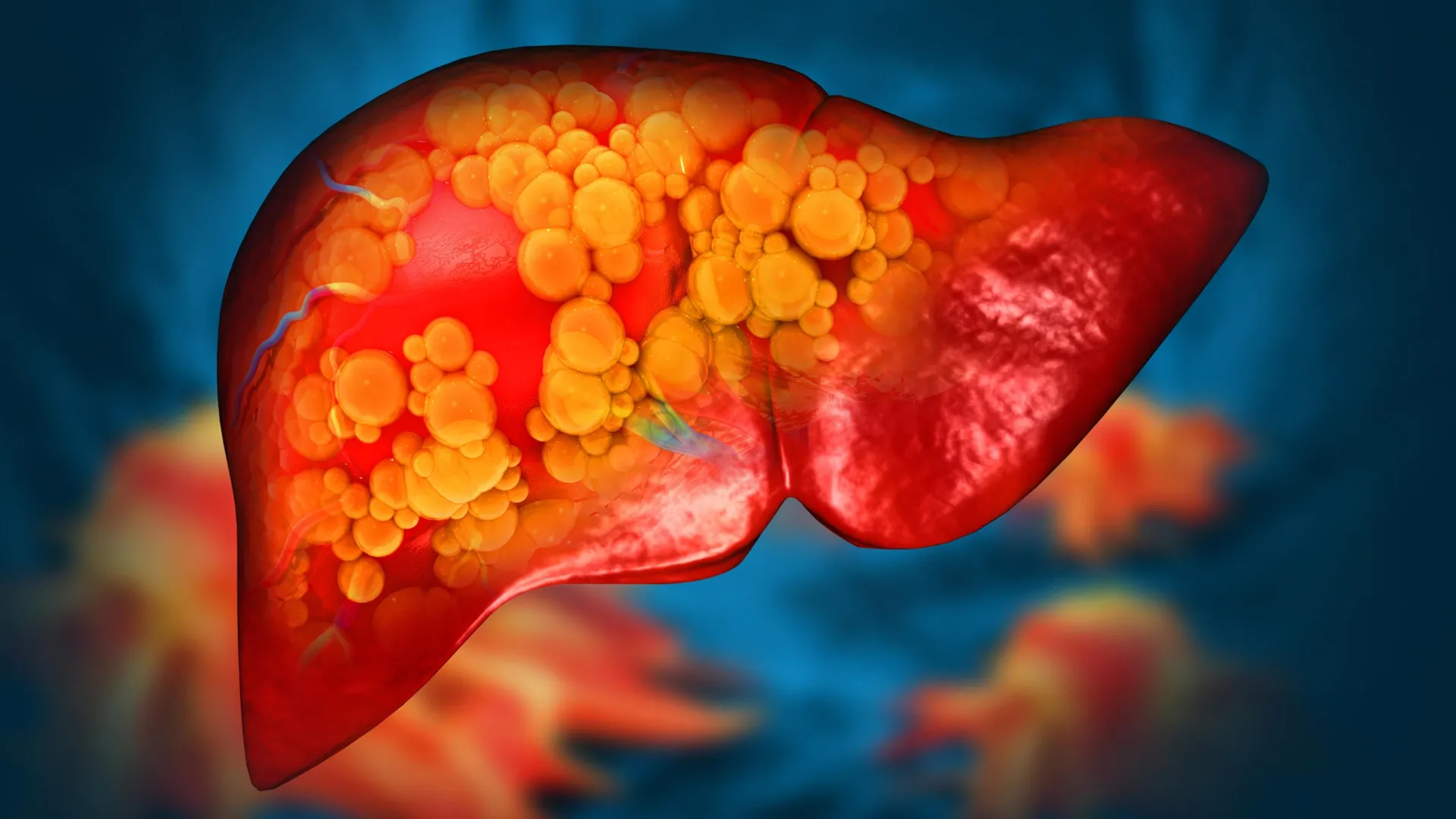
For decades, the medical community has viewed the liver as the primary battleground in the fight against Metabolic Dysfunction-Associated Steatohepatitis (MASH). However, a groundbreaking study from Michigan Medicine suggests that the most effective way to save the liver may actually be to heal the gut. By utilizing an experimental compound known as DT-109, researchers have successfully reversed severe forms of fatty liver disease in animal models, offering a potential paradigm shift in how we approach one of the world’s most persistent metabolic crises.
The Main Facts: Rethinking the Liver-Gut Axis
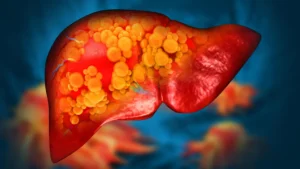
MASH, a severe progression of non-alcoholic fatty liver disease, affects roughly 7% of the global population. It is characterized by the accumulation of excess fat in the liver, which triggers chronic inflammation, cellular destruction, and, in advanced stages, life-threatening cirrhosis, liver cancer, or total organ failure. Despite the severity of the disease, therapeutic options remain critically limited, leaving many patients with few alternatives beyond lifestyle modifications or, in extreme cases, organ transplantation.
The research, published in The Journal of Clinical Investigation, centers on the "gut-liver axis"—the complex biological communication network between the digestive tract and the liver. The study reveals that the liver does not exist in a vacuum; rather, it is highly sensitive to the microbial environment of the intestines.
The experimental drug, DT-109, is a glycine-based tripeptide—a small, potent molecule composed of three amino acids. Its function is twofold: it modulates the gut microbiome to suppress harmful bacteria and fortifies the intestinal epithelial barrier. By preventing the "leakage" of inflammatory microbial products into the bloodstream, DT-109 stops the cycle of liver damage before it can escalate into MASH.
Chronology: Unraveling the Biological Chain Reaction
To understand the impact of DT-109, one must first look at the process that leads to liver degradation. The research team, led by Dr. Eugene Chen of the University of Michigan Medical School, embarked on a multi-stage investigation to map the chain of causality.
1. The Role of Clostridium perfringens
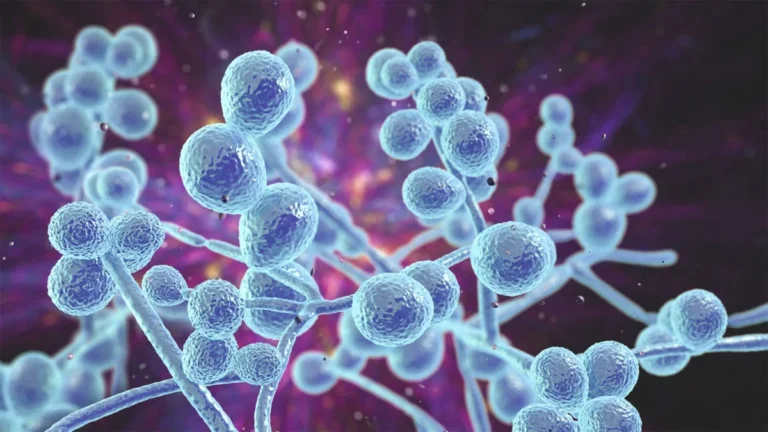
The scientists first identified a key culprit in the progression of MASH: the overgrowth of the bacterium Clostridium perfringens. This specific microbe is prolific in producing ammonia within the intestines. Under normal conditions, the gut barrier keeps microbial waste contained. However, as C. perfringens levels spike, the resulting ammonia surge compromises the integrity of the intestinal lining.
2. The Breach
As the gut’s "gatekeeper" function fails, toxins and microbial metabolites escape the digestive tract and enter the portal circulation, traveling directly to the liver. This influx acts as an alarm for the immune system.
3. Immune System Overdrive
Once these toxins reach the liver, they trigger an abnormal immune response. Specifically, the study observed the excessive activation of CD8+ T cells. While these cells are typically vital for defending the body against pathogens, their over-activation in the liver promotes the inflammation and cellular scarring characteristic of MASH.
4. The Intervention
The final phase of the chronology involved introducing DT-109 to the subjects. In both mice and nonhuman primates, the drug effectively suppressed C. perfringens, reduced ammonia levels, and restored the structural integrity of the gut lining. By closing the "leaks," the drug halted the migration of harmful substances to the liver, effectively reversing the progression of MASH.
Supporting Data: The Case for Clinical Potential
The strength of the Michigan Medicine study lies in its multi-species validation. While mouse models are standard in initial drug testing, the research team utilized nonhuman primates for a secondary, more robust validation. Because the liver biology and the gut microbial communities of nonhuman primates mirror those of humans with remarkable precision, the positive outcomes observed in these animals serve as a significant bridge to future human clinical trials.
Key Findings:
- Microbiome Modulation: DT-109 significantly lowered the populations of ammonia-producing bacteria.
- Barrier Restoration: The tripeptide strengthened the gut epithelium, preventing the translocation of systemic toxins.
- Inflammatory Reduction: Liver biopsies in treated subjects showed a marked decrease in CD8+ T cell activity and overall hepatic inflammation.
- Cross-Organ Efficacy: Beyond the liver, preliminary data suggests that the drug’s protective mechanism could extend to cardiovascular health by reducing arterial plaque formation and vascular calcification—common comorbidities in patients with metabolic syndrome.
Official Responses and Expert Perspectives
The research has garnered significant attention from the hepatology community, which has long been desperate for a pharmacologic breakthrough in MASH management.
"We see clear evidence that DT-109 protects the gut epithelial barrier, reducing the systemic influx of harmful microbial products that are thought to contribute to MASH development and progression," says Dr. Eugene Chen, senior author of the study and the Frederick G. L. Huetwell Professor of Cardiovascular Medicine at U-M. "This compound shows benefits to the gastrointestinal system and has great potential as a treatment for MASH."
Dr. Jifeng Zhang, a co-author and research professor of cardiovascular medicine, emphasizes the systemic nature of the treatment. "DT-109 connects microbiota modulation with liver protection by restoring gut barrier integrity and limiting the systemic translocation of ammonia and other pro-inflammatory microbial products," Zhang explains. "We also found that DT-109 primarily acts in the gastrointestinal tract, but its reach stretches much further."
Dr. Elliot Tapper, Academic Director of Hepatology at Michigan Medicine, adds a clinical perspective: "This study presents novel evidence about the pathogenesis of MASH and provides excitement about a therapeutic avenue to explore for a condition that remains difficult to treat. What patients with MASH need is a safe and effective therapy capable of improving their liver and heart health—of course we are excited about these developments."
Implications: A New Era of Metabolic Medicine
The implications of this study extend far beyond the treatment of a single liver disease. By proving that a drug acting locally in the gut can produce profound systemic benefits, researchers have opened a new door for treating a range of metabolic and inflammatory conditions.
Addressing Comorbidities
Many MASH patients suffer from "metabolic syndrome," a cluster of conditions including high blood pressure, high blood sugar, and abnormal cholesterol levels. The fact that DT-109 has shown promise in reducing atherosclerotic plaques and vascular calcification suggests it could be a "multi-target" therapy. Instead of treating the liver, heart, and gut separately, physicians might one day use a single compound to address the root metabolic dysfunction causing damage across all these systems.
Future Applications: Inflammatory Bowel Disease (IBD)
The researchers are currently looking toward the potential application of DT-109 in treating inflammatory bowel diseases, such as Crohn’s disease and ulcerative colitis. Since these conditions are fundamentally linked to a compromised intestinal barrier, the ability of DT-109 to "seal" the gut could provide relief to millions of patients who currently rely on immunosuppressants with significant side effects.
The Path to Human Trials
Despite the enthusiasm surrounding these findings, the scientific community remains cautious. DT-109 is still an experimental agent. The jump from animal models to human physiology is the most challenging hurdle in drug development. The next phase of research will focus on rigorous Phase I and II clinical trials to ensure safety, identify the correct dosage, and confirm that the human gut responds to the tripeptide in the same restorative manner seen in the preclinical studies.
Ethical and Institutional Oversight
The development of DT-109 has been conducted with strict adherence to institutional and national guidelines. The research was supported by comprehensive ethical oversight, with protocols approved by multiple Institutional Review Boards (IRBs) across international sites. Furthermore, the researchers have been transparent regarding their intellectual property interests. The University of Michigan holds the patent for the compound, which has been licensed to Diapin Therapeutics, a company in which the lead researchers and the university maintain an ownership stake.
Conclusion
The discovery of DT-109 represents a sophisticated pivot in modern medicine. By shifting the focus from the organ under siege—the liver—to the organ underperforming—the gut—researchers have identified a novel pathway to health. While the journey from the laboratory bench to the pharmacy shelf is long and fraught with uncertainty, the work being done at Michigan Medicine offers a beacon of hope. For the millions of people living with the shadow of MASH, the future of liver health may be found in the delicate, complex, and often overlooked ecosystem of the human gut.