








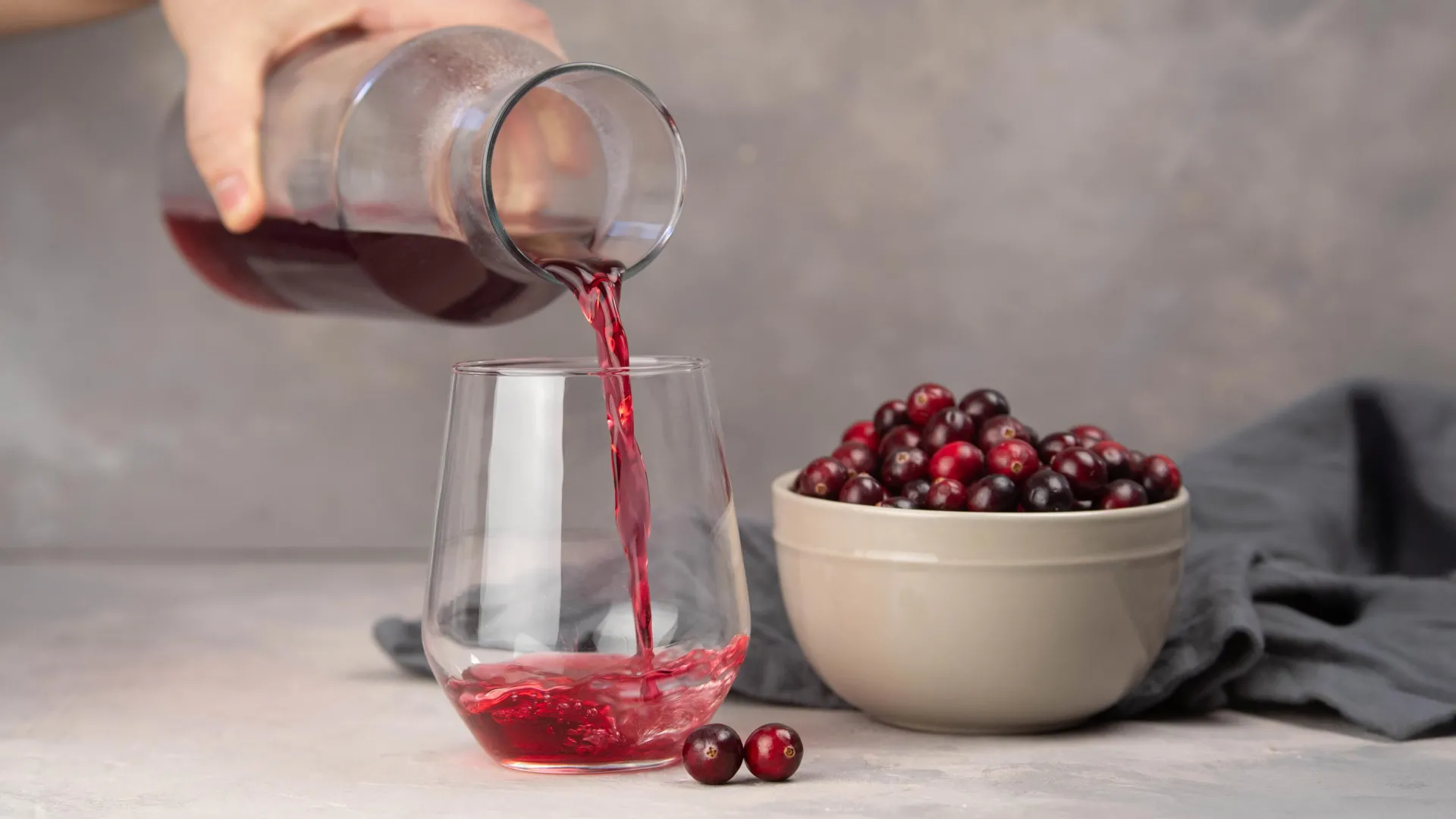
For decades, the cranberry has been relegated to the sidelines of the American diet—a festive garnish for holiday turkeys, a staple of Thanksgiving salads, or a tart cocktail mixer. While its reputation as a "superfood" is well-established in the context of urinary tract health, recent scientific inquiry has uncovered a surprising new frontier for this humble red berry: the human mouth.
New research conducted at the University of Illinois Chicago (UIC) College of Dentistry suggests that pure, unsweetened cranberry juice may possess properties that actively combat dental plaque and inhibit the acid production responsible for tooth decay. This discovery challenges the long-held assumption that fruit juices are universally detrimental to enamel and opens the door for a new category of "functional beverages" designed to support oral health.
The Science of the Smile: Understanding the Bacterial Battleground
To understand the significance of this research, one must first understand the enemy: dental plaque. Plaque is a biofilm—a sticky, complex community of bacteria that adheres to the surfaces of teeth. These microorganisms thrive on the sugars we ingest, fermenting them into acids. When these acids linger on the teeth, they initiate the process of demineralization, stripping minerals from the tooth enamel and ultimately leading to the formation of cavities.
For years, the scientific community has looked at the compounds within cranberries known as proanthocyanidins (PACs). These polyphenolic compounds are famous for their anti-adhesive properties, specifically their ability to prevent E. coli bacteria from latching onto the walls of the bladder. Dr. Christine Wu, a professor of pediatric dentistry at UIC, hypothesized that if these compounds could prevent bacteria from anchoring in the urinary tract, they might be equally effective at disrupting the formation of bacterial biofilms in the mouth.
Unlike previous studies that relied on isolated laboratory extracts—which often lack the complexity of the whole fruit—Dr. Wu’s team sought to test the real-world application of the product as it exists on supermarket shelves. The objective was clear: determine if pure, unsweetened cranberry juice could act as a deterrent to the bacteria that constitute dental plaque.
A Chronology of the UIC Study
The study, the results of which were recently published in the journal Scientific Reports, was designed with a focus on clinical relevance. Rather than using synthetic models, the research team recruited 22 human participants—a diverse cohort consisting of 14 children and eight adults. This demographic inclusion is significant, as pediatric oral health presents unique challenges and requires specific interventions.
The Experimental Protocol
The methodology was meticulously structured to measure the immediate physiological response of dental plaque to cranberry juice:
- Baseline Accumulation: Participants were instructed to arrive at the research facility with overnight-accumulated plaque. This provided a "real-world" sample of the bacterial biofilm that forms during sleep.
- Initial Sampling: Researchers utilized sterile cotton swabs to collect plaque samples from one side of each participant’s mouth, establishing a baseline of bacterial activity.
- The Intervention: Participants were randomly assigned one of three liquids: pure 100% cranberry juice, a commercial cranberry juice cocktail (containing 27% juice and added sugars), or plain water as a control.
- The "Swish" Test: Participants were required to consume small, controlled amounts of their assigned liquid, swishing it vigorously around their mouths for a set duration before swallowing.
- Post-Intervention Analysis: Thirty minutes after the consumption, researchers collected a second set of plaque samples from the opposite side of the mouth.
By comparing the pre-swish and post-swish samples, the research team could observe the immediate impact of the juices on bacterial metabolic activity.
Supporting Data: The Power of the Pure Berry
The findings of the study were striking. While the water control showed little to no impact on plaque composition, the pure, unsweetened cranberry juice demonstrated a significant inhibitory effect.
The data indicated that plaque exposed to pure cranberry juice exhibited a markedly slower rate of regrowth compared to the control group. More importantly, the researchers observed a measurable reduction in the acid production capacity of the plaque samples. In the context of dentistry, acid production is the primary driver of enamel erosion; therefore, any substance capable of suppressing this metabolic byproduct is a potential ally in the fight against dental caries (cavities).
Perhaps most intriguing was the comparison between the pure juice and the juice cocktail. The cocktail, which contained added sugars, did not yield the same protective benefits. This reinforces the notion that the health-promoting compounds are concentrated within the cranberry itself, and that the presence of high-fructose corn syrup or sucrose can effectively negate these benefits by providing the very fuel that cavity-causing bacteria crave.
Official Perspectives and Expert Interpretation
Dr. Christine Wu, the lead researcher on the project, views these results as a paradigm shift in how we perceive the relationship between diet and oral hygiene.
"Most people think of cranberry juice as very sour, very acidic, and sugary, and therefore may not contribute positively to oral health," Dr. Wu noted in her report. "This study found the opposite: that cranberry juice affected dental plaque regrowth and acid production, which may counteract some of the damage done by sugar."
Dr. Wu emphasizes that the study was designed to bridge the gap between bench-top science and clinical reality. By using products already available to the public, the team aimed to provide actionable data. "It was important to us to conduct these tests with human participants and use products available on the market. Most cranberry juice studies have been conducted using laboratory-prepared cranberry juice extract. Moreover, limited studies have been performed in children."
Despite the promising nature of the data, the research team remains cautious. They are the first to admit that a 30-minute study on 22 people does not equate to a dental prescription. The study confirms that acute exposure to cranberry juice can alter plaque behavior, but it does not yet prove that daily consumption will lead to a statistically significant decrease in cavity incidence over a lifetime.
Implications for Future Dental Care
The potential implications of these findings are vast, though they require further validation through longitudinal studies. If future research confirms that the anti-adhesive properties of cranberries can maintain a healthier oral microbiome over months or years, the dental industry may see a shift in how we approach preventative care.
A New Class of "Functional" Mouthwash?
Dr. Wu has suggested that pure cranberry juice could potentially be utilized as a "functional beverage" or even a specialized mouth rinse. The primary barrier to consumer adoption, however, is palatability. Pure, unsweetened cranberry juice is intensely tart—a flavor profile that many find jarring.
The next phase of innovation might involve the development of sugar-free, cranberry-based rinses or beverages that utilize natural, non-cariogenic (non-cavity-causing) sweeteners like stevia or xylitol to mask the bitterness while preserving the therapeutic integrity of the PACs.
Rethinking Fruit Juice Consumption
The broader implication for public health is a nuanced take on the "no juice" rule often cited by pediatricians. While high-sugar juices are generally discouraged due to their contribution to both childhood obesity and tooth decay, this study suggests that not all fruit juices are created equal. It may be possible to differentiate between juices that exacerbate dental issues and those that may, under the right circumstances, provide a protective effect.
Conclusion: The Long Road Ahead
The research published in Scientific Reports is a compelling opening chapter in a story that is far from complete. While the evidence suggests that the cranberry is more than just a seasonal garnish, the scientific community is calling for larger, long-term trials to confirm these results.
For the average consumer, this does not mean replacing their toothbrush with a glass of cranberry juice. Standard oral hygiene practices—brushing twice daily, flossing, and regular dental check-ups—remain the gold standard for cavity prevention. However, the study provides a fascinating look at the potential for natural compounds to supplement our modern dental routines.
As we look toward the future of nutrition and dentistry, the small, tart red berry from the bog may find itself playing a far more significant role in our daily health than ever before. Whether it becomes a common component of oral rinses or simply a smarter dietary choice, the cranberry has proven that even in the microscopic world of dental plaque, nature may have provided the tools we need to protect our smiles.