








In a modern healthcare landscape dominated by standardized protocols and mass-produced pharmaceutical solutions, the ancient science of Ayurveda offers a striking alternative. While contemporary medicine often categorizes diseases into broad, binary classifications—such as the two primary types of diabetes—Ayurveda operates on the principle that no two human beings are physiologically or energetically identical. This individualized approach to wellness, which views the human body as a unique ecosystem, is the cornerstone of Ayurvedic success.
As interest in holistic health surges, the distinction between symptomatic "band-aid" fixes and the root-cause analysis of Ayurveda has never been more relevant. By addressing the specific nuances of an individual’s constitution, Ayurvedic practitioners aim to do more than suppress pain; they seek to restore the body’s innate capacity for self-regulation.
The Philosophical Foundation: Why Customization Matters
The fundamental premise of Ayurveda is that health is not a one-size-fits-all metric. Even common complaints like physical pain are treated through different lenses depending on the patient’s underlying dosha imbalance—whether the pain manifests as vata (often associated with erratic, sharp, or shifting sensations), pitta (characterized by heat, inflammation, or intensity), or kapha (typically dull, heavy, and localized).
This depth of diagnosis extends to chronic conditions. While allopathic medicine may classify diabetes into two main categories, Ayurveda recognizes twenty distinct classifications. This variance highlights why a universal treatment plan is often destined for limited success. To achieve genuine healing, a practitioner must identify the samprapti—the specific process by which a disease develops and moves through the tissues.
A practitioner does not merely look at the symptom; they examine the "qualities" currently dominant in the patient’s body. Are they dry or oily? Heavy or light? Hot or cold? By identifying these markers, the practitioner designs a protocol that directly opposes the current imbalance, moving the client from a state of vikruti (imbalance) back to their prakruti (their unique state of natural balance).
Panchakarma: The Deep Architecture of Detoxification
Perhaps the most sophisticated tool in the Ayurvedic arsenal is Panchakarma. Often misunderstood as a generic "spa detox," Panchakarma is actually a highly clinical, multi-stage detoxification process. It is designed to pull toxins (ama) from deep within the tissues, move them into the digestive tract, and eliminate them from the body.
However, the efficacy of Panchakarma relies entirely on the skill of the practitioner. A standardized detox is dangerous; a customized one is transformative. The practitioner must meticulously evaluate the client’s digestive strength (agni), the level of toxin accumulation, and the specific doshic constitution before deciding on the intensity and nature of the therapies.
The Three Stages of Transformation
To understand the rigor of this process, one must look at the three distinct phases that comprise a full Panchakarma protocol.
Stage 1: Purvakarma – The Preparation
Before the body can undergo the "main actions," it must be primed. Purvakarma is the preparatory phase dedicated to kindling the digestive fire (agni) and loosening toxins.
This phase is highly subjective. A practitioner might prescribe ginger pickle for one patient to stimulate digestion, while recommending simple hot water for another. Simultaneously, the patient undergoes internal oleation—the ingestion of medicated ghees or oils—which acts as a lubricant. This process is essential for softening the tissues, allowing deeply embedded toxins to detach and flow into the digestive tract for eventual removal. Without this preparatory work, the body would not be ready to release the toxicity held in the cellular matrix.
Stage 2: Pradhanakarma – The Five Actions
The term Panchakarma literally translates to "Five Actions." These are the core therapeutic interventions that define the middle stage of the treatment:
- Virechana: Targeted at the small intestine, liver, and gallbladder, this purgation therapy is designed to flush excess pitta from the system using specific laxatives.
- Basti: Focused on the colon—the primary seat of vata—this involves the administration of herbalized teas or oils via enema. These substances do not just cleanse; they nourish the colon walls and support systemic absorption.
- Vamana: This is a specialized emesis therapy designed to clear excess kapha from the stomach. Utilizing a combination of licorice tea and salt water, the practitioner induces a controlled release of phlegm. It is a potent therapy, reserved only for specific, severe imbalances.
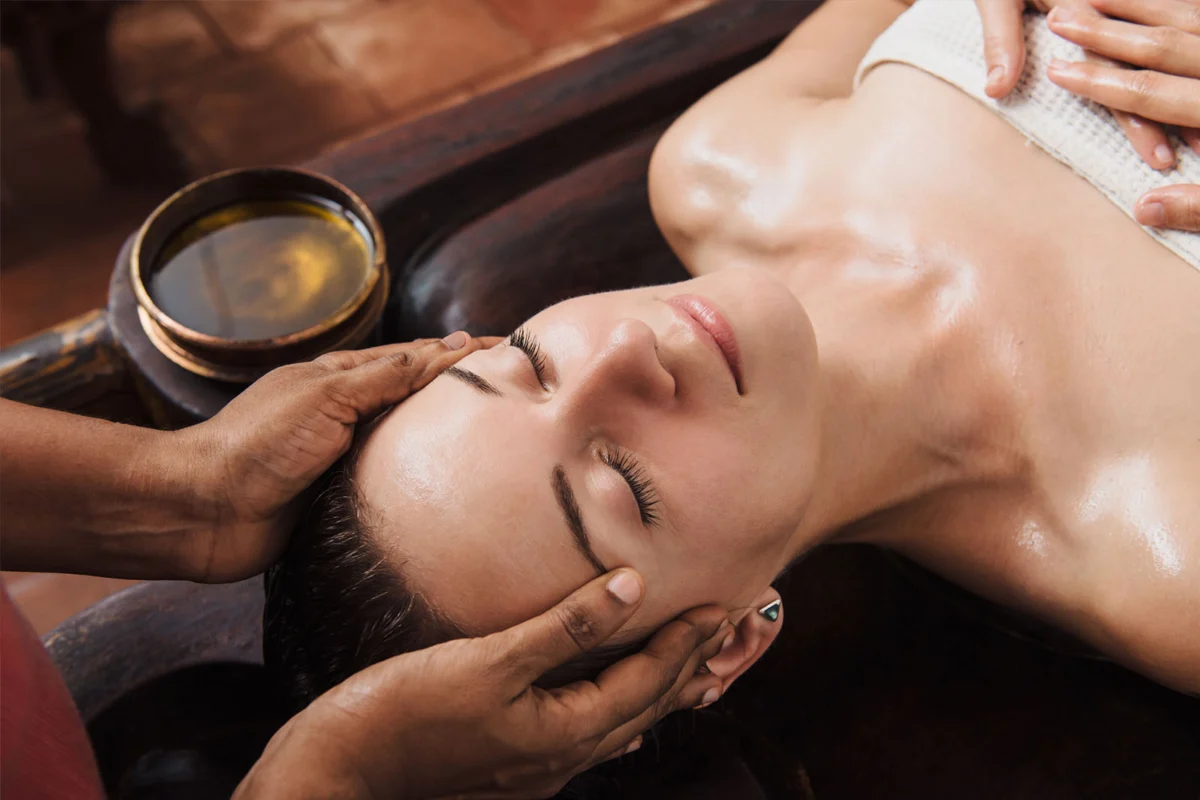
- Nasya: This therapy involves the application of medicated oils into the nasal passages. It is particularly effective for head-related imbalances, such as sinus congestion, brain fog, and cognitive fatigue.
- Raktamoksha: The final action targets the blood, which is considered "life-giving" (jivanam). By clearing the blood of residual ama, the body can circulate oxygen and nutrients more efficiently. While historically involving leeches, modern practitioners in the United States utilize specialized, non-invasive methods to achieve blood purification.
Stage 3: Paschyatkarma – The Rejuvenation
Once the toxins have been purged, the body is left in a state of vulnerability. Paschyatkarma is the critical post-treatment phase focused on rebuilding. Because the detox process can be taxing, the practitioner must create a dietary and lifestyle plan that fosters tissue nutrition and restores vitality. This phase is the bridge between the intensive cleansing period and the patient’s return to their daily life, ensuring the long-term sustainability of the results.
The Practitioner’s Vital Role: Safety and Oversight
The rise in the popularity of Ayurveda has brought with it an influx of wellness centers, yet the quality of care remains tethered to the individual practitioner’s training. Panchakarma is not a passive experience; it is an active medical intervention. If the "five actions" are applied without a deep understanding of the client’s agni or current doshic state, the results can be counterproductive or even harmful.
Imbalances can shift rapidly during a detox. A practitioner must be present to monitor these shifts daily, adjusting the herbs, the diet, and the intensity of the therapies in real-time. This is why the choice of a practitioner and a facility is arguably more important than the treatment itself.
Implications for Modern Wellness
As we look toward the future of healthcare, the Ayurvedic model serves as a reminder that the patient, not just the symptom, must be the focus of the clinical encounter. The complexity of the human body requires a system that is equally complex and capable of granular adjustment.
For those seeking to explore this path, it is essential to align one’s personal health values with the expertise of the center they choose. Whether through rigorous educational programs that train the next generation of practitioners or through high-quality healing retreats like the SoHum Mountain Healing Resort, the key to success lies in the marriage of ancient wisdom and professional, personalized oversight.
In a world that often demands quick, uniform solutions, Ayurveda invites us to slow down and listen to the specific, individual language of our own bodies. By doing so, we move away from the cycle of perpetual symptom management and toward a deeper, more sustainable state of vitality.
For those interested in pursuing the study of these ancient arts, further information on practitioner training programs can be found through the Ayurveda.com studies program, and for those seeking direct care, details are available at the SoHum Mountain Healing Resort.