





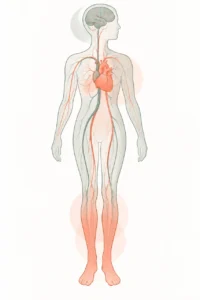


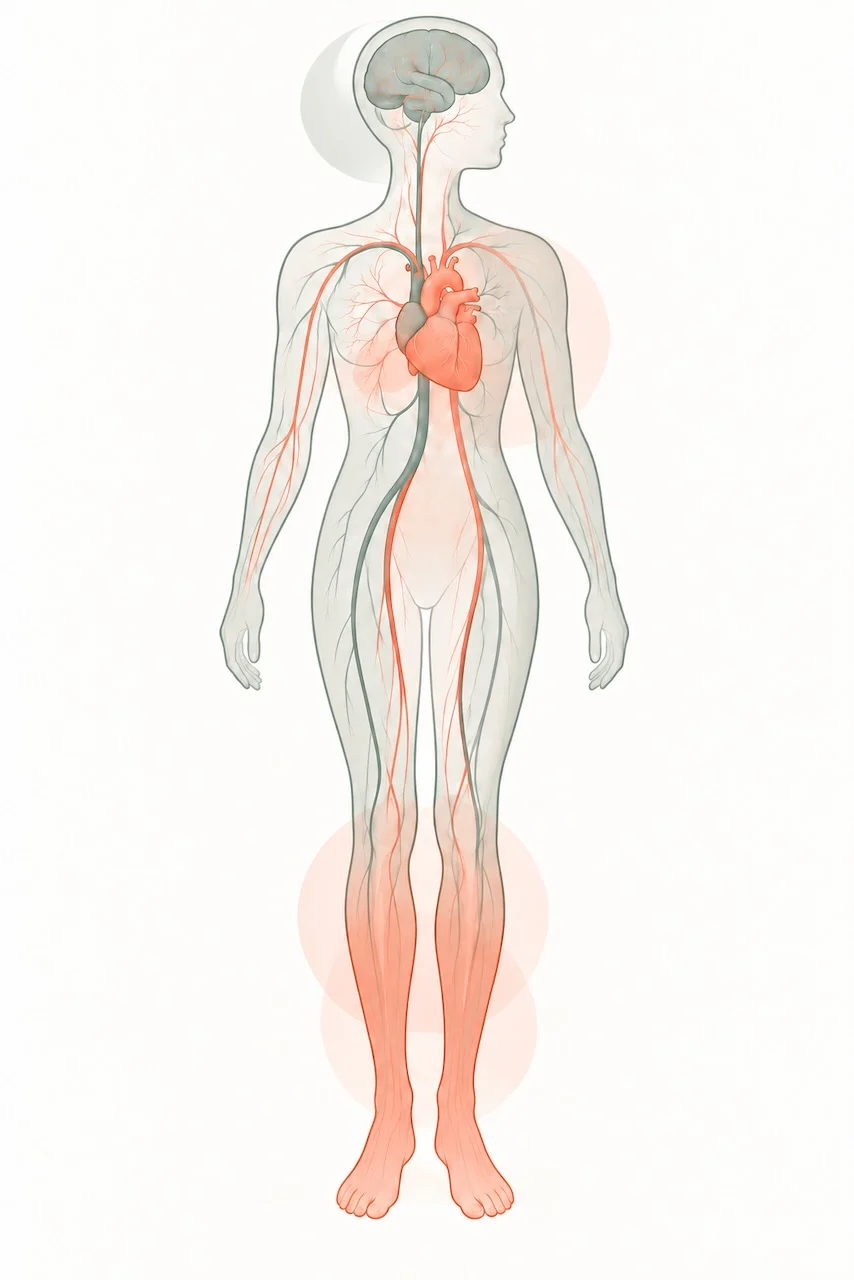
For millions of patients living with the debilitating symptoms of autonomic dysfunction, the medical journey is often characterized by a singular, frustrating gatekeeper: the heart-rate monitor. Patients frequently present to their primary care physicians with a constellation of systemic issues—debilitating brain fog, lightheadedness upon standing, heart palpitations, profound exercise intolerance, and chronic headaches.
When these patients are fortunate enough to be referred to a specialist, they undergo rigorous testing, most notably the tilt table test. Often, the results reveal clear physiological markers of dysfunction, such as preload insufficiency (a lack of blood returning to the heart) or reduced end-tidal CO2 levels—hallmarks of Postural Orthostatic Tachycardia Syndrome (POTS). In rare, specialized research settings, a transcranial Doppler might even confirm a drop in cerebral blood-flow velocity while the patient is upright.
Yet, despite the physiological evidence and the overwhelming daily burden of their symptoms, many of these patients are sent home empty-handed. The reason? They failed to meet the strict diagnostic heart-rate criterion: a sustained increase of at least 30 beats per minute (bpm) within 10 minutes of standing for adults, or 40 bpm for adolescents. If a patient’s heart rate increases by only 28 bpm, they often find themselves in a diagnostic limbo—symptomatic, disabled, yet officially "unqualified" for a POTS diagnosis. This exclusion creates a ripple effect, often resulting in denied insurance coverage, lack of access to specialized care, and a complete absence of necessary workplace or academic accommodations.
The Consensus: A Global Shift in Perspective
The medical community is finally beginning to address this diagnostic gap. A landmark consensus paper, recently published, reflects a paradigm shift led by forty international experts—including neurologists, cardiologists, pediatricians, and patient advocates from seven countries. These experts have formally acknowledged that a significant subset of patients experiences functional impairment and orthostatic intolerance identical to those with POTS, despite falling short of the traditional tachycardia threshold.
This multidisciplinary group has developed expert guidance aimed at recognizing, diagnosing, and treating what the paper cautiously terms "non-POTS dysautonomia." This initiative is not merely an academic exercise; it is a vital step toward ensuring that symptomatic patients are no longer ignored, dismissed, or left without a path to treatment.
Chronology: From Diagnostic Exclusion to Expert Consensus
The history of POTS diagnosis has been defined by rigid, heart-rate-centric metrics since the condition gained formal recognition. For decades, the "30 bpm rule" served as the gold standard for clinical classification. However, as autonomic medicine evolved, clinicians began to notice a growing "clinical mismatch."
- Early 2000s–2010s: As awareness of POTS increased, specialists reported a rise in "borderline" cases. Patients with clear symptoms of autonomic failure were being excluded from clinical trials and insurance reimbursement because their tachycardia did not hit the specific numerical cutoff.
- 2020–2025: Research into cerebral hypoperfusion and end-tidal CO2 levels provided biological evidence that patients with "mild" heart rate increases were suffering from the same underlying pathophysiology as those meeting the full POTS criteria.
- Late 2026: The publication of the international consensus study marked a turning point. By gathering forty experts to vote on 31 distinct statements, the medical community established a unified voice, declaring that the symptoms—not just the heart rate—must dictate the standard of care.
Supporting Data: The Case for Recognition
The recent study provides robust data supporting the need for a broader diagnostic approach. The consensus was overwhelming, demonstrating a rare level of agreement among medical professionals who often specialize in different fields of autonomic care.
- 95% Agreement: Experts agreed that "non-POTS dysautonomia" should be a recognized clinical entity for patients who exhibit the features of POTS without the required tachycardia.
- 100% Agreement: The panel was unanimous in the belief that patients in this category suffer from a level of functional impairment and a reduction in quality of life that is statistically indistinguishable from those who meet the full POTS criteria.
- 100% Agreement: Perhaps most importantly for the patient, the experts agreed that this condition should be considered a valid diagnosis when determining the need for workplace and school accommodations.
With 24 of the 31 consensus statements receiving unanimous agreement, the message to the medical community is clear: the patient’s experience of disability is a more reliable metric than a single, arbitrary heart-rate threshold.
Is "Non-POTS Dysautonomia" a New Official Diagnosis?
It is essential for both patients and clinicians to understand the nuances of the terminology used in this study. The authors explicitly state that "non-POTS dysautonomia" is a working term—a placeholder meant to facilitate communication and advocacy. It is not currently a formal, codified diagnosis in the International Classification of Diseases (ICD).
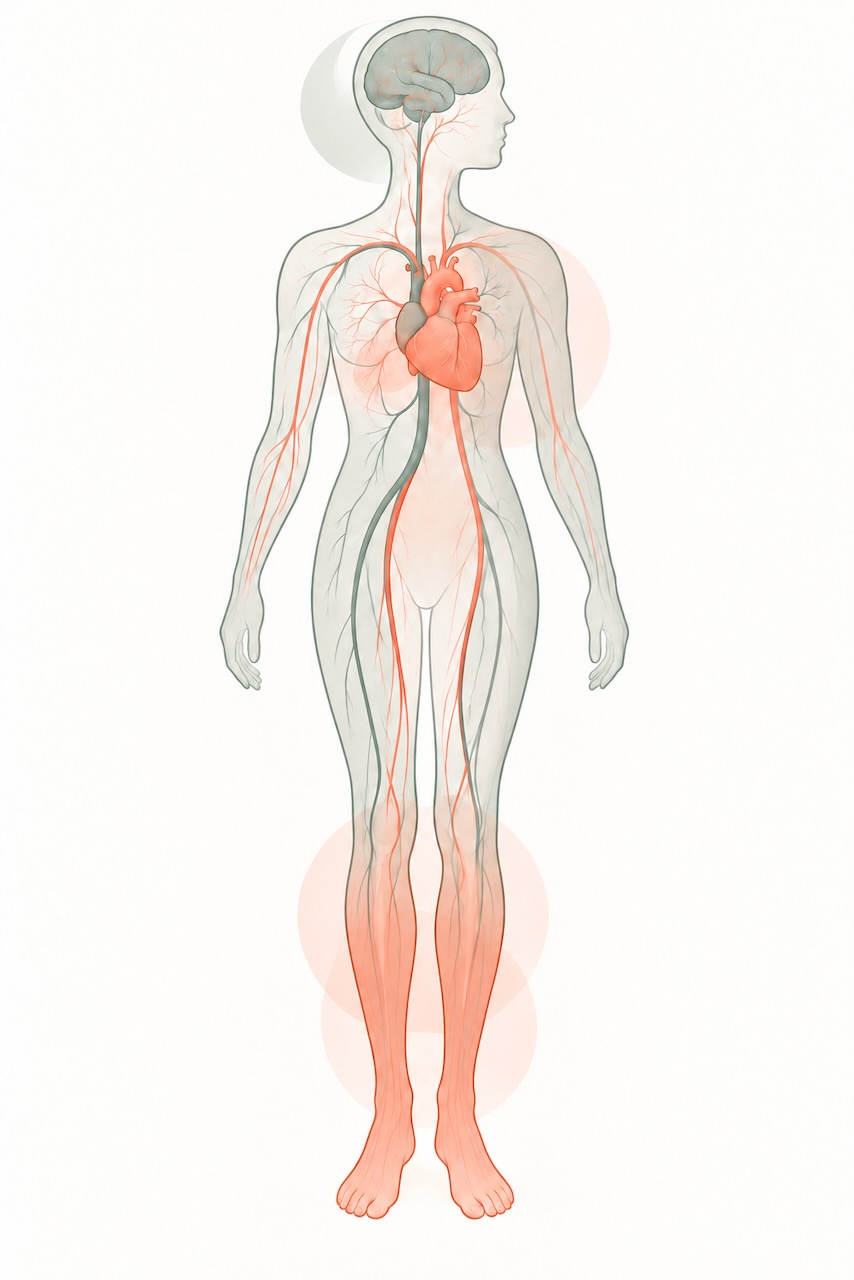
The expert panel explored several alternative titles during their deliberations, including:
- POTS Spectrum Disorder: Suggesting that the condition exists on a continuum rather than as a binary "yes or no."
- Orthostatic Cerebral Hypoperfusion Syndrome (OCHOS): Focusing on the underlying mechanism of reduced blood flow to the brain.
- Hypocapnic Cerebral Hypoperfusion (HYCH): Highlighting the respiratory and blood-gas abnormalities often seen in these patients.
- Postural Symptoms without Tachycardia (PoSWoT): A descriptive term focusing on the clinical presentation.
While the exact name remains a subject of future debate, the consensus is clear: the concept of the condition is real, and the clinical failure to address it is unacceptable.
Implications for Patients and Physicians
The implications of this consensus are profound for those who have spent years navigating the medical system without answers.
For the Patient
If you have been told that you "don’t have POTS" despite experiencing the hallmark symptoms of dysautonomia, this consensus paper serves as a powerful advocacy tool. It validates that your experience is not "all in your head" and provides a framework to discuss management strategies with your provider. Patients are encouraged to bring this research to their appointments to open a dialogue about symptom management, such as the use of compression garments, electrolyte supplementation, and pharmacological interventions that do not rely on a POTS diagnosis to be effective.
For the Physician
The findings shift the burden of proof away from a single test result toward a comprehensive clinical assessment. Physicians are encouraged to look beyond the heart rate and prioritize the patient’s functional status. By acknowledging that non-POTS dysautonomia is a legitimate clinical concern, doctors can prevent the diagnostic "limbo" that leads to worsening patient health and psychological distress.
Conclusion: The Door to Care Must Remain Open
The publication of this expert consensus does not change the formal diagnostic criteria for POTS; it expands the conversation. It recognizes that "Not POTS" should never be the end of the road for a patient in distress. By acknowledging that significant autonomic dysfunction can occur without the classic tachycardia, the medical community is opening doors to better research, more equitable insurance coverage, and improved quality of life for an underserved population.
As research continues into biomarkers and more nuanced diagnostic criteria, the primary focus remains on the patient. Whether it is labeled as a spectrum disorder or a specific syndrome, the reality of the symptoms remains the same. It is time for healthcare providers to treat the patient, not just the heart rate, and to ensure that those suffering from dysautonomia receive the care, support, and recognition they deserve.
Key Takeaways for Patients
- Your symptoms are valid: You are not alone; a significant subset of the population experiences POTS-like symptoms without meeting the specific heart-rate criteria.
- Advocacy is essential: Use the new international consensus data to discuss your symptoms with your doctor.
- Demand a management plan: Even without a formal POTS diagnosis, you may be a candidate for treatments such as compression stockings, hydration protocols, and specialized medications.
- Look for specialists: If your primary care provider is dismissive, seek out clinicians who specialize in autonomic disorders and are aware of the latest research regarding orthostatic intolerance.
By Jacqueline Teti, Editor-in-Chief & Director of Programs and Operations, Chronic Pain Partners. October 2026.