








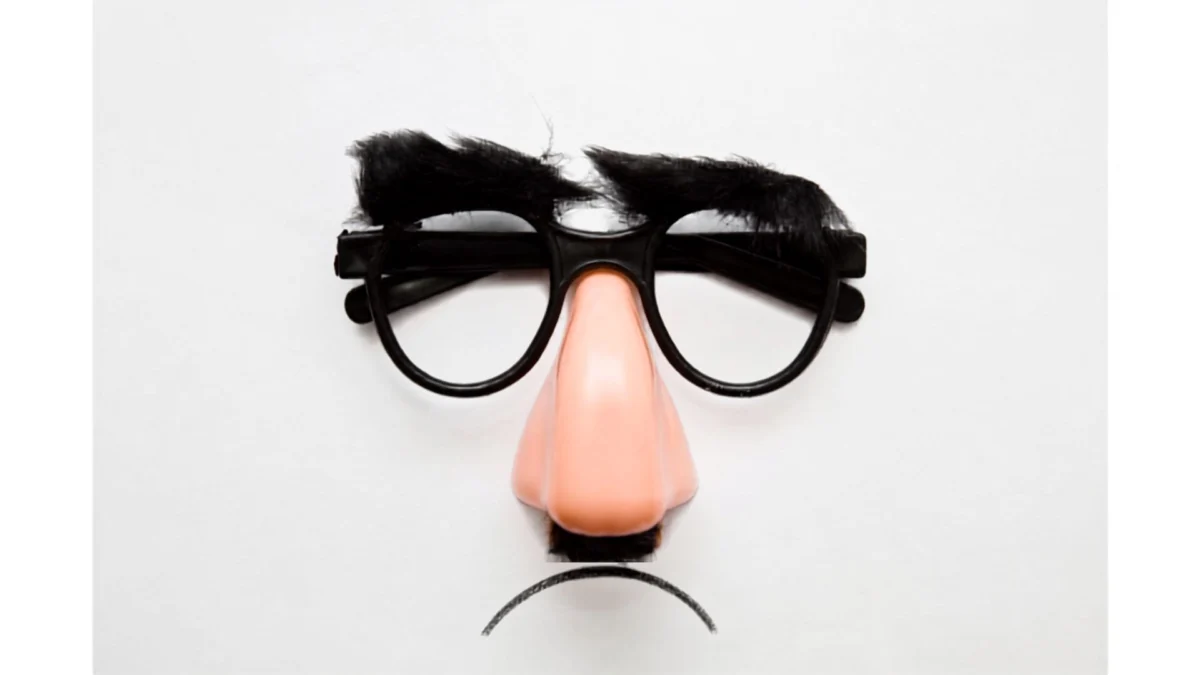
For those living with Ehlers-Danlos syndrome (EDS), Hypermobility Spectrum Disorder (HSD), and a myriad of other invisible chronic conditions, there is a distinct, crushing form of fatigue that exists independent of joint subluxations, dysautonomia-induced tachycardia, or gastrointestinal distress. It is the exhaustion of labor—the silent, unrelenting work of curating one’s presentation to ensure that healthy, able-bodied society remains comfortable.
In the chronic illness community, this phenomenon is increasingly being identified as "performing wellness." It is the unspoken mandate to be sick in a way that is palatable, convenient, and ultimately, invisible.
The Anatomy of the Performance
"Performing wellness" is defined as the active process of masking, downplaying, or sugar-coating the daily realities of chronic disability. It is a form of emotional and cognitive labor performed to convince colleagues, friends, and even medical providers that one’s suffering is under control.
The performance manifests through several subtle behaviors:
- The "Smile-Through-The-Pain" Metric: Suppressing grimaces or physical cues of agony during social interactions.
- Narrative Sanitization: Describing a medical crisis in a way that emphasizes personal growth or "resilience," rather than the messy, systemic, and unresolved nature of the condition.
- Compulsory Attendance: Forcing oneself to attend professional or social functions despite profound physical inability, simply to avoid the stigma of being labeled "unreliable."
These are not neutral expressions of health; they are calculated, strategic outputs designed to satisfy an audience that is rarely aware it is judging the performer.
Chronology of the "Inspirational" Narrative
The trajectory of this social pressure has shifted alongside the rise of digital health culture. Historically, those with invisible disabilities were ignored or dismissed. However, in the modern era, the expectation has shifted toward a requirement for "inspirational" disability.
- The Era of Dismissal (Pre-Social Media): Patients were frequently told their symptoms were psychosomatic. The goal was to prove one was "not crazy."
- The Rise of the "Warrior" Archetype: As social media became a primary platform for health discourse, the "warrior" narrative took hold. Success was measured by one’s ability to document the "battle" with illness while simultaneously maintaining a highly productive lifestyle.
- The Current Crisis of Authenticity: Today, patients report that the pressure to be an "inspiration" has become a burden. The narrative has narrowed: to be accepted, one must either be actively "overcoming" the illness or, if the illness is static, keeping it entirely private.
Supporting Data: The Cost of Masking
While "performing wellness" is a social survival mechanism, the physiological and psychological costs are significant. According to disability advocates and anecdotal evidence from clinical research coordinators, the act of suppressing physical pain—often called "masking"—requires massive cognitive load.
When the brain is preoccupied with monitoring one’s posture, speech, and emotional expression to ensure no sign of illness leaks through, it depletes the energy reserves required for immune function and physical recovery. In the context of EDS and HSD, where the body is already struggling to maintain structural integrity, this additional layer of systemic stress can trigger autonomic nervous system flares.
Furthermore, research into the "invisibility" of these conditions suggests that patients often face a "credibility gap." Because they do not look "sick" according to traditional aesthetic tropes (e.g., being bedridden or having visible medical equipment), they are pressured to perform wellness to keep their jobs or social standing. The moment a patient stops performing—by using a wheelchair on a "good day" or needing to cancel plans—they are frequently met with accusations of exaggeration or malingering.
The Narrow Window of the "Acceptably Sick"
Society maintains a remarkably narrow aperture for what constitutes "acceptable" illness. This window creates a binary trap for the patient:

- The "Too Well" Trap: If a patient presents as capable, their medical needs for accommodations (such as remote work or mobility aids) are met with skepticism. They are told, "You look fine, so you must be fine."
- The "Too Sick" Trap: If a patient is transparent about the severity of their condition—the repetitive, boring, and systemic nature of chronic degeneration—they are often socially ostracized. The reality of a body that does not hold together is inherently uncomfortable for healthy observers because it reminds them of the fragility of their own existence.
Consequently, the only version of chronic illness that receives social validation is the one that follows a "redemptive arc." The public wants to hear about the "now recovered" or the "managing gracefully" version. They do not want to hear about the subluxation that occurred while reaching for a coffee cup, or the exhaustion that sleep cannot fix.
Implications for Healthcare and Society
The systemic pressure to perform wellness has profound implications for patient outcomes and the patient-provider relationship.
The Medical Gaslighting Factor
When a patient spends their entire day "performing" for the public, they often continue that performance in the doctor’s office. If a patient is accustomed to smiling through pain to keep their boss happy, they may inadvertently downplay their symptoms to a physician. This often results in inadequate pain management or the dismissal of serious, progressive symptoms.
The Erosion of Social Capital
For the patient, the decision to drop the mask often comes at a high price. Being honest about the daily, non-inspirational reality of a connective tissue disorder often leads to the loss of relationships. When friends or colleagues realize that the illness is not a temporary "hiccup" but a permanent, fluctuating state, they often pull away. This loss of support creates a cycle of isolation, further incentivizing the patient to return to the performance of wellness.
The Need for a Cultural Shift
To mitigate these negative outcomes, society must move toward a model of "radical transparency." This involves:
- Validating Inconsistency: Recognizing that an illness can be severe in the morning and manageable in the afternoon without implying the patient is "faking it."
- Decoupling Productivity from Value: Moving away from the neoliberal idea that a person’s worth is tied to their ability to function at a "normal" pace.
- Supporting the "Boring" Reality: Allowing people to express the tedious, repetitive nature of chronic illness without expecting them to provide an inspirational takeaway.
Conclusion: Stopping the PR Problem
Recognizing the difference between genuine resilience—an internal state of being—and the performance of resilience—a strategic external display—is the first step toward true autonomy.
For the person living with EDS or HSD, identifying this "PR problem" is a form of liberation. It does not re-align the joints or soothe the autonomic nervous system, but it does reclaim the cognitive energy wasted on public relations. It allows the patient to stop managing other people’s discomfort and start prioritizing their own biological reality.
As the medical community continues to research the systemic nature of connective tissue disorders, the social community must also evolve. We must create space for a version of chronic illness that is not an "inspirational story," but rather a human experience that is messy, difficult, and entirely valid in its raw, unperformed state.
Tayler Goectau is a clinical research coordinator and disability advocate. Her work focuses on the intersection of medical reality and the social performance of disability.