









By Alex Hogan, Senior Multimedia Producer
October 30, 2026
As the United States hurtles toward the 2026 midterm elections, the political atmosphere in Boston—a city steeped in the history of American democracy—feels particularly charged. While the cobblestone streets of the North End and the hallowed halls of Beacon Hill have seen centuries of political shifts, this cycle feels distinct. For the health care sector, the stakes have never been higher.
In this week’s edition of the "STATus Report," we examine how the shifting tides in Congress and statehouses could fundamentally reshape the American health landscape. From the future of vaccine mandates to the burgeoning influence of the MAHA (Make Americans Healthy Again) movement, our D.C. bureau and newsroom experts have spent the last month dissecting the potential tremors that will follow the closing of the polls next week.
The Core Issues: What’s on the Ballot for Public Health?
The 2026 midterms are not merely a referendum on party leadership; they are a proxy war for the future of federal health policy. The debate has largely crystallized around four pillars: pharmaceutical regulation, public health infrastructure, the integration of alternative health movements, and the systemic response to chronic disease.
1. The Vaccine Policy Divide
Vaccine hesitancy has evolved from a fringe concern into a central political wedge. With various candidates across the country signaling an intent to dismantle or restrict the authority of federal health agencies—namely the CDC and the FDA—the legislative path forward is murky. If power shifts significantly in the House or Senate, we expect to see an immediate push for hearings into vaccine approval processes, potentially slowing the rollout of future immunization campaigns.
2. Drug Policy and Pharmaceutical Pricing
The pharmaceutical industry is watching these midterms with bated breath. Following the successes of the 2022 and 2024 drug-pricing reforms, the question is whether a new coalition will seek to expand the government’s power to negotiate drug prices or if they will attempt to roll back existing mandates.
3. The MAHA Movement
Perhaps the most unpredictable variable in this cycle is the "Make Americans Healthy Again" (MAHA) movement. Having gained significant momentum, proponents are advocating for a wholesale reassessment of the U.S. food supply, toxicological regulations, and the influence of corporate interests on federal research. Whether this movement gains a legislative foothold or remains a populist pressure group is one of the most critical questions of the coming week.
Chronology: The Path to the 2026 Midterms
The lead-up to this election has been marked by a series of pivotal moments that have defined the current political climate:
- Early 2026: Initial policy platforms are released, with health care ranking in the top three priorities for voters in key swing districts.
- May 2026: The first major national summits on public health accountability occur, signaling a shift in rhetoric toward "transparency" and "agency oversight."
- August 2026: Candidate filings finalize, revealing a wave of challengers running on platforms specifically critical of the federal health apparatus.
- October 28, 2026: STAT publishes an in-depth profile on Michigan Senate candidate Abdul El-Sayed, highlighting the clash between traditional public health expertise and the rising tide of populist skepticism.
- November 3, 2026 (The Election): The climax of the current cycle, determining the legislative agenda for the next two years.
Supporting Data: The Voter Sentiment
Internal polling and independent analyses conducted throughout October indicate a growing sense of disenfranchisement among voters regarding the "expert class."
- Health Literacy Gap: Data suggests that over 60% of voters in battleground states feel that current federal health messaging is either confusing or intentionally misleading.
- Policy Priorities: While inflation remains the top concern, "health care affordability" and "trust in health agencies" are statistically tied for second place among independent voters.
- Candidate Divergence: A STAT analysis of campaign rhetoric shows a 40% increase in the use of the term "institutional reform" by Senate candidates compared to the 2022 midterm cycle.
Official Responses and Perspectives: The El-Sayed Interview
One of the most compelling segments of this week’s "STATus Report" involves an exclusive dialogue between STAT reporter Anil Oza and Michigan Senate candidate Abdul El-Sayed. As a former health official himself, El-Sayed occupies a unique space in this political environment.
During the interview, El-Sayed addressed the inflammatory comments made by Robert F. Kennedy Jr. regarding Arab Americans in health and science. El-Sayed offered a sharp rebuttal, framing these comments as a distraction from the structural issues that truly plague the American public health system.

"We cannot allow the discourse to be hijacked by divisive rhetoric when we have fundamental work to do," El-Sayed noted during the interview. "If we want to rebuild trust, we need to show that our health goals are driven by data and service, not by political gamesmanship."
El-Sayed outlined his own roadmap for public health, emphasizing:
- Investment in Primary Care: Moving away from a crisis-management model to one of preventative health.
- Transparency in Funding: Mandating full disclosure of corporate interests in government-funded research.
- Localizing Health Decisions: Empowering community health centers to respond to local needs rather than waiting for top-down federal directives.
Implications: A New Era of Health Governance?
Regardless of which party secures the majority in Congress, the fundamental relationship between the American public and its health institutions has been irrevocably altered.
The Legislative Outlook
If the current opposition gains control, we should expect a flurry of subpoenas aimed at federal health officials and a radical restructuring of grant allocation processes. Conversely, if the status quo is maintained, the pressure for "internal reform" will likely continue to mount from within the agencies themselves.
The Global Perspective
The U.S. remains a bellwether for global health policy. As nations across the world grapple with similar trends of populism and vaccine skepticism, the outcome of the 2026 U.S. midterms will set the tone for international discourse. If the U.S. pivots toward a more decentralized or skeptical public health posture, it may weaken the collective global response to future pandemics and chronic health crises.
The Human Cost
At the end of the day, the debates occurring in the halls of Washington and the campaign stops in Michigan represent more than just political theater. They represent the accessibility of insulin, the safety of the food supply, the speed of drug development, and the fundamental right to accurate medical information.
As I record this from Boston, reflecting on the history of this city and the birth of a nation that prides itself on debate, I am reminded that the "STATus Report" is not just about observing the political machine. It is about understanding the impact of that machine on the lives of millions.
Conclusion
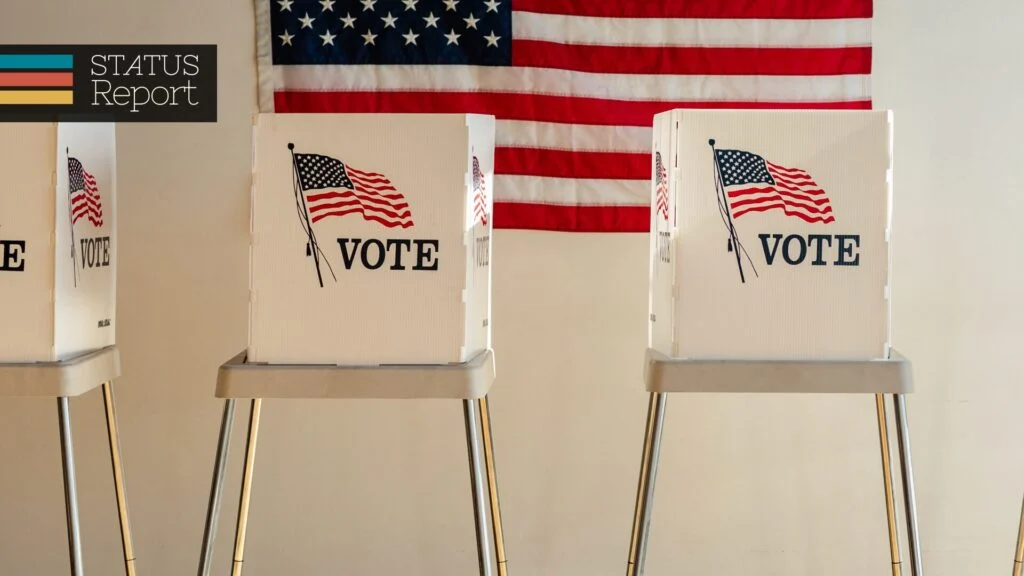
Next week’s election will be the ultimate test of the resilience of the American health care system. As voters head to the polls, they are faced with a choice that extends far beyond the traditional party lines. They are deciding what kind of expertise they value, what level of government intervention they tolerate, and ultimately, how they define "health" in an increasingly fractured society.
We at STAT will continue to provide the deep, nuanced, and evidence-based reporting you need to navigate these turbulent waters. Stay tuned to our coverage as the results roll in, and remember: in the world of health policy, the most important work often happens in the quiet moments between the campaign headlines.
For more on the 2026 midterms, follow our live-blog starting on Election Day and revisit our full archive of candidate profiles and policy deep dives at statnews.com.