




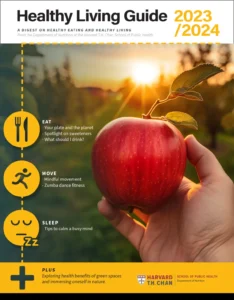

As the calendar turns, the global discourse on health is shifting from restrictive dieting toward a more holistic, integrated approach to wellness. The Department of Nutrition at the Harvard T.H. Chan School of Public Health has once again stepped to the forefront of this movement with the release of its fourth annual Healthy Living Guide. This year’s edition is more than a mere collection of tips; it serves as a manifesto for a new era of public health—one that bridges the gap between individual biological health and the broader, interconnected systems of our planet.
Main Facts: A Holistic Blueprint for 2024
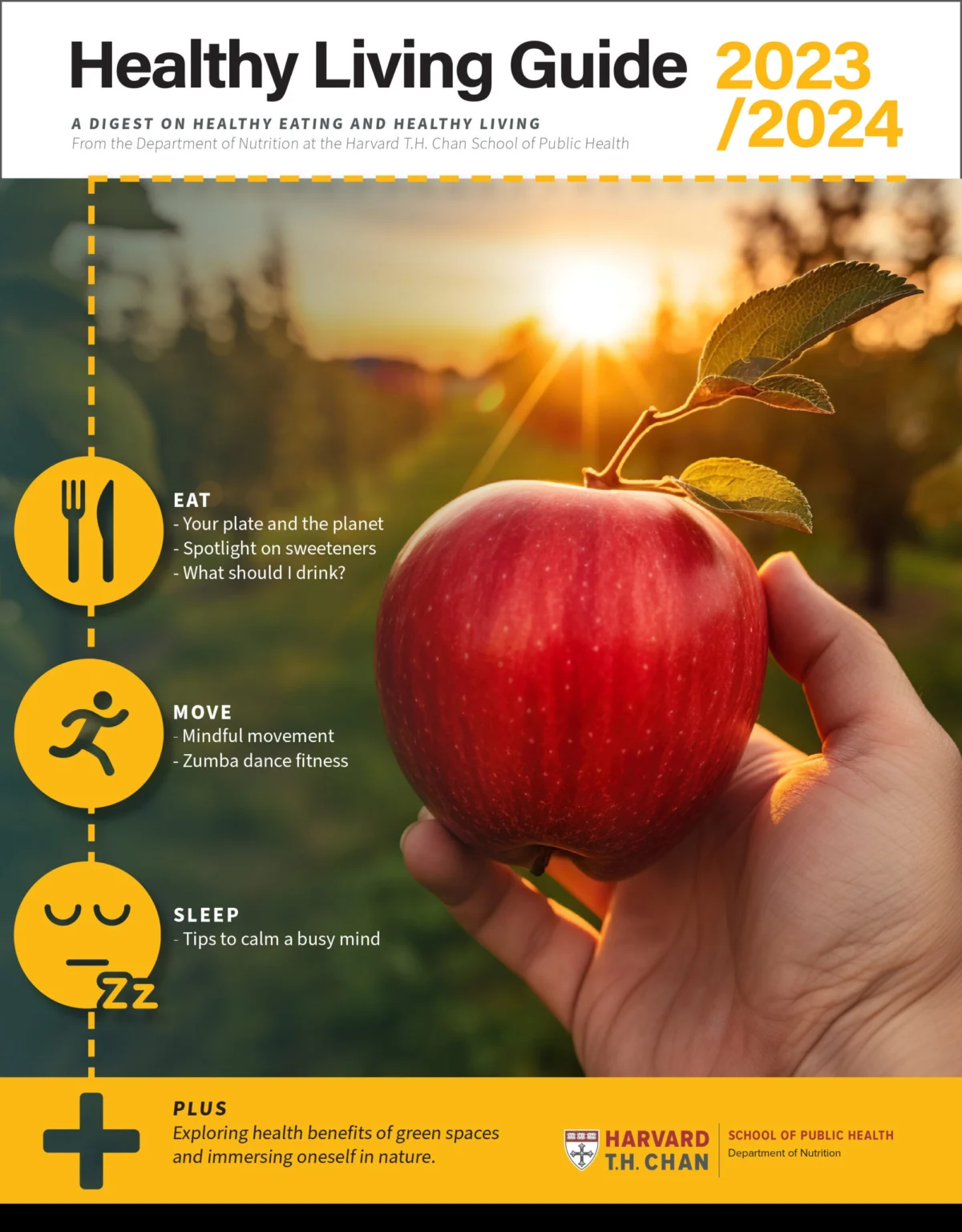
The 2023-2024 Healthy Living Guide arrives at a pivotal moment. With the launch of the Thich Nhat Hanh Center for Mindfulness in Public Health, the Department of Nutrition has signaled a clear departure from siloed health advice. The publication centers on three foundational pillars: mindful nutrition, physical movement, and restorative sleep.
The core mission of this year’s guide is to demonstrate that health is not a private endeavor but a public one. By incorporating mindfulness—the practice of being present and intentional—the guide posits that we can improve not only our personal longevity but also the health of our communities and the environment. This edition provides readers with actionable, evidence-based strategies to navigate a modern world often characterized by stress, ultra-processed food environments, and sedentary lifestyles.
Chronology of a Paradigm Shift
The journey toward this year’s comprehensive guide began in late 2022 and culminated in the significant institutional developments of 2023.
- Early 2023: The Department of Nutrition solidified its strategic focus on mindfulness, leading to the formal establishment of the Thich Nhat Hanh Center for Mindfulness in Public Health. This move was intended to institutionalize the research of mindfulness-based interventions on a global scale.
- Mid-2023: Researchers across the Harvard T.H. Chan School began synthesizing data from the previous year’s trials, specifically looking at the intersection of ultra-processed food consumption and mental health outcomes. Simultaneously, studies on sleep chronotypes—the internal biological clocks that dictate our sleep-wake patterns—began to yield compelling insights for public health policy.
- Late 2023: The editorial team consolidated these research highlights, pairing them with practical "printable tip sheets" designed to make high-level academic findings accessible to the general public.
- January 2024: The official launch of the Healthy Living Guide 2023-2024 provides a cohesive roadmap for the new year, offering readers a synthesis of the year’s most impactful discoveries.
Supporting Data: The Science of Sustenance and Sleep
The Healthy Living Guide is anchored in rigorous scientific inquiry. This year’s edition draws upon several critical areas of research that are shaping the future of public health.
The Ultra-Processed Food Crisis
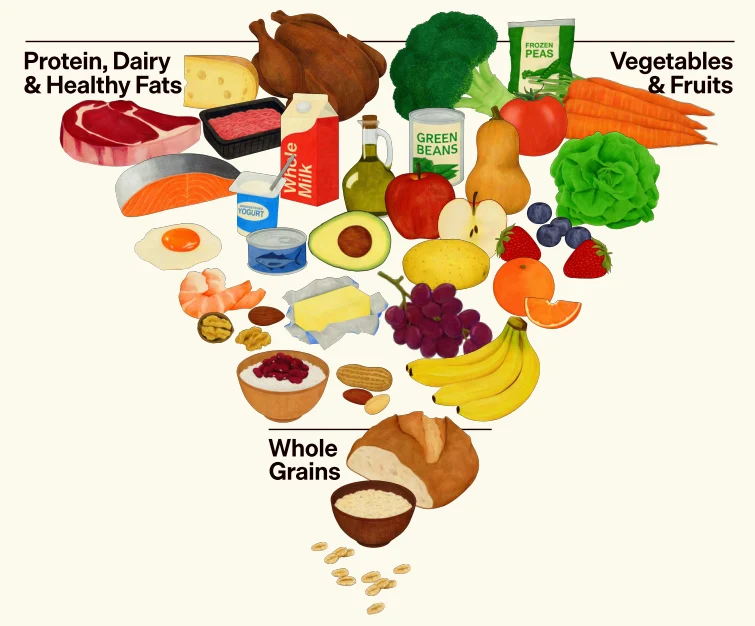
One of the most pressing issues addressed in the guide is the ubiquity of ultra-processed foods (UPFs). Data highlighted in the guide suggests a strong correlation between high UPF intake and adverse mental health outcomes, including increased risks of depression and anxiety. Unlike whole foods, which contain complex nutritional matrices, UPFs are often engineered for hyper-palatability, frequently displacing the fiber, vitamins, and minerals essential for cognitive function.
The Rhythm of Rest: Chronotypes
The guide delves into the science of "chronotypes." Recognizing that not every individual functions optimally on a traditional "9-to-5" schedule, the researchers emphasize the importance of aligning one’s lifestyle with their biological clock. Evidence presented suggests that forcing a mismatch between one’s chronotype and their daily schedule can lead to significant metabolic and psychological stress, underscoring the need for more flexible work and school environments.
The Movement Revolution
Physical activity is reimagined in this edition. Moving away from the rigid, often monotonous exercise routines of the past, the guide highlights the psychological benefits of "joyful movement." Research cited in the guide—such as the efficacy of dance-based workouts like Zumba—indicates that when physical activity is combined with social engagement and music, the adherence rate and the subsequent mental health benefits increase significantly.
Official Responses and Philosophical Anchors
The publication is framed by the profound quote from Thich Nhat Hanh: "The apple in your hand is the body of the cosmos." This statement serves as the philosophical backbone of the new Center for Mindfulness.
Dr. Walter Willett and other leading experts associated with the Department of Nutrition have consistently argued that individual health is inextricably linked to planetary health. The "official" stance of the Department is that we are currently in the midst of a health crisis that cannot be solved by pharmaceuticals alone. Instead, it requires a systemic shift in how we produce, consume, and appreciate food.
The Center for Mindfulness in Public Health represents an official institutional commitment to this philosophy. By dedicating resources to the study of how mindfulness impacts population-level health, Harvard is signaling that mental clarity and presence are as vital to public health as sanitation or vaccination. The guide encourages policymakers, healthcare providers, and individuals alike to adopt these mindfulness-based tools to counteract the "noise" and "speed" of contemporary life.
Implications for Global Public Health
The implications of the Healthy Living Guide 2023-2024 are far-reaching. By shifting the conversation toward mindfulness, the Department of Nutrition is essentially proposing a new metric for success in public health.
1. The Decentralization of Health
The guide moves away from the "doctor knows best" model, instead empowering the individual with the tools to become a steward of their own biological and mental environment. The inclusion of printable tip sheets and summary charts is designed to democratize health information, making it accessible to individuals regardless of their socioeconomic status or access to high-end clinical care.
2. Environmental Stewardship
One of the most subtle yet vital implications of the guide is the link between mindful eating and environmental sustainability. When individuals practice mindful eating, they are more likely to consume whole, plant-based foods, which carry a lower carbon footprint than highly processed or resource-intensive animal products. Thus, personal health becomes an act of environmental preservation.
3. Addressing the Mental Health Epidemic
By highlighting the research on the gut-brain axis and the impact of ultra-processed diets on mental well-being, the guide provides a non-pharmacological strategy for managing the modern mental health crisis. This offers a scalable, low-cost intervention that can be implemented in homes, schools, and workplaces immediately.
4. A Call to Continuous Learning
The guide functions as an iterative document. By referencing the 2022-2023 edition and including a "Healthy Living Knowledge Test," the publication encourages a culture of lifelong learning. Health is not a destination to be reached, but a continuous process of recalibration.
Conclusion: Embracing a Mindful 2024
The Healthy Living Guide 2023-2024 is an essential resource for anyone looking to navigate the complexities of modern living. It does not promise "miracle cures" or "magic pills." Instead, it offers something more sustainable: a roadmap to a more conscious, intentional life.
Whether you are looking to refine your diet, improve your sleep hygiene, or find more joy in your daily movement, the insights provided by the Harvard Department of Nutrition offer a scientifically sound foundation. By integrating the wisdom of mindfulness with the rigors of modern nutritional science, this guide serves as a beacon for those seeking a healthier, more fulfilling future.
As you step into 2024, the invitation is clear: take a moment to be present. Examine the "apple in your hand"—the choices you make, the food you eat, and the way you move—and recognize that these small, daily acts are the building blocks of a healthier you and a healthier world.
To access the full suite of resources, including the printable tip sheets and the interactive guide, visit the Harvard T.H. Chan School of Public Health’s Nutrition Source website.