









In a strategic move poised to reshape the landscape of sleep medicine, Beacon Biosignals, a leader in AI-driven neurophysiology, has announced the acquisition of Snap Diagnostics, a prominent national home sleep testing (HST) provider. This consolidation of technology and clinical infrastructure aims to decentralize sleep diagnostics, transitioning the industry from traditional in-lab polysomnography toward accessible, EEG-enabled home monitoring. By integrating Beacon’s proprietary artificial intelligence with Snap’s established national distribution network, the companies aim to launch a new standard of care for primary, telehealth, and specialty providers by 2027.
Main Facts: A Convergence of AI and Clinical Infrastructure
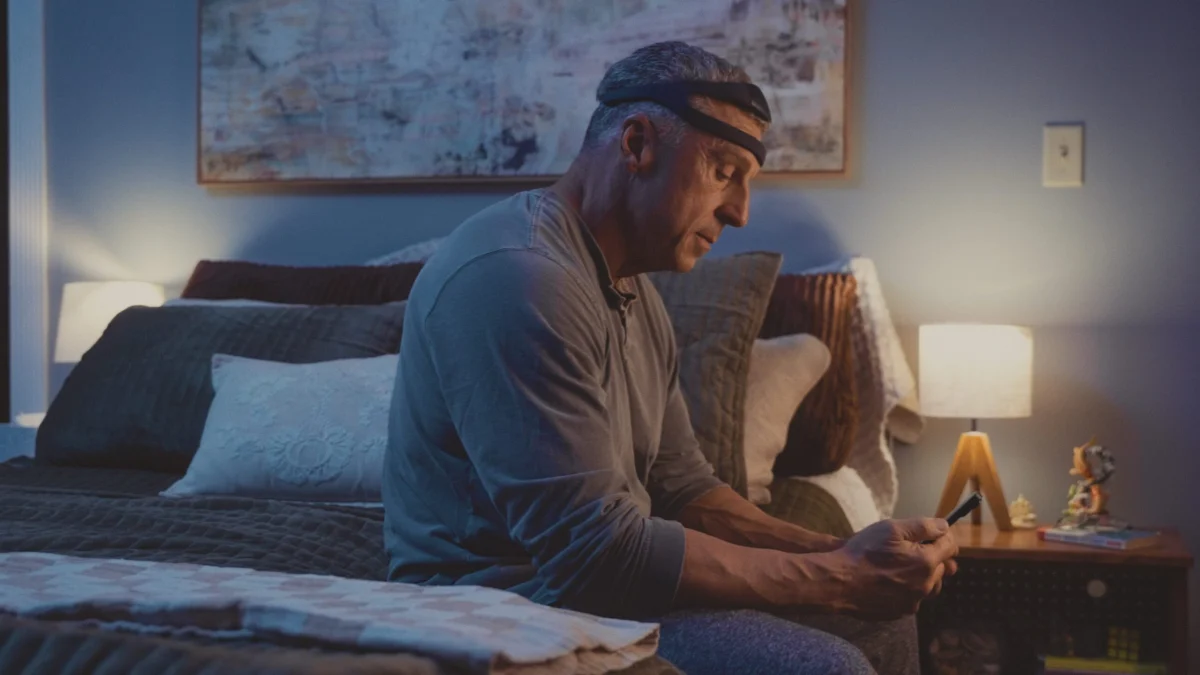
The acquisition marks a significant milestone in the digital health sector. Beacon Biosignals, known for its FDA 510(k)-cleared "Waveband" headband, has spent years refining the ability to capture brain activity (EEG) outside of a clinical setting. By acquiring Snap Diagnostics—which serves patients across all 50 states—Beacon has effectively doubled its patient reach and secured the logistical backbone necessary to scale its technology.
Under the terms of the agreement, Snap Diagnostics will continue to operate as a subsidiary of Beacon Biosignals, maintaining its existing brand, name, and service offerings. This ensures continuity for the primary care physicians, telehealth providers, and specialists who currently rely on Snap to facilitate home sleep apnea testing (HSAT). However, the long-term vision is transformative: transitioning from simple apnea detection to comprehensive, brain-centric neurophysiological monitoring.
Chronology of the Transformation
The journey toward this acquisition reflects the broader evolution of sleep health in the United States:
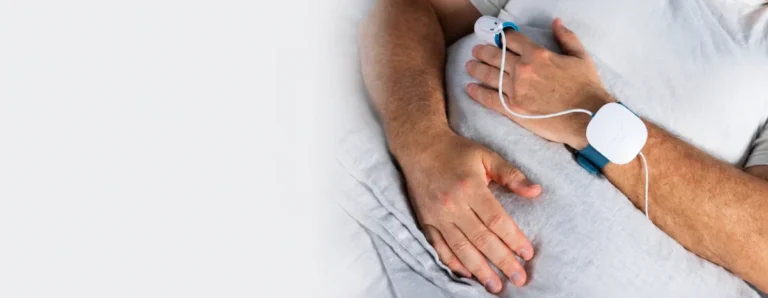
- The Rise of Home Testing: Over the last decade, the industry shifted toward home sleep apnea testing as a cost-effective alternative to overnight lab visits. Companies like Snap Diagnostics became essential by handling the logistics—shipping devices, managing billing with Medicare and commercial insurers, and providing interpretations by sleep professionals.
- The Advent of Clinical-Grade EEG: Beacon Biosignals emerged as a pioneer in applying AI to electroencephalography (EEG). Their development of the Waveband headband allowed for clinical-grade sleep staging and symptom analysis in the comfort of a patient’s home, moving beyond the simple oxygen-level monitoring used in basic HSAT.
- The 2024 Acquisition: The formal announcement marks the beginning of a multi-year integration process. Between now and 2027, the companies will focus on aligning their technological platforms and expanding their clinical capabilities.
- The 2027 Milestone: The company has set 2027 as the launchpad for integrating Beacon’s EEG-enabled diagnostic platform into the broader Snap clinical network, allowing primary care providers to order advanced neurological assessments as easily as they currently order a standard sleep apnea test.
Supporting Data: Addressing the "Sleep Gap"
The urgency behind this acquisition is driven by a stark clinical reality: a massive mismatch between the prevalence of sleep disorders and the availability of specialized care.
According to data cited by Beacon Biosignals, approximately one in three Americans experience significant sleep symptoms. Despite this high prevalence, there are only about 6,000 board-certified sleep physicians in the United States. This "sleep gap" creates a bottleneck where patients remain undiagnosed and untreated for years, exacerbating long-term health risks such as cardiovascular disease, metabolic dysfunction, and cognitive decline.
Beacon’s AI-driven approach is designed to mitigate this bottleneck by:
- Improving Accessibility: By enabling primary care physicians and advanced practice providers to manage sleep testing, the dependency on the limited number of sleep specialists is reduced for routine cases.
- Enhancing Diagnostic Precision: Traditional home tests often miss the "sleep fragmentation" associated with neurological disturbances. By measuring EEG, the Beacon platform captures the actual brain activity during sleep, offering a much more nuanced picture of sleep quality than respiration-only monitors.
- Future-Proofing Diagnostics: The data collected by these devices does not just identify OSA; it creates a longitudinal record of patient neurophysiology.
Official Responses: A Vision for the Future
Jacob Donoghue, MD, PhD, CEO and co-founder of Beacon Biosignals, has been vocal about the broader implications of this deal. In his statement regarding the acquisition, he emphasized that the future of sleep medicine lies in the brain.
"Sleep happens in the brain, so measuring brain activity is essential to fully understanding sleep and its impact on health," Dr. Donoghue noted. "Snap gives us the national reach to bring EEG-enabled testing to nearly every clinician who sees patients at risk for sleep disorders. We believe sleep diagnostics will soon extend well beyond sleep apnea, with the potential for at-home neurophysiology to help identify early signs of neurodegenerative disease and support more personalized psychiatric care."
Addressing concerns about the potential displacement of sleep specialists, Dr. Donoghue emphasized a collaborative model: "We see sleep specialists as essential partners in this effort, helping more patients benefit from their expertise and ensuring those with complex needs receive the specialized care they deserve."
The leadership at Snap Diagnostics views the partnership as an opportunity to modernize their end-to-end service. By leveraging the Beacon Platform, Snap can transition from being a testing provider to a comprehensive diagnostic partner, capable of providing deeper insights into patient health than ever before.
Implications for Clinical Care and Research
The implications of this acquisition extend far beyond the sleep clinic. By bridging the gap between drug development and clinical practice, Beacon is positioning itself as a central player in both neurology and psychiatry.
1. The Intersection of Neurology and Psychiatry
Beacon’s technology currently supports clinical trials for biopharmaceutical companies, focusing on neurological and psychiatric disorders. By integrating these research-grade capabilities into clinical practice through the Snap network, the company is essentially "democratizing" the ability to gather high-fidelity neurophysiological data. This could revolutionize how clinicians track the efficacy of medications for depression, anxiety, and insomnia, providing objective data to supplement subjective patient reporting.
2. A Shift in Patient Management
For primary care physicians, this acquisition simplifies the diagnostic pathway. Currently, ordering a sleep test often involves navigating a complex web of durable medical equipment (DME) providers and specialized labs. The unified Beacon-Snap model promises a streamlined experience: the physician orders the test, the patient receives the device at home, and the AI-powered report—verified by sleep professionals—is delivered directly to the Electronic Health Record (EHR).
3. Early Detection of Neurodegenerative Diseases
Perhaps the most ambitious implication is the potential to detect early signs of neurodegenerative disease. Sleep disturbances are frequently among the earliest markers of conditions like Alzheimer’s and Parkinson’s. By establishing a national network of EEG-capable home testing, Beacon is creating the infrastructure that could, in the future, allow for large-scale, population-level screening for neurological health, potentially identifying patients years before they manifest cognitive symptoms.
4. Direct Billing and Accreditation
A crucial element of this acquisition is the existing infrastructure of Snap Diagnostics. As a Medicare-registered independent diagnostic testing facility accredited by The Joint Commission, Snap has already cleared the regulatory hurdles that often stall medical tech startups. By maintaining this status, Beacon ensures that the integration of its advanced EEG technology is reimbursable, providing a clear path to widespread adoption among both private and public payers.
Conclusion: A New Era of "Brain-First" Medicine
The acquisition of Snap Diagnostics by Beacon Biosignals is more than a simple expansion of market share; it is a fundamental shift in the philosophy of diagnostic medicine. By moving away from the "respiration-only" approach to sleep testing and embracing "brain-first" neurophysiology, the company is preparing to turn the millions of American homes into hubs for high-quality clinical data.
As the industry looks toward 2027, the success of this initiative will depend on the seamless integration of AI-driven analytics with the human-centric expertise of sleep professionals. If successful, the collaboration will not only solve the immediate crisis of sleep apnea management but will provide the essential data architecture needed to address the broader, more complex challenges of brain health in the 21st century.
For patients, the promise is clear: more accessible, more accurate, and more meaningful diagnostic insights that bridge the gap between their sleep at home and their long-term health outcomes.