






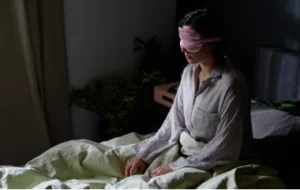


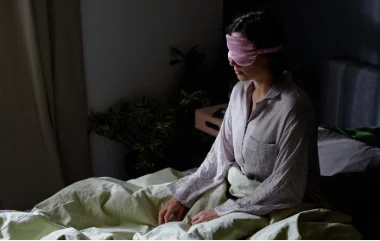
The scene is familiar to many households: a muffled voice echoing from a bedroom, a sudden thud in the hallway, or the chilling sound of a scream piercing the silence of the night. You rush to the room, only to find a loved one sitting bolt upright with vacant, glassy eyes, or pacing the living room floor with no recognition of your presence. While these nighttime spectacles can be profoundly alarming, they are often manifestations of a group of conditions known as Non-Rapid Eye Movement (NREM) disorders of arousal.
These parasomnias—which include sleepwalking, confusional arousals, and sleep terrors—represent a complex neurological state where the brain is caught in a "no man’s land" between deep sleep and wakefulness. While often dismissed as quirky habits, these disorders are legitimate medical phenomena that warrant understanding, especially when they pose risks to safety or quality of life.
The Architecture of the Episode: Main Facts
NREM disorders of arousal are characterized by incomplete awakenings from the deepest stage of non-rapid eye movement sleep, known as slow-wave sleep or stage N3. Typically occurring within the first third to half of the night, these episodes happen when the brain attempts to transition to a lighter sleep stage or wakefulness but fails to do so completely.
Because the individual is effectively "half-awake," the parts of the brain responsible for complex motor functions and emotional responses may activate, while the centers for memory, consciousness, and logical reasoning remain offline. This explains why an individual might navigate a staircase with precision yet have no recollection of the event the following morning. These episodes are not dreams; they are biological "glitches" in the transition between sleep stages.
A Chronological Breakdown: From Calm to Chaos
To better understand these disorders, it is helpful to look at the progression of an episode. While every individual’s experience is unique, the trajectory generally follows a specific pattern:
The Pre-Arousal Phase
The individual begins in a period of deep, slow-wave sleep. During this phase, the body is highly resistant to being woken up. If an external stimulus—such as a loud noise, a full bladder, or an underlying medical condition—triggers an arousal, the brain struggles to process the input.
The Trigger Point
The transition begins. In a typical night, the brain would move smoothly through sleep cycles. In these disorders, the brain is essentially "stuck." It attempts to wake up, but only the autonomic nervous system and motor centers engage. The cortical regions associated with memory and higher-level executive function remain in a state of suspended animation.
The Manifestation
This is the moment of the event. Depending on the specific disorder, the individual may:
- Confusional Arousal: Remain in bed, displaying disorientation, mumbling incoherent phrases, or pushing away bedcovers.
- Sleepwalking: Exit the bed, potentially performing routine tasks like opening doors or, in rare cases, leaving the house.
- Sleep Terrors: Experience an acute autonomic surge, resulting in wide-eyed panic, screaming, rapid breathing, and a heart rate that may soar to dangerous levels.
The Resolution
Most episodes last anywhere from a few minutes to half an hour. The individual eventually returns to sleep, either by climbing back into bed or simply collapsing where they stand. By morning, the brain’s inability to consolidate memory during the episode leaves the person with total or near-total amnesia of the event.
Supporting Data: Prevalence and Predisposing Factors
Epidemiological data indicates that NREM parasomnias are significantly more common in childhood, with most cases resolving naturally as the central nervous system matures through puberty. However, they are not strictly pediatric conditions. A subset of the population continues to experience these events into adulthood, often exacerbated by environmental or physiological stressors.
The Catalyst: Why Now?
Medical research has identified several key triggers that increase the likelihood of an episode:
- Sleep Deprivation: When the body is chronically overtired, it experiences "rebound" deep sleep, which makes the nervous system more prone to incomplete transitions.
- Fever and Illness: High body temperatures can disrupt sleep architecture, pushing the brain into unstable arousal states.
- Medications: Certain sedatives, antidepressants, and antihistamines are known to alter sleep stages, potentially triggering parasomnias in susceptible individuals.
- Circadian Disruption: Irregular sleep schedules, shift work, or jet lag can confuse the internal clock, leading to fragmented sleep.
- Underlying Disorders: Sleep apnea and Restless Legs Syndrome (RLS) are frequent "co-conspirators," as they cause frequent micro-arousals that can escalate into a full-blown NREM disorder.
Official Perspectives: When the Medical Community Steps In
The American Academy of Sleep Medicine (AASM) emphasizes that while these disorders are generally benign, they are not without risk. The primary concern is not the psychological state of the person, but rather the physical safety of the environment.
"When we evaluate patients, we are looking for the frequency, severity, and risk of injury," says Dr. Helena Schotland, a sleep specialist. "We want to distinguish between a harmless case of a child sleepwalking once a month and an adult engaging in complex behaviors that could lead to falls, driving, or unintentional harm to themselves or others."
Clinical diagnosis usually involves a detailed history from a "bed partner" or family member. Because the patient rarely remembers the event, the observer’s account is the most critical piece of evidence. In complex cases, a polysomnography—an overnight sleep study—may be performed to rule out other conditions like nocturnal seizures or sleep apnea that might mimic NREM disorders.
Implications: Managing the Nighttime Environment
If you or a family member suffer from these disorders, management often begins with "sleep hygiene" rather than medication. The goal is to minimize the triggers that cause the brain to become "stuck" during a transition.
Safety First
If sleepwalking is a factor, the household must be "hardened." This includes:
- Installing gate barriers on stairs.
- Using door alarms to alert family members if someone leaves a bedroom.
- Removing dangerous obstacles from the floor.
- Ensuring windows are locked and secured.
Therapeutic Approaches
For those whose episodes are frequent or dangerous, medical intervention may be necessary. This might include:
- Scheduled Awakenings: Waking the individual 15–30 minutes before their usual episode time to "reset" their sleep cycle.
- Treating Co-morbidities: Addressing sleep apnea or RLS, which often stops the parasomnias as a side effect.
- Pharmacotherapy: In severe adult cases, low doses of benzodiazepines or antidepressants may be prescribed by a sleep specialist to stabilize sleep architecture.
Conclusion: Bridging the Gap
NREM disorders of arousal serve as a stark reminder of the complexity of the human brain. We spend nearly a third of our lives asleep, yet we often take the stability of that state for granted. While the image of a sleepwalker or a terrified, disoriented sleeper can be unsettling, it is important to remember that these events are rarely indicative of underlying psychiatric illness.
By understanding the physiological basis of these disorders, family members can move from a place of fear to a place of informed care. If these episodes are causing distress or posing a risk to safety, the best course of action is to consult a board-certified sleep specialist. With a combination of behavioral changes, safety modifications, and, when necessary, targeted medical treatment, the nights can once again become a time of rest rather than a time of mystery.
Key Takeaways for Caregivers
- Observe and Document: Keep a log of when the events happen, what the person does, and how long they last.
- Don’t Wake Them Unless Necessary: If someone is sleepwalking, gently guide them back to bed rather than trying to fully wake them, which can cause severe confusion and distress.
- Protect the Environment: Focus on preventing falls and accidents.
- Consult a Professional: If events involve dangerous behaviors or occur frequently in adulthood, seek a clinical evaluation to rule out secondary sleep disorders.
Disclaimer: This article is for informational purposes and does not constitute medical advice. Always consult with a qualified healthcare professional regarding sleep concerns.