






Statins have long been hailed as one of the most transformative breakthroughs in modern medicine. By effectively lowering low-density lipoprotein (LDL) cholesterol, these "wonder drugs" have played a pivotal role in the global fight against cardiovascular disease, preventing millions of heart attacks and strokes. Yet, for all their clinical success, they carry a persistent, nagging drawback: muscle-related side effects. For a significant portion of the 200 million people worldwide who rely on these medications, the treatment can feel like a trade-off between heart health and physical comfort.
Now, a groundbreaking study led by researchers at the University of British Columbia (UBC), in collaboration with the University of Wisconsin-Madison, has finally pulled back the curtain on this medical mystery. By utilizing cutting-edge imaging technology to observe the molecular interactions between statins and muscle cells, the team has identified the specific mechanism responsible for drug-induced muscle damage. This discovery, published in the journal Nature Communications, offers more than just a scientific explanation; it provides a definitive blueprint for pharmaceutical companies to engineer a new generation of safer, more tolerable cholesterol-lowering medications.
The Persistent Challenge: Why Statins Cause Muscle Complications
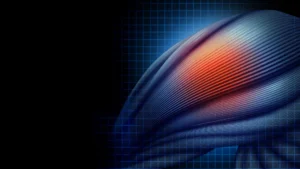
The clinical dilemma surrounding statins is well-documented. While the vast majority of patients tolerate the drugs well, a subset of users reports symptoms ranging from mild muscle soreness and fatigue to debilitating weakness. In rare, severe cases, patients may experience rhabdomyolysis—a life-threatening condition where muscle tissue breaks down rapidly, releasing toxins into the bloodstream that can cause acute kidney failure.
For many, these side effects are not merely uncomfortable; they are a barrier to adherence. When a patient experiences persistent pain, they often discontinue their medication, inadvertently exposing themselves to the very cardiovascular risks the drugs were meant to mitigate. Until now, the biological "why" behind this phenomenon remained largely speculative. Physicians knew the effect existed, but the precise molecular "switch" being flipped by the medication remained elusive.
Chronology of Discovery: From Clinical Observations to Atomic-Level Imaging
The path to this discovery began with the persistent curiosity of researchers at UBC’s Life Sciences Institute. For years, the team sought to bridge the gap between clinical observation—patients complaining of pain—and the microscopic mechanics of the cell.
The Role of Cryo-Electron Microscopy
The breakthrough was made possible by the high-resolution macromolecular cryo-electron microscopy facility at UBC’s faculty of medicine. Unlike traditional microscopy, which can often blur the lines of complex protein structures, cryo-electron microscopy (cryo-EM) allows scientists to freeze samples in a glassy state and capture them in near-atomic detail.
The team focused their gaze on the ryanodine receptor (RyR1). This massive protein acts as a sophisticated gateway within muscle cells, responsible for the precise release of calcium ions. Calcium is the signal that tells a muscle fiber to contract; when the task is done, the gateway closes, and the calcium is sequestered. This delicate, rapid-fire balance is essential for healthy muscle function.
Visualizing the Statin "Grip"
The researchers, led by Dr. Filip Van Petegem and postdoctoral researcher Dr. Steven Molinarolo, discovered that statins—specifically atorvastatin—do not just pass through the cell unnoticed. Instead, they actively interfere with the RyR1 receptor.
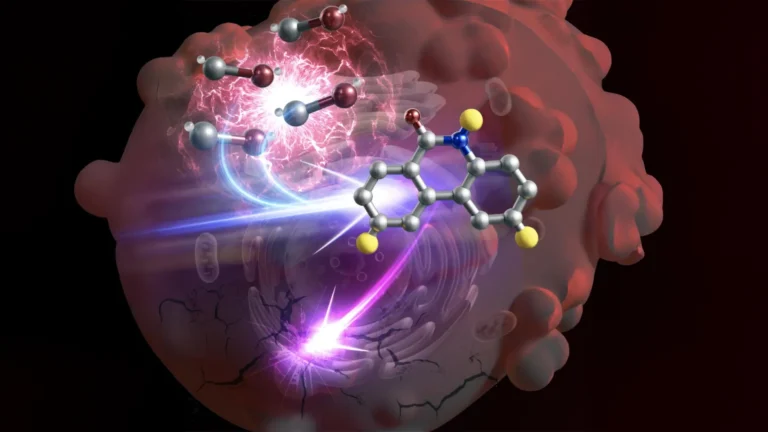
Through the lens of the cryo-EM, the team observed a startling interaction. They found that three statin molecules occupy a specific, small pocket within the protein. The process is a two-stage disruption:
- The Initial Binding: The first statin molecule attaches to the protein while the channel is in a closed state, effectively "priming" it to open.
- The Molecular Wedge: Two additional molecules then enter the same pocket, exerting enough structural pressure to force the channel into an open position and hold it there.
This creates a "calcium leak." With the gateway jammed open, calcium flows uncontrollably into the muscle cell, disrupting the internal signaling environment. This sustained, aberrant calcium signaling creates cellular stress, leading to the inflammation, pain, and, in severe cases, the tissue damage that patients report.
Supporting Data and the "Three-Molecule" Mechanism
The study focused primarily on atorvastatin, one of the most widely prescribed statins globally. However, the structural nature of the binding site suggests that this mechanism is not unique to a single drug. Because the RyR1 receptor is a highly conserved protein across the human body, the researchers suspect that this "three-molecule" docking mechanism may be a common trait among various statins.
The discovery that it requires three molecules to lock the channel open is a critical piece of the puzzle. It suggests that the severity of muscle symptoms might be dose-dependent or influenced by how effectively the drug occupies these specific pockets. This nuance provides a clear target for chemists: if they can modify the molecular structure of statins so that they no longer fit into these RyR1 pockets, they could theoretically maintain their cholesterol-lowering efficacy while "blinding" the drug to the muscle cell’s sensitive gateways.
Official Responses and Scientific Significance
The academic community has reacted with significant optimism. Dr. Steven Molinarolo, lead author of the study, noted the clarity provided by the imaging: "We were able to see, almost atom by atom, how statins latch onto this channel. That leak of calcium explains why some patients experience muscle pain or, in extreme cases, life-threatening complications."
Dr. Filip Van Petegem, the senior author and a professor at UBC, emphasized the long-term potential for patient care. "Statins have been a cornerstone of cardiovascular care for decades," Dr. Van Petegem said. "Our goal is to make them even safer, so patients can benefit without fear of serious side effects. This is the first time we’ve had a clear picture of how statins activate this channel. It’s a big step forward because it gives us a roadmap for designing statins that don’t interact with muscle tissue."
This research effectively transforms the "statin problem" from an unsolvable mystery into a tangible engineering challenge. Pharmaceutical developers now have a specific structural "map" of the RyR1 receptor, which can be used in computer-aided drug design to screen future candidates for potential muscle-interaction risks before they ever reach human trials.
Implications for Global Health and Drug Development
The implications of this discovery are vast, touching on public health policy, the pharmaceutical industry, and, most importantly, individual patient quality of life.
Improving Adherence and Outcomes
Cardiovascular disease remains the leading cause of death worldwide. The efficacy of statins in preventing secondary events—such as a second heart attack—is undisputed. By identifying a path toward "muscle-neutral" statins, researchers are not just trying to make a drug more comfortable; they are trying to improve the global rate of treatment adherence. When patients are not in pain, they stay on their medication. When they stay on their medication, lives are saved.
The Future of Drug Design
This discovery marks a shift in how we approach the "side-effect" profile of legacy medications. Rather than accepting muscle pain as a necessary evil, the UBC findings suggest that legacy drugs can be refined. The pharmaceutical industry is expected to look closely at these findings as they seek to differentiate their products in a competitive market. A "next-generation" statin that boasts a superior safety profile—validated by this specific molecular discovery—could become the new gold standard for cardiologists.
A Note of Caution
While the findings are promising, experts caution that this is a starting point, not an immediate clinical solution. The transition from identifying a molecular mechanism to manufacturing, testing, and gaining regulatory approval for a new medication is a process that takes years. Patients currently taking statins are strongly encouraged to continue their treatment as prescribed. The current benefits of statins in preventing life-threatening cardiovascular events far outweigh the risks of muscle side effects for the vast majority of patients. Any changes to a medication regimen should always be made under the direct supervision of a healthcare provider.
Conclusion: A Clear Path Forward
The research conducted at UBC serves as a testament to the power of high-resolution structural biology. By connecting the dots between an atomic-level protein interaction and a global clinical challenge, the team has provided a definitive path toward safer heart health.
As the medical community looks to the future, the goal is clear: to maintain the life-saving benefits of cholesterol management while removing the physical burden that has hindered treatment for so many. For the millions of people who live with the daily reality of cardiovascular risk, this discovery offers a beacon of hope—the promise of a future where protecting the heart no longer comes at the expense of the muscles. As drug development continues to evolve, the insights gained from this study will likely serve as the foundation for a new era of safer, more patient-centric cardiovascular care.