









In a breakthrough that could redefine the future of oncology, researchers at the RIKEN Pioneering Research Institute (PRI) in Japan have successfully demonstrated a method to transform a tumor’s own metabolic byproduct into a potent anticancer agent. By hijacking the internal environment of malignant cells, the team has created a "synthetic factory" that produces toxic drugs only when and where they are needed, potentially solving the most persistent problem in chemotherapy: the collateral damage caused to healthy tissue.
The study, recently published in the journal Nature Communications, details how a specially engineered metal-catalyst complex can bypass systemic toxicity by utilizing carbon monoxide—a gas typically associated with combustion—as a primary chemical reactant to synthesize therapeutic compounds in situ.
The Core Challenge: Precision in an Imprecise Field
For decades, the standard approach to treating aggressive cancers has been the "scorched earth" policy of chemotherapy. Because conventional drugs cannot distinguish between a rapidly dividing cancer cell and a healthy cell in the bone marrow or digestive tract, patients suffer from debilitating side effects—ranging from extreme fatigue and nausea to immune system failure.
The fundamental dilemma is one of delivery. To be effective, drugs must circulate throughout the entire body, but to be safe, they must be inert until they reach the tumor site. Katsunori Tanaka, the lead researcher at RIKEN’s Biofunctional Synthetic Chemistry Laboratory, has long sought a way to bridge this gap by leveraging the unique "fingerprint" of cancer cells.
Tumors are metabolically chaotic. They exhibit irregular blood flow, acidic microenvironments, and, as Tanaka’s team discovered, elevated levels of carbon monoxide (CO). While CO is toxic to the human body in high concentrations due to its affinity for hemoglobin, it is a byproduct of heme oxygenase activity, which is often upregulated in cancerous tissues. This unique chemical signature provided the ideal "trigger" for the RIKEN team’s experimental strategy.
Chronology of the Discovery
The development of this technology was not an overnight success; it was the culmination of years of research into in vivo synthetic chemistry.
Phase 1: Conceptualization and Catalyst Design
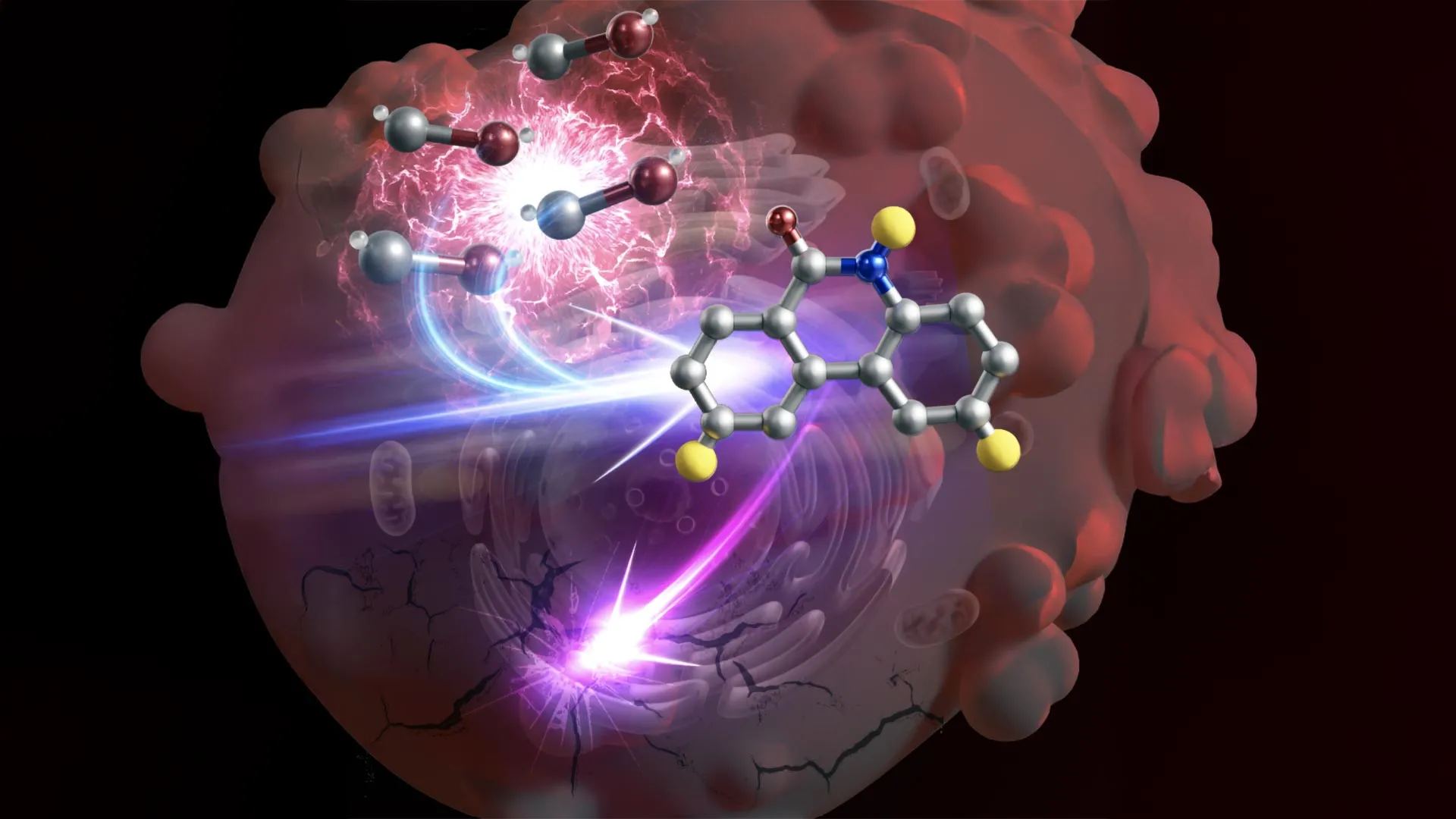
The team began by identifying a class of compounds known as "palladacycles." These metal-containing catalysts are known for their ability to facilitate organic synthesis. Specifically, they can react with carbon monoxide to produce phenanthridinone, a chemical scaffold that serves as the backbone for various potent anticancer drugs.
Phase 2: Solving the "Glutathione Barrier"
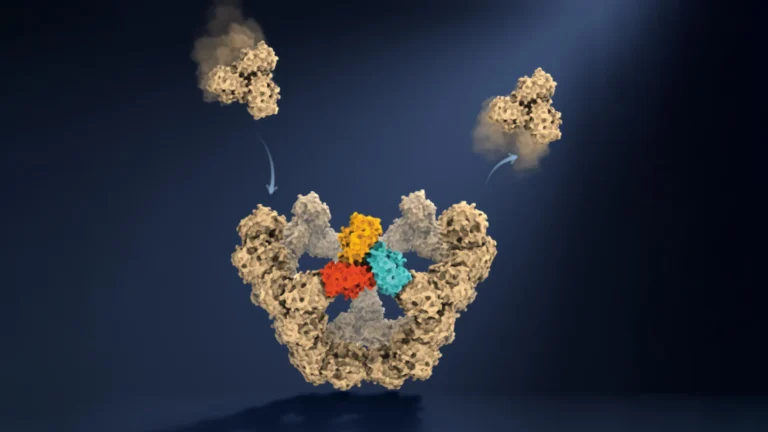
Initial trials hit a significant roadblock. In the complex environment of a living cell, various molecules—most notably glutathione—act as scavengers. Glutathione would bind to the palladium catalyst, essentially "poisoning" it and rendering it inactive before it could perform its intended task. The researchers spent months refining a solution, eventually turning to albumin, a ubiquitous protein found in the human bloodstream. By encapsulating the palladacycle within an albumin shell, the team created a protective "shield" that allowed the catalyst to navigate the circulatory system and enter cells without being deactivated by internal cellular defenses.
Phase 3: Validation and Refinement
Between 2022 and 2024, the team moved from theoretical models to benchtop experiments. They exposed various cultured human cell lines—liver, cervical, breast, and lung cancer—to the albumin-palladacycle complex. Control groups consisting of healthy human cells were also subjected to the same treatment. The goal was to ensure that the "drug-making reaction" would remain dormant in the absence of high CO concentrations.
Supporting Data: Why the System Works
The results of the 48-hour laboratory tests provided a definitive proof-of-concept. Following the introduction of the albumin-catalyst complex:
- Selective Activation: Researchers detected significant concentrations of the therapeutic phenanthridinone derivative inside the cancer cell lines. Conversely, the noncancerous cell lines showed no detectable production of the drug.
- The Hemoglobin Safety Mechanism: One of the most critical questions was whether the catalyst would trigger in the bloodstream, where hemoglobin also binds to carbon monoxide. The data showed that the drug did not form in the blood. Because hemoglobin’s affinity for CO is so strong, the gas is essentially "locked away," rendering it unavailable to the palladacycle catalyst. This natural safety mechanism ensures the "bomb" remains unprimed until it reaches the tumor.
- Intracellular Release: After the synthesis reaction, the newly formed drug was successfully released from the carrier, allowing it to exert its cytotoxic effects on the cancer cell’s machinery, leading to apoptosis (programmed cell death).
Official Responses and Expert Perspective
Dr. Katsunori Tanaka has framed this work as a paradigm shift in how we conceive of drug delivery. "This work represents an important advance in therapeutic in vivo synthetic chemistry," Tanaka stated in an official press release. "In our therapeutic strategy, molecules naturally present or generated within the body—including disease-associated metabolites—are used as endogenous chemical feedstocks to synthesize therapeutic molecules directly at the site of disease."
The scientific community has noted the elegance of the approach. By shifting the burden of synthesis from the pharmaceutical manufacturer to the tumor itself, the team has effectively turned the cancer’s own metabolic profile into a vulnerability. Critics and peers alike have praised the use of albumin as a carrier, noting that it is a biocompatible, non-immunogenic material that is already widely used in drug delivery applications.
Implications for the Future of Oncology
While the results are promising, the researchers remain cautious about the timeline for clinical application. The current findings are limited to in vitro (cell culture) models. The transition to in vivo (animal models) will be the true test of the technology’s efficacy and safety.
1. A New Class of "Smart" Drugs
This research could pave the way for a new generation of "pro-drugs" that do not require complex activation pathways. If a drug can be synthesized from the very chemicals that tumors produce to thrive, then the more aggressive the cancer, the more fuel it provides for its own destruction.
2. Reducing Systemic Toxicity
If this technology moves to clinical trials and proves successful, the necessity for high-dose, systemic chemotherapy could diminish. Patients might be able to tolerate treatments with significantly fewer side effects, as the active drug concentration would be localized entirely within the tumor mass.
3. Expansion to Other Metabolites
The success of this experiment suggests that other metabolic byproducts of cancer—such as hydrogen peroxide, specific enzymes, or altered pH levels—could be used as "feedstocks" for similar synthetic reactions. The RIKEN team’s methodology provides a template for researchers to identify these markers and design specific catalysts to interact with them.
4. Regulatory and Logistical Challenges
Before reaching a hospital, this technology will face rigorous regulatory scrutiny. Questions regarding the long-term metabolic fate of the palladium catalysts, the potential for off-target synthesis in organs with high metabolic activity (like the liver), and the scalability of the albumin-complex production must be addressed.
Conclusion: A Turning Point
The research from the RIKEN Pioneering Research Institute marks a significant departure from traditional pharmacology. By treating the tumor not just as a target, but as a reactive participant in the chemical synthesis of its own treatment, Tanaka and his team have opened a new front in the war on cancer. If the transition from the laboratory bench to clinical application proves successful, it will represent one of the most sophisticated applications of synthetic chemistry in medical history—turning the cancer’s own poisonous byproduct into a life-saving tool.
As the team prepares for the next phase of animal studies, the medical world watches with cautious optimism, waiting to see if this "Trojan Horse" strategy can truly change the landscape of cancer treatment for good.