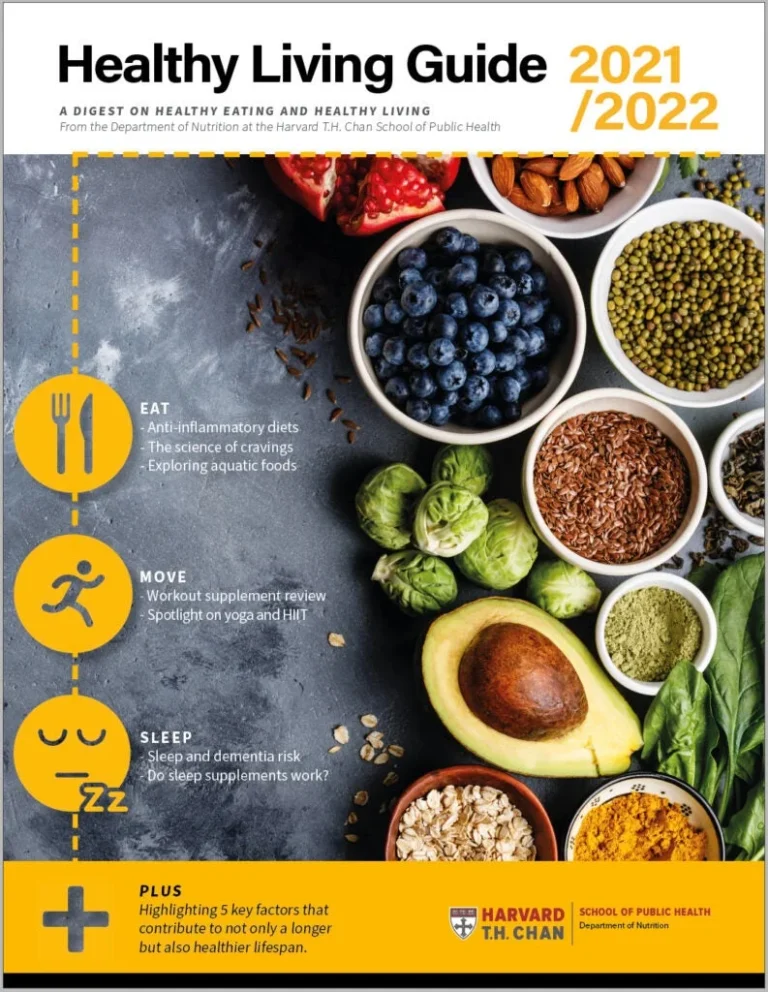



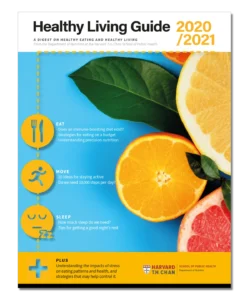
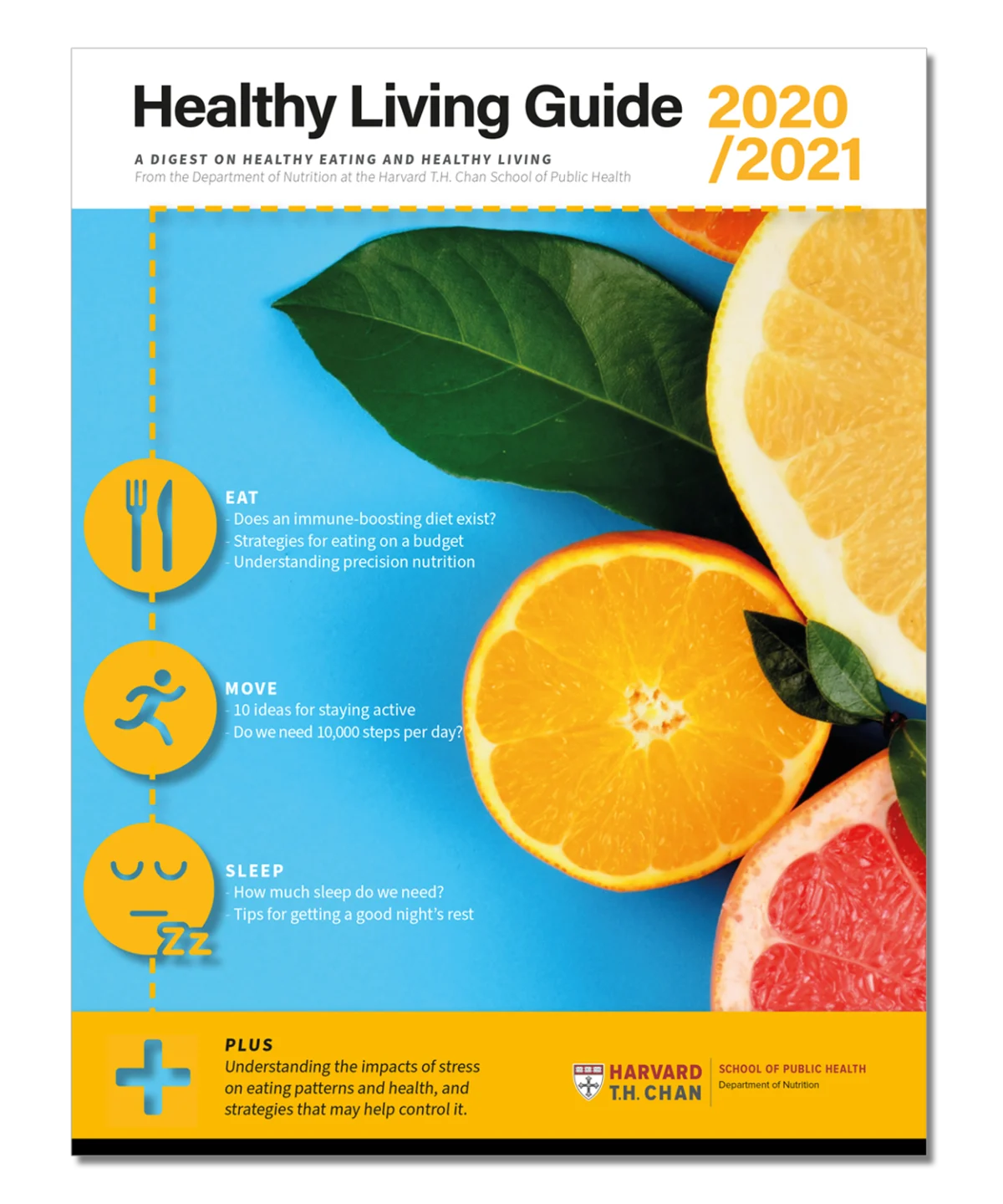
In an era defined by the profound shifts brought on by the global pandemic, the fundamental pillars of human health have never been more critical. As we navigate the complex intersection of public health crises, economic fluctuations, and the persistent stresses of modern life, the Harvard T.H. Chan School of Public Health has released a vital resource: the Healthy Living Guide. This initiative serves as a cornerstone for those seeking to bolster their physical and mental well-being, grounding individual health choices in rigorous scientific research.
Main Facts: The Pillars of a Longer, Healthier Life
At the heart of the current health dialogue is a simple yet transformative truth: lifestyle choices are the most potent tools we have for disease prevention. While the medical community continues to study the nuances of viral immunity, the foundational principles of health remain consistent and actionable.
The Healthy Living Guide synthesizes decades of epidemiological research into five core habits that serve as the blueprint for longevity and quality of life:
- Nutritious Dietary Patterns: Moving beyond fad diets toward sustainable, whole-food-based nutrition.
- Regular Physical Activity: Integrating movement into daily routines to support cardiovascular health and metabolic function.
- Weight Management: Maintaining a healthy body mass index (BMI) to reduce systemic inflammation.
- Moderate Alcohol Consumption: Recognizing the physiological impact of intake on organ function and systemic health.
- Smoking Cessation: Eliminating the single greatest modifiable risk factor for chronic disease.
The evidence is clear: these five habits are not merely "suggestions" for well-being; they are statistical predictors of survival. Individuals who adhere to these practices can expect to live more than a decade longer than their counterparts who do not.
Chronology: The Evolution of Public Health Strategy
The timeline of global health awareness has undergone a radical transformation since the dawn of 2020.
- Early 2020: The emergence of COVID-19 forced a global pivot toward immediate survival strategies. As the pandemic disrupted food supply chains, household incomes, and access to exercise facilities, the "social determinants of health" moved from academic jargon to daily kitchen-table realities.
- Late 2020: As the pandemic persisted, research centers began to identify a growing "wellness gap." It became evident that while the focus was on acute infection, chronic disease management was suffering due to inactivity and increased stress-induced poor dietary habits.
- Early 2021: In response, experts synthesized existing long-term health data into accessible, printable formats. The Healthy Living Guide was launched to provide a bridge between complex medical research and the practical needs of families struggling to maintain routine during lockdowns.
- Present Day: The emphasis has shifted toward the concept of "healthspan"—not just adding years to life, but adding life to years. The current strategy focuses on maintaining these five pillars to remain free of chronic conditions like type 2 diabetes, cardiovascular disease, and cancer well into middle age and beyond.
Supporting Data: The Science of Habitual Wellness
The Harvard research team underscores that the benefits of a healthy lifestyle are both cumulative and preventative. One of the most compelling findings in recent years is the impact of these habits on "disease-free years."
Data indicates that adults who consistently follow the five key habits at mid-life do not merely avoid premature death; they significantly delay the onset of debilitating chronic illnesses. For instance, the risk reduction for cardiovascular disease in those who adhere to these five habits is staggering, often reaching double-digit percentage points when compared to the general population.
Furthermore, the connection between lifestyle and the immune system remains a focal point. While no diet serves as a "vaccine" or a definitive shield against viral transmission, a well-nourished body with low levels of systemic inflammation is better equipped to manage the physiological stress of illness. The research suggests that the same mechanisms that protect the heart and lungs from chronic decay also support the intricate signaling of the immune system.
Official Responses: Guidance from the Experts
The Healthy Living Guide is more than a brochure; it is a clinical nudge designed to empower the public. The consensus among public health officials is that the "all-or-nothing" approach to health is a primary barrier to entry for most people.
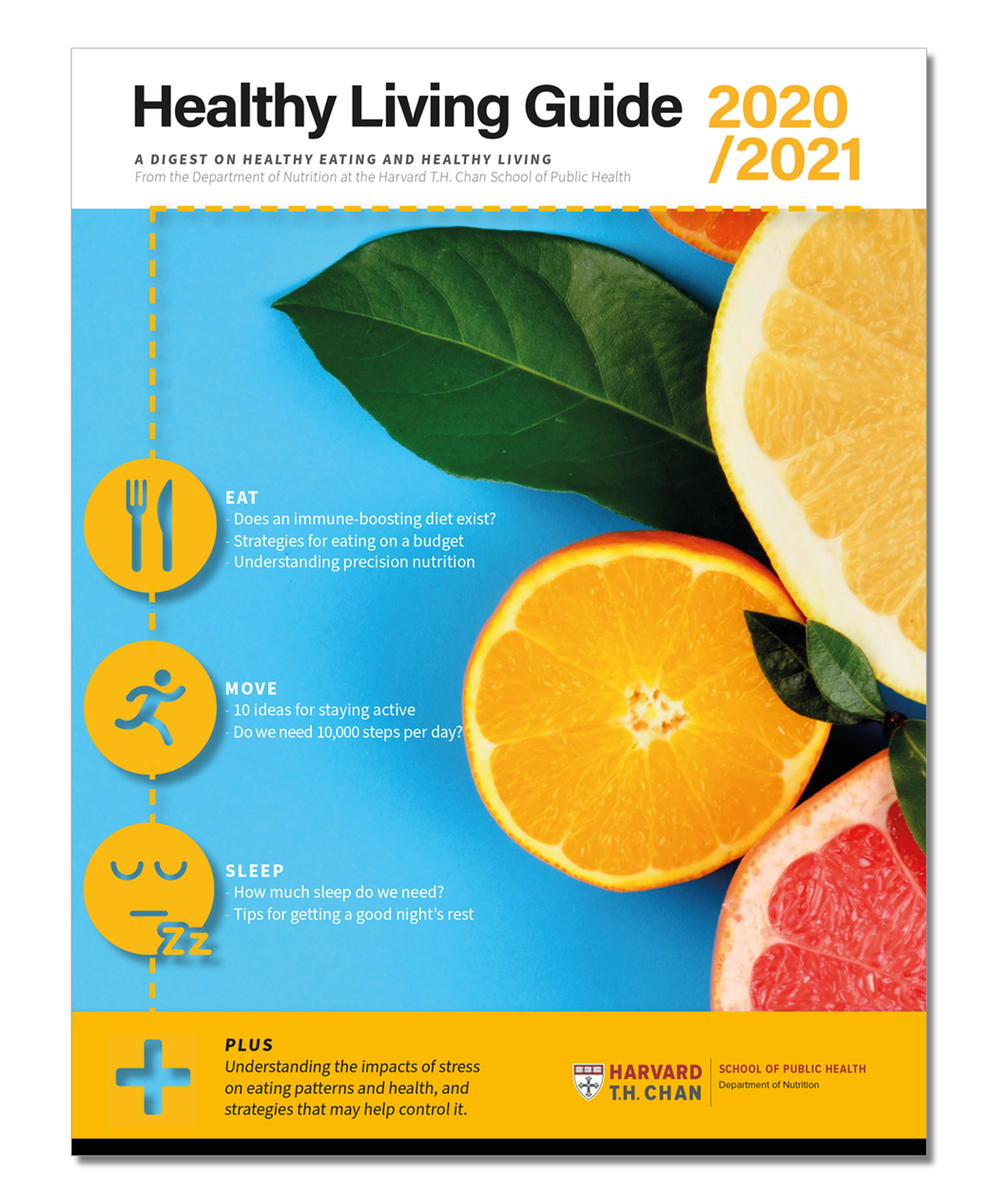
"We recognize that sticking to healthy habits is often easier said than done, particularly when the world feels unpredictable," notes the research summary. "Our goal is to meet people where they are."
By offering printable tip sheets and the "Healthy Living Bingo Challenge," experts are attempting to gamify the process of habit formation. This response acknowledges that mental health is a component of physical health. By encouraging individuals to try new recipes, pick up hobbies, or find movement that feels like play rather than a chore, the medical community is validating the importance of "joy" as a clinical health intervention.
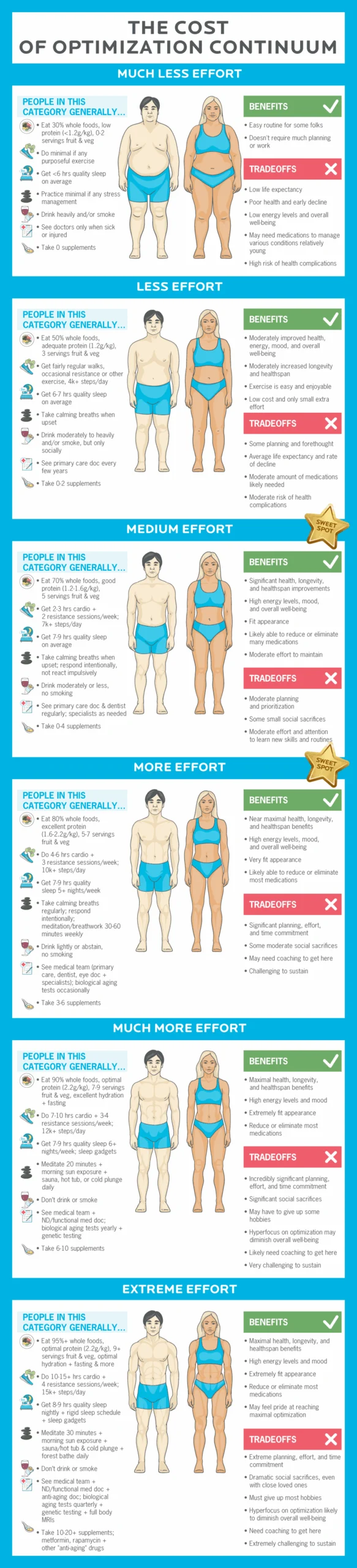
The professional response emphasizes that perfection is not the goal—consistency is. Whether it is adding one extra serving of vegetables to a dinner plate or taking a fifteen-minute walk during a work break, these incremental changes contribute to a larger architecture of health.
Implications: Building Resilience for the Future
The implications of this movement toward proactive health are profound. As the global population ages, the strain on healthcare systems is expected to increase. By shifting the focus toward prevention, the Healthy Living Guide promotes a model of individual autonomy.
1. Economic Implications
Chronic diseases are not only personal tragedies; they are significant economic burdens. By reducing the incidence of diabetes and cardiovascular issues through lifestyle modification, individuals can significantly reduce their long-term medical expenditures, contributing to a more sustainable healthcare system.
2. Societal Resilience
A population that prioritizes its health is inherently more resilient to external stressors. Whether facing a future pandemic or the personal challenges of aging, those who have invested in their "biological capital"—their muscles, heart health, and nutritional status—are better positioned to navigate adversity.
3. The Digital and Physical Divide
The guide’s emphasis on printable resources acknowledges a critical reality: not everyone has constant access to high-end digital wellness platforms. By providing PDF guides, the initiative democratizes access to health information, ensuring that even those with limited connectivity can benefit from evidence-based advice.
Moving Forward: Implementing the Strategies
For those looking to integrate these lessons into their daily lives, the journey begins with small, measurable steps. The Healthy Living Guide suggests several frameworks for success:
- Audit Your Environment: Remove the obstacles that make unhealthy choices easier. This might mean keeping fresh fruit on the counter or setting out workout clothes the night before.
- Focus on Nutrient Density: Instead of counting calories, focus on the quality of food. Prioritize plant-based proteins, whole grains, and healthy fats.
- Movement as Maintenance: Exercise should be viewed as an essential daily maintenance task, similar to brushing one’s teeth. Find activities that provide a sense of accomplishment rather than punishment.
- The Power of Community: Engaging in challenges like the Healthy Living Bingo can foster a sense of shared purpose. When we view health as a social activity, we are more likely to stay accountable.
Conclusion
As we look toward a future where health is increasingly viewed as a dynamic, lifelong process rather than a static state, the work of institutions like the Harvard T.H. Chan School of Public Health becomes a vital compass. The Healthy Living Guide is a testament to the fact that, even in the most uncertain of times, the power to improve our longevity remains largely in our own hands. By committing to these five proven habits, we do not just live longer—we live with greater vitality, clarity, and purpose. The path to a healthier life is rarely a straight line, but with the right resources and a commitment to incremental progress, the destination is well within reach for everyone.